Farmers across the state need rain.
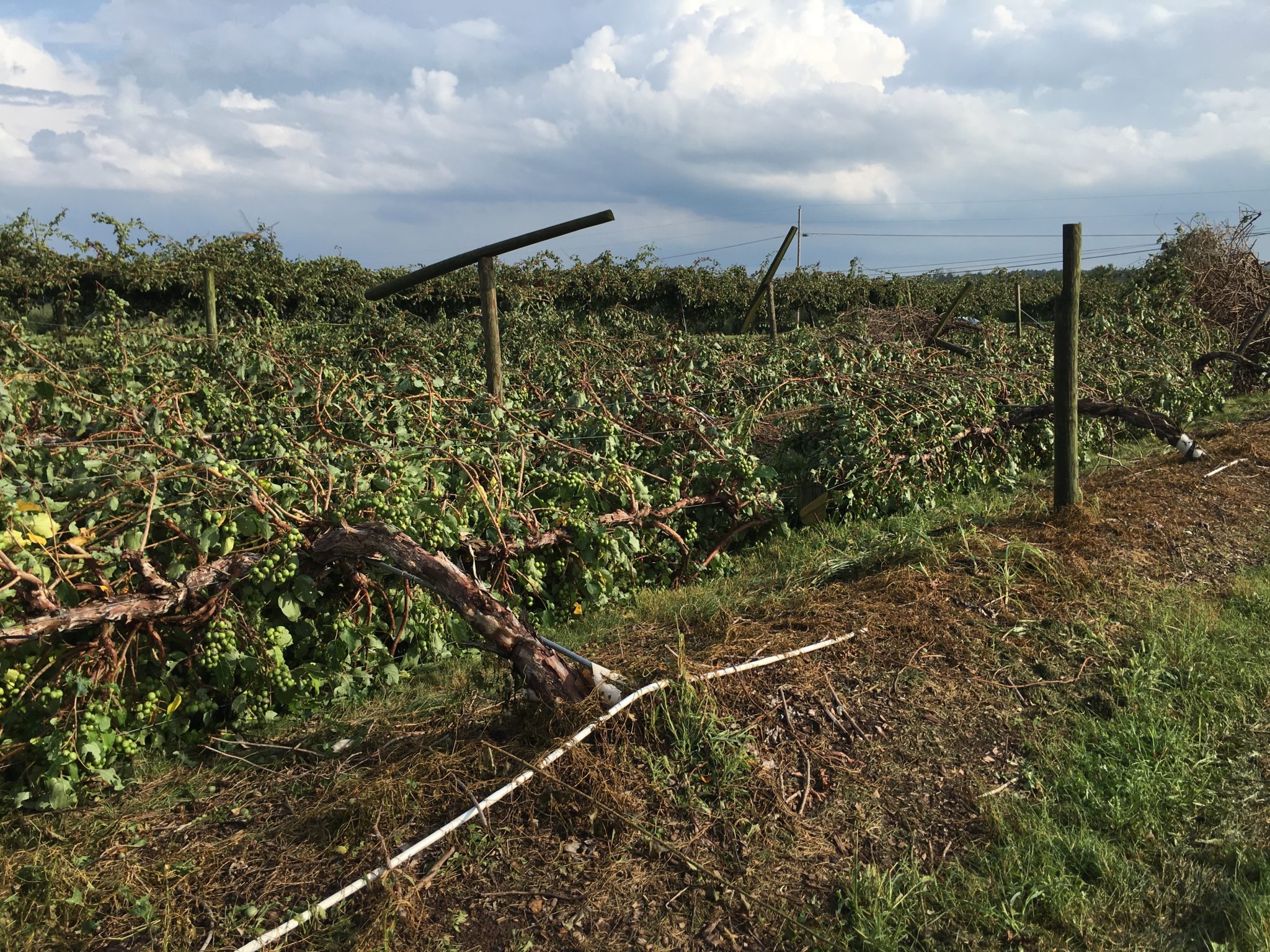
“This year, the wheat crop wasn’t the best. The bean crop looks terrible. The corn crop is shot,” said Ricky Canoy, the owner of Canoy Farms in Randolph County.
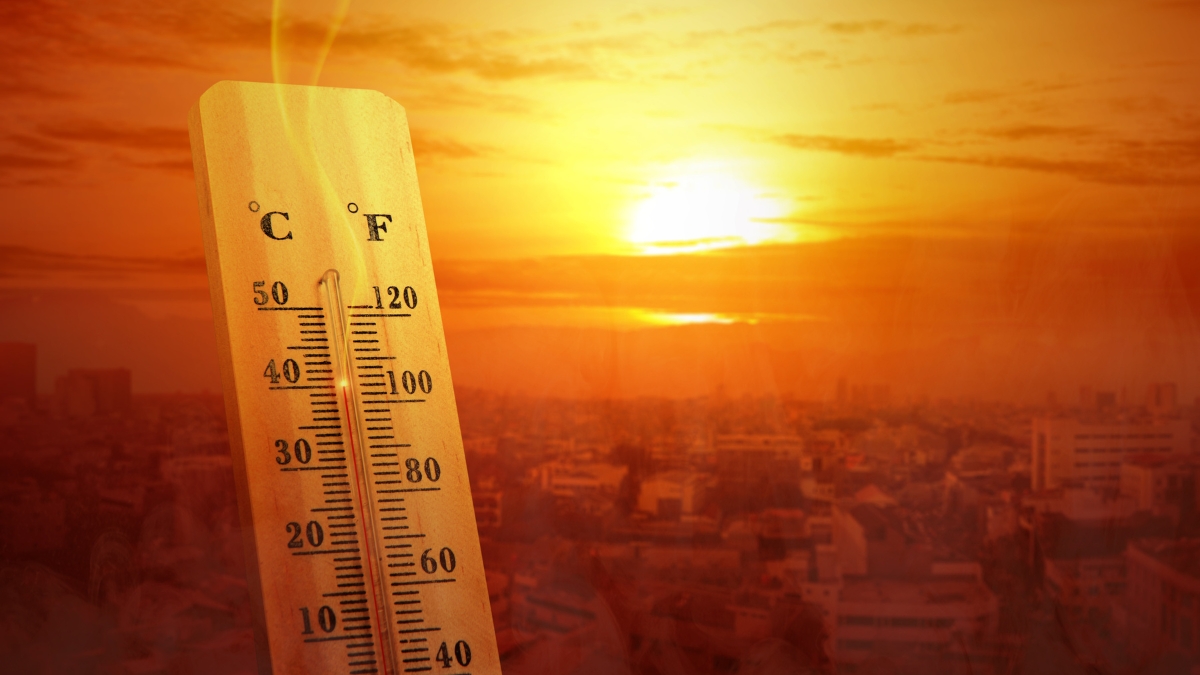
The ongoing drought conditions and extreme heat have put farmers in a tough spot. Many face a loss this season and now pray to break even.
Farmers say this year’s conditions are the worst they have seen since the back-to-back bad years in 1985 and 1986.
“We got tobacco, milo, soybeans, corn and wheat,” Canoy said. He has hundreds of acres of crops that rely on the weather to thrive.
“It gets disheartening, but it is the life of a farmer,” Canoy said.
Some of Canoy’s properties were irrigated.
But irrigation is a costly decision to keep the water flowing.
“The motors will burn four gallons of fuel an hour. You got three or four of them running 12-15 hours a day. It adds up quick,” Canoy said.
Other spots like his 95 acres of tobacco sit and swelter in the hot and dry conditions. The tobacco is not dead but is slow to grow. Canoy is less hopeful about the soybeans.
Deer always snack on the soybean crops. With little growth because of the drought, the deer are eating faster than the crops can grow.
“I am hoping to break even this year,” Canoy said.
Soybeans are the most popular crop in Randolph County. Across the state, more than 1.5 million acres were harvested last year, according to the USDA. This year, those numbers are not likely.
“It is pretty significant to see a widespread drought like that across the entire state,” Randolph County Field Crop Forestry Agent Blake Szilvay said.
There is a ripple effect. Many of these crops are sold to feed mills to feed the animals that end up on our plates.
“If your animals are costing more to feed ’cause’ there is not as much grain and supply … The consumer and farmer end up paying that cost,” Szilvay said.
The hot and dry conditions cause concerns about money.
“Hopefully, we will still yield enough to pay the bills at the end of the year,” Canoy said.
It also raises awareness of mental health concerns for the farmers.
“It is hard to have an outlet for all the stress and everything that you are feeling. There are support systems out there,” Szilvay said.
They all have hope that tomorrow will be better and bring some rain.
Canoy says they don’t want a downpour. Steady rain every other day will help the crops bounce back. Others are a total loss, so they want to make the most of what they can with what they have left.
Source - https://myfox8.com