USA - Unpredictable weather made 2023 tough for farmers as they look toward a wetter 2024

20.12.2023 599 views

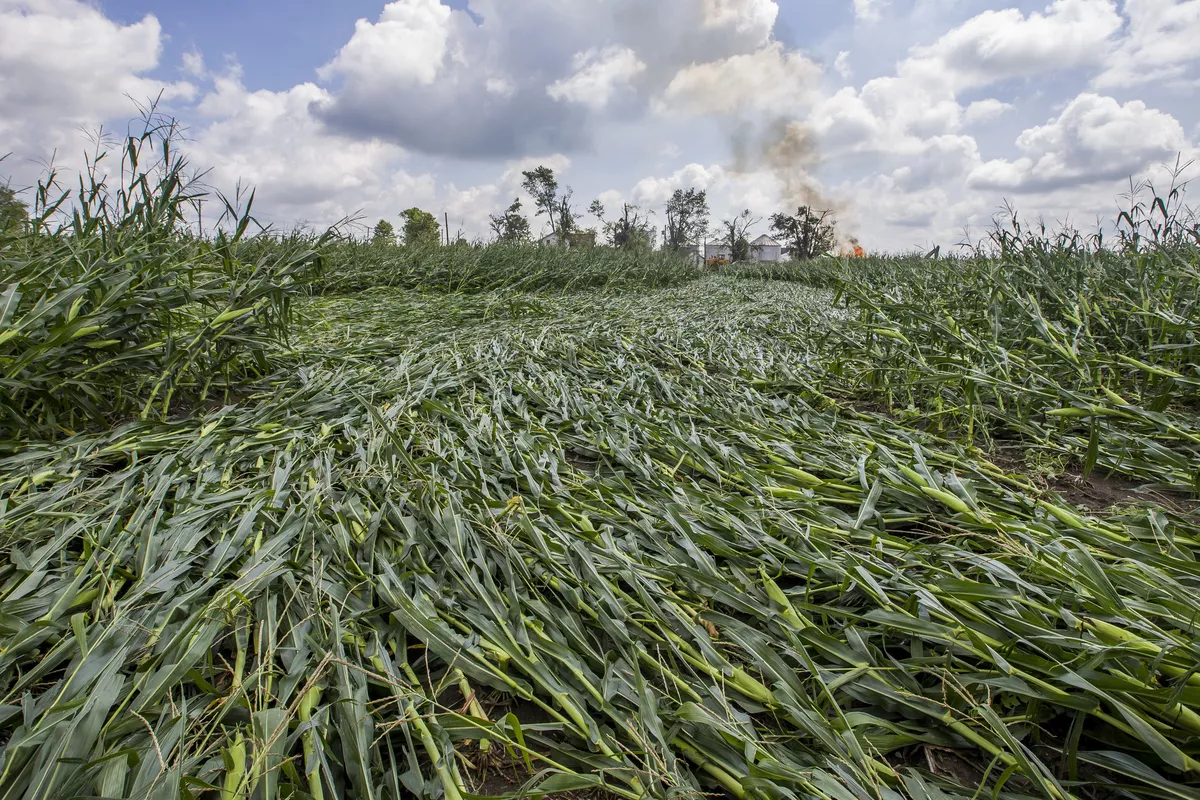
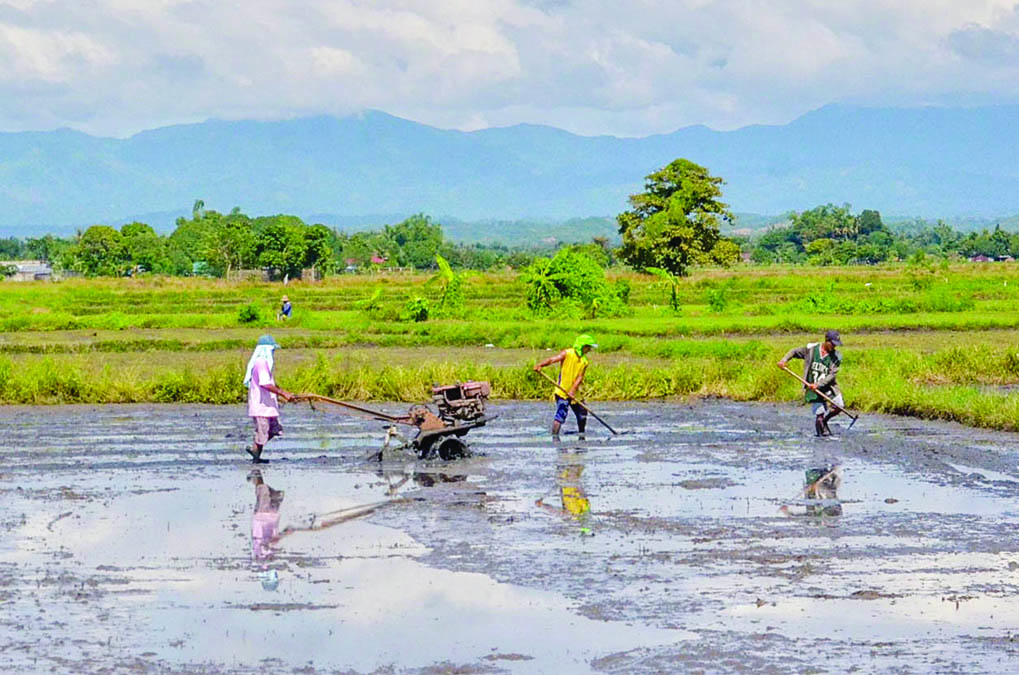
Oklahoma farmers are looking forward to a new year after much weather variability, and many in the agriculture industry are hoping for the wetter conditions El Niño typically brings.

Timely rains helped the wheat, cotton, corn and soybean crops in Oklahoma this year.

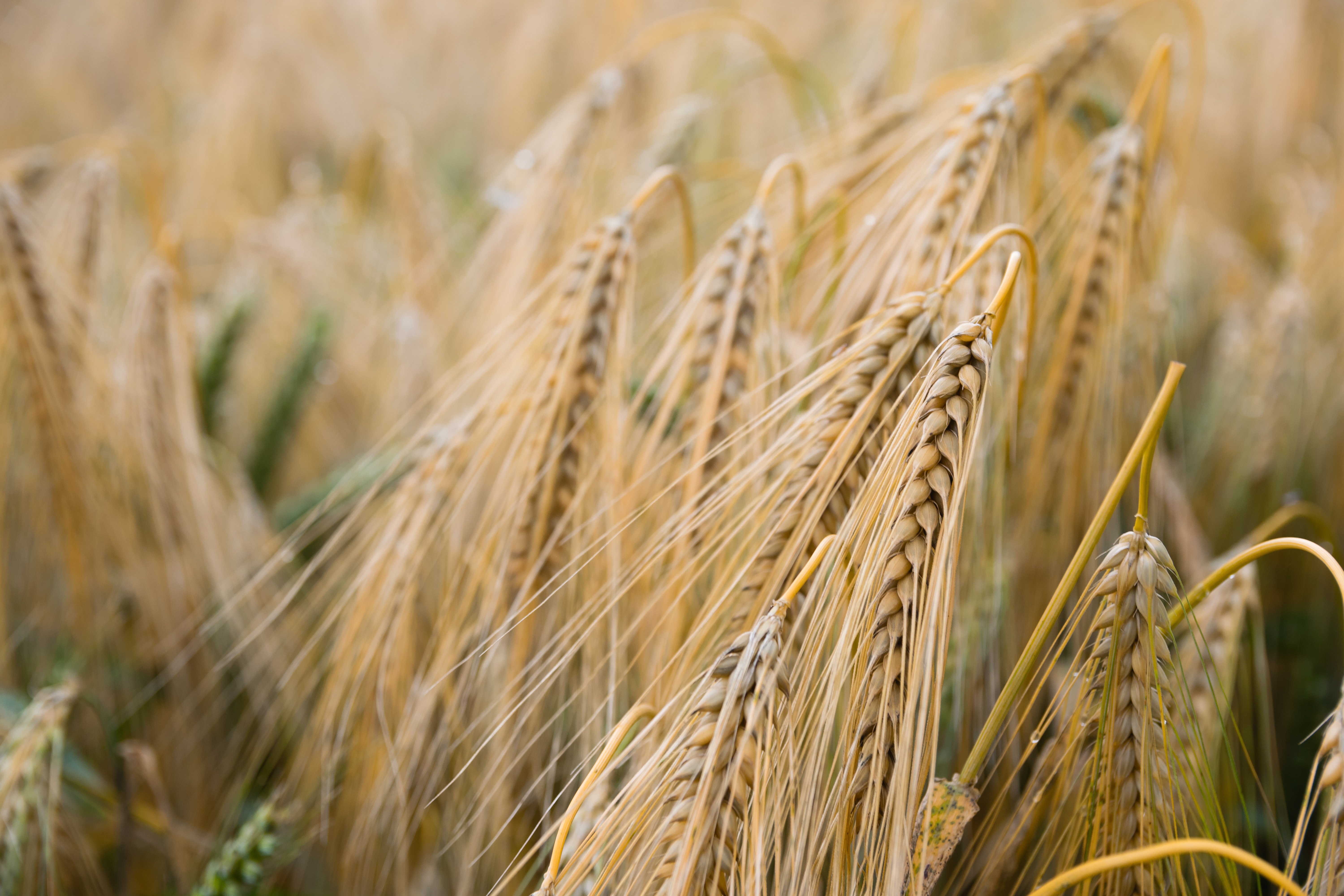
The state’s wheat crop had better-than-expected results because of precipitation during harvest, according to the Oklahoma State University (OSU) Extension. But it still had below-average production and Mike Schulte, director of the Oklahoma Wheat Commission, said production was based on location and wetter conditions would be welcome.

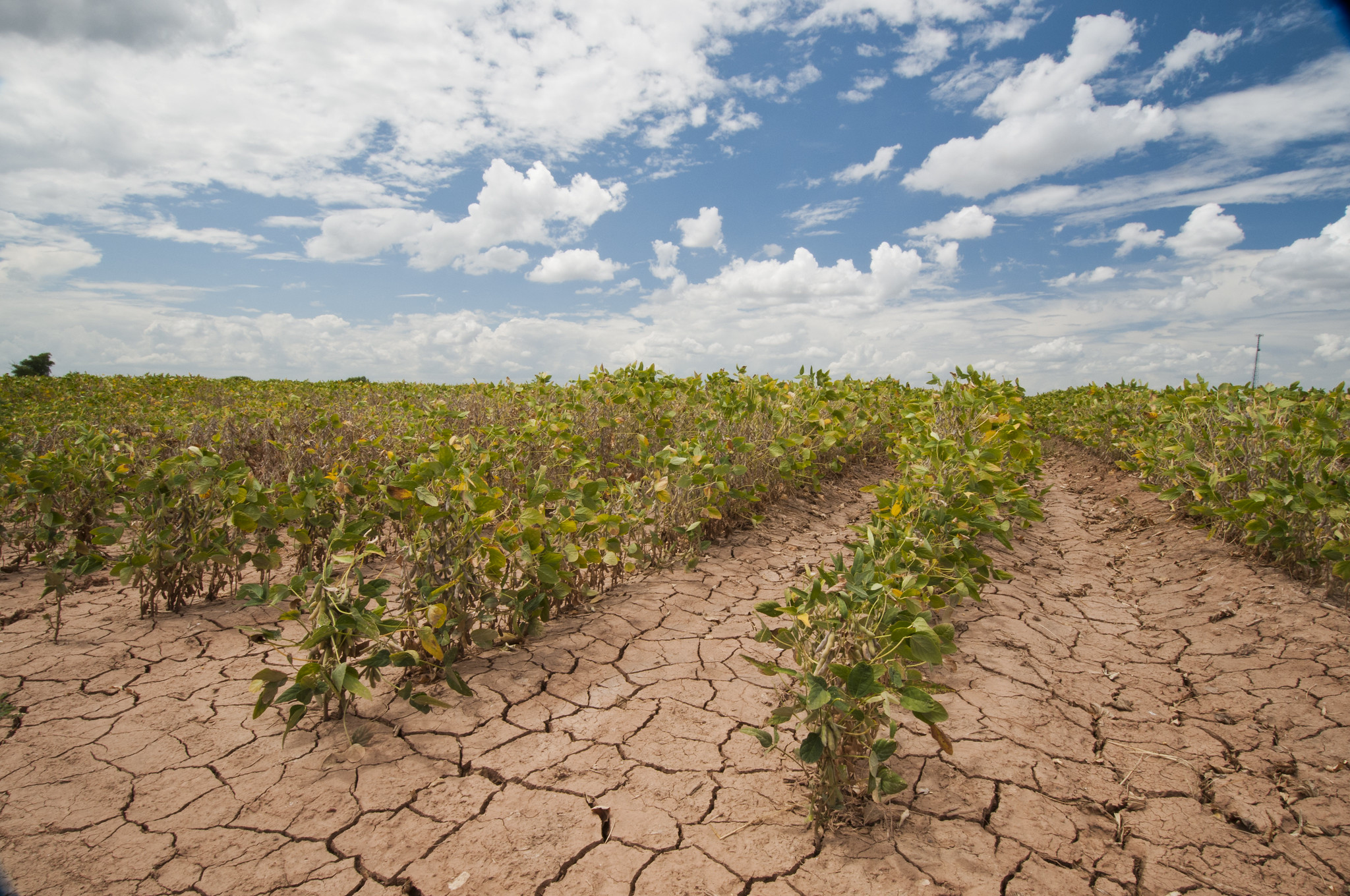
“Well, it was a really tough year last year for producers overall, just with the long-term drought,” Schulte said.

Recently, cotton producers finished their harvest and while the yields are below average, Oklahoma ranks 10th for cotton exports nationally, according to the Oklahoma Department of Agriculture Food and Forestry.

Harvey Schroeder, the retired executive director of the Oklahoma Cotton Council, said farmers planted about 570,000 acres of cotton in the state and about half was harvested.

“Dryland cotton crops are made off of wet winters,”Schroder said. “Where the winter puts down a moisture and then you have a subsurface moisture you can live on for quite a while.”

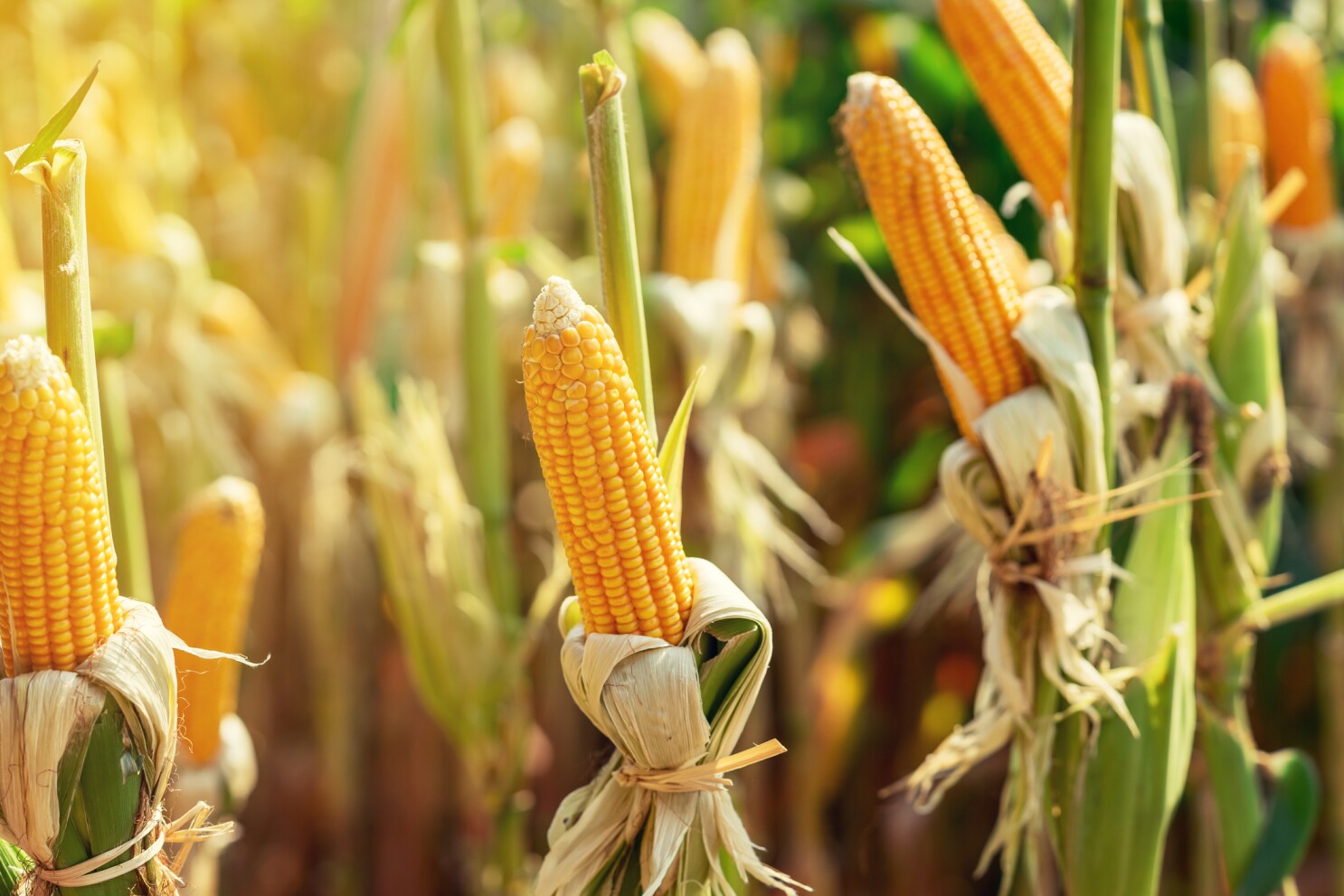
Although a couple of crops had below-average production, Kim Anderson, an OSU extension crop marketing specialist, said prices remained high. He also said some crops had different outcomes because of rainfall. For instance, soybeans had a relatively low yield and corn had above-average yields.

“Looking at our major crops, on every one of them is the weather variability that was the big thing,” Anderson said.

In Oklahoma, there is a wide range of weather during the growing season, especially for wheat because it is planted in the winter and harvested in the summer. Anderson said more precipitation could help ease the impacts of drought from the past several years and provide moisture deeper in the soil.

El Niño is expected to go through the winter and last until April, according to the National Weather Service Climate Prediction Center.

Source - https://www.kgou.org

02.09.2026

Philippines - Bayambang declares state of calamity over P31-M agricultural losses

The municipal council of Bayambang has placed the town under a state of calamity after Tropical Storms “Luis” and “Maymay” and the enhanced southwest monsoon, or habagat, caused more than P31 million in agricultural losses.

02.09.2026

USA - Lynndyl farmers assess crop losses after 100 mph winds and hail

Farmers in and around Lynndyl are beginning to assess severe losses after a powerful weekend storm ripped through fields with destructive winds and hail just as some crops were nearing harvest.

02.09.2026

USA - New Insurance for Breeding Heifers

New LRP Coverage Aims to Reduce the Risk of Retaining Heifers for Breeding.

02.09.2026

Corn's $6 Surprise Could Change the Profit Math for U.S. Farmers

Corn may already be worth more than the board suggests as farm payments and incentives add about 52¢ per bushel to producer revenue.

02.09.2026

Philippines - Iloilo turns over P10M for farm, fishery insurance

The Iloilo provincial government has turned over P10 million to the state-owned Philippine Crop Insurance Corp. (PCIC) to expand insurance protection for farmers and fisherfolk vulnerable to losses from El Niño, La Niña, typhoons, pest infestations and other calamities.

02.09.2026

India - AP sees 1,263% rise in non-loanee crop insurance

The State witnessed a remarkable 1,263% jump in non-loanee farmer registrations, with their participation rising from 2 lakh in the previous Kharif season to 25.26 lakh farmers this year.

01.09.2026

South Africa - Grain SA calls for affordable crop insurance as dry weather threatens Swartland wheat

Severe rainfall shortages threatening the Swartland wheat crop have highlighted the need for government support to make crop insurance affordable for dryland producers.

01.09.2026

USA - Florida farms face nation’s highest disaster loss rate

Natural disasters destroy billions of dollars in U.S. agricultural production each year. From drought and wildfires in the West to hail in the Midwest and hurricanes in the Southeast, farms lose an average of $5.1 billion in crops and livestock annually, according to the Federal Emergency Management Agency.