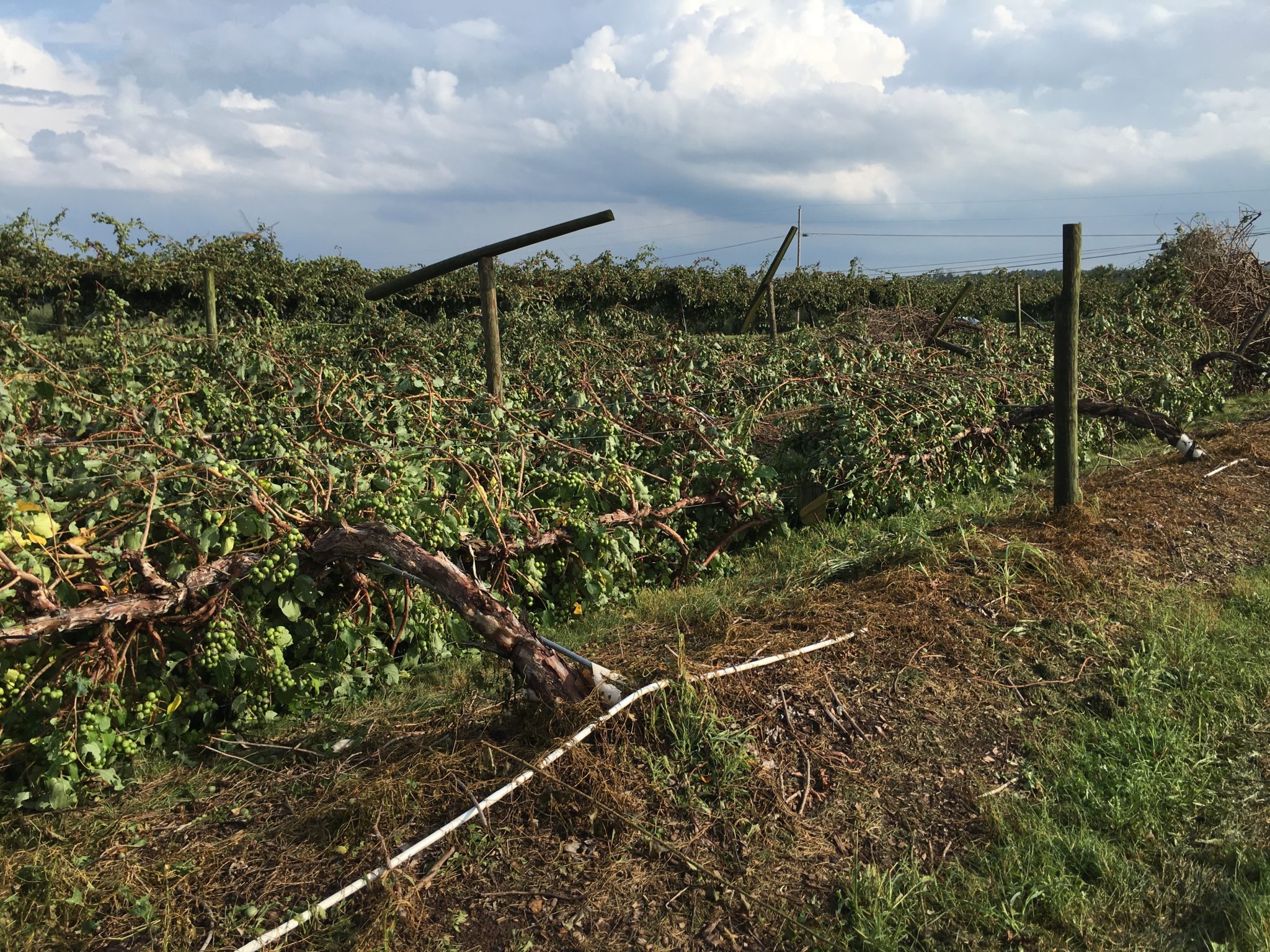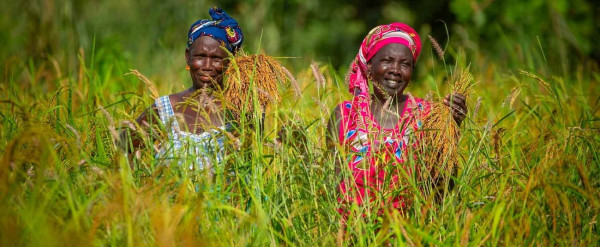
With the National Weather Service warning of an imminent heat wave with temperatures reaching above 110°F in some areas of California for an extended period, growers and shippers weigh in on its effects on various commodities.
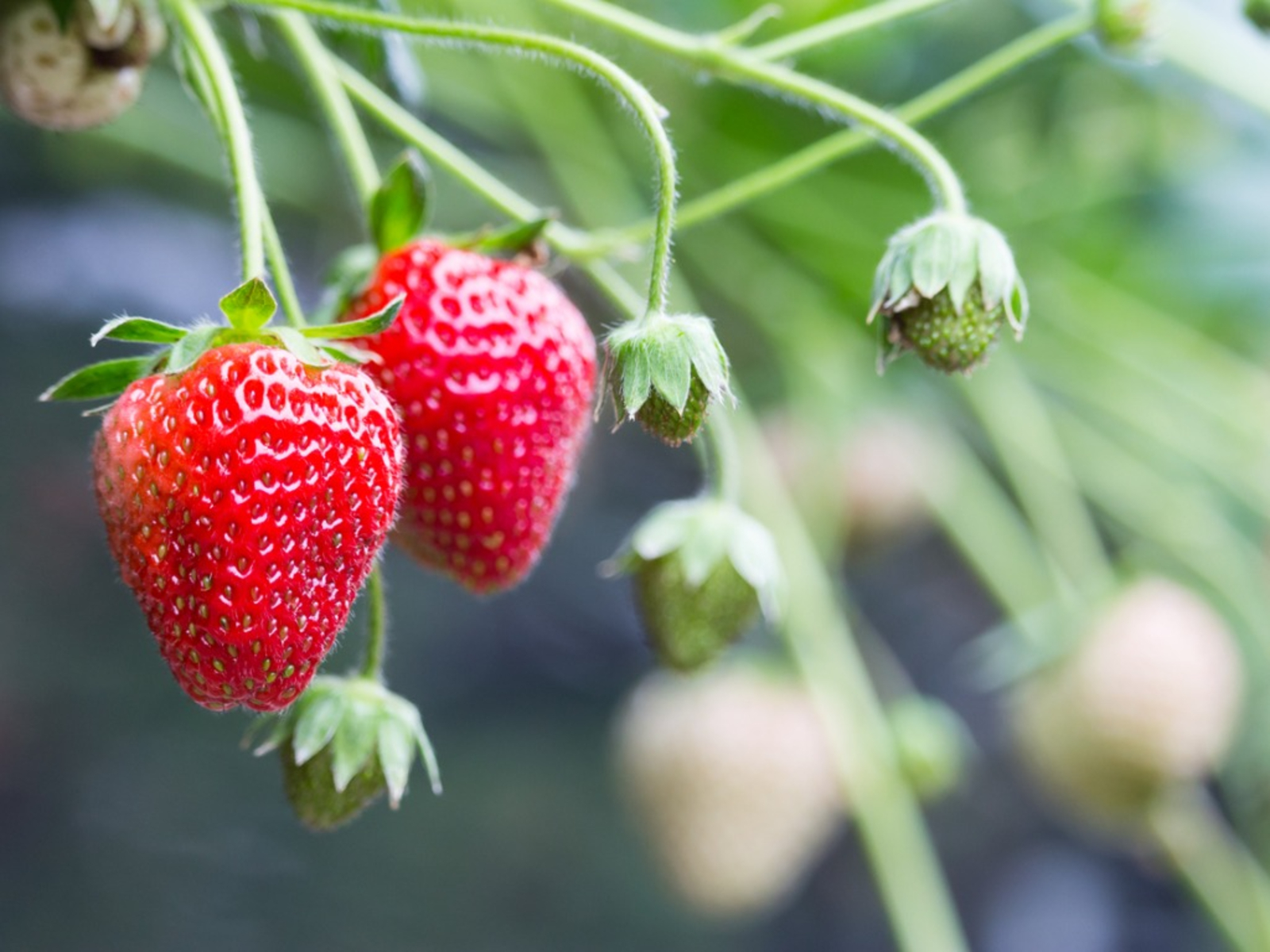
Strawberries: Tuesday morning, the California Strawberry Commission issued a high heat advisory for several California strawberry-producing regions.
"We are currently harvesting strawberries in Santa Maria. Thankfully, our fields are along the coast, so we benefit from that coastal breeze and cooler temps than some of the inland fields," said Cindy Jewell of Bobalu. The grower-shipper's harvest schedule does start early in the morning and it will implement heat prevention practices as well to protect employees.
"This heat is going to last longer than it normally does. Usually, it's three or four days but this forecast is for 10 to 12 days, which I have never seen before," says Steve Johnston of G.W. Palmer & Co. Inc.
As for the berries, June has already been sunnier than normal. "We're at the longest day of the year and that's when you start to see trouble in strawberries," he says. "The berries are medium-sized right now and they're showing bruising before we get into the extended heat wave. It's going to be a tough task to deliver a good berry here once we get in the middle of it."
In turn, this has increased the strawberry market and there will be pressure now on shippers to raise pricing. Right now, pricing is $12-$14 with some shippers higher than that. "Retail is going to be high and quality will be low," says Johnston.
As for demand, the heat though may boost demand somewhat for the July 4th holiday and beyond, even though the holiday isn't typically a strong strawberry consumption holiday. "When the weather is warm, people do eat strawberries," says Johnston.
Avocados: "The California avocado harvest was going at full steam leading into the supply period for the July 4th holiday, so we do not anticipate the heat wave to have any impact on avocado supply from California," says Terry Splane, vice president of marketing for the California Avocado Commission. "In general avocados grown locally in California prefer milder sunny days, and most of the growing regions are expected to have temperatures in the 80-90 degree range. In some spots, the forecast currently tops 100 degrees so there may be some days around the holiday when growers avoid harvesting."
As for demand, Splane says it usually slows slightly right after major holidays anyway. "We're hoping for no sudden heat spikes or temperatures higher than forecasted. The season for sustainably farmed California avocados is expected to continue into August."
Grapes: The heat wave shouldn't have an impact on grape supplies. "We're well into veraison, which makes the grapes much more tolerant of significant heat," says Jim Beagle of Grapery. "With all the investments we've made in irrigation systems and technology, rootstocks, and trellis systems, our vineyards can handle the heat better than ever."
He does add that the hot weather around the country should drive up fresh produce sales particularly so for the 4th of July holiday and it is expecting very strong demand on grapes through this week.
Vegetables: "The coming heat wave may not affect us too much, mostly because we will finish up our season early next week before we see any extended temperatures," says Derek Vaughn of Johnston Farms. "Most of the summer potatoes and peppers in Kern County will finish next week, so I don't anticipate too much damage on the little amount of product left in the ground."
At Babé Farms, Brad Kuhlman says the heatwave will pose a challenge to growers due to the increased respiration of plants. "We're planning to stay on top of irrigation to try and minimize any damage to our delicate specialty crops. We are optimistic that our Coastal influence will minimize the severity of the heat wave," says Kuhlman.
He adds that another point of concern is overproduction. "Hot weather can speed up plant growth so we may have to adjust our harvest schedule and stay in communication with our sales department about any increases in weekly volumes," says Kuhlman.
At Baloian Farms, it's currently harvesting and packing green bell peppers, eggplant, hard squash, and red onions from the San Joaquin Valley and it will start red peppers from the valley soon. While some 100°+ weather this summer has already been seen, it's the prolonged heat wave for 110°+ for the next 10 days that's the concern.
"The heat will affect production and quality. Peppers will see issues with sunburn, where the peppers are exposed to the sun, spots develop and cause issues with the outer skin of the pepper," says Jay Angulo of Baloian Farms. "Also, with the heat, peppers can develop calcium deficiency where the plant protects itself, pulling energy from the fruit. This will also cause spotting similar to sunburn. The prolonged exposure to high heat can also make the pepper soft and cause shriveling."
When the product develops those types of defects, that means it must pack them into a #2 box or may not even be packable at all. This can affect the volume of supplies available and create shortages.
All eyes are also on crews working the fields. For Baloian, its crews will likely only be able to work ½ days. "We will have to pull the crews early for their health and safety. Working the fields is a hard job as it is. Working in 110°+ weather just exacerbates that even further," says Angulo.
Source - https://www.freshplaza.com