Uganda - The farmers’ battle against pests, weeds

12.02.2024 1342 views

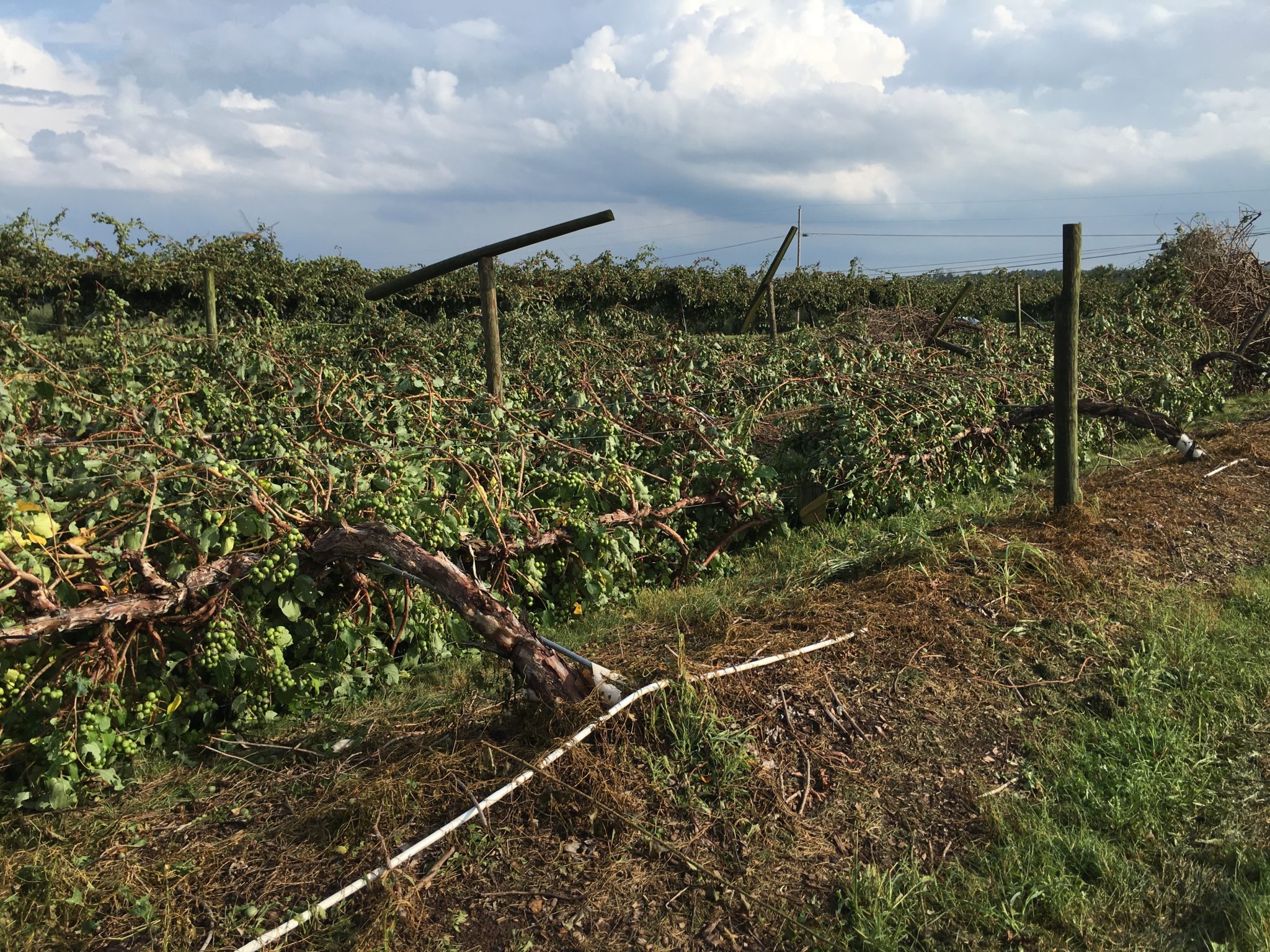
The climatic conditions along the equator are said to be quite favourable to the multiplication of parasites and pests that farmers must continuously fight.

According to the Food and Agriculture Organisation (FAO) pests and other vectors account for 20 to 40 percent of food loss annually.

To fight the pests, weeds, and parasites most farmers use agrochemicals manufactured to protect crops and livestock from disease.

Yet on January 17,2024 the committee appointed by Frank Tumwebaze, Minister of Agriculture, back in September 2021 to investigate the efficacy of the chemicals, released its report which indicated that some of the agrochemicals sold in Uganda are counterfeit. It called for stringent measures to prevent the position from getting worse and to sensitize farmers more about proper application of agrichemicals.

The report also mentioned the presence of pests and crop diseases that have no known chemical cure and are fast wiping out major food and cash crops such as banana, sweet potato, cassava, Irish potato, maize, and Robusta coffee among many others. Who can imagine Uganda without those crops? The committee composed of eminent scientists and other professionals reported that banana bacterial wilt disease causes the loss of seven out of ten expected bunches, resulting in annual economic losses of approximately $299.6m.

"The sweet potato weevil and virus infestation cause a total loss of approximately $6.7m. The late blight disease that has become resistant to herbicides affects six out of every ten Irish potatoes, yet the national demand for the crop in 2015 was up to 1,000,000 metric tonnes. The Cassava Brown Streak Disease and Cassava Mosaic are reducing cassava production and the country is producing a mere 6.7 million tonnes annually compared to a potential 30 million tonnes. Similarly, due to drought and pests, Ugandan farmers' average maize yield is 2.7 tonnes per hectare, compared to a potential 9 tonnes per hectare.”

The committee report further says that livestock represents about 16 percent of the agricultural GDP and about 4 percent of the national GDP.

However, the country continues to experience recurrent outbreaks of endemic, emerging, and re-emerging animal and/or human diseases including African Swine Fever (ASF), Peste des Petits Ruminants (PPR), Foot and Mouth Disease (FMD), Lumpy Skin Disease (LSD), sheep and goat pox virus, brucellosis, hemorrhagic fevers including Ebola and highly pathogenic avian influenza hemorrhagic fever (CCHF), ticks and tick-borne diseases, anthrax, and rabies.

Source - https://www.monitor.co.ug

28.04.2026

Philippines seeks 500 million USD for engineered bamboo development

The project is currently at the concept stage, with feasibility studies expected to take five to six months and overall preparation about a year. Implementation could begin in 2027, pending loan approval.

28.04.2026

Insurance compensation of 186,000 manats paid to tobacco farmers in Azerbaijan

To date, 186,000 manats of insurance compensation have been paid to farmers and farms in the tobacco industry in Azerbaijan.

28.04.2026

USA - Climate Disasters Are Straining Hawaii’s Insurance System

Frequent and costly disasters are driving up premiums and leaving many properties uninsured or underinsured. 

28.04.2026

Brazil - São Paulo releases R$400 million in rural credit in a record package for farmers, agricultural insurance, machinery, and land regularization

The package announced at Agrishow in Ribeirão Preto combines rural credit, agricultural insurance, land tenure regularization, mechanization, inclusion of women, innovation, and environmental actions, with R$ 455 million in investments aimed at strengthening São Paulo’s agribusiness.

28.04.2026

When will Moldovan authorities announce a call for applications for subsidizing agrarian insurance?

To date, the MAIA Ministry of Agriculture and Food Industry has not yet announced the start of the next stage of accepting applications for subsidies under agricultural risk insurance contracts concluded in the fall and winter period. While waiting for this announcement, some insurance companies are being "restrained" in the agricultural segment - they insure only livestock farms and perennial crop plantations of their regular customers.

28.04.2026

USA - USDA just doubled disaster payments, and gave farmers until August 12

SDRP disaster payment farmers 2026 just got a major upgrade. Agriculture Secretary Brooke Rollins announced on April 24 in Higginsville, Missouri that USDA is raising the Supplemental Disaster Relief Program payment factor from 35 percent to 70 percent. 

27.04.2026

India - Crop Ruined by Parrots is 'Damage by Wild Animals', says HC; Gives Relief

Holding that citizens cannot be forced to bear losses caused by protected wild animals, the Nagpur Bench of the Bombay High Court has ruled that denying compensation to a farmer merely because parrots were omitted from a government list would breach principles of equality. 

27.04.2026

The World Bank: Agri-risk management in Bulgaria

CAP has steered Bulgarian agriculture toward greater resilience, but the sector continues to suffer from an absence of a comprehensive risk management strategy and limited research on internal and external risks, the report concludes.