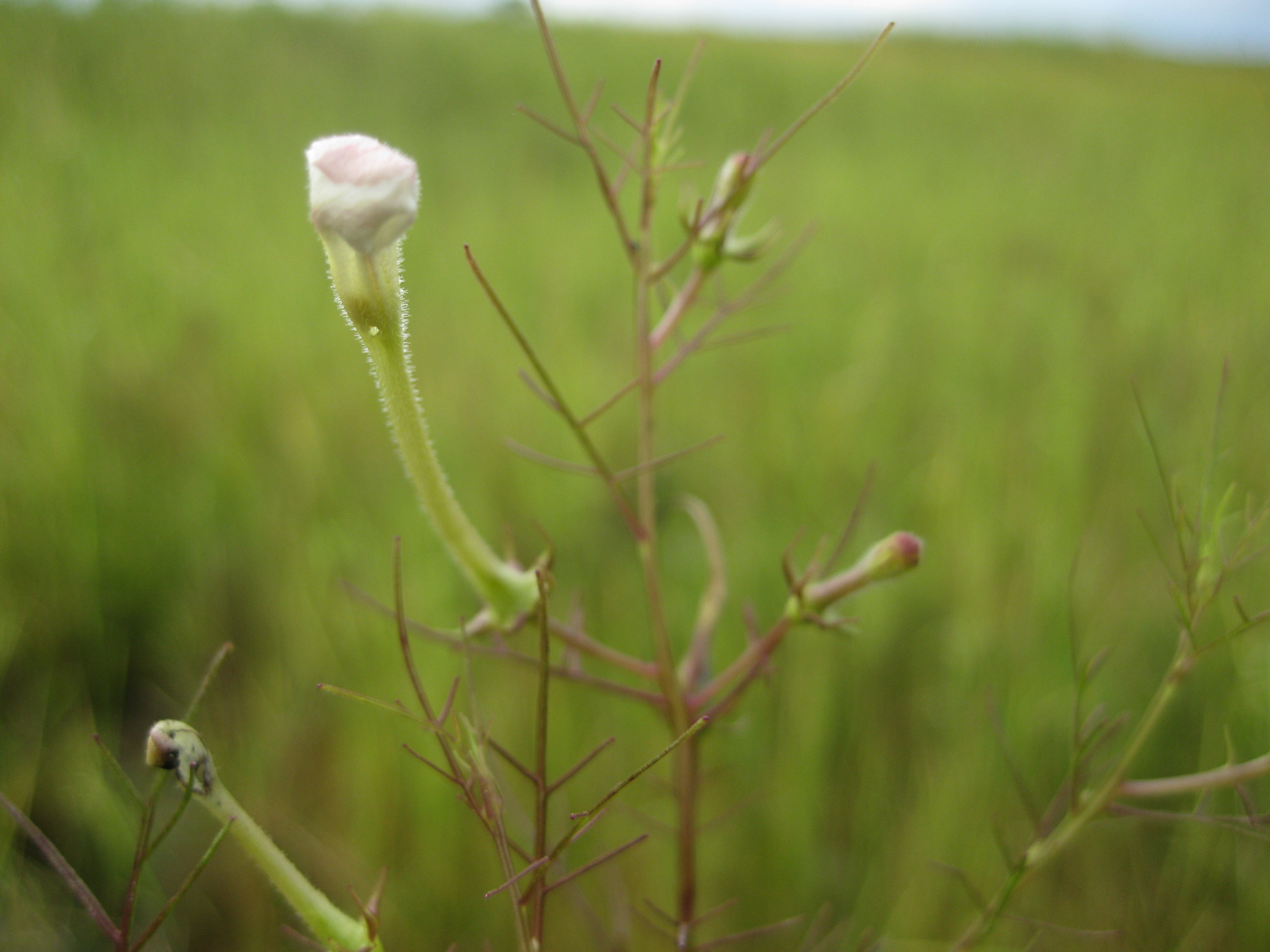
Rice vampireweed (Rhamphicarpa fistulosa) a facultative, parasitic weed that grows on rice in Africa, affected more than 140,000 farm households and caused losses worth $82 million per year to the continent’s economy, a new report showed.
Researchers Jonne Rodenburg and Lammert Bastiaans reviewed the literature since the last review in 2014 (J Rodenburg & et al) to report on research progress and to comprehensively inform the crop protection research community and extension services on the newly gained insights on R. fistulosa. The study was published in Crop Protection, July 2024.
R fistulosa is found in at least 35 countries in Africa, with 28 of them home to rainfed lowland rice areas. This is the agricultural environment where the parasite can emerge as a serious problem.
The area infested by R fistulosa was estimated to be 225,000 hectares and affecting an estimated 140,000 farm households, according to the report published in Crop Protection journal.
Countries with the highest estimated infestation rates were Gambia, Senegal, Burkina Faso, Togo and, to a lesser extent, Mauritania, Guinea-Bissau, Benin, Malawi and Tanzania. Africa-wide impact of the parasitic weed was estimated to be 204,000 tonnes of (milled) rice grain losses, worth $82 million.
The worst-hit country in terms of production losses was Nigeria (80,000 tonnes). Other countries with important grain production losses were Mali (21,000 tonnes), Guinea and Tanzania (nearly 20,000 tonnes) and Madagascar (15,000 tonnes).
In addition, alongside a projected increase in infestation area by 2 per cent each year, the economic impact is expected to rise by $12 million per year, the researchers estimated.
They cautioned that these impact figures are only available for rice. However, R fistulosa also affects sorghum and maize and, potentially, other cereal crops. Although infestation in other crops does not seem to be as common as in rice, the total economic losses inflicted by this weed may be higher.
Weeds constitute important production constraints to rice in particular in Africa. As yet, R fistulosa is not controlled by fertilisers. However, early sowing decreased infection by this parasite, studies showed. Rice cultivars NERICA-L-40 and -31 were identified as resistant and high yielding under R fistulosa infested conditions.
The New Rice for Africa (NERICA) varieties are the first wide-scale success of crossing of the two cultivated species: Oryza sativa, known as ‘Asian rice’, and O glaberrima, often called ‘African rice’ and found only in Africa. There are two types of the NERICA varieties, upland and lowland, adapted for either rainfed or irrigated environments.
In 2016, an international team of researchers from the Africa Rice Center (AfricaRice), the International Rice Research Institute and Wageningen University raised alarm over the enormous economic impact of parasitic weeds on rice production in Africa.
The study highlighted that parasitic weeds are common and widely distributed production constraints in rain-fed cereal production systems of sub-Saharan Africa.
Source - https://www.downtoearth.org.in