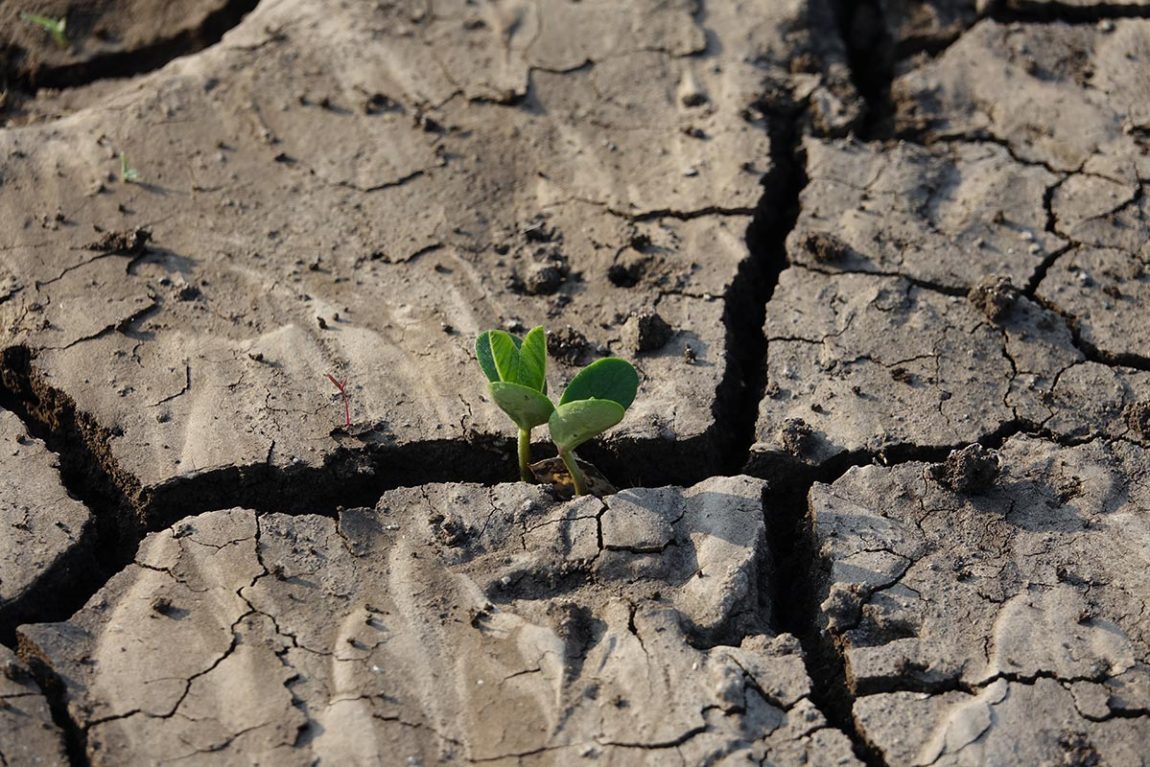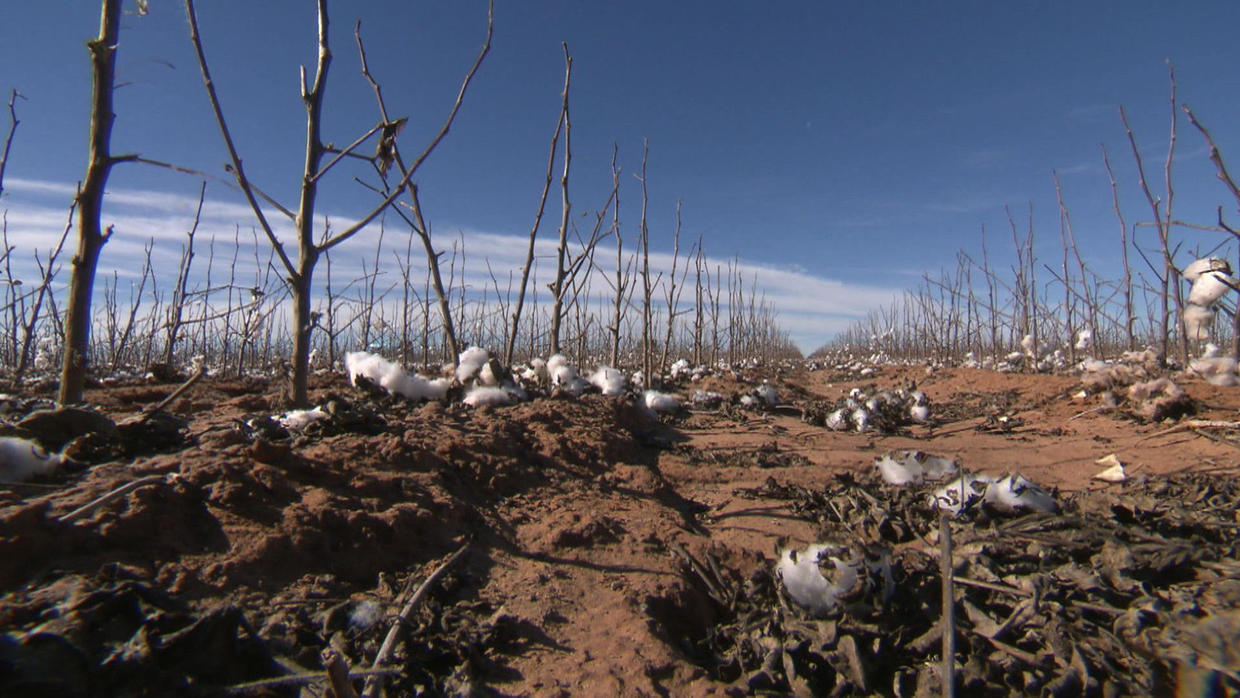
Zimbabwe's once-thriving cotton industry is facing its worst season in years, with production likely to plummet due to the devastating effect of the El Niño-induced drought.
El Niño, a phenomenon, characterised by unusually warm ocean temperatures in the Pacific, disrupts rainfall patterns and often leads to drier conditions, has triggered drought fears in Zimbabwe and southern Africa, threatening food prices and inflation.
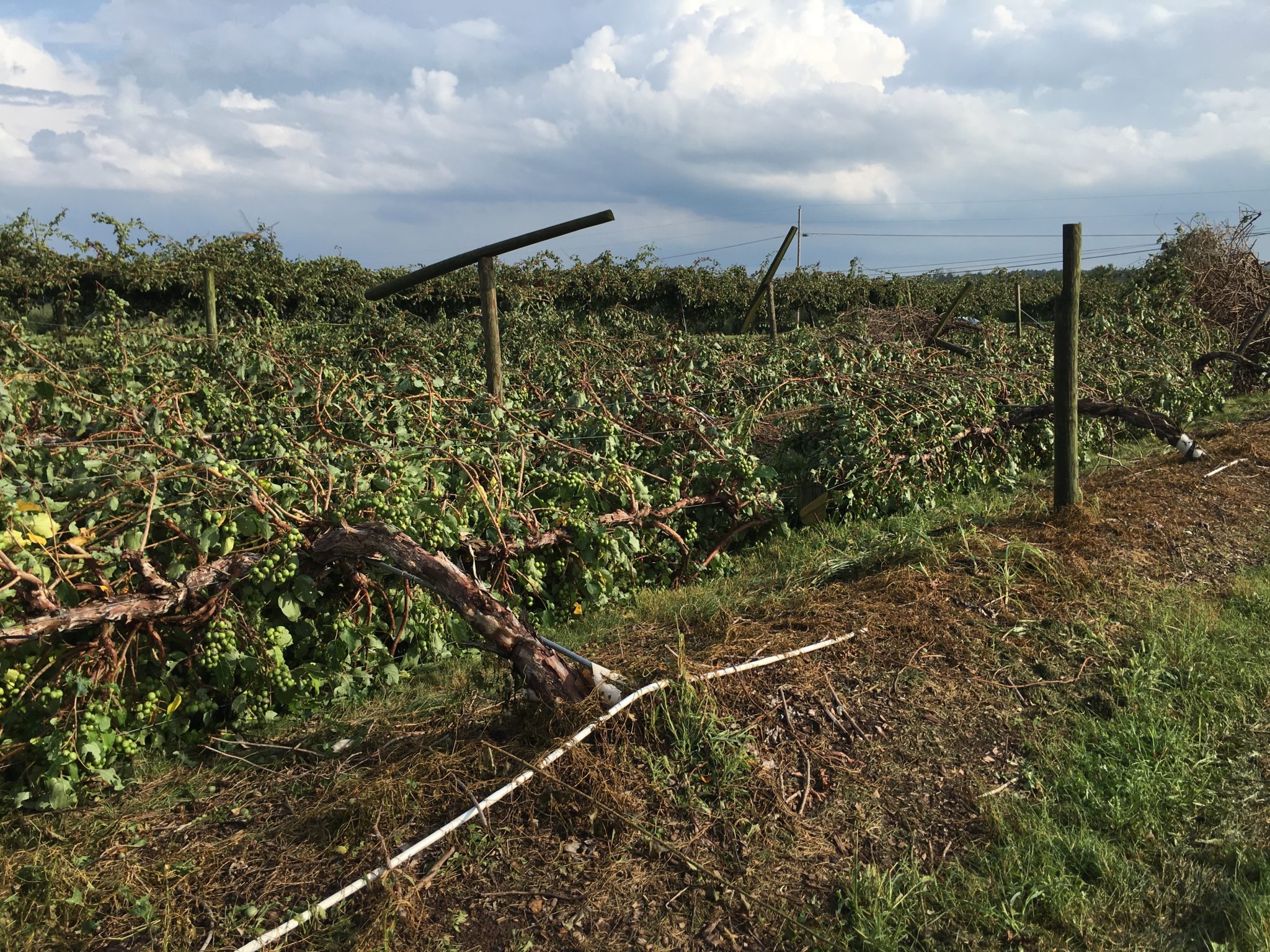
The long dry spell, characterised by high temperatures and erratic rainfall, has crippled the cotton crop, leaving many fields barren.
Last year, Zimbabwe produced about 90 000 tonnes of cotton, primarily cultivated by small-scale farmers participating in the Government's free input scheme.
While farmer organisations have not yet finalised production estimates, they project a significantly lower harvest for this year.
Cotton farmers in Sanyati, Mashonaland West Province, and Gokwe North and South Districts in the Midlands Province said they were grappling with the El Niño drought and were bracing for a record low cotton yield.
"This drought is a devastating blow," said Mr Tavaziva Munherendi, the leader of farmers in the Gambiza-Machipisa area of Sanyati. "My expected yield is barely a quarter of what I harvested last year. Some farmers may not even harvest anything at all."
Mr Elisha Dube, a farmer from the same area, painted a grim picture of the situation, saying he expected a mere three bales this season, a staggering drop from the 27 he harvested last year.
"This year, I am facing a heartbreaking loss," said Mr Dube. "Three bales is all I can hope for, a far cry from the 27 bales I harvested last season."
Echoing similar concerns, the Zimbabwe Farmers Union's national cotton chairman, Mr Ishmael Pande, also a farmer in Sanyati, pointed out that most of the region last received rains in early January.
"We put in a lot of effort to establish the crop, hoping for a good harvest to benefit the economy and create jobs along the cotton value chain," said Mr Pande.
"Unfortunately, the prolonged dry spell severely impacted the crop. This is a double blow since cotton is a crucial cash crop that thrives in regions like Sanyati.
Farmers in Gokwe shared similar experiences. Mr Stanford Kambanje, who farms in the Chinyenyetu area of Gokwe North, recounted receiving the rains mid-January, with no subsequent precipitation.
Gokwe is the country's largest cotton-producing region, accounting for about 30 percent of the national output.
"It has been dry since January 19," said Mr Kambanje, a highly regarded cotton producer in recent years.
Last year, he earned the prestigious Grower of the Year award after a successful harvest of 57 bales. This year, however, the drought has taken a heavy toll, and he will struggle to even reach four bales.
The limited cotton that can be harvested will likely be of poor quality, according to some experts. High temperatures are forcing the bolls to split prematurely while low rainfall creates the ideal conditions for diseases.
Ms Tendai Vherewa from Zhomba, popularly known as Chitekete expressed despair, stating she does not expect any yield from the two hectares she planted. Goats can even be seen roaming freely in her field, a sign of crop failure.
Herdman Siyabuwa Kafunde Simchembo area in Zhomba declared he has never witnessed a drought this severe in his entire lifetime.
"The drought is unlike anything I ever experienced," he said.
Cotton is a vital cash crop for Zimbabwe, generating significant export revenue and supporting numerous downstream industries like textile manufacturing.
The decline in production will not only impact farmers but also have a ripple effect on the broader economy.
Source - https://www.herald.co.zw