Tunisia - Citrus production expected to go down 16%
According to its National Observatory of Agriculture (ONAGRI), Tunisian citrus production in the 2022/2023 season is expected to drop by 16% to 290,000 tons, from 345,300 tons the previous season.



According to its National Observatory of Agriculture (ONAGRI), Tunisian citrus production in the 2022/2023 season is expected to drop by 16% to 290,000 tons, from 345,300 tons the previous season.
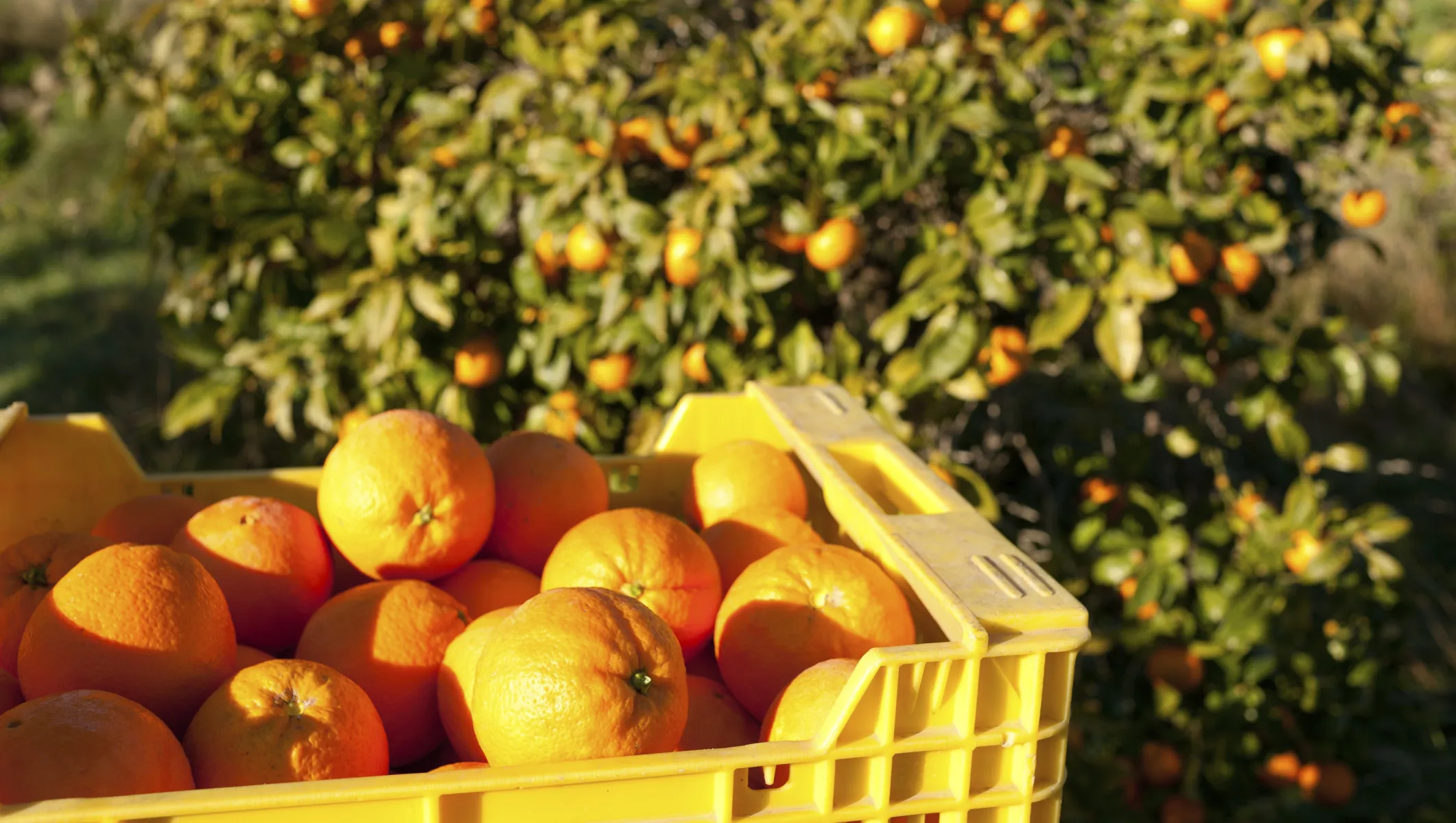
The World Citrus Organisation (WCO) has released its annual Northern Hemisphere Citrus Forecast for the upcoming citrus season (2022-23). The Forecast, which was presented during the third edition of the Global Citrus Congress on 30 November 2022 online, is based on data from Egypt, Greece, Israel, Italy, Morocco, Spain, Tunisia, Turkey, and the United States.
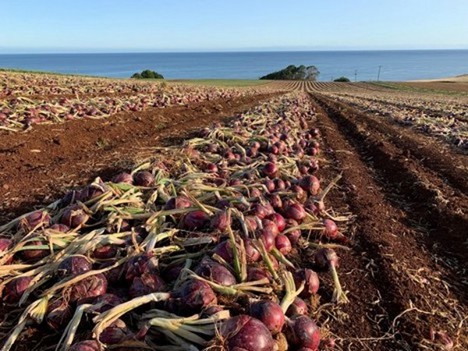
Although Tasmania has not had the extreme weather seen down the east coast of mainland Australia it has still been wetter and colder than normal.This is having an effect on the new season onions. Jim Ertler from Premium Fresh said that although harvest is still a bit away he is not expecting a record harvest.
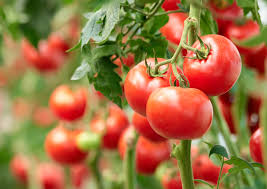
According to reports shared by the European and Mediterranean Plant Protection Organization (EPPO), Finland is one of the latest countries in Europe to join the already long list of places where the Tomato Brown Rugose Fruit Virus (ToBRFV) is officially present.
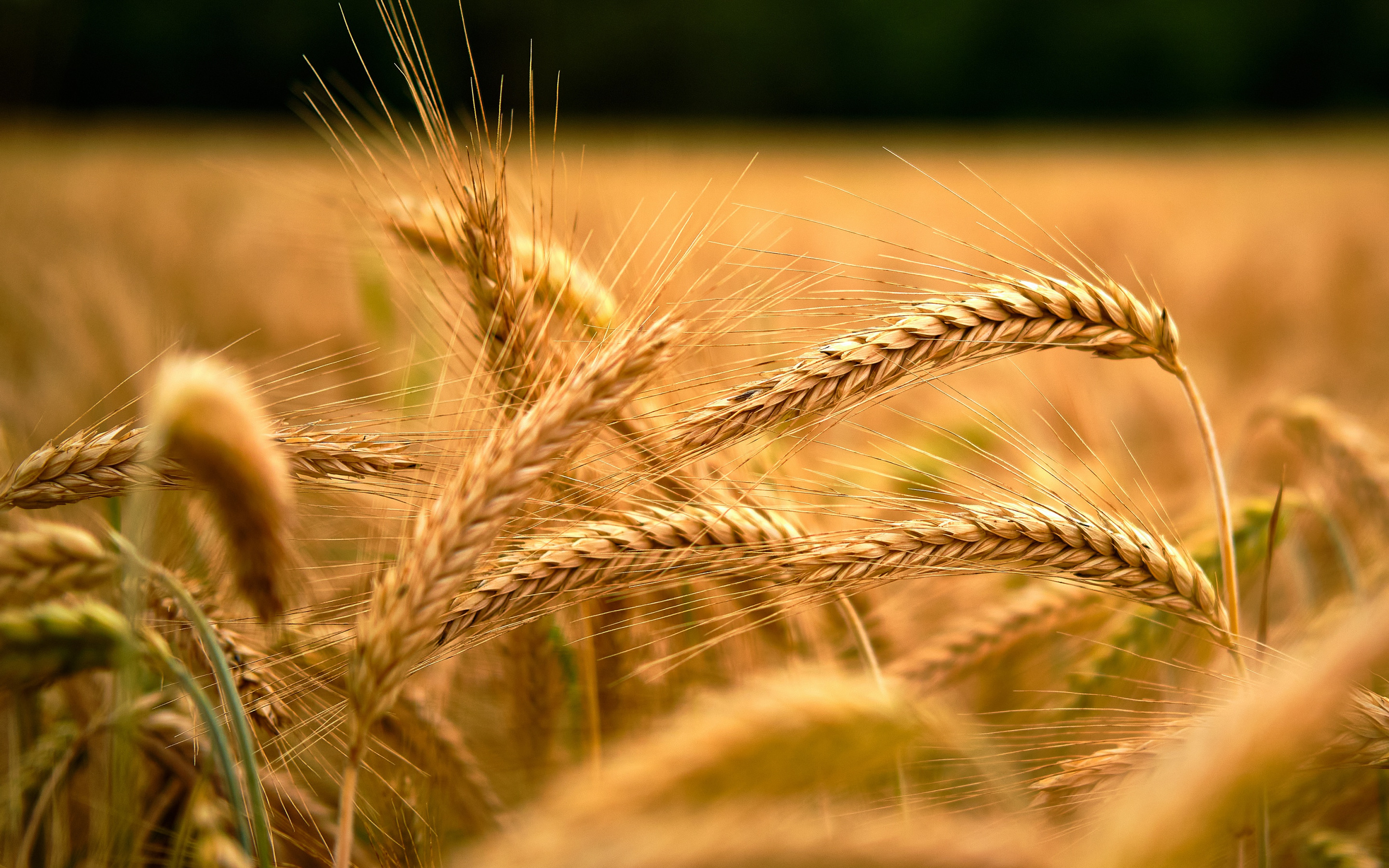
Argentine wheat exports could reach its lowest level in eight years in the 2022/23 campaign at just 6.5 million tonnes, due to the impact of a prolonged drought in the country, the Rosario grains exchange (BCR) said on Friday.
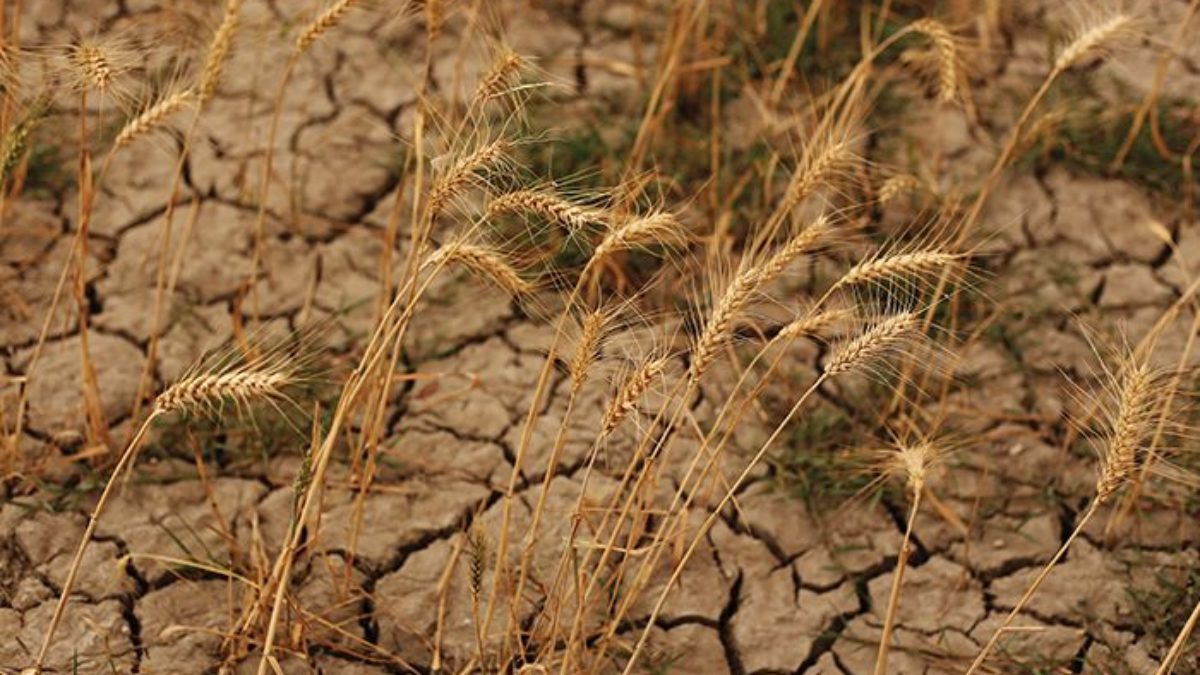
Widespread and worsening drought in the United States clipped summer yields earlier this year, and it now stands to limit output of winter wheat, which is heading into dormancy in near-record poor health.

Under the Pradhan Mantri Fasal Bima Yojana (PMFBY), government is committed to provide comprehensive insurance coverage against crop loss on account of non-preventable natural risks, said the Ministry of Agriculture and Farmers Welfare in a release on Thursday.

“Earlier than usual flooding” stretching from the Prieska to Kakamas areas in the Orange River region of the Northern Cape, have left farmers concerned about the rest of the season.
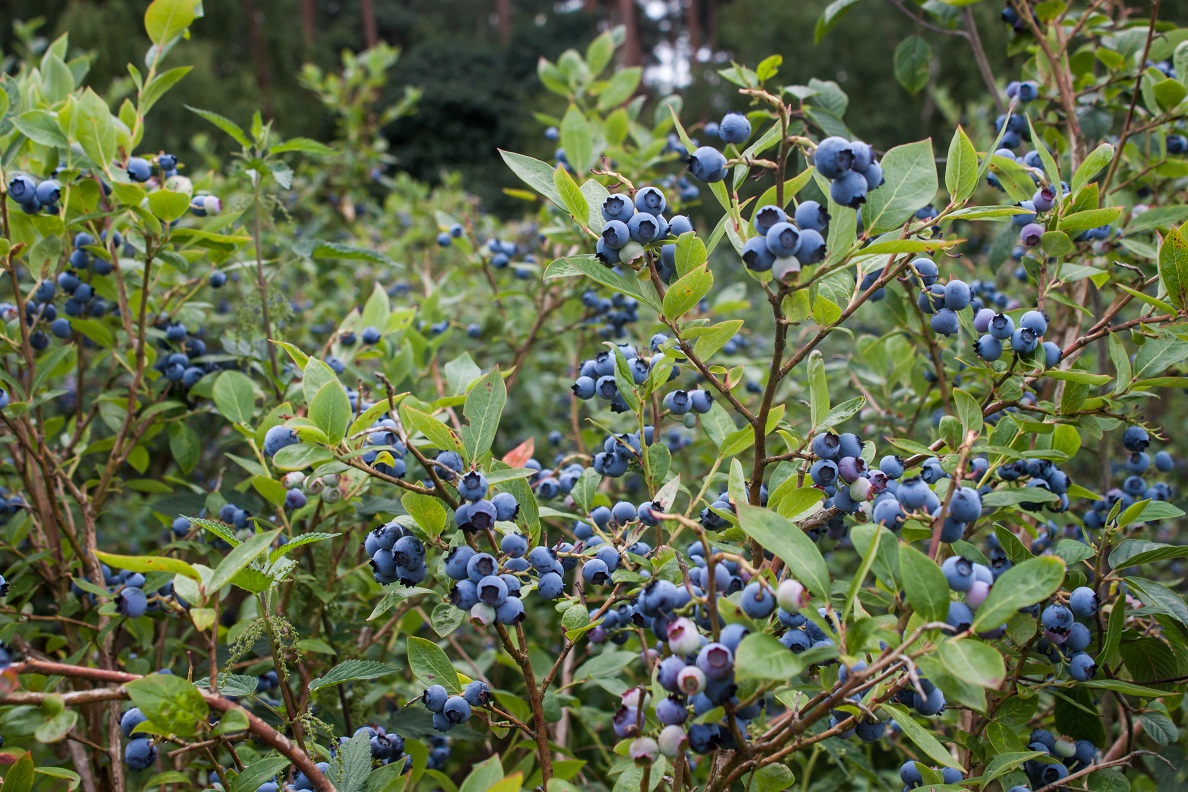
Scientists say earlier harvests and more frequent droughts could soon become the norm as temperatures rise on the blueberry fields. University of Maine research shows those fields are warming at a faster rate compared to the rest of the state as a whole.
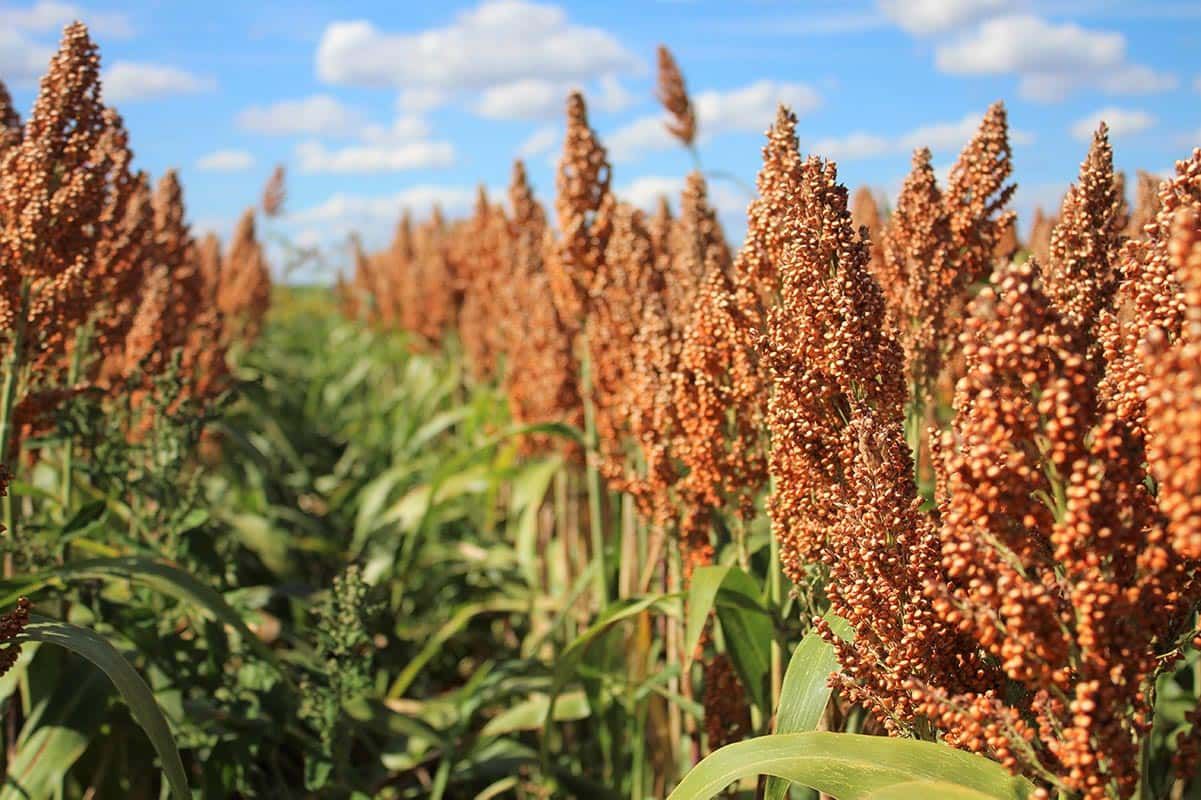
The USDA is enhancing crop insurance for silage sorghum producers by converting the Silage Sorghum Pilot Endorsement to permanent and allowing written agreements. These changes will take effect beginning with the 2023 crop year.
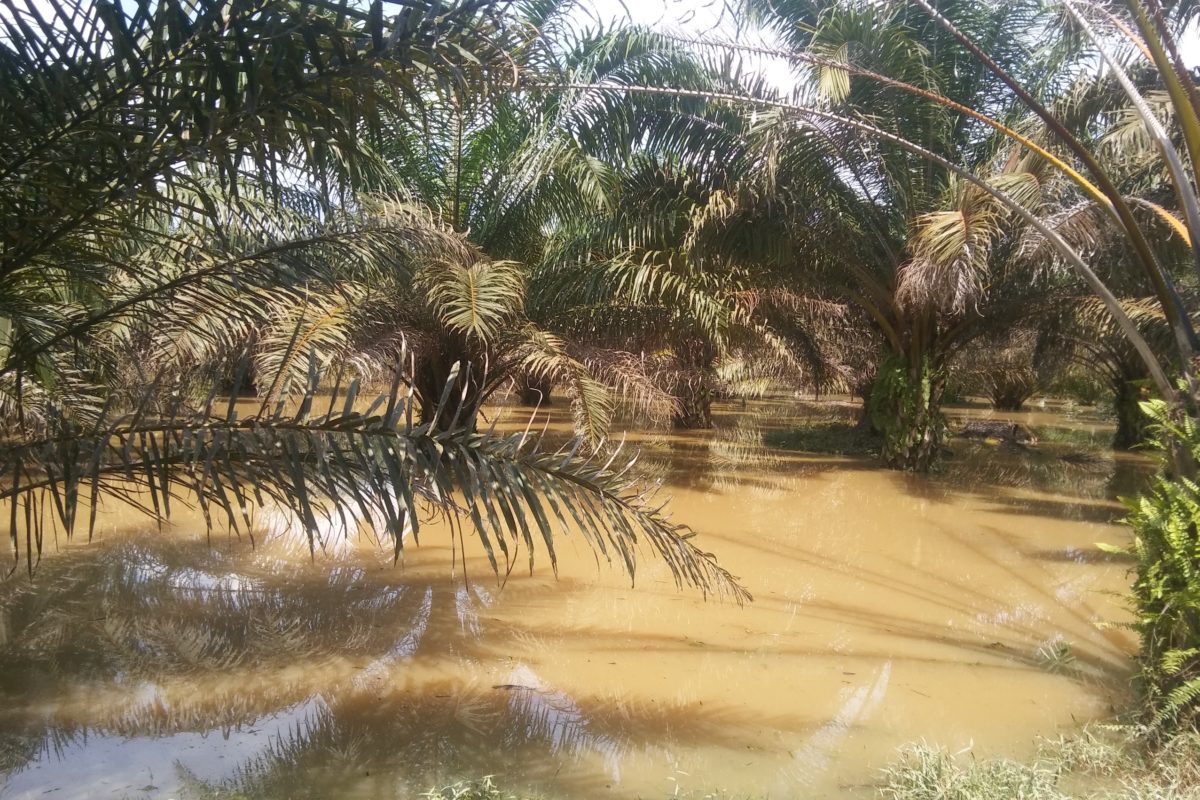
Malaysian palm oil output will likely drop by 5% to 8% in November from the previous month, after heavy rains and floods disrupted plantation operations, according to United Plantations Bhd.
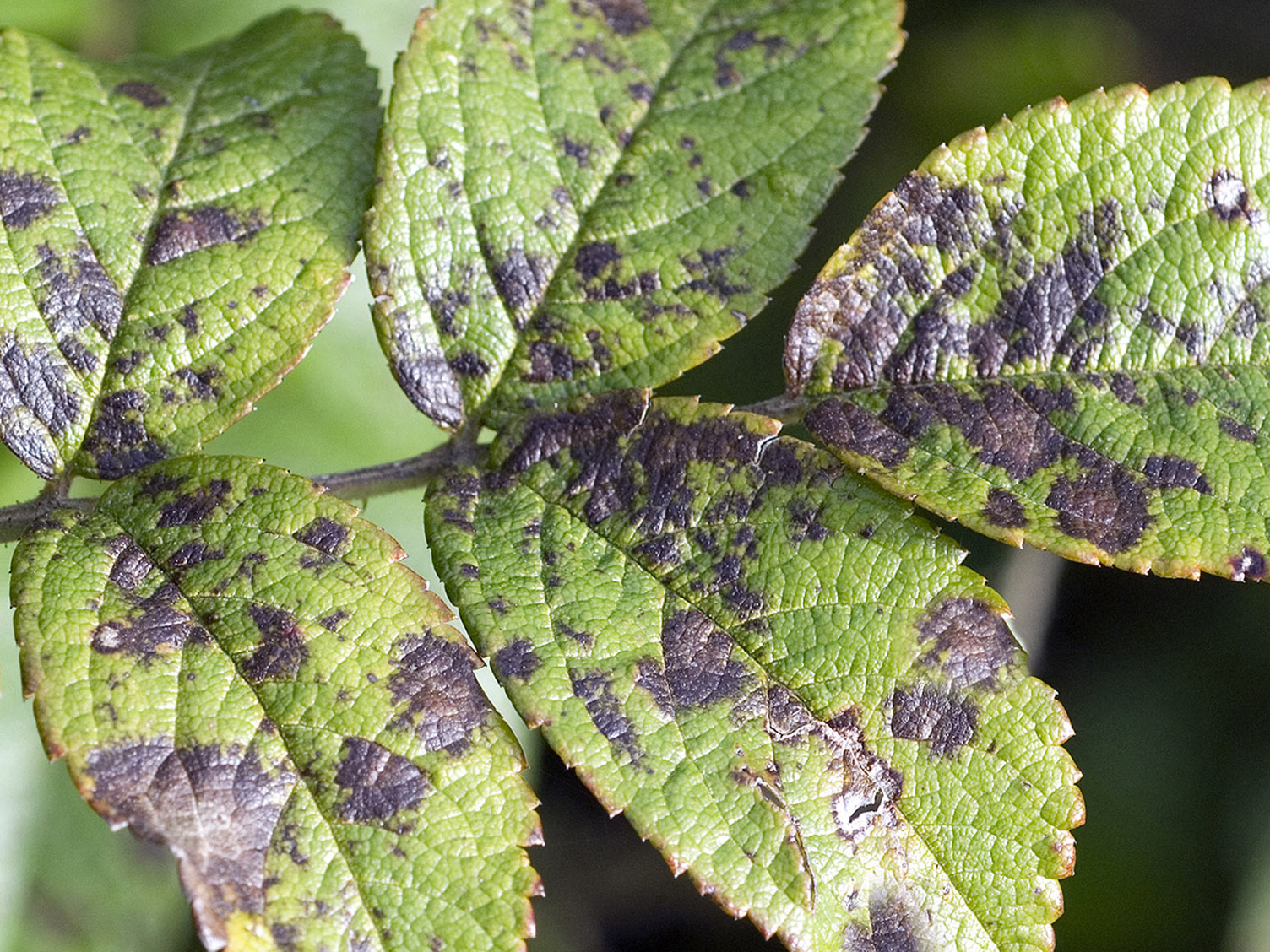
The lotus plant (Nelumbo nucifera) was germinated from seeds that were 1,300 years old and had been recovered from a dry lakebed in northeastern China, causing the Chinese to regard it as a symbol of longevity.

The report notes that specialty crops including fruits, vegetables and nuts make up almost one-third of total crop sales in the U.S., but a large number of specialty crop acres remain uninsured, according to the group.
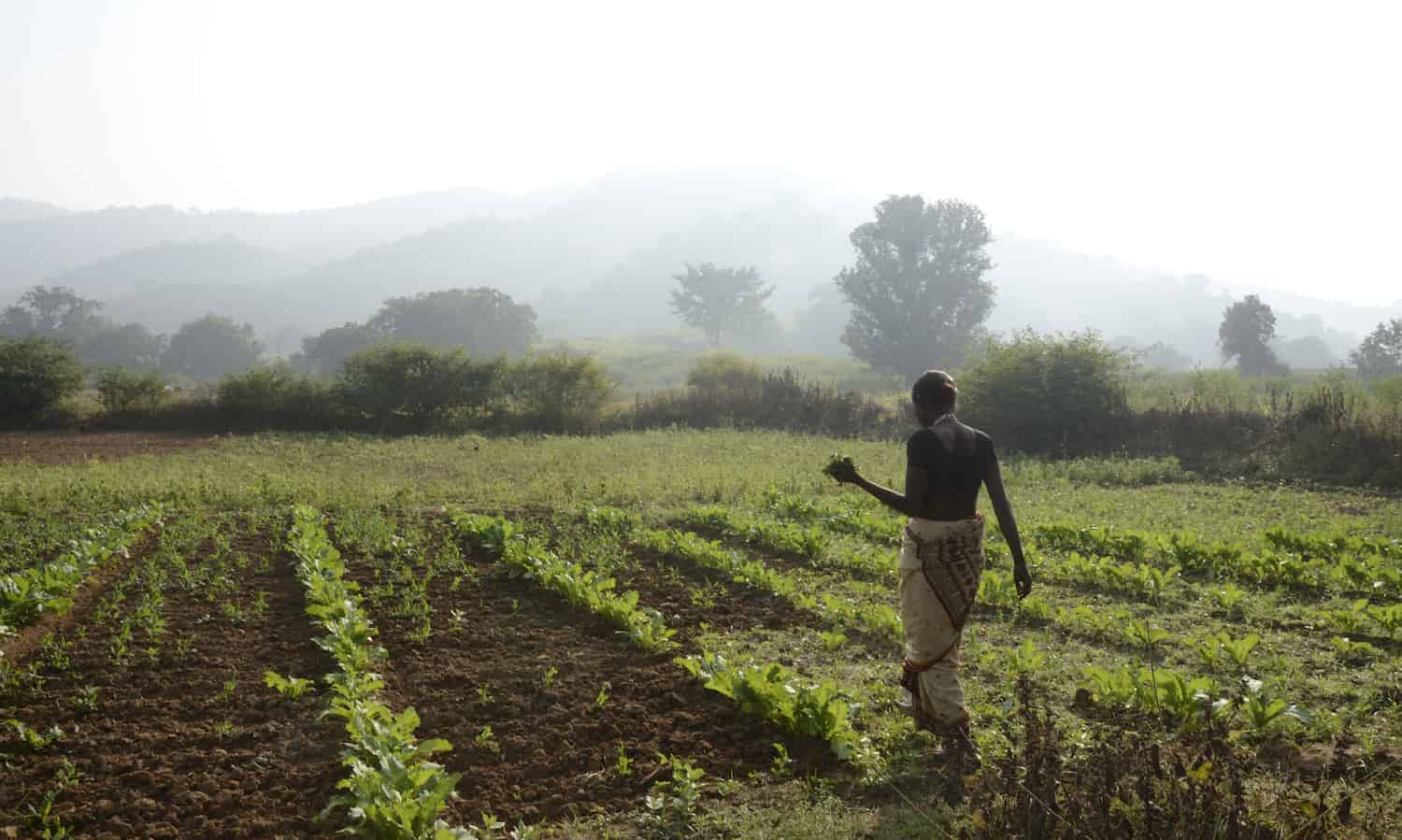
Union Ministry of Agriculture and Farmers Welfare today reiterated that underPradhan Mantri Fasal Bima Yojana(PMFBY), Government is committed to providing comprehensive insurance coverage against crop loss on account of non-preventable natural risks.
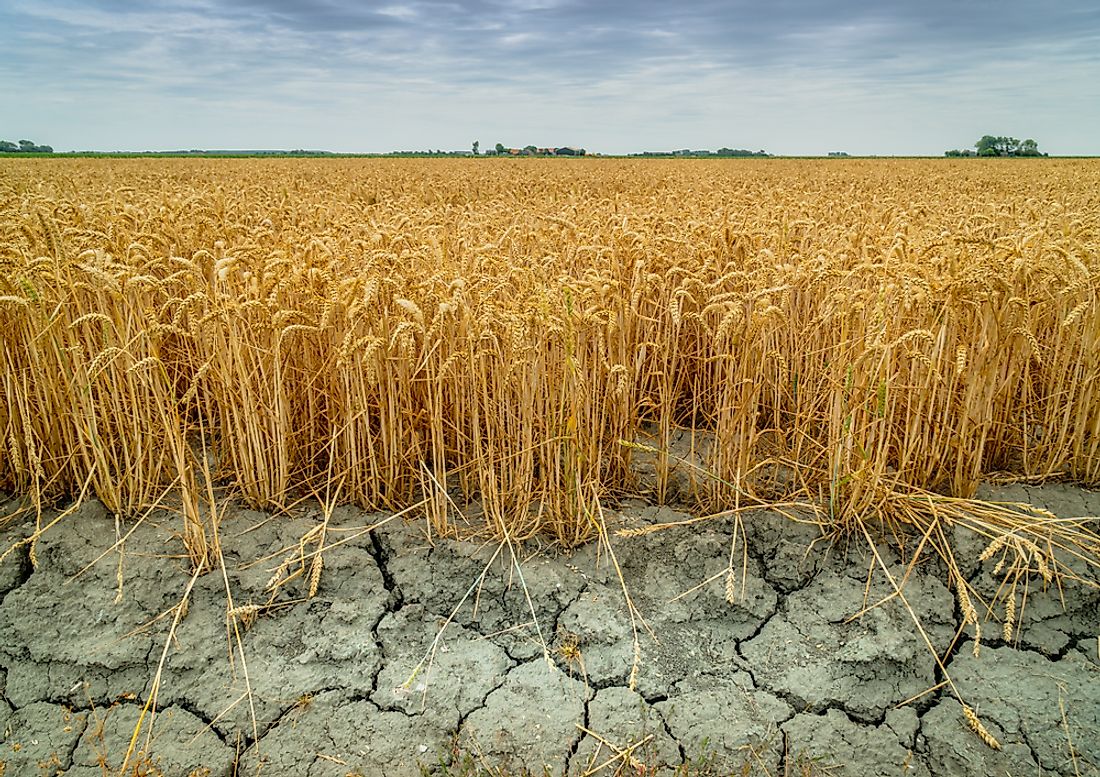
Argentina is likely to witness below normal rains over the next 15 days, leading to further dryness, while heat will continue to stress crops, space technology provider Maxar said in its daily weather report Nov. 29.
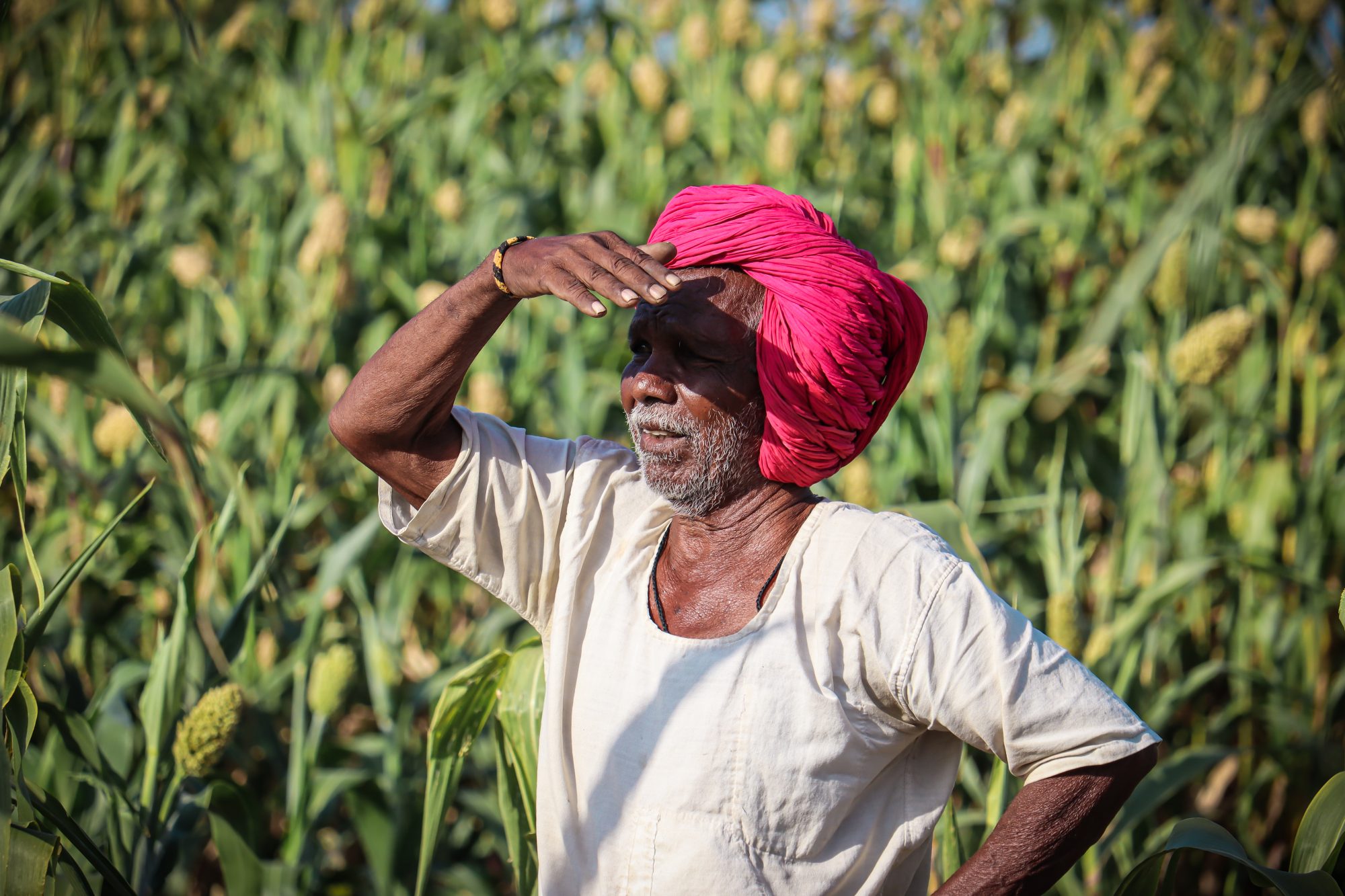
In 2018, when heavy rains destroyed his soybean crops, Sunil Patidar of Shivpur was not worried as he had insured his crops under the Pradhan Mantri Fasal Bima Yojana (PMFBY). He filed for mid-seasonal crop loss claim immediately, expecting to use the money for the next crop cycle.