Climate change: challenges and opportunities for crop insurance in Canada
The pandemic we have just come out of reminded us of the importance of maintaining robust food sovereignty in our country, provinces and cities.
On May 5, Minister of Agriculture Majnun Mammadov met with a delegation from Uzbekistan led by Minister of Agriculture Ibrokhim Abdurakhmonov, who attended the 19th Azerbaijan International Agricultural Exhibition (Caspian Agro Week), to discuss bilateral cooperation in the agricultural sector, Trend reports.
Damage to crops from Mayon Volcano’s unrest has reached P6.69 million, with ashfall affecting several farmers in Albay, authorities said Tuesday.
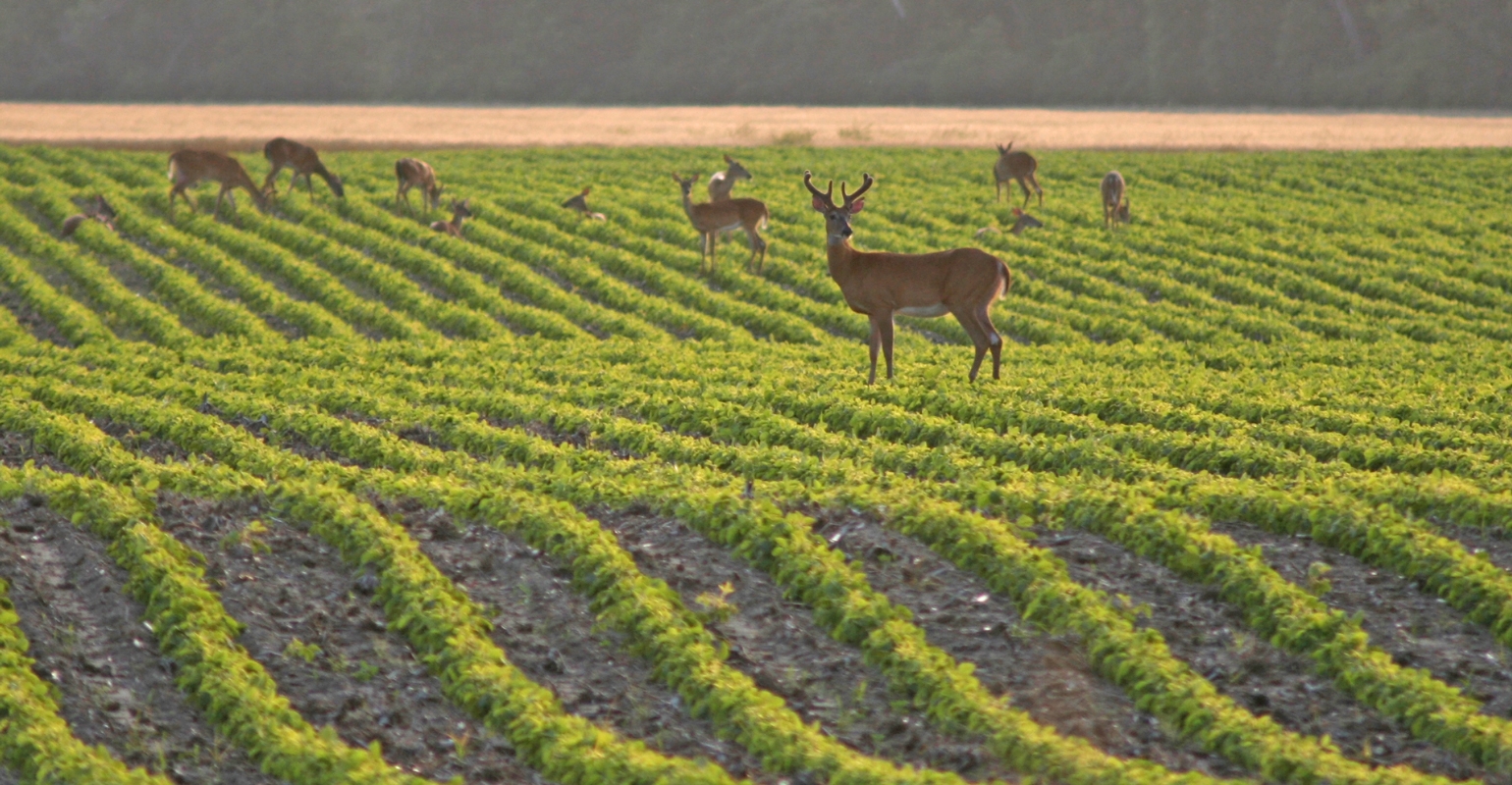
Losses reported in Rizokarpaso and nearby villages as donkey population grows and destroys farmland.
The U.S. Department of Agriculture’s (USDA) Risk Management Agency (RMA) is upgrading the source for rainfall data used in several Federal crop insurance programs, moving from the National Oceanic and Atmospheric Administration’s Climate Prediction Center (CPC) to the National Centers for Environmental Information (NCEI).
Frost events in Canada recently caused crop damage in Norfolk County, with asparagus production heavily affected. At Dalton White Farms, losses reached up to 98 per cent of the field.
Frosts have caused critical damage to cherry orchards in the Kyustendil region of Bulgaria for the second consecutive spring, with producers reporting near-total crop losses.
Strong winds and heavy rainfall in parts of Tamil Nadu have damaged banana crops across districts, including Theni, Dindigul, Coimbatore, and Salem.
Fruit growers in Poland are assessing losses after late April frosts damaged crops across multiple regions, with eastern areas most affected and stone fruit production under pressure.
The Ministry of Finance has proposed sharply increasing agricultural insurance premium subsidies to up to 95 per cent and widening the pool of eligible beneficiaries to better share risks with producers, stabilise farm incomes, and strengthen climate resilience.
What should have been a vibrant harvest season in the country’s haor belt across seven districts has instead turned into widespread devastation.
The Philippine Crop Insurance Corporation (PCIC) in Western Visayas has set aside P150 million in drought insurance as El Niño conditions intensify, with officials warning that the region is already nearing “critical” risk levels that could threaten thousands of farmers in the coming cropping season.
The Ministry of Finance has proposed increasing support for agricultural insurance premiums and expanding eligible beneficiaries in a move aimed at encouraging greater participation by farmers and agricultural organisations.
Farmers, who had worked for months, were just days away from bringing their harvest home. Unfortunately, an accidental fire turned their hopes into ashes, destroying nearly 100 acres of maize crops.
Lagayan farmer Roberto Layao is thankful for the crop insurance money he received from the Philippine Crop Insurance Corporation (PCIC).
A hailstorm struck apple-growing villages in Shopian and Kulgam districts, adding to worries of growers already facing erratic weather this season.