NEWS
841
of 1225
News
26.09.2016

Philippines - Sec. Piñol tells farmers to avail of PCIC insurance coverage vs calamities

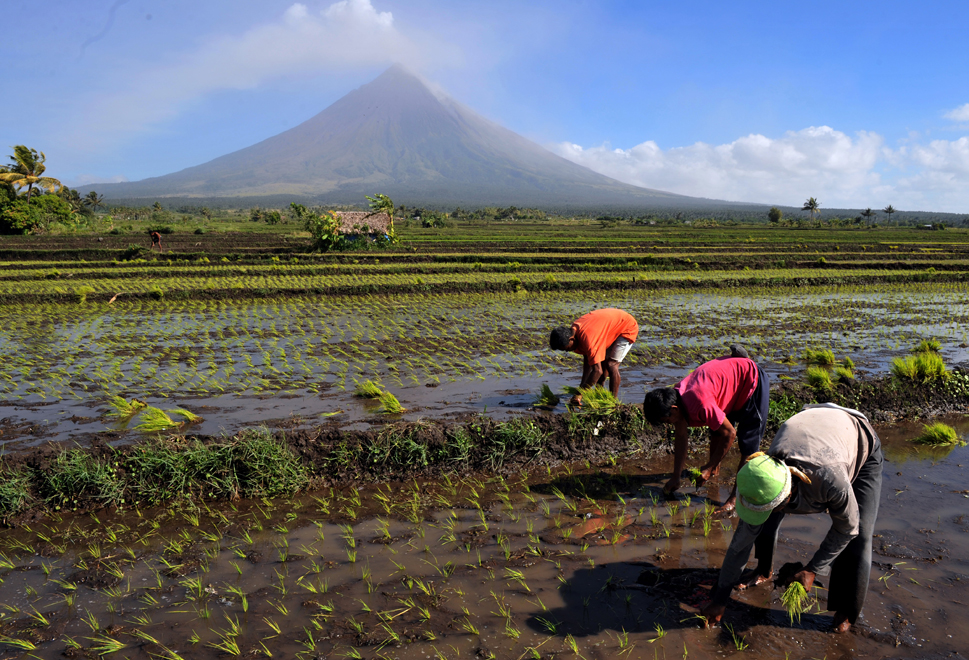
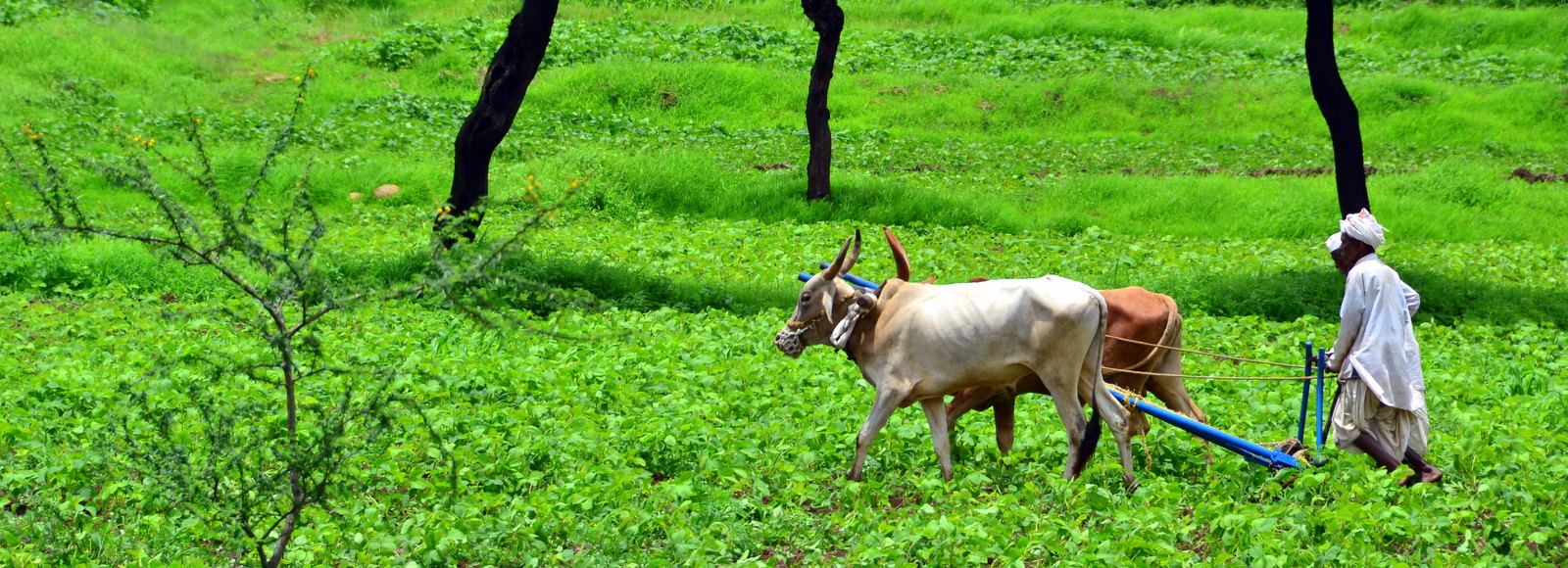
Department of Agriculture Sec. Emmanuel Piñol urged farmers in North and South Cotabato to avail of the insurance services of the Philippine Crop Insurance Corporation (PCIC) to avoid getting empty handed when calamity strikes. Piñol made the appeal after farmers in Tantangan and Norala, both in South Cotabato and M’lang in North Cotabato sought help from him through the social media after strong winds damaged last week the soon to be harvested palay. Piñol said disasters strike anytime and it is best for farmers to have their crops insured before PCIC so they can recover from losses. “Disasters like this could happen to a farmer’s life which is why we really encourage our farmers to join the crop insurance program of the government,” Piñol said. “I know that PCIC is not known yet to the Filipino farmers so under the administration of President Rody Duterte, I have instructed its officials to conduct a nationwide campaign to insure the Filipino farmers,” he added. North and South Cotabato belonged to SOCCSKSARGEN region or Region 12, the number 1 rice producer in Mindanao. It is also composed of the provinces of Sultan Kudarat, Sarangani and the cities of Cotabato, Kidapawan, Koronadal, Tacurong and Gen. Santos. Source - http://www.mb.com.ph

26.09.2016

Spain - Drought causes 165 million Euro loss in Valencia

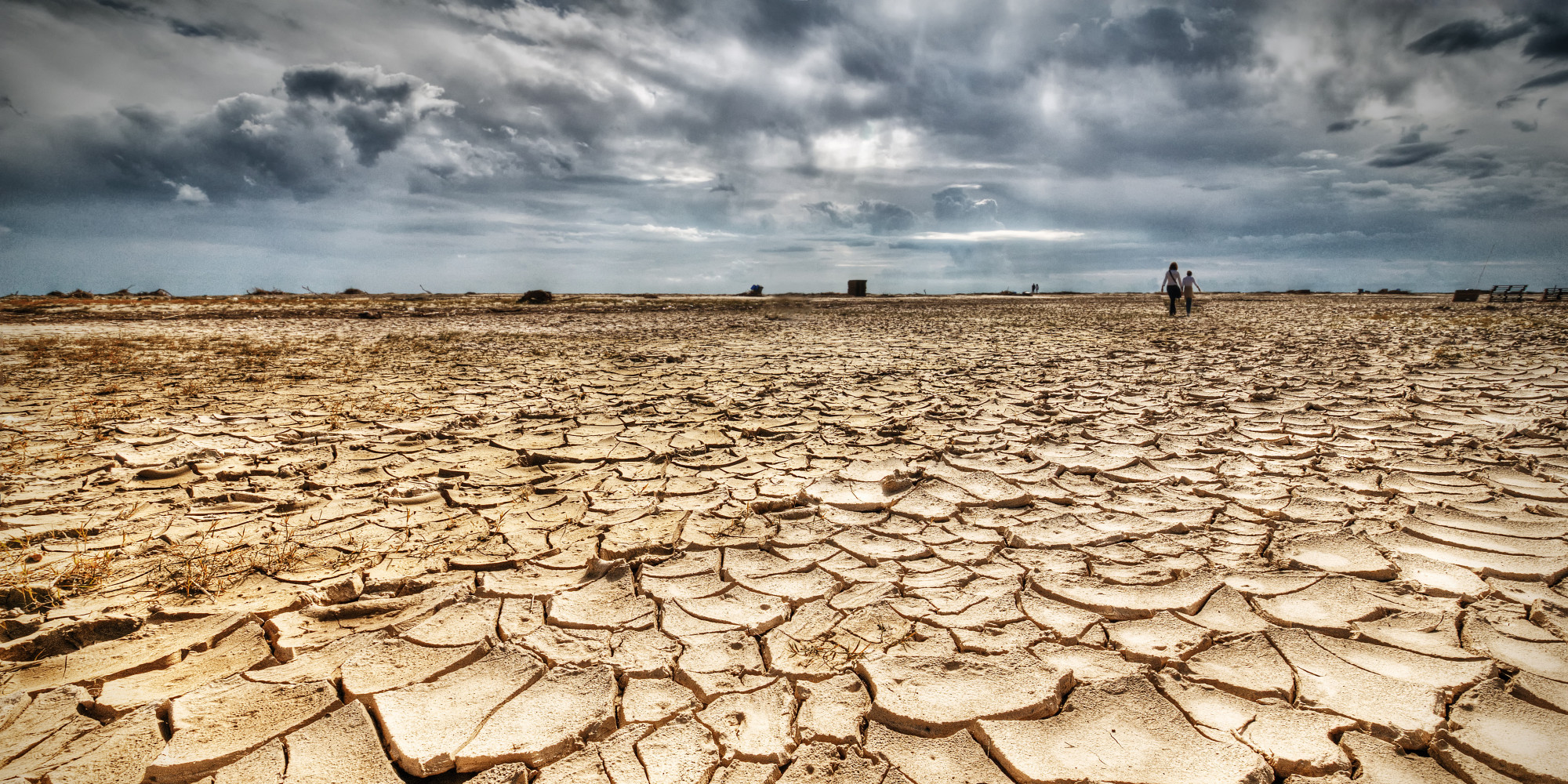
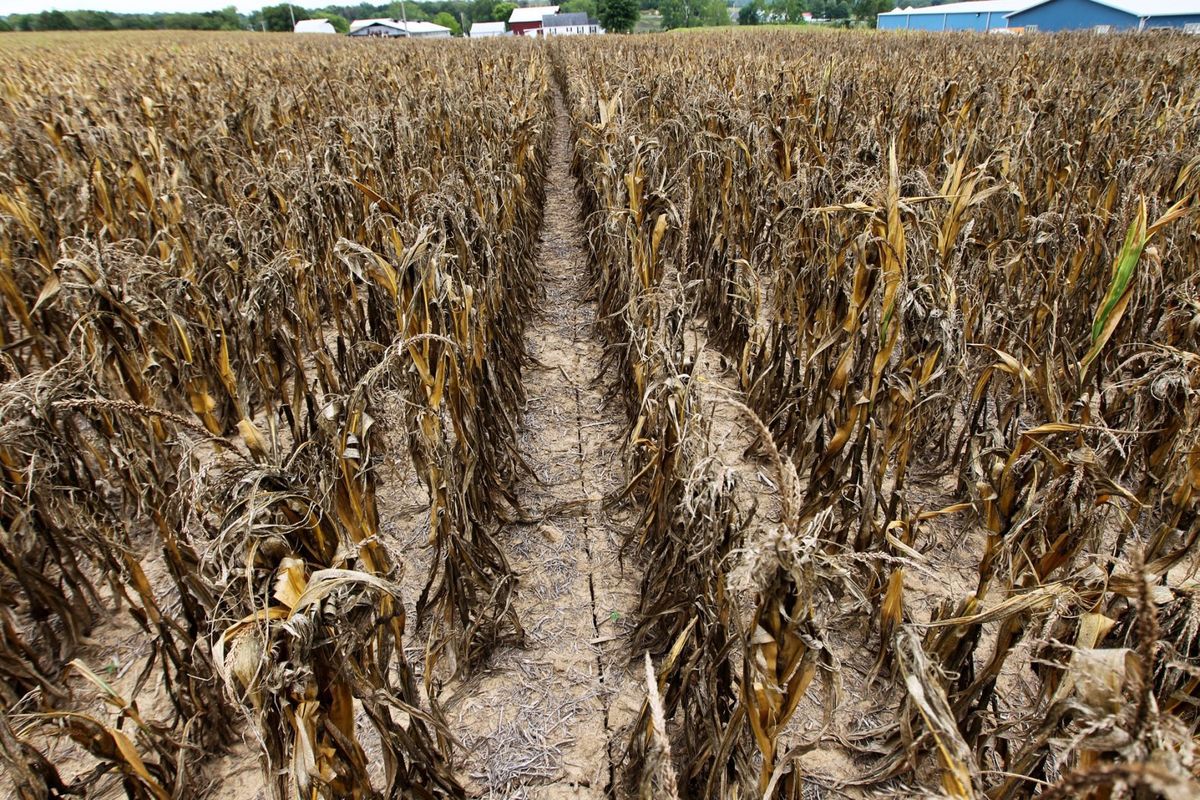
LA UNIÓ de Llauradors has estimated that the severe drought in Valencia has already caused direct losses in the agricultural sector worth around 165 million Euro (88.8 in the province of Valencia, 40.3 in Alicante and 35.5 in Castellon), according to a report prepared by the agricultural organization; a figure that may actually be significantly higher if it does not rain in the coming weeks. The impact of drought changes, depending on whether the lands are rainfed or irrigated. In the latter case, the main problem is rising production costs (more water for irrigation, more treatments against pests, additional work for the fruit thinning, etc.). In rainfed areas, the problems are not limited solely to the reduction of the production, which in some cases will exceed 50%, but could also have long-term consequences, such as the death of trees. Drought causes, among other things, phenological imbalances in most crops, the production of smaller calibres and even a possible loss of trees. It also leads to a higher risk for pests, with the high cost associated in their eradication, the need to increase the frequency of irrigation and the consequent rise in energy costs, as well as a decline in aquifer levels and the salinisation of irrigation wells. The combination of the absence of rainfall, the high temperatures in recent months and drought have taken a very negative toll on our crops, and this will have a direct impact on the growers' incomes. Due to their considerable acreage, production volume and economic value, citrus crops are recording the greatest losses, totalling 95 million Euro. This is mostly the result of the increased production costs, the higher frequency of irrigation, the need for more frequent phytosanitary treatments and the need for thinnings to be able to obtain larger calibre fruits. The production of nuts will also be greatly affected by the impact of drought. Thus, the almond harvest could fall by almost 40% compared to the previous season. The losses recorded by these crops will total 13.6 million Euro. As regards fruit, including kakis, the impact is similar to that of citrus; i.e., higher costs due to costlier irrigation and phytosanitary treatments. LA UNIÓ has estimated the losses at 3.7 million Euro. The vegetable production will also be affected by increased costs and lower quality. LA UNIÓ believes that this dramatic and distressing situation requires an effort from both the central and regional governments to compensate for the losses and prevent the abandonment of most farms. Source - http://www.freshplaza.com

23.09.2016

USA - Crop insurance is aiding and abetting a crime

Farmer Jones has 20 acres along the Raccoon River in the Conservation Reserve Program. The hill is planted in native grass, which pretty well soaked up a four-inch rain last Thursday. Across the river, Old McDonald planted soybeans along similar topography, with a hill sloping toward flatland along the river. The field was submerged and, no doubt, covered by Federal Crop Insurance. Current was washing soil into the roil, right on down to Des Moines and, ultimately, the coastal marshes are the mouth of the Mississippi. It’s criminal. “You and I are on the same page,” said Iowa State University agronomist Dr. Rick Cruse, who manages the Iowa Daily Erosion Project. Cruse’s web page shows that the rain displaced anywhere from a third of a ton to three-quarters of a ton per acre, discharging that phosphorous- and nitrogen-laden soil to the Raccoon, the Cedar and the Maple rivers. Cruse has no idea how many acres of insured crops are planted in effectively river bottom that floods more and more as climate change brings wilder weather. Count it in the thousands just in Buena Vista County, where the tiller knows no boundaries — such as fence lines, river banks or road ditches. My father sold Federal Crop Insurance for a living. He was the top salesman in the country three years in a row. “The only thing Federal Crop doesn’t insure against is bad farming,” New Dealer Dad preached time and again. Until they put the hail companies in charge of the chicken coop. Now bad farming is part of farming the program. You plant crops in that bottom for 10 years. You have a crop history. You get flooded out half the time, but the half of the time it’s dry you might fetch 60-bushel beans and 250-bushel corn. So you make a calculated bet, insured by the taxpayer. The taxpayer gets nothing in return. No conservation plans. No grass buffers. Not even a wood chip bioreactor. Just beans into the river, and a US debit to that fine man sitting next to you in church on Sunday. Which is all fine with Chuck Grassley and Joni Ernst, our two US Senators. They wrote a letter to Ag Secretary Tom Vilsack last week complaining that CRP rates are so attractive they are keeping young farmers out of the business. A sober analysis will tell you that CRP rates in BV County are slightly under what the market could command. Farmer Jones could find a sucker — perhaps Old McDonald — to rent that land for $300 per acre and work the 20 acres with a 12-row cornhead this fall. Farmer Jones could have made more money with a straight cash rent. But he likes wildlife. He might lay in a few feeder calves on those acres if CRP rules would allow him. He might even take a lower government rent if he could. But he is happy to get his CRP check, and now that the place is planted in native grass, he never has to worry about it for the life of the contract. His deer and ducks are going across the river and eating Old McDonald’s faltering crop. We could tie crop insurance to conservation compliance. But we won’t. Ernst is opposed to increasing CRP acres. The House Agriculture Committee wants to eliminate the Conservation Security Program and the Environmental Quality Incentives program aimed at livestock producers. Ahead of a new farm bill debate next year, the incumbent Republicans already have set up a contest between conservation funding and crop insurance. One wins, one will lose. Crop insurance will win. Corn probably will be under water next year. It’s called farming the program. Bad farming is part of the formula to financial success. Until we back off the lake, river and ditch banks we have no business talking about a multi-billion state water quality fund. In fact, we continue to encourage bad farming by propping up crop insurance over conservation. The bad actors are set up to win the debate in the next farm bill based on specious arguments — if CRP is outbidding a farmer, then that so-called farmer is in the wrong business. He should take up driving a truck or learn computer coding. Source - http://stormlake.com

23.09.2016

USA - Grains, cotton rise as rains erode crop hopes

Is the US corn and soybean crop, after sailing over all other hurdles so far this year, going to trip up at the last one? The spring sowing period went so smoothly, as underlined by low levels of so-called "prevent plant" insurance claims, that investors are expecting the US Department of Agriculture to upgrade its forecasts for, already large, seeded area of the crops. And the summer growing season, well, the historically strong crop condition ratings from the USDA bear witness to how favourable it was. (Although whether corn crops really have such productive potential is a bit of a bone of contention – see below.) But with the finish in sight, the harvest is proving less benign, in terms of wet weather which, while helpful for growing plants, is not such a boon for ready-to-harvest crops. 'Market on edge' "The market is becoming increasingly worried about wet US weather and the harvest delays that might ensue," said Tobin Gorey at Commonwealth Bank of Australia. "A wet US crop outlook has the market on edge." The initial problem is the delay to fieldwork, harvesting and so new-crop supplies of grain - an issue in particular for soybeans, with US stocks of the oilseed not as strong as had been thought, with the USDA last week slashing its estimate for domestic inventories below 200m bushels. "Additional moisture will create more delays in harvest and vessels are lined up at the Gulf and Pacific North West awaiting new crop beans," said Benson Quinn Commodities 'Traders are nervous' However, there is the trouble too that persistent wetness promotes quality loss and disease too on ripe crops. "Wet weather has been a consistent presence across most of the country," said Joe Lardy at US broker CHS Hedging. "Reports of diplodia in corn have been popping up with a bit more frequency," referring to corn stalk rot, a fungal disease encouraged by damp conditions. Indeed, on disease, it is corn, which is generally further through its development process, on which concerns are most concentrated. "Traders are nervous the unwanted moisture will increase disease/quality problems," said Terry Reilly at Futures International, noting the worries over "too much rain" over parts of the Corn Belt. "Shelton, Nebraska saw over 6 inches of rain Thursday into Friday." 'Not as good as expected' And this at a time when doubts were already emerging that the corn harvest would prove quite as huge as forecast by the USDA, and suggested by the proportion of crop rated by official scouts as in "good" or "excellent" condition. "Big expectations are being maintained for the incoming soy yield but mixed results starting to pop up on the corn side - from exceptional to disappointing due to disease and grain fill weather," said ag advisory group Water Street Solutions. "The market this coming week will be listening closely for yield data as the weather opens up." Benson Quinn Commodities flagged "continued chatter of smaller kernel depth", adding that yield results, while "decent" appeared to be coming in "not as good as expected". 'Disease risks elevated' Of course it is still early days in harvest terms, with harvest just 5% complete as of Sunday September 11 (updated data will be released later on Monday). But, while making it difficult to take too much notice of harvest reports so far, the early stage of the harvest is precisely the reason that the wet US weather is being watched so closely, in that little crop is safely in the barn so far. And further wet weather is on its way. According to Commodity Weather Group, the Midwest, having seen 4 inches of rain in some places in the early weekend (largely around south Missouri/ north Arkansas, Illinois and Indiana) will see "rains return" in north west areas on Wednesday and Friday "keeping disease risks elevated". This week overall, 0.5-2.0 inches of rain are forecast, with 40% coverage, while some areas will see 5 inches. And heading into the weekend and next week, the forecast is that "tropical moisture enhances rain across the Midwest… keeping early harvest progress slow". 'Injection of some risk premium' And this when hedge funds have built up a large net short position in US-traded grains, ie have been betting on lower prices, and are liable to close the holdings – putting yet more upward pressure on prices – if harvest conditions remain tricky. Water Street Solutions said: "The large net short fund position, coupled with end-user demand and reluctant farmer selling,  puts the market into a position that any disappointment relative to the huge crop expectations could set the market for a short-covering rally well before the typical '30-50% harvest progress mark'." (Typically, harvest brings a seasonal price low, thanks the ramp up in supplies it brings, and the ability to remove the last vestiges of risk premium from prices. In fact, CHS Hedging's Joe Lardy noted "an injection of some risk premium due to wet forecasts".) Prices rise Chicago corn futures for December rose 0.7% to $3.39 Ѕ a bushel as of 09:40 UK time (03:40 Chicago time), rising back above their 50-day moving average, which they have not closed above in three months. Soybean futures for November, boosted by ideas of decent demand too, fared even better, gaining 1.3% to $9.78 ј a bushel, trading back above its 40-day moving average, which it has not closed above in two months. The gains fed through into wheat too, prices of which have been depressed by ideas of ample world supplies - of feed quality wheat, anyway – leaving the market vulnerable to movements in the value of corn, of which feed is the major use. Chicago soft red winter wheat for December gained 1.1% to $4.07 ѕ a bushel. In what may be a sign of hedge funds reversing some of their near-record net short position in Chicago, the contract outperformed Kansas City hard red winter wheat, which for December added 0.7% to $4.20 ј a bushel, and in which managed money has a more modest net short to cover. Cotton soars In New York, cotton fared even better, gaining 2.3% to 68.84 cents a pound for December delivery, bouncing back over its 10-day and 20-day moving averages. It was a big help that January futures soared 3.0% to 14,540 yuan a tonne overnight on the Zhengzhou exchange in China, a country which is a huge player in the world cotton market. Furthermore, the US wetness is an issue for the country's cotton crops, which are heading into harvest in modest condition anyway, unlike corn and soybeans. "Rain and showers are throughout weekly forecasts for much of the [Cotton] Belt again this week," said Louis Rose at the Rose Report earlier on Monday. "At the time of this writing, showers are moving across the northern Mississippi River Delta," at a time when there was already talk of crop damage from wetness. Source - http://www.agrimoney.com/

23.09.2016

China - Hail in Shandong province hits over 6,500 hectares of pears

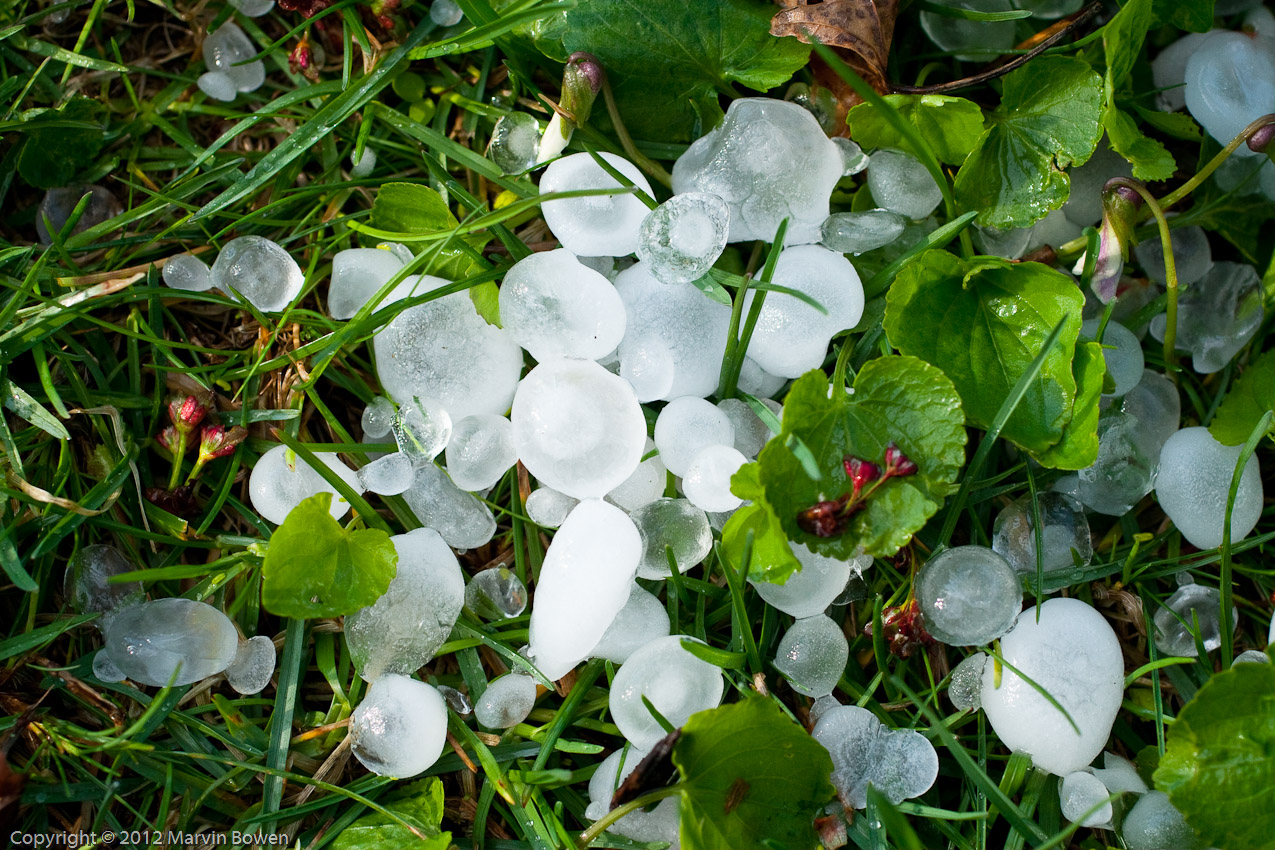
On September 11th, 2016, a severe hailstorm hit Yangxin county, located in Binzhou, Shandong province. This hailstorm lasted around 30 minutes, and the pellets were as big as a one Yuan coin and four or five centimetres in thickness. As a consequence, over 6,500 hectares of pear plantation orchards from Jinyang office in Yangxin county were severely impacted. Over 90% of pears were damaged in various degrees, as it occurred during the harvest season for pears. Source - http://www.freshplaza.com

23.09.2016

USA - Sept. 30 Crop Insurance Deadline for Oat and Wheat Growers

Sept. 30 is the deadline for Arkansas growers of winter wheat and oats to purchase crop insurance for the 2017 crop year. “With severe storms becoming more common, growers should seriously consider using crop insurance to help offset crop losses from natural disasters,” said Dr. Henry English, director, Small Farm Program at the University of Arkansas at Pine Bluff. Sept. 30 is also the deadline for current policy holders and uninsured growers purchasing a policy for 2017 to make decisions on crop insurance coverage such as adjusting their coverage or to cancel their insurance. Dr. English reminds growers who do nothing that they will have the same level of coverage they had in 2016. All cancellations must be done in writing. The federal crop insurance program helps farmers recover some portion of expected income in case of crop loss or failure due to natural disasters which include drought, tornadoes, high water, high water, fires, floods or explosions. Producers should check with their crop insurance agent for specific details for the 2017 crop year. A list of crop insurance agents is available at all U.S. Department of Agriculture Service Centers and online at the RMA Agent Locator. The Arkansas Cooperative Extension Program offers its programs to all eligible persons regardless of race, color, sex, gender identity, sexual orientation, national origin, religion, age, disability, marital or veteran status, genetic information, or any other legally protected status, and is an Affirmative Action/Equal Opportunity Employer. Source - https://uapbnews.wordpress.com

23.09.2016

Italy - Apulian table grape victim of bad weather: damage cannot be estimated

In Apulia, table grape cultivation has always been well-protected against bad weather. Plastic films are used to cover vineyards in order to protect as far as possible the sensitive grape bunches. However, human knowledge cannot cope with crazy weather. An operator from the area reports to FreshPlaza:"If they had been just summer storms, there would not have been anything strange. But, we had a year's worth of rain pour down in just five days. No plastic film can cope with that. The plants were kept in "Bain Marie" for days... suffering all the predictable consequences". The areas most affected were Rutigliano, Conversano, Turi, Casamassima, Noicattaro, where the produce, tarpaulin covers and plastic films were severely damaged. There were heavy rainfalls from 6th to 11th September 2016. It seems that 60% of the product has been lost, but actually it is not possible to carry out an evaluation. "Firstly, we need to understand how the percentage is calculated, a trader explained. Otherwise we cannot make a calculation. Grapes do not deteriorate from one day to another, for this reason bunches that seem suitable for harvest today may present broken or rotten parts in a few days". The only thing we can sadly calculate at the moment is the number of vineyards damaged due to bad weather. Overall data can be estimated in 4-5 weeks. "We will certainly finish the harvest earlier", an operator concludes.  Meanwhile, sectorial organisations, such as Coldiretti Bari, report that prices are increasing (up more than 40%) and producers are bearing the costs in order to save what they can.  However, good-quality grapes have not benefited from the smaller amounts on the market yet. The regional Civil Protection issued a notice for bad weather conditions on Tuesday 20th September, ordinary alert (yellow) in most areas of Apulia and moderate alert (orange) in Gargano area.  Apulia is the top producer of table grapes in Italy, accounting for 74% of national production, and thanks to its huge contribution, Italy is the largest producer of table grapes in the world with 16% of world production.  In Italy 25,000 tons of table grapes (about 3.2% of domestic supply) are imported mainly from Europe (49%) and South and Central American countries (about 25%), especially Chile and Peru. The remaining part comes from Africa (13.5%) and Asia (4.6%). Source - http://www.freshplaza.com

23.09.2016

India - The Centre's Crop Insurance Scheme is proving to be a flop. Here's why

The Pradhan Mantri Fasal Bima Yojana (PMFBY) was launched with much ado in the beginning of this year. However, it seems the initiative is turning out to be quite the non-starter. According to the data accessed exclusively from the Union Agriculture Ministry, only 2.53 crore farmers have insured their crops under the scheme this year. A large number of these farmers are those who have taken loans. It is necessary for farmers to insure crops at the time of borrowing crop loans. In contrast, around 3.69 crore farmers had availed crop insurance last year under the National Agricultural Insurance Scheme (NAIS), a scheme that preceded the PMFBY. Prime Minister Modi had decided to replace NAIS and Modified NAIS (MNAIS) on 13 January 2016. The aim was to provide a more efficient insurance support to the farmers and protect them from crop damages. According to sources, the government had hoped to widen the net of crop insurance to 50% from existing 26% in the next three years. But, the results from the first crop season have been far from encouraging. The data available until 8 September reveals that only 2.53 crore farmers have insured their crops. This also includes farmers who have done so under the weather-based crop insurance scheme. Although, the figures are expected to improve a bit till the end of 2016. However, experts agree that it would be nowhere around the figure of 3.69 crores registered under NAIS and MNAIS in 2014-15. "No farmer avails crop insurance out of his will. The farmers know there is no guarantee of compensation within a stipulated time while they would lose the premium money. The payment is solely dependent on the discretion of insurance companies," says agriculture expert Devendra Sharma. Source - http://www.catchnews.com

22.09.2016

USA - Skies full of drones bring many new risks, Allianz warns

Insurance and financial services giant Allianz is warning that exponential growth in the number of drones in the sky carries a wide range of risks  Whether used commercially for industrial inspections, aerial photography, border patrol, emergency deliveries and crop surveys or recreationally by millions, drones or unmanned aircraft systems (UAS) have the potential to become a multi-billion dollar business and deliver problem-solving technologies across numerous industries.  However, more drones in the skies also raise a number of new safety concerns, ranging from collisions and crashes to cyber-attacks and terrorism. To ensure safe UAS operations, systematic registration of unmanned aircraft and robust education and training of operators is necessary, according to a new report from aviation insurer Allianz Global Corporate & Specialty (AGCS): Rise of the Drones: Managing the Unique Risks Associated with Unmanned Aircraft Systems.  “There have already been enough incidents and near-misses to date involving UAS to generate concern that the likelihood of collisions and other loss events will grow as numbers multiply,” says James Van Meter, an Aviation Practice Leader at AGCS. As drones are becoming smaller, cheaper and easier to use – and regulatory change, particularly in the US, lowers barriers to entry – growth prospects are surging. The US Federal Aviation Administration (FAA) forecasts that by the end of 2016 in the US over 600,000 UAS will be deployed for commercial use alone – three times the number of registered manned aircraft. In addition, 1.9 million UAS are expected to be in recreational use. Globally, the UAS market is forecast to reach 4.7 million units, or higher, by 2020 with the market for commercial application of UAS technology estimated to soar from $2bn to $127 billion. Made for menial or dangerous tasks “UAS in commercial use will increase greatly in the next decade because they are effective at carrying out menial or dangerous tasks,” says Thomas Kriesmann, Senior Underwriter General Aviation, AGCS. Work accidents such as employees falling off the roof on building inspections and workers compensation losses are expected to decrease as a result. UAS also have the potential to both solve problems and save costs in future across a number of other industries, throughout the developing world and in disaster relief situations. Emerging uses include delivering blood and vaccines to remote locations in Africa, fighting grass fires, pest control and even delivering pizza and coffee. Insurers are also increasingly utilizing UAS to make risk assessment of construction or infrastructure projects easier and safer. Claims handling can also be made quicker and more effective by using drones to survey loss damage after major catastrophes. For example, when parts of Tianjin, China, were rendered inaccessible after major explosions last year, high resolution images taken by UAS after the blasts where compared with previous photographs to determine how many vehicles had been destroyed. Allianz even supports a pilot-to-business marketplace, FairFleet, which links pilots with businesses in need of UAS, offering insurance coverage and claims settlement services. Mid-air collisions and loss of control core safety concerns However, new risks and the potential for misuse of UAS technology need to be considered, too. UAS raise two priority safety concerns: mid-air collisions and the loss of control. A mid-air collision could happen if the pilot cannot see and avoid manned aircraft in time, especially those that normally fly below 500 feet, such as helicopters, agricultural aircraft and aircraft landing or taking-off. Reports of UAS sightings from pilots, citizens and law enforcement have increased five-fold over the past year in the US; while there have been a number of near-miss incidents around the world including in China, Dubai, and the UK. Loss of control can result from a system failure or if the UAS flies beyond signal range. AGCS sees a major risk in loss of control from frequency interferences and other factors. A pilot losing control of a UAS during a building inspection could result in a total liability easily in excess of $5 million, if the UAS crashed into a truck or shop, for example. Even a small UAS could cause as much as $10 million in damage alone when hitting an engine of an airplane. An emerging peril is the potential terrorist threat from UAS targeting critical infrastructure such as (nuclear) power stations or live events. Other scenarios include hackers taking control during a flight, causing a crash, or hacking the radio signal and transmitting valuable recorded data from the aircraft from another control station (“spoofing”). There are also many public concerns over UAS around privacy issues. Improving UAS safety: need for training and registration A primary concern is the lack of consistent standards or regulations for the safe operation of UAS around the globe. “In many locations, there are few or no pilot training and maintenance standards,” says Van Meter. “In addition to regulation, education will continue to be key to ensuring safe UAS operations.” Training has a crucial role to play in reducing the risk of an incident occurring, with novice control a major cause of loss activity. Training should include meteorology, emergency instructions, air traffic law, including flight rules over buildings, system maintenance, flight time calculation and on-board camera image use. In many locations around the world no registration of UAS is mandatory, effectively affording the user anonymity in the event of a loss incident. “However, in future, identification of both UAS and operator will be essential to maintain proper liability in general,” says Kriesmann. “Introduction of car registration-style schemes will be needed sooner or later.” Drone insurance for multiple exposures Insurance can protect both operators and the public from risk of mid-air collision, as well as physical or property damage or injury to others. Manufacturers, owners and operators of UAS, as well as businesses that sell and service UAS, are exposed. So-called drone insurance is a fast-growing area of the insurance industry and different coverages are available, depending on the type of use. “Whether you run a coffee shop or a truck delivery business you need insurance to run your business. Drones are no different,” says Van Meter. “Commercial operators of UAS will require at least $1 million of insurance coverage to protect against risk exposures.” Assuming growth projections for the commercial industry materialize there is potential for the drone insurance market to be worth $500m+ by the end of 2020 in the US. Globally, its value could approach $1 billion.  Source - https://roboticsandautomationnews.com/

22.09.2016

Indonesia - C. Java farmers insure crops against losses during natural calamities

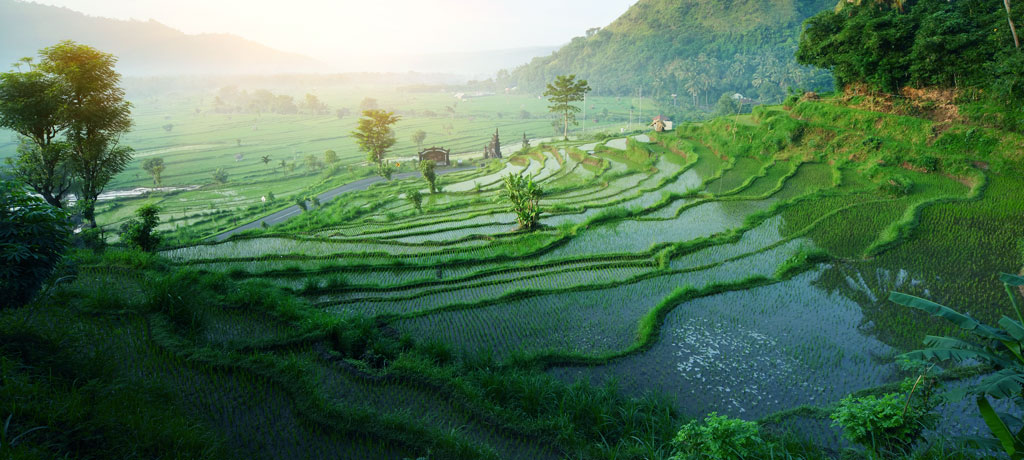
In their effort to prevent losses during unforeseen disasters, 88,492 paddy farmers in Central Java’s northern coastal areas have participated in an agriculture insurance program. With the insurance, paddy farmers who mostly have only less than 0.5 hectares of farming land can request for payments to cover financial losses suffered from harvest failures caused by natural disasters, plant pests and diseases. They can later use the payment to start working on their paddy fields again. Sumadi, the marketing manager of state-owned insurance firm PT Jasa Asuransi Indonesia (Jasindo) at the Semarang office, said the farmers had paddy fields amounting to 22,123.59 hectares of land. “One hectare of paddy field can be worked on by three or four farmers,” he said on Wednesday. Sumadi further explained that with a crop insurance program, farmers could be protected from losses during times of natural calamities. The government introduced the paddy farming insurance program in 2015, based on Law No.19/2013 on farmer protection and empowerment, Agriculture Minister Decree (Kepmen) No.40/2015 on paddy farming insurance premium guidelines and Kepmen No.2/2016 on paddy farming program management and implementation methods. Launched during a rainy season in October 2015, the program aims to cover one million hectares of paddy fields in 16 targeted provinces. The government has appointed Jasindo, which has five branches in Central Java, as the implementing entity of the program. Those offices are in Purwokerto, Semarang, Surakarta, Tegal and Yogyakarta. For Central Java, Sumadi said, Jasindo was targeting to cover 150,000 ha of fields. For northern coastal areas, which comprise five regencies, namely Kendal, Magelang, Semarang, Temanggung and Wonosobo, Jasindo targeted 24,000 ha, but only 13,356.64 ha had been realized. Jasindo also aimed to cover 38,500 ha of fields in seven other northern coastal areas, namely Blora, Demak, Grobogan, Jepara, Kudus, Pati and Rembang. Only 8,766.95 ha had been realized, however, said Sumadi. [caption id="" align="alignnone" width="659"] Under threat – Dozens of estrildid finch eat paddy grains in a field belonging to a farmer in Central Java. Farmers in several areas across the province have participated in crop insurance programs to prevent losses during natural calamities. (JP/Suherdjoko)[/caption] Based on existing regulations, each farmer would pay an insurance premium of Rp 180,000 per ha of area. As the government subsidies 80 percent of the premium, farmers would pay only Rp 36,000 per ha per planting season. With the program, if 75 percent of their crops are damaged due to flooding, the dry season, pests or disease attacks, farmers can request Rp 6 million to cover losses in every hectare of their fields. “Farming group leaders play key roles to encourage their members to participate in the insurance program. Each member will have to a pay an insurance premium of around only Rp 9,000-Rp 12,000 because his or her land is less than 0.5 ha,” said Sumadi. He further said Jasindo had paid Rp 133 million to cover losses for Demak, Grobogan and Pati farmers, who suffered harvest failures caused by flooding at the beginning of 2016. To support the program, the Dutch government has provided software that can process satellite imagery that helps track the extent of damaged paddy fields through its Geodata for Upgrading Small Holders Farming System in Indonesia (G4INDO) project. “Our targeted group comprises 200,000 small farmers,” said G4INDO project head Aart Schrevel. The project has been piloted in three East Java regencies, namely Jombang, Kediri and Nganjuk, which is known as the national rice producer. Source - http://www.thejakartapost.com

22.09.2016

USA - Crop insurance is taxpayer-subsidized and now state tax-free, too

If you want something from the Missouri Legislature, it’s good to be a farmer. Last spring, after finishing work on the state’s $27.2 billion fiscal 2017 budget, lawmakers passed a few more tax breaks. The big one was $50 million in potential retroactive tax refunds for farmers who received federal disaster insurance for damage caused by the epic drought of 2012. People who sign up for exercise classes also will get a $5.7 million break on sales taxes. In June, Gov. Jay Nixon vetoed those tax breaks. On Sept. 14, the Legislature overrode his veto. The next day, Nixon put a hold on $57.2 million more from the budget passed in the spring. He’d already withheld $115 million in spending, saying the Legislature had overestimated the amount of money the state would take in. If the economy picks up dramatically, the money could still be spent. Because of all of this, farmers are going to get money that otherwise would have gone mostly to highways, school transportation and K-12 education, which absorbed the brunt of the budget hold-backs. It could be farmers’ tax refunds won’t amount to $50 million, but Nixon’s budget office estimates they will. This is what happens when you have a lot of needs and not enough money to meet them. Relative to their tax burden when the 1980 Hancock Amendment was passed to block the state budget from growing faster than the average family’s budget, Missourians are currently undertaxed by about $3.9 billion. But no one in Jefferson City wants to touch that one. The Missouri Farm Bureau is the state’s most powerful lobby. While it milks the image of the sturdy yeoman farmer, most of its business comes from brokering insurance, including federally subsidized crop insurance. When a farmer buys insurance on his crops, federal taxpayers pick up about 60 percent of the cost. When drought ravaged the Midwest in 2012, taxpayers covered most of the losses. In fact, a 2012 study by the University of Missouri Extension Service found that over the previous decade, Missouri farmers had received $1.80 in federal crop insurance indemnities for every dollar they paid in premiums. “Insured farmers had a pretty good year,” MU economist Raymond Massey said after the 2012 drought. Crop insurance payments were paid out in 2013 and thus were taxable in 2014. The Internal Revenue Service generally treats such payments as taxable income. So did Missouri and 39 other states that levy income taxes. But by passing Senate Bill 641, and then overriding Nixon’s veto, the Legislature decided that from now on, and retroactively to 2014, crop insurance payments no longer are subject to the state income tax. With enough tax-free, taxpayer-subsidized insurance, some farmers could be praying for drought. It’s good to be a farmer. Source - http://www.stltoday.com

21.09.2016

India - PM's crop insurance scheme makes slow start in first season

Prime Minister Narendra Modi’s ambitious crop insurance scheme that promised lowest premia for farmers seems to have started on a slow note in 2016 kharif season, partly due to delayed notification by states. Some experts said the decision to keep sugarcane out of the scheme’s ambit may have impacted its coverage in states like Uttar Pradesh. Sources said till September 8, around 25 million farmers — loanee and non-loanee — were covered under the Crop Insurance Scheme and the Weather-based Crop Insurance Scheme, about 19 per cent less than the farmers covered under the old crop insurance schemes in 2015 kharif season. Both the schemes were operational this kharif season, with states having the option to choose. While the deadline for the PM’s Insurance Scheme was on August 10, it was extended by a few days for Bihar. Private insurance companies, however, said though the number of farmers covered could be less, the area insured as proportion of net sown area seems to have improved to 30 per cent this kharif season, compared with 20-21 per cent in 2015. But, this could be because of increase in overall acreage due to good rains. Only 22 states notified the scheme till September 8, while 24 states and one Union Territory have started the process of implementing it. In the case of the new insurance scheme, states have to invite fresh tenders to enlist insurance companies for kharif and rabi seasons separately because premium rates are different. For kharif crops, farmers have to pay a premium of just two per cent of the sum insured in cereals. For rabi crops, the premium has been fixed at 1.5 per cent of the sum insured. For horticulture crops, the premium has been capped at five per cent. This is much lower than the premiums charged under the three existing insurance schemes in the range of 3.5 per cent to eight per cent of the sum insured. It could be up to 20 per cent for some crops. The balance premium accruing to the insurance companies is shared equally between the Centre and states, with the former sharing up to 90 per cent of the burden. The Centre expects to spend over Rs 9,000 crore per year on the new insurance scheme. According to sources, in Bihar, around 1 million farmers were brought under scheme till September 08, lower than 1.65 farmers covered in 2015 kharif season. Similarly, in Uttar Pradesh, around 1.45 million farmers were covered under both the schemes, lower than 1.68 million farmers who availed insurance last year. “This is just the beginning and we feel that more farmers would be brought under the insurance fold during the rabi season,” a senior official said. The Centre plans to bring at least 50 per cent of the 140 million farmers in the insurance fold over the next three years.  According to a study by private weather forecasting agency Skymet along with industry association ASSOCHAM, less than 20 per cent of India’s farmer families have crop insurance, which is why a vast majority of them are exposed to vagaries of weather. Even among loanee farmers, insurance penetration is not 100 per cent. It is mandatory for loanee farmers to get an insurance cover. Source - http://www.business-standard.com

21.09.2016

USA - Diversion Authority plans payments to upstream landowners, crop insurance for farmers

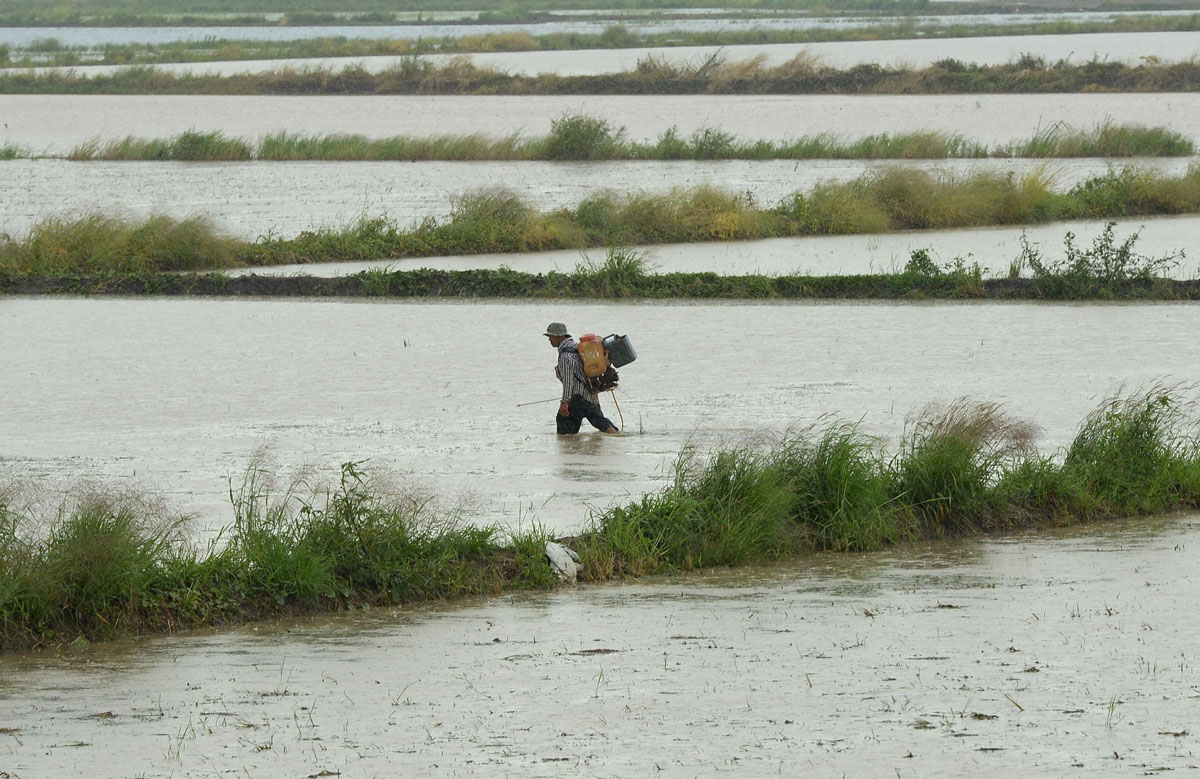
For those farming on the wet side of the Fargo-Moorhead Diversion Authority’s proposed Red River dam, persistent questions about how they would be compensated now has a clearer answer. The detailed mitigation plan the authority recently submitted to state regulators in North Dakota and Minnesota includes a crop insurance plan for farmers and payments to landowners for any reduction in land value. North Dakota lawmakers, who have also wanted more details about compensation, will be briefed Thursday. Rocky Schneider, a spokesman for the Diversion Authority, said the crop insurance was a response to farmers’ fears that summer flooding would wipe out crops that, because of the artificial flooding caused by the dam, wouldn’t be eligible for federal crop insurance. “We’ve heard that loud and clear.” The plan, which went out to regulators a couple of weeks ago, does seem to address some of the criticisms that upstream opponents of the diversion project have leveled at the Diversion Authority, such as inadequate compensation and the need for repairing infrastructure damaged by the project. However, Nathan Berseth, a spokesman for the main opposition group, the Richland-Wilkin Joint Powers Authority, said he couldn’t respond immediately because the authority didn’t send his group the plan. Overall, the Diversion Authority expects to pay for impact to 83 square miles on the dam’s wet side, a larger area than initially discussed. It also expects to buy 11 square miles to build the diversion channel and dam. The cost of both are estimated to total $400 million. Some buyouts have already started, while others won’t take place for years. The process for upstream landowners and farmers won’t formally begin until January 2018, though the Diversion Authority said it would accept early offers. Land values The mitigation plan addresses several categories of landowners and farmers on the dam’s wet side, which would run from an area south of Horace, across the Red River and about 6 miles into Minnesota. The purpose of the dam is to reduce the flow of water headed downstream during a major flood so communities there aren’t swamped. The result is a temporary lake that would drain when the flood ends. According to the plan, the Diversion Authority would give owners a one-time payment for the lost value of their land caused by the higher flood risk, known as a “flowage easement” in legal parlance. Farmers who rent land could use that as a basis to renegotiate rents, according to Schneider. But easement payments will vary depending on land elevation. Since severe floods are very rare, land on the wet side that’s at higher elevation would see very small payments. According to the plan, the owners of those lands would have the option of getting paid only if there is physical damage. Initial discussion of flowage easement focused only on land expected to get at least a foot of water during a 100-year flood, the minimum required by the federal government. That totals around 50 square miles. The Diversion Authority’s plan calls for easement on land with at least half a foot of water expanding coverage another 33 square miles. Land that get less than half a foot would get the option of payments for damages. Crop insurance On agricultural land, which is most of what’s on the dam’s wet side, the greatest impact on value is the potential for delayed planting because floods here happen in the spring, based on studies the Diversion Authority has funded. There has never been a major summer flood in the area’s recorded history. That doesn’t mean there never will be such a flood and farmers do worry about it. The Diversion Authority has discussed a crop insurance program similar to federal crop insurance that would cover 65 percent of crop values. Upstream opponents said that wasn’t enough and the mitigation plan now calls for 90 percent coverage. Based on 2014 crops, the maximum exposure for the Diversion Authority is $20 million to $25 million in the event of a summer flood destroying all crops. The mitigation plan also addresses the four organic farms totaling 2,900 acres on the wet side, which risk losing their organic certification if flood waters sit on the land too long. The Diversion Authority would, in that case, offer to buyout the land early and allow farming to continue while the farmers seek certification on new lands, which takes three to five years. Besides mitigating harm to agriculture, the plan also addresses buyouts of about 100 homes on the wet side, including relocation costs; reducing impact to 11 cemeteries; and cleaning and repairing infrastructure damaged by operation of the diversion project. Source - http://bismarcktribune.com

21.09.2016

USA - South Carolina to Provide $35M in Aid to 1,250 Farmers Hit by 2015 Floods

Nearly 1,250 farmers in South Carolina will get more than $35 million in aid for their losses during last October’s massive floods. The Department of Agriculture said in a news release Thursday that 88 farmers will receive the maximum award of $100,000, while the smallest amount approved was $164. The Legislature approved the aid this year over Gov. Nikki Haley’s veto. It supplements crop insurance and covers 20 percent of the losses from October’s floods and subsequent months of waterlogged fields. Lawmakers set aside $40 million, but farmers claimed $35.5 million. Farmers in Orangeburg County will get the most help at $4.4 million. At least $1 million in aid is going to farmers in nine other counties – Bamberg, Calhoun, Clarendon, Darlington, Florence, Horry, Lee, Sumter and Williamsburg. Source - http://www.insurancejournal.com

21.09.2016

Ireland - Farming drones to become ‘run of the mill’

Monitoring the health of livestock and crops with the assistance of drones will be “run of the mill” in 10 years’ time, according to Drone Consultants Ireland Director Ian McMahon. Mr McMahon was showcasing a crop-spraying drone at the National Ploughing Championships in Co Offaly on Tuesday. The device, which carries about 15 litres, can be used to identify and treat damaged crops without damaging the surrounding produce. “With the drone technology and the technology of the new chemicals which use far less water, you can put up a drone which will spray a given area. It will also remember where it stopped, it will return back, you refill it and it will spray,” he said. “You could get into a crop-spraying drone for something in the region of about €15,000, so it’s not excessive,” he said. In time, he believes the price will drop to somewhere between €6,000 and €8,000. But that is just the beginning when it comes to possible applications for drones on Irish farms, according to Mr McMahon. He said the technology is being used by, among others, insurance assessors in the US. Source - http://www.irishtimes.com

21.09.2016

Nigeria - Leadway Assurance excites country with Agribusiness Risk Management

This Thursday, September 22, 2016, farmers and Agribusiness practitioners in Northern Nigeria will have the opportunity of participating at the second edition of the Agricultural Risk Management and Solutions seminar hosted by Leadway Assurance Company Limited. Sources at Leadway Assurance, a leader in Risk Management and Solutions in Agribusiness in Nigeria, reveal that the organization has concluded plans to make this edition of the seminar most enlightening and informative, providing handy and effective risk management and risk transfer solutions that would excite farmers and agribusiness men and women in Northern Nigeria. The seminar is slated for Thursday, September 22, 2016 at the Asaa Pyramid Hotel, 13, Lafia Road, Off Independence Way, Kaduna. Expected beneficiaries from the programme include stakeholders in the Agribusiness such as large-scale farmers, investors and financiers, agribusiness consultants, insurance brokers, risk surveyors, loss assessors and adjusters working within the Agribusiness value chain. It would be recalled that Leadway Assurance Company Limited, on June, 2016, engineered the first edition of the Risk Management and Solutions Seminar held in Lagos. The event brought together agricultural entrepreneurs from different specializations like fish farming, poultry, crop farming, livestock farming etc. Speakers at the seminar included the Head, Agriculture and Micro Insurance Unit, Leadway Assurance Company Limited, Dr. Samson Ajibola and Head of Agriculture, Reinsurance Africa, Lovemore Forichi. Though Agribusiness has proven, over time, to be very lucrative, the risks often associated with it, like fire outbreaks, disease outbreaks, weather, erosion, flood and other malicious acts are currently not being well managed in Nigeria and, as such, stand as a great inhibition to the anticipated Agribusiness success and profitability. Though some of these risks are easily preventable, there are also many uncontrollable events that are often related to weather and the environment, all of which can cause swings in Agribusiness income. These are the risks the Leadway Agricultural Risk Management and Solutions seminar aims at tackling. Mr. Bode Opadokun, Managing Director of the Nigerian Agricultural Insurance Corporation (NAIC), recently corroborated the need for programmes like this when he highlighted the pending risks of locating an Agribusiness in areas more prone to disease outbreaks and other natural disasters, stressing the need for Agribusinesses to be insured by a reliable insurance provider against impending risks. Similarly, the Executive Director, General Business, Leadway Assurance, Adetola Adegbayi, at the Lagos seminar, emphasized the need for those in Agribusiness to seek cover for the risks involved. Source - http://www.niyitabiti.net

841
of 1225