NEWS
854
of 1225
News
27.06.2016

India - Crop insurance scheme to be implemented soon

Around 60% of the funds provided by the central government under the crop insurance scheme would be given to the agriculture sector soon, while the remaining 40% would be dedicated to associated sectors, said district collector N Yuvaraj here on Saturday. Speaking at the ZP general body meeting, joint director of agriculture V Satyanarayana said all measures were being taken to ensure that the seeds and fertilisers for the Kharif season were properly distributed to the farmers. The collector further noted that borewells were being dug in places which had no water resources . ZP chairperson Lalam Bhavani observed that the state government was implementing all the schemes in the rural belt as well as in certain semi-urban areas and noted that drinking water would be chlorinated to ensure safety. Source - http://timesofindia.indiatimes.com

27.06.2016

USA - Not too late to get hail insurance

Severe weather is no stranger to Montana farmers. The recent storms are a reminder of the importance of having adequate coverage for your crops each season. The Montana State Hail Insurance program began its operations earlier this spring and the staff is prepared to accept new policies through August 15, 2016. Staff is available 8am-5pm Monday through Friday to accept policies, file claims, and to answer any questions producers might have regarding coverage options. The maximum coverage rate for dry land is $75 per acre and $114 per acre for irrigated land. Rates vary by county depending on the hail loss history of the area. A detailed list of rates by county and crop can be found on the program’s website. “The Montana State Hail Insurance program was created at the request of farmers in 1917 to provide hail insurance coverage on any crop grown in Montana. We offer competitive insurance coverage and a proven track record of helping farmers manage hail risk. Many farmers carry both state and private hail insurance to ensure they have adequate hail loss protection,” said Walt Anseth, Program Supervisor. The program is directed by a five-member board consisting of three producers, the state agriculture director, and the state insurance commissioner. Source - http://www.sidneyherald.com

27.06.2016

USA - Accumulated rainfall washing out crops in NI

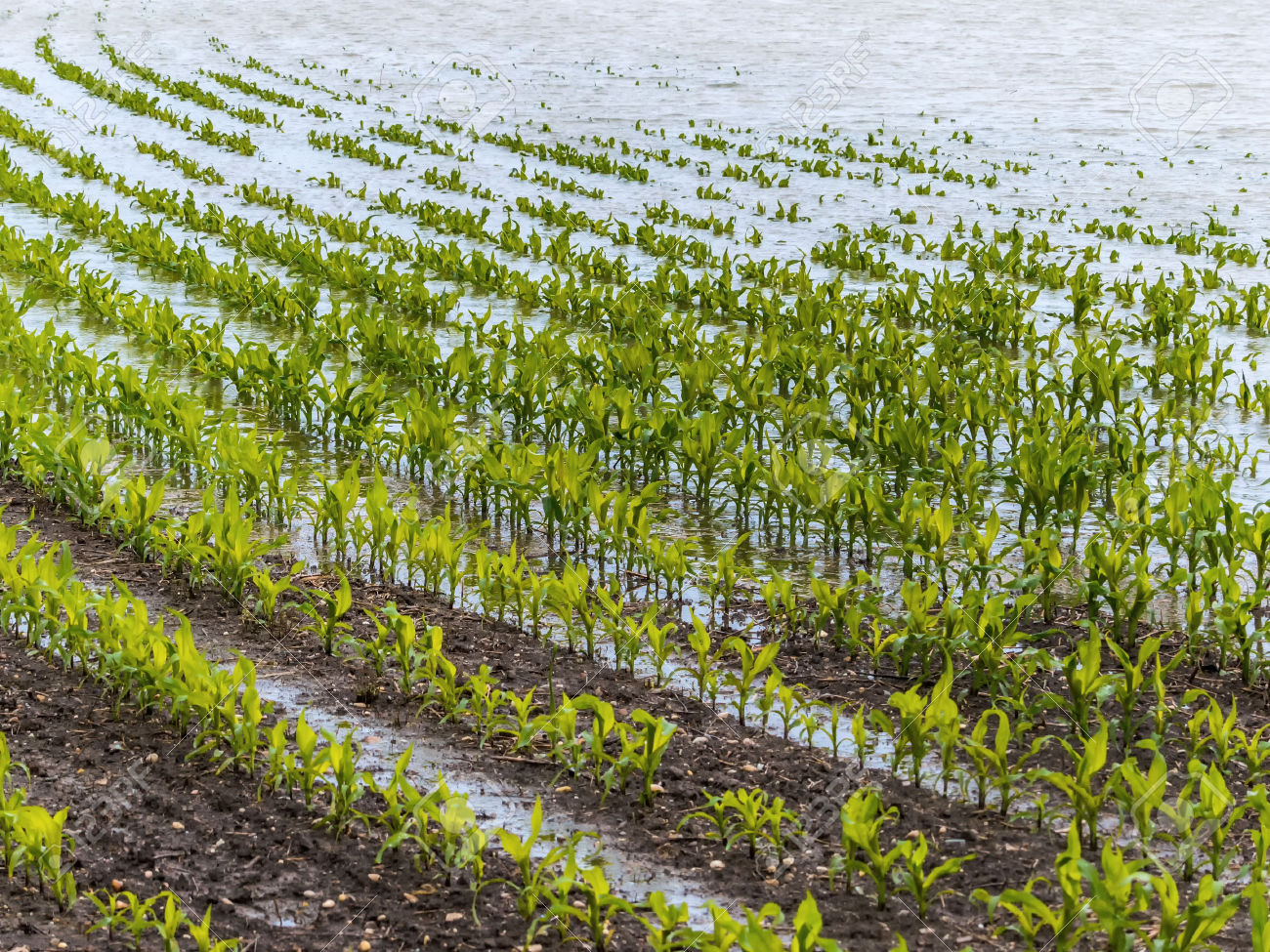
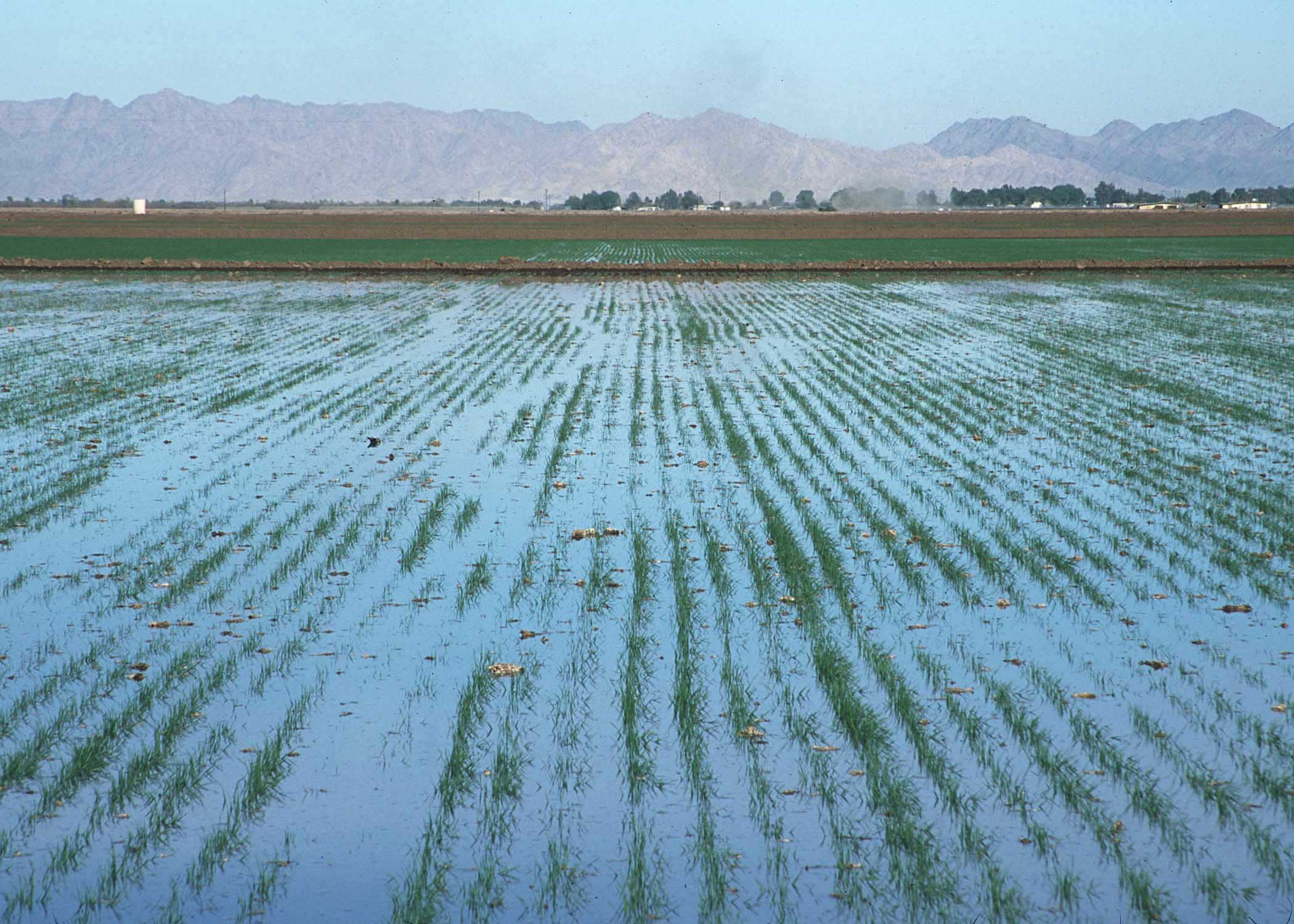
We may have only seen an inch of rain in some areas Saturday night in to Sunday, but accumulated rainfall from the month has washed out many fields in the North Iowa area. “This much rain all at once is not a good thing,” says Chuck Grove, a Clear Lake farmer. Grove says 25% of one of his fields has been damaged by the amount of heavy rain we have seen. “We planted crops back in April and in May and at this point if your soybean fields has been damaged you can maybe replant, but it is essentially too late in the year to replant corn,’ he says. Grove says when we see this much rainfall is when water quality starts to become an issue. “The more rain we get, the small amount of nitrogen we put on the field over the year, there becomes more of a possibility for that nitrogen to get deeper down below the soil where the plant can’t get to the nutrients needed to grow.” He says the ideal situation would be for a drier May and June so the roots of the crops have a chance to grow deeper in the soil, but at this point in the growing season there is not much farmers can do to save their damaged crops. “Every year we take a gamble, plant out crops in the ground, do our best and see how mother nature responds.” Grover says farmers do have crop insurance which is determined by the specific fields yield each year. Source - http://kimt.com

27.06.2016

China - Hailstorm harms red onion crop

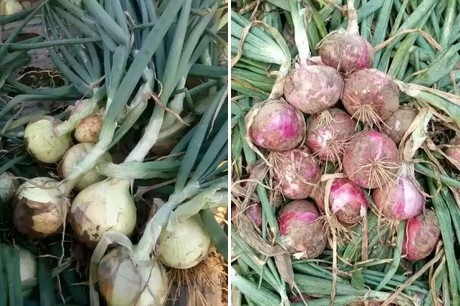
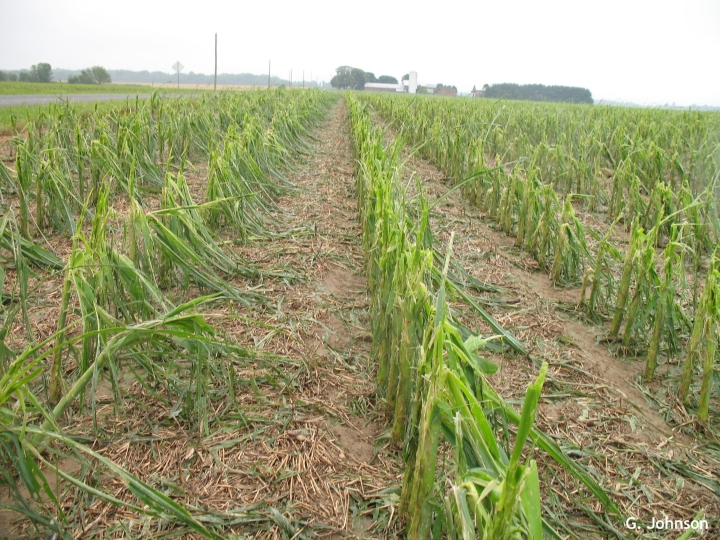
The red onions in Shandong province are already harvested. The sun drying process is also basically finished. Mr. Liu from Weifang explains that "a part of the young shoots were lost in the spring cold, so the production volume is reduced by some 20%." The price for yellow onions is about 1.30RMB/kg. Red onions on the other hand, go for 0.6RMB to 0.7RMB/kg. There are two reasons for this price difference. "Firstly, the price for red onions was really high last year, so many farmers started to cultivate them and the supply increased. Secondly, there was a hailstorm, damaging the red onions that weren't harvested yet. So there is a large supply in the red onion market, but the quality is low," clarifies Mr. Liu. By contrast, the cultivation area for yellow onions was relatively small this year. Harvesting was done earlier, so the onions escaped the hailstorm. The good quality ups the price. "Onions resemble garlic and ginger, they can be stored for up to a year. Because the onion production was low last year, the price for storage onions reached 4RMB/kg." Mr. Liu points out that the onion cultivation surface in Weifang is large. Not only do they supply the domestic market, but a large quantity is also exported to Japan and South-Korea with the help of local packaging and sorting facilities. Source - http://www.freshplaza.com

27.06.2016

Europe - Does climate change threaten vegetable cultivation?

The current weather conditions are having an impact on the 2016 harvest. It's too wet and too cold. Farmers all over Europe are worried about the harvest. In Northern Europe many regions have been affected by heavy rains and floods. Important agricultural areas in France, Belgium, the Netherlands and Germany have been affected. [caption id="" align="alignnone" width="460"] Source: Farmers and winegrowers association Rheinland-Pfalz Süd[/caption] Last week 20% of the leafy vegetables and herbs in the northwest of Germany were submerged in water in such a way that harvesting is impossible. Although these losses probably will be compensated during the year, it will be at a price. Furthermore, the cold wet weather creates a favorable atmosphere for the spread of plant diseases and fungi. The wet soil is too soft for vehicles and this prevents the use of pesticides on the fields. This also causes vegetables to grow slowly. And at the same time, the sowing of late varieties such as cucumbers is delayed in many regions. Despite this alarming situation it is too early to give a reliable estimate of the 2016 harvest. The harvest hasn’t started yet; and just as in previous years farmers might compensate the extreme weather. However the excessive rain shouldn’t increase, that would complicate matters. If the current weather is a result of the climate change, this could become a long-term problem for the agricultural sector. Source - http://www.freshplaza.com

27.06.2016

Philippines - PCIC works to strengthen crop insurance programs in NegOcc

THE Philippine Crop Insurance Corp. (PCIC) is working on strengthening the crop insurance programs in Negros Occidental to cover more farmer-beneficiaries and maximize accessibility to the assistance given by the government. The agency recently conducted the Stakeholders and Partners Meeting at the Nature’s Village in Talisay City. It was attended by city and municipal agriculture officers, personnel of Office of the Provincial Agriculturist, and representatives of partner-agencies like the Department of Agriculture-Negros Island Region, Department of Agrarian Reform, Bureau of Fisheries and Aquatic Resources, and Land Bank of the Philippines. Clarence Jereza, head of PCIC Marketing and Sales Division, and Mao Aurecencia, senior claims adjuster of PCIC Region 6, conducted reorientations on the agency’s crop insurance program policies and guidelines. Jose Ma. Torres, insurance underwriter and officer-in-charge of PCIC- Negros Occidental, said the meeting sought to further equip and prepare partner-agencies in underwriting and claims procedures. “Strengthening crop insurance programs means being able to maximize the accessibility of farmers in the province to the insurance programs being provided by the government through PCIC,” Torres said. Torres said that farmers insurance applications are starting to pour in as the first cropping season officially started. PCIC insurance being implemented this year includes the Registry System on Basic Sectors in Agriculture (RSBSA) through the Department of Budget and Management (DBM) with an allocation of P40 million for Negros Occidental. This is to fully subsidize the premium cost of master listed farmers, Torres said. The Negros First Universal Crop Insurance Program (NFUCIP) with a current budget balance of P9 million is allocated to assist farmers who are not covered by the RSBSA program by providing them premium payment loans payable after every harvest, he added. PCIC-Negros Occidental records showed that in 2015, total amount of claims paid to enrolled farmers in the province through NFUCIP reached P28 million. As of May this year, PCIC has already released about P20 million, it added. Other crop insurance programs assisted by PCIC include Sikat Saka Program, Land Bank of the Philippines-Department of Agrarian Reform’s Agrarian Production Credit Program, and Department of Agriculture’s High Yielding Technology Adaptation, among others. Source - http://www.sunstar.com.ph

24.06.2016

Tanzania - Crop disease, pests management inadequate

AGRICULTURAL sector is vital for ensuring food security and alleviation of rural poverty. Emergence of agricultural crop pests and diseases causes socio-economic implications in the country. The Controller and Auditor General (CAG), Prof Mussa Assad, decided to conduct a performance audit to assess the extent to which the Ministry of Agriculture, Livestock and Fisheries and the President’s Office-Regional Administration and Local Government have implemented strategies for managing agricultural crop pests and diseases outbreaks in the country. Staff Writer FAUSTINE KAPAMA reports… IN Tanzania, the agricultural sector is central to sustainable development of the country as it contributes to almost 24 percent of the country’s Gross Domestic Product (GDP). Equally, agriculture is a leading sector that employs majority of its citizens, approximately 75 percent of the whole population and the majority of them are residing in the rural areas. The Ministry of Agriculture, Livestock and Fisheries, through Plant Health Services has the role of combating agricultural crop pests and diseases by making sure that surveillance systems and control mechanisms are being strengthened. Likewise, the ministry ensures that pest free areas are being protected from introduction of pests and sanitary and phytosanitary, quarantine and plant inspectorate services are strengthened so as to ultimately increase in agricultural production, productivity and profitability to farmers. The management of agricultural crop pests and diseases outbreaks in Tanzania has not adequately reduced the impact caused by the outbreaks. Furthermore, a research conducted by Tropical Pesticides Research Institute (TPRI) in September, 2015 in the same area of agricultural crop pests and diseases indicated that yield loss caused by parthenium weed was 30 percent for sorghum and 40 percent on maize. The outbreak of crop pests and diseases might cause up to 100 percent loss of the yield if no measures are taken. Recently, disease outbreak which attacked cassava crop was reported in Chato, Geita Region, Tarime in Mara Region, and some parts of Mwanza Region. The reported diseases include: cassava mosaic “Batobato” and cassava brown michirizi kahawia. These two types of diseases which affect cassava have reduced the level of food security in the areas as most of the affected farmers depended on cassava for their daily food consumption. The diseases resulted in huge losses of crops in the respective areas. For example, out of seven million metric-tonnes produced annually; four million tonnes were lost due to cassava mosaic disease. In Kagera region, Banana Xanthomonas Wilt (BXW) disease commonly known as mnyauko bakteri was confirmed in January, 2006 in Muleba District. The disease led to loss of revenues among farmers. During the audit period, the outbreak had spread to Bukoba, Misenyi, Biharamulo and Karagwe Districts. Consequently, about 80,000 banana mats (app. 80 ha of bananas) were uprooted. In Tarime BXW was confirmed in February, 2007 and about 600 mats of bananas, approximately 1 ha of bananas were uprooted in just one subvillage. Mathematically, this was calculated as follows: each mat could produce up to 2.5 bunches in one year. One bunch was sold on average of 2,500/= in 2006, therefore taking into consideration affected banana mats in Kagera, it represents the loss of 500m/-in one year. In Tarime the loss was approximately 3.75m/- in 2007 which was realised in just one sub-village. However, for the market value at Kagera Region during the audit period was 10,000 per 1 bunch of bananas. In this regard, the loss could be 2 billion in a year. Approximately 145,000 ha were surveyed by airplane. Locust populations at suitable target densities were located and 22,000 ha were treated. The control operations conducted at the Iku wetland in Katavi National Park with the bio-control product on almost 10,000 ha. The achievement was at least 70 per cent reduction of the locust population in July, 2009. Pest research conducted by REPOA in 2013 indicated that despite the increased cereal crops’ production at national level to about 3.9 million tons per year, still technologies used for harvesting, processing and storage were poor. This led to post-harvest loss of 1.6 million tons on average per year. This means that a total of 40 percent of the annual national production of cereals is lost due to post harvest loss. The Ministry of Agriculture, Livestock and Fisheries has been undertaking several efforts to curb the problems caused by crop pests and diseases. Some of the efforts done were to engage the Agricultural Research Institutes to conduct researches on curbing agricultural crop pests and diseases problems. Likewise, the Agricultural Research Institute conducted trainings on managing agricultural crop pests and diseases and provided seeds of resistant varieties to farmers. Another effort to deal with pest’s management was that, the government decided to become a member of the International Organizations dealing with Locust Management. Being a member of the Organizations, the government contributed a membership fee in order to obtain services from the organizations, in case of Quelea quelea or locust outbreak in the country. Nevertheless, problems of agricultural crop pests and diseases outbreaks in Tanzania are increasing and new pests and diseases are continuing to be reported in the country. In this regard, the Controller and Auditor General (CAG), Prof Mussa Assad, decided to carry-out a performance audit on the implementation of strategies for managing agricultural crop pests and diseases outbreaks in Tanzania by the ministry. Prof Assad’s finds in his report that agricultural crop pests and diseases outbreaks were a threat to farmers and nearly all regions in Tanzania were affected. The number of Local Government Authorities affected ranges from four (4) to 66 and the area infested ranges from 81 hectares to 200,000 hectares. However, he says, the amount lost due to grain loss in 2005/2006 was approximately 240bn/-. Likewise, impact of Quelea quelea was high in 2014 where by 1344 ha were affected causing a loss of almost 4,704 tons which is approximately 4.704bn/- losses. Furthermore, the CAG says, from January 2014 to November 2014, about 2,964,240 banana plants were reported to have been infected with Banana Xanthomonas wilt. According to him, in order to prevent further spread of the disease, about 2,877,653 banana plants with monetary value of 28,776,530,000/- were uprooted, which is actually a loss of incomes to farmers. He further finds inadequate Controlling Mechanisms for the Management of Agricultural Crop Pests and Diseases Outbreaks in Tanzania Surveillance for the identification of agricultural crop pests and diseases outbreak. Surveillance for the Identification of Agricultural Crop Pests and Diseases Outbreaks was not done efficiently and most f the Local Government Authorities visited did not regularly do forecasting of pests at the same time there was an absence of pheromone traps in some visited authorities. Moreover, the CAG shows in the report that the agricultural implementation reports that were sent to President’s Office-Regional Administration and Local Government, through Regional Secretariat to a large extent did not cover aspect of agricultural crop pests and disease outbreaks. The audit team also discovered that the Ministry of Agriculture, President’s Office-Regional Administration and Local Government did not have common plans on how to deal with outbreak incidences, despite the fact that all of them were experiencing similar outbreak of pests or diseases. He recommends the Ministry of Agriculture, has to emphasize on conducting surveillance for early identification of pests and diseases to minimize yield loss and cost of controlling outbreaks and establish mechanisms that will improve sharing of outbreak information with President’s Office. It should also establish mechanisms that will facilitate smooth monitoring and inspection at the entry points to prevent illegal entrance of plants and plant related materials and mechanism that will coordinate smooth intervention on management of Agricultural Crop Pests and Diseases outbreaks. On the President’s Office- Regional Administration and Local Government, the CAG recommends to strengthen mechanisms that will improve sharing of outbreak information with Ministry of Agriculture. It should ensure that Local Government Authorities incorporate the aspect of management of agricultural pests and diseases outbreaks in their strategic plans and come-up with strategies that will improve and influence adequate implementation of data keeping and sharing.  Source - http://dailynews.co.tz

24.06.2016

USA - Farmers hope heavy rains do not hurt 2016 crops

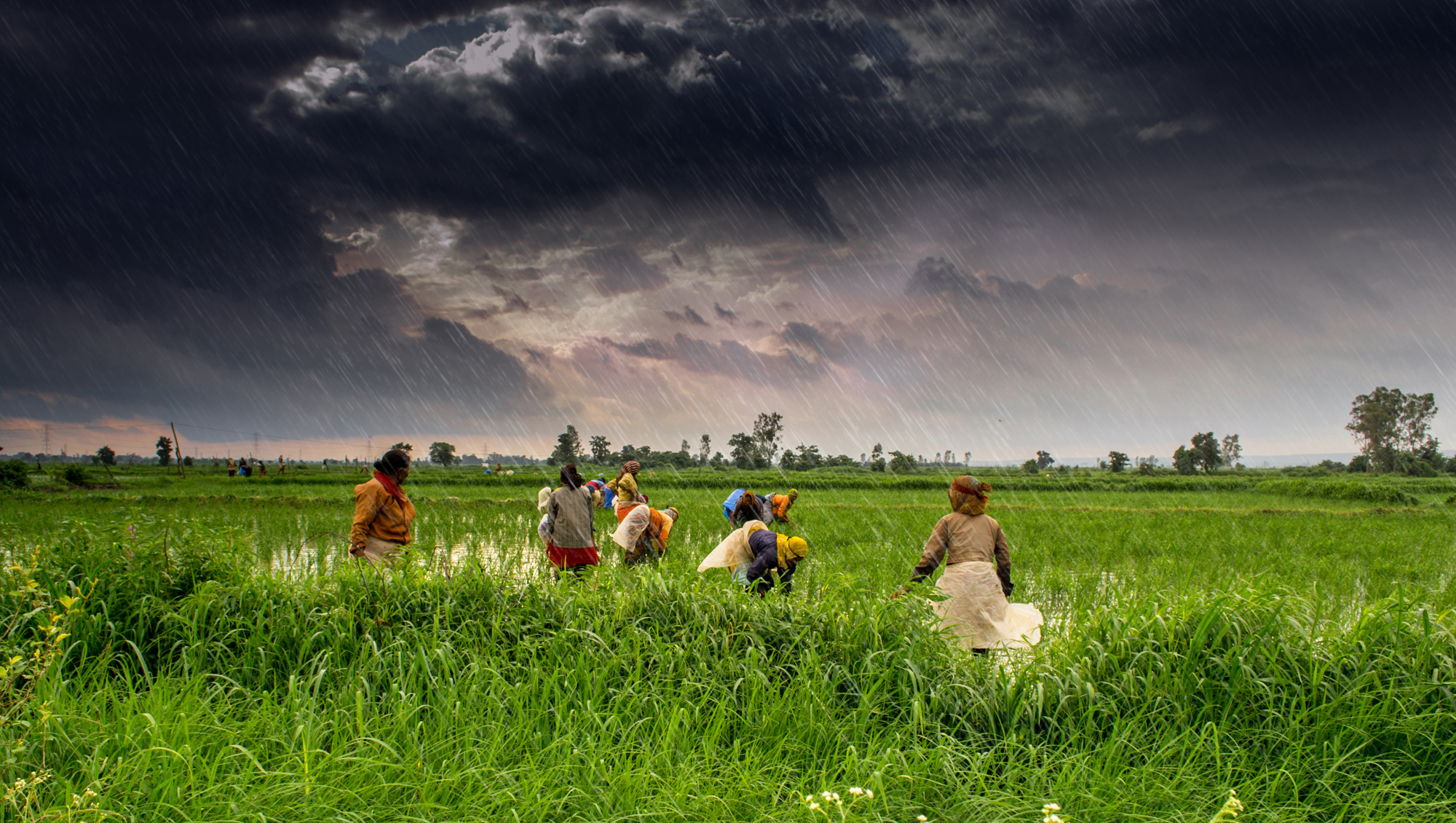
Very heavy rainclouds traveled up from Iowa and swept north across eastern Minnesota and into Wisconsin in mid-June. Big storms passed through Goodhue County from June 10 through June 14, filling rain gauges. Some farmers also experienced pea-sized hail and wind on June 10, said Ryan Buck, giving his report on June 15. Rainwater flooded creeks and streams, as well as some gravel roads and fields. The area had already received plenty of rain – Goodhue County received about 4.5 inches of rain in May. The region received about 1 inch of rain during the first 10 days of June. Then, heavy rain during June 10-12 left 1.0-5.5 inches of rain, according to anecdotal comments. Rainfall on June 14 brought another 1.0-2.0 inches across the county. The Carlson/Buck farmland received 2.0-4.5 inches of rain during June 10-14. “Up until June 10, things were doing pretty well, but now the water runs are all full,” Ryan said. “The majority of the rain all arrived in 45 minutes to one hour. The rainfall hasn’t been long, soaking rains – they’ve been short and heavy rains.” Ryan said there were about 30 hail claims at the insurance office, and another four or five property hail damage claims from the June 10 hail event. “We’re just getting everything turned in, and the adjuster doesn’t come out for seven days. They want to see the new growth and if things are starting to come back,” he said. “We’ll know more what the damage will be around June 22 – once the adjuster looks at it. “Maybe because I am an insurance agent, I never get too excited about it, because you can’t control it. If it happens, it happens. You just have to make sure you’re covered.” Prior to the heavy rain, farmers took care of field applications. The Bucks/Carlsons had urea broadcast with a dry box spreader around June 6. The corn was at the V5-V6 stage. Ryan had 60-84 pounds of N applied to his farmland. Along with pre-plant rates of 70 pounds, that gave the corn fields 130-154 pounds of N per acre. The corn plants began really growing and developed a nice dark green color. Ryan figured that by Summer Solstice on June 20, the corn would be from knee-high to thigh-high – unless significant weather problems developed. Herbicide applications for corn were also completed. The Bucks/Carlsons used a variety of weed control methods. “Some we put pre-emerge down, and some we came and sprayed earlier when it was V2-V3, and used Resicore Herbicide with a little longer residual. That seemed to work, and we’re pretty happy with that,” he said. On some other fields, they used a combination of Roundup, Interlock adjuvant, Sterling Blue herbicide and Class Act adjuvant, plus a couple other products. “It will be a few weeks before we start spraying soybeans.” The grain markets caught Ryan’s attention with the July soybean future trading above $12 on June 10, before losing 30 cents in two trading days. The July corn future traded at $4.37 on June 13. It seemed amazing that cash corn and soybeans were worth $4 and $10 in June, when those prices had seemed so remote back in late April. “It sure is fun to look at the markets when they offer a positive cash flow,” he said. In early June, Ryan traveled to Shakopee for a Minnesota Corn Growers Association government relations meeting. He was updated on the Minnesota 2016 Legislative Session that could have a special session at some point this summer. He was looking forward to attending a board meeting on June 22. “That will be our first board meeting back since planting,” he said.

24.06.2016

Caribbean - Climate change will increase droughts

"Expectations are that climate change will increase the intensity and frequency of droughts in the Caribbean. Thus the countries must improve their ability to cope with them and other problems related to climate so that they can ensure food security and eradicate hunger," the FAO stated. According to a new study by the FAO, the Caribbean faces significant challenges in terms of drought. The region already suffers annual events that are similar to drought, and the low availability of water often  impacts agriculture and water resources, generating a significant number of forest fires. The Caribbean also experiences intense dry seasons, especially in the years when El Niño is present. Even though the impacts of El Niño are generally offset by the next rainy season, the wet seasons often end early and the dry seasons last longer, so there is less annual rainfall than expected. Seven of the 36 most water-scarce countries in the world are in the Caribbean, Barbados is among the top ten of this list. According to the FAO, Barbados, Antigua, Barbuda, Saint Kitts, and Nevis are water-scarce countries, as they have less than 1000 m3 of freshwater resources per capita. "Drought is the most common cause of severe food shortages in developing countries, so this is a key issue for the Caribbean's food security," said Deep Ford, FAO Regional Coordinator in the Caribbean. The impact of drought on agriculture and food security Agriculture will be the most affected sector as the droughts become more seasonal in the Caribbean, which will result in serious economic and social consequences. This is particularly important because most of the Caribbean agriculture is rainfed. The countries freshwater supply will be increasingly more important as the use of irrigation becomes more widespread in the Caribbean. Drought can affect the agricultural sector in various ways, by reducing crop yields and productivity, or causing the premature death of livestock and poultry. A dry period of only 7-10 days may result in reduced yields, influencing the lives of farmers. Farmers, particularly small farmers, are vulnerable to drought. The lack of rain threatens their livelihoods if their crops are rainfed. Low water levels increase production costs because they have to increase irrigation. Drought affects the nutritional value of the livestock from grazing areas. Drought tolerant species, which have a lower quality, are beginning to dominate, increasing the vulnerability of livestock. The drought also increases the risk of livestock diseases. The poor are vulnerable because the droughts are usually associated with an increase in food prices.  Desalinated water, which is more expensive, becomes an increasingly more important source of water supply in the Caribbean, and it already represents up to 70% of the water supply in Antigua and Barbuda, which can significantly affect the poor. Rural communities are vulnerable because their water networks are hit more strongly during the drought, while children are at a greater risk of having an inadequate water supply throughout drought events. Source - http://www.freshplaza.com

24.06.2016

Australia - Flooding hits Tassie vegetable producer

Tasmanian vegetable producer Harvest Moon suffered 15ha of destroyed leek crops when the Forth River burst its banks this month in some of the worst flooding in 26 years. Leeks were strewn through the streets of Forth earlier this month after floodwaters caused hundreds of thousands of dollars damage to vegetable producer Harvest Moon. The worst flood to hit the town in recent memory has devastated the business which had their offices flooded and more than 120 hectares of land submerged on Monday, June 6. Harvest Moon agricultural director Mark Kable said that it was too early to say the exact cost of the damage but estimated it to be in the hundreds of thousands of dollars. He said it was the worst flooding he had seen in his 26 years in Forth. “Probably well over 120 hectares under water,” Mr Kable said. “Our office will be out of action for two to three months.” About 15 hectares of leek crops were destroyed but most planted crops had already been harvested prior to the floods. Typically the producer would have 150 employees packing at the Leith Road facility but on the Monday workers were told to stay home. A core group of staff members worked from 5am to get important supplies and equipment up to higher ground. Despite preparation for the deluge, Mr Kable still had to endure several hours of helplessness and watch as the flood waters continued to rise. All he could do was “sit and wait and pray,” as water continued to rise, peaking just before 1pm on the Monday. Mr Kable said the water came higher than the 2007 floods and seeped into the lower factory and offices, reaching about 1.5 metres in height. He said the council’s plastic barricade installed at the top of Leith Road was crucial to saving nearby houses from the worst of the flood. Seasonal workers living in the houses were told to leave and provided new accommodation by Harvest Moon. The priority of operations has now turned to getting packed produce interstate. A makeshift office has been set up in the warehouses on higher ground as staff continue to pack produce. Source - http://www.freshplaza.com

24.06.2016

USA - Crop Insurance Changes Give Farmers More Planting Flexibility

Acting Deputy Secretary of Agriculture Michael Scuse today announced that the federal crop insurance program will provide additional flexibility to farmers. The modifications center on the practice of growing two crops on the same field at different times of the year, which is known as double cropping. “We are constantly looking for ways to meet the needs of our farmers and seek out their feedback so we can best provide them with the tools and resources they need to grow and support their operations,” Scuse said. “After receiving input from a number of stakeholders, we made these changes to the federal crop insurance program to provide greater flexibility and better reflect current agricultural practices.” The U.S. Department of Agriculture’s (USDA) Risk Management Agency (RMA) worked to provide additional flexibility requested by farmers. Double cropping requirements are revised to adequately recognize changes in growing farm operations or for added land. This change will address both land added to an operation, and account for multiple crop rotations. These changes will be in effective for the 2017 crop year for most crops, starting with winter wheat. Under the Obama Administration, federal crop insurance programs have been enhanced to ensure that America’s farmers and ranchers have the strongest safety net possible that applies to the diverse types and sizes of farms in our country, and the wide variety of products they grow. USDA federal crop insurance programs provide producers with greater access to financial tools than ever before, at a time when prices are low, and access to credit can be difficult. Working with producers, RMA has developed innovative and well-received products to adapt the program to today’s diverse farm operations. Special focus has been given to more diversified farms, small farms and beginning farmers and ranchers. Crop insurance is sold and delivered solely through private crop insurance agents. Contact a local crop insurance agent for more information about these changes. Source - http://www.hoosieragtoday.com

23.06.2016

USA - New Rules Seen ‘Major Step’ for Drone Industry; Rules on Deliveries Still to Come

The Obama administration is opening U.S. skies to more commercial drones with long-awaited regulations that the government hopes will spawn new businesses inspecting bridges, monitoring crops and taking aerial photography. In the most comprehensive set of rules yet for the burgeoning unmanned aircraft industry, the U.S. Federal Aviation Administration on Tuesday went far beyond its original restrictive proposal issued last year. Drone operators will be able to petition the agency to fly beyond the horizon, at night and over people if they can show such flights are safe. “We are in the early days of an aviation revolution that will change the way we do business, keep people safe, and gather information about our world,” President Barack Obama said in an interview with Bloomberg News. “This is just a first step, but this is the kind of innovative thinking that helps make change work for us — not only to grow the economy, but to improve the lives of the American people.” Low Flights The rules could be a boost for drone manufacturers such as SZ DJI Technology Co. of China, the world’s largest. U.S. companies that have been working with the FAA on expanding drone operations, such as PrecisionHawk in Raleigh, North Carolina, and AirMap Inc. of Santa Monica, California, also stand to benefit. The new regulations, which will become effective two months from publication in the Federal Register, took years to craft and are seen as a critical step toward realizing the potential of drones to perform such tasks as monitoring crops, inspecting power lines and pipelines as well as assisting government agencies in disasters. The basic rules permit only low-level flights that remain within sight of an operator or nearby assistant and don’t go over people. Drone operators-for-hire will have to pass a written test and be vetted by the Transportation Security Administration — but no longer need to be airplane pilots as current law requires. Drones under the regulation must weight less than 55 pounds ( 25 kilograms) and keep speeds below 100 miles (161 kilometers) per hour. Allowing a device to be within eyesight of an assistant — a change from the proposed rules industry advocates won in the final version — means an operator can guide a drone by its video signal. Drone package deliveries by companies such as Amazon.com Inc. and Alphabet Inc.’s Google Project Wing aren’t allowed under the regulations until the FAA writes separate rules governing their use. Similarly, the limitations in the regulations won’t initially permit longer flights for agricultural flyovers, pipeline and utility inspections and news media photography over crowds. However, the agency heeded industry comments to its earlier proposal and added flexibility so that many such activities would be permitted under a waiver program, FAA Administrator Michael Huerta said in a telephone briefing. “Our focus is to make this as streamlined as possible,” Huerta said. The agency will open an online portal through which applicants can learn how to file for waivers, he said. Solving the more complex problems inherent in drone deliveries — which envision autonomous vehicles buzzing over highly populated areas — is a “very active research program,” Huerta said. He declined to set a timetable on when such flights would be permitted. While the rules don’t apply directly to hobbyists, who don’t need a license to fly if they’ve registered their drones with the FAA, it lays out the government’s authority to enforce aviation regulations on all unmanned aircraft. Symbolic Victory Drone-advocacy groups called the regulations a symbolic victory that paves the way for those future uses. The Association for Unmanned Vehicle Systems International trade group forecasts drones will produce $82 billion in economic value and create more than 100,000 new jobs in the first 10 years after widespread flights are approved. “This is a watershed moment in how advanced technology can improve lives,” Brendan Schulman, drone maker DJI’s vice president of policy and legal affairs, said in an e-mailed statement. “After years of work, DJI and other advocates for reasonable regulation are pleased that the FAA now has a basic set of rules for integrating commercial drone operations into the national airspace.” The FAA’s decision to drop a requirement for a pilot’s license “is a significant win” for the industry that opens it to many more operators,” Diana Cooper, PrecisionHawk’s senior director of policy, said in a web posting. “I regard it as a significant milestone,” said AUVSI President Brian Wynne, who had been pushing FAA to issue the regulations for years. “We’ll accelerate the process of understanding what the risks are that will allow us to move on to more complex operations.” For some companies, the rules didn’t move fast enough. “We still have a long way to go, specifically when it comes to long-distance, or beyond visual line-of-sight, drones,” Tero Heinonen, chief executive officer of Sharper Shape Ltd., a Finnish-based company that has begun power-line inspections in Europe, said in a statement. The company expects to apply to the FAA for a waiver within months, Heinonen said. Ahead of EU The release of the rules puts the U.S. ahead of Europe in setting standards for the drone industry. The European Union has yet to adopt comprehensive rules for civilian drones, according to the European Aviation Safety Agency website. Individual nations have imposed restrictions, but they differ across borders. EASA is trying to develop rules by 2017. The FAA has already convened groups to study how to eventually allow such flights without waivers. Test programs are examining how to: approve long-range drone flights in which an operator steers with video images; make unmanned craft safe to fly over people; and expand agricultural uses. The Obama administration also announced new federal initiatives with NASA, the FAA and other government agencies to study how to broaden drone uses for tasks such as disaster response and environmental monitoring. NASA is already developing an air-traffic control system for low-altitude drones. Privacy Concerns Privacy concerns will be addressed by a new government campaign to educate operators and businesses. The National Telecommunications and Information Administration last month issued non-binding privacy policy suggestions. Commercial drone operators will be tested on privacy issues as part of their license, according to the Obama administration. The FAA has permitted commercial drone operations — those conducted for hire, as opposed to recreational flights by hobbyists who don’t need a license — since September 2014 under a case-by-case  exemption process ordered by Congress. Drone operators under this program had to have a traditional pilot’s license. As of June 2, the agency had granted 6,004 such permits to fly drones commercially. The new regulation allows a far easier approval process and is expected to swell the ranks of commercial operators. The agency is dropping the requirement for a pilots’ license, relying instead on a simpler knowledge test. FAA-approved drone operators will have more leeway to fly different drone models and multiple missions. ‘Major Step’ The regulations also will promote safety at a time when hundreds of thousands of hobbyists are flying with limited FAA oversight, Wynne said. There were more than 1,200 reports of drone safety incidents last year, including flying too close to airliners, according to FAA. The new rules codify what until now have been set out as FAA policy statements and interpretations. All drones are aircraft and subject to FAA enforcement actions if operators are reckless or fly in prohibited zones, according to the agency. “We need an attitude of professionalism where people are working to improve the safety record all the time,” Wynne said. People who obtain FAA drone-pilot certificates will now have an economic incentive to help police the system, he said. Operators will be restricted to flying below 400 feet, more than five miles from an airport without obtaining FAA permission Source - http://www.insurancejournal.com

23.06.2016

USA - Early control of volunteer wheat advised in hail-damage crop

Volunteer wheat doesn’t all emerge at the same time, unfortunately. Some can start emerging early where wheat in the heading stage was damaged by hail, said Dallas Peterson, K-State Research and Extension weed management specialist. Where volunteer is emerging early, producers should consider making their first control measures sooner than they might like, he said. “Producers often like to wait several weeks after harvest before making their first herbicide application to control volunteer wheat,” Peterson noted. “This allows as much volunteer as possible to emerge before spraying it or tilling it the first time. Often, a second application or tillage operation will be needed later in the summer to eliminate the green bridge to wheat.” But where wheat was hailed out and volunteer has already emerged at the time of harvest, control should begin immediately after harvest if possible. “Even if this ends up requiring one more field pass than normal to keep volunteer under control throughout the summer, starting early in this situation will help prevent even bigger problems down the road. It should be noted that grazing volunteer is not an effective control option because there is green wheat material left and the mites survive in that material,” Peterson said. Why the need for early control of volunteer in hailed-out wheat? Where wheat suffered hail damage after heading, volunteer often emerges even before the existing field is harvested – as much as two to three weeks earlier than it would normally emerge after harvest, he said. This volunteer wheat is especially likely to become infected with wheat curl mites and lead to problems later in the season if left uncontrolled, said J.P. Michaud, entomologist at K-State’s Agricultural Research Center in Hays. Wheat curl mites will move off growing wheat as the green tissue dries down and dies, Michaud explained. After moving off the existing wheat at or near harvest time, the mites need to find green tissue of a suitable host soon or they will die of desiccation, he said. “Research has found that the mites can live quite a few hours off the plant, and up to 24 hours under low temperature conditions, so significant numbers of mites may be blown in from farther away than previously thought,” Michaud said. If there is young volunteer wheat growing at the time the current wheat crop is being harvested in the nearby region, the mites can quickly infest those volunteer plants and survive, he said. “If volunteer has emerged and is still alive shortly after harvest in hailed-out wheat, wheat curl mites could easily build up rapidly and spread to other volunteer wheat that emerges later in the season. On the other hand, if this early-emerging volunteer is controlled shortly after harvest, that will help greatly in breaking the green bridge. If more volunteer emerges during the summer, follow-up control will still be needed,” Michaud said. Volunteer wheat is not the only host of the wheat curl mite, he added. Recent research has evaluated the suitability of wild grasses as hosts for both the curl mite and the wheat streak virus. “Barnyardgrass topped the list in terms of suitability for both virus and mites, but is fortunately not that common in wheat fields. In contrast, green foxtail, although a rather poor host, could be an important disease reservoir simply because of its abundance. Take note of significant stands of these grasses in marginal areas and control them as you would volunteer wheat,” Michaud advised. If volunteer wheat and other hosts are not controlled throughout the summer and are infested with wheat curl mites, the mites will survive until fall and could infest newly planted wheat at that time, he said. Wheat curl mite infestations of wheat often lead to wheat streak mosaic infections. Volunteer wheat also serves as a potential host and green bridge for Hessian fly, greenbugs, bird cherry-oat aphids, and Russian wheat aphids, he added. Source - http://kticradio.com/

23.06.2016

USA - USDA changing insurance rules for replanting crops, counting double-crop acres

USDA’s Federal Crop Insurance Corp. is changing rules and definitions for replanting crops and counting double-crop acres starting in the 2017 crop year. The rule changes, meant to clarify crop-insurance policies for farmers and insurers, will be published Wednesday in the Federal Register. USDA is trying to clarify rules regarding when it is “practical to replant.” Concerns have been raised regarding the definition, difficulty and inconsistency in the replanting language on crop-insurance policies. Insurance companies have varying interpretations regarding when it is practical to replant even when adjusters from different companies are working on an early season crop loss in the same area. USDA wants to set a clearer definition for when a field and crop is considered practical to replant, and if not replanted, when coverage would not be provided for that initial lost crop. The new definition on “practical to replant” also would include exceptions for weather conditions that make it impossible to replant, or would have an effect on seed germination and emergence. According to the rule language, USDA will consider it practical to replant by looking at moisture availability, marketing window, condition of the field and time until crop matures for that replanted crop to ensure it will reach maturity before the end of the insurance period. It will be practical to replant before the late-planting period, or on or before the final planting date if there is no late-planting period for that crop. However, the exception will apply if it’s physically impossible to replant the acreage or if there is no chance that the seeds would germinate, emerge or develop into a healthy plant. Another change would make it easier on farmers who double crop certain acres. Farmers have a problem keeping records on acreage and production in areas that may be double cropped, or not. For instance, if a farmer has two fields in the same crop-insurance unit, a farmer may only double crop on one field and not the other, but the farmer is expected to keep production records showing that part of that unit was double cropped and part of it was not. Current double-cropping requirements don’t take into account changes in a farm operation such as accounting for added acres. The rule change will deal with both added acreages on a farm and account for multiple crop rotations. USDA is changing the rules to allow eligible double-cropping acres to be based on either the highest number of acres double cropped in the last four crop years, or the percentage of acres historically double cropped. The double-cropping rule would make it easier to deal with records production. If a farmer doesn’t have specific records on production and acreage for the double-cropped acres, then USDA will allocate the first and second crop production to acreage in proportion to the liability for the acreage that was double cropped and acreage that was not double cropped. For example, if a farmer who doesn’t maintain separate acres for a double-cropping field operates a 100-acre farm that has historically double cropped 50 acres of wheat followed by soybeans, then the farmer has 50% of acres that are considered historically double-cropped. So if the farmer buys an additional 200 acres, then the number of acres eligible for double cropping would be 150 acres, or 50% of the total farm. While USDA is publishing the rule as “final,” the Federal Crop Insurance Corp. will have a 60-day comment period that could prompt possible further changes in the rules. More details on the rule change for practical to replant and double cropping will likely be provided by USDA’s Risk Management Agency to crop insurers and farmers as the marketing year begins for the 2017 crops. Source - http://kticradio.com

23.06.2016

India - 13% Karnataka farmers avail benefits of crop insurance

Farmer suicides along with the state's poor record in crop insurance schemes is a huge concern for the Karnataka Agriculture Prices Commission (KAPC). The percentage of farmers utilizing the Prime Minister's Fasal Bhima Yojana (crop insurance scheme) in the state is just 13, against the national average of 20%. The Institute of Social and Economic Change (ISEC) has been tasked with investigating the reasons for farmers not availing the benefits of crop insurance. "The study will find out what makes crop insurance schemes more farmer friendly. Poor response to National Agriculture Insurance and Modified National Agriculture Insurance schemes saw them being scrapped," said Pramod Kumar from the Agricultural Development and Rural Transformation Centre. "Farmers are plagued by risk at every stage owing to excessive dependence on nature. A farmer can incur losses despite a good harvest if he fails to get the right price for his produce," said Meenakshi Rajeev from the Centre for Economic Study and Policy. ISEC held the first round of meetings with farmers, insurance companies and banks. Source - http://timesofindia.indiatimes.com

23.06.2016

Canada - Freak hail storm leaves $12,000 damage

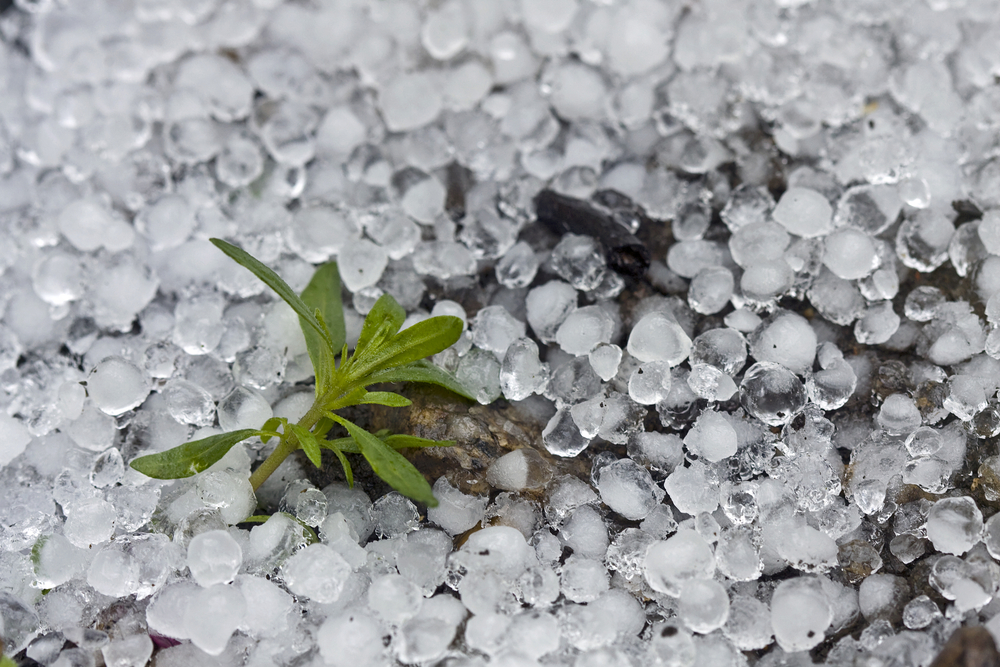
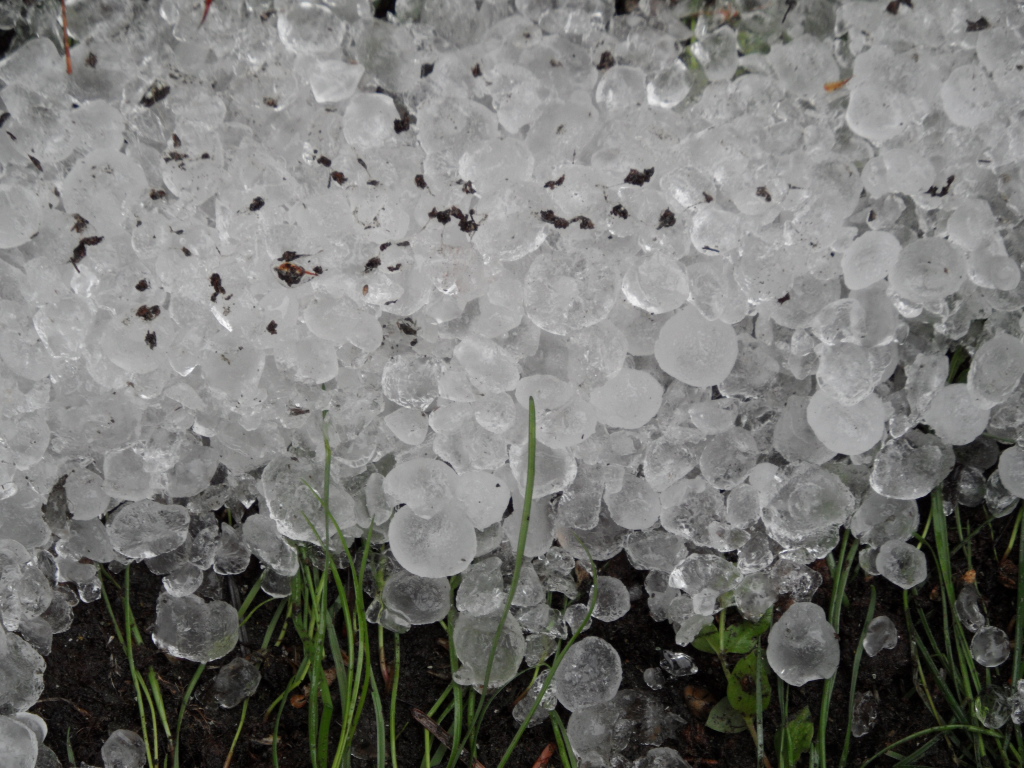
A sudden and vicious hail storm on Thursday left Russell Farms Market & Garden Centre reeling. Market spokeswoman France Bournazel said the storm struck at approximately 1 p.m. and lasted just about 10 minutes, but dumped approximately four inches of hail and ice in the immediate area around the business, located north of Duncan, in that short time. Bournazel said the biggest loss was approximately  600 pounds of raspberries left on the vine to be picked over the Father’s Day weekend. She said they were a complete loss as a result of the storm, and there was also extensive damage to the market’s lettuce, cabbage and strawberry crops. “There was also structural damage to the buildings, and many of our shelving systems were destroyed,” Bournazel said. “I figure we had about $12,000 worth of damage to the market. We have no crop insurance so it’s a major setback for us. I feel like crying.” But Bournazel said the market will “bite the bullet,” pick up the pieces and move forward. She added workers are quickly repairing the damage and more plants will planted to replace the damaged ones. “We’ll get through this, but it’s quite depressing,” she said. “Russell [Stewart] said that in all his years farming in the Cowichan Valley, he has seen nothing like it.” Matt MacDonald, a meteorologist with Environment Canada, said a slow-moving low-pressure system that’s “cold in nature” had been making its way slowly over the province’s south coast last week. He said the weather system made for an “unstable atmosphere” over parts of southern Vancouver Island and caused severe thunderstorms that brought heavy hail in some instances. “When the system is as slow-moving as it was last week, thunderstorms can pop up over very small areas and dump lots of precipitation,” MacDonald said. “It’s pretty typical for this to happen at this time of year. But the weather is forecast to be more summer like for the region after the first day of summer.” Source - http://www.cowichanvalleycitizen.com

854
of 1225