NEWS
876
of 1225
News
05.04.2016

India - Financial aid to be sought from Centre for crop loss

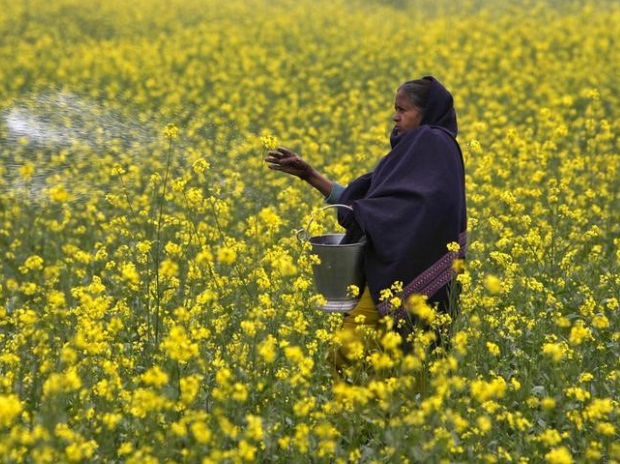
In a bid to receive financial aid from the Centre for crop loss suffered by the farmers due to unseasonable rainfall in March, the Rajasthan government is expected to notify the disaster and declare drought through state gazette soon. According to the officials, the assessment (girdawari) is already underway and final report is likely to be ready by April 15. However, the preliminary report suggests that loss could exceed than expected. To deal with the fall out, government has already hinted that it will declare drought situation through official orders. Besides, a memorandum would also be submitted to the Centre seeking immediate financial help for the affected farmers. "Presently, assessment is still going on and we have to assess the final figures. However, the early reports suggest that at some places it is between 10 to 20 per cent while at others it may even go above 30 per cent," said an official. The districts that are highly affected due to unseasonal rains and hailstorms include Jodhpur, Bikaner, Ganganagar and Hanumangarh. In Ganganagar district, the estimates suggest that 60 per cent of the early sown mustard crops may have been damaged due to hailstones. The standing wheat crop is said to have suffered heavy damage in Hanumangargh and Bikaner districts, while chickpea plantations are said to have similar fate. The Centre has already been intimated so that process of survey and releasing of funds could be expedited. "There is sort of understanding that soon we send them the report and submit memorandum, teams would be dispatched for the survey," added an official. Source

05.04.2016

Malaysia - Crop insurance to protect farmers from risks

The Agriculture and Agro-based Industry Ministry will soon introduce “crop insurance” to protect farmers from risks linked to climate change such as drought, diseases and floods. “In its first phase, the crop insurance will cover only padi. Later, it will include other agriculture activities such as livestock, agro-food commodities such as fruits and vegetables as well as the fisheries sector,” said minister Datuk Seri Ahmad Shabery Cheek. The insurance, he said, would make the agriculture sector more attractive to investors and give the farmers peace of mind, knowing that they were protected from the risk of any unfortunate eventualities. Ahmad Shabery said the ministry had identified strategies to increase export and control imports such as intensifying production and efficiency, enhancing the competitiveness of Malaysian products and developing import substitution, which included changing Malaysian lifestyles to create more demand for local products. “We also import a vast amount of animal feed such as soy and maize. We will explore how these can be grown on our own farms.” Ahmad Shabery said the ministry would carry out a mid-term review of the National Agro-Food Policy (NAP) soon. NAP outlines the directions for agro-food development from 2011 to 2020. It has generally taken into account the effects of climate change. “Although the main reason for the mid-term review is to evaluate our current achievements compared to what we have planned before, new challenges such as climate change and new opportunities such as exports of our agro-food will also be considered,” he said. Ahmad Shabery said the review would take into account food sovereignty as the country must not only be able to produce its own food but also be able to export it. “History has proven that in times of war or peace, the sovereignty of a nation can be easily crippled by its over-dependence on foreign sources of food,” he said. But he said that Malaysia has adequate food items with self-sufficiency levels (SSL) for fish, vegetables and poultry being at least 90% despite the hefty food import bill. The SSL for rice, a staple food for Malaysians, is about 70% and the remainder includes special varieties such as fragrant, basmati, brown and glutinous rice. For other food items such as poultry, the SSL stands at 105%, eggs (120%), fruits (100%), fish (90%), vegetables (90%), beef (28%) and milk (13%). But he conceded that much of the food consumed by Malaysians was still imported. Source - thestar.com.my

04.04.2016

India - Crop insurance: new dawn for farmers?

Crop insurance schemes have not been a hit with Indian farmers in the past. High premia, limited coverage, complicated ways of assessing losses and delayed payment of compensation have kept farmers away from them. Given the high risk of crop damage in India, with significant loss in food grain production in 18 of the last 54 years (which is once in every three years as per data from the Commission for Agriculture Costs and Prices), it has become vital to address the flaws in the existing crop insurance schemes — the National Agriculture Insurance scheme (NAIS) and MNAIS (modified NAIS). Out of the total farm land of 195.26 million hectares in the country, only 42.82 million hectares or 22 per cent is insured. It is in this backdrop that the Centre launched the Pradhan Mantri Fasal Bima Yojana in January this year. While the outline of the scheme looks attractive, the success of the plan lies in its implementation. Adequate sum insured The main setback with the existing crop insurance schemes is that the sum insured (SI) is too small to make any difference to the farmer. In 2013-14, for instance, while the average per hectare output was worth ₹41,442, the sum insured (SI) under various crop insurance schemes was just ₹18,464 (kharif - ₹19,141 and rabi - ₹16,927). While the insured sum here looks sufficient to cover the cost of production, it is way less than a farmer’s income in a normal season. In MNAIS, the Centre capped the maximum premium that can be paid for a crop. So, in crops where actuarial rates were higher, insurers reduced the sum insured proportionately, says Ashish Agarwal, Head - Agri Business, Bajaj Allianz General Insurance, which covers about 38 lakh farmers under its crop insurance scheme in 2015-16. For instance, suppose in Uttar Pradesh’s Lalitpur district, the actuarial premium (based on the assessment of risk by the insurer) was fixed at 22 per cent for paddy, but 11 per cent was the cap on premium fixed by the Centre. So, even if the farmer wanted SI of ₹30,000/hectare, he would get cover for only ₹15,000 (₹30,000* 11% = ₹3,300 = is the maximum amount that can be collected as premium, but the insurer can go only with his actuarial rate, so he will reduce the SI to ₹15,000: ₹15,000*22% =₹3,300). This, however, will change with the new scheme. Under the Pradhan Mantri Fasal Bima Yojana, there is no cap on premium. So the farmer will be covered for the full ₹30,000 and the premium will be paid to the insurer — ₹600 by the farmer and ₹6,000 by the State and the Centre (earlier, the farmer paid ₹900 and the Centre ₹2,400). In the new scheme, the sum insured is the average of the past seven years ‘threshold’ yield for the specific crop (excluding calamity years) in the village it is grown, multiplied by the minimum support price (MSP). Lower premium In the existing crop insurance schemes, farmers cough up substantial costs for insurance. In the Pradhan Mantri Fasal Bima Yojana, however, the premium outgo will drop substantially. Farmers will have to pay just 2 per cent of the SI for all kharif crops, 1.5 per cent for rabi and 5 per cent for commercial or horticulture crops. Wider coverage Unlike in the earlier schemes, in the new one, there is greater risk coverage. For instance, there was no cover for risks specific to a region (landslide, inundation) in NAIS. In MNAIS, risk of loss to cyclonic rains was given only to coastal regions. Under the Pradhan Mantri Fasal Bima Yojana all risks are covered. Post-harvest losses due to cyclonic rain or thunder are covered for farmers across India. Also, unlike in NAIS, the new scheme covers loss due to adverse weather conditions preventing sowing of crops after expenditure has been incurred. Faster settlement A delayed settlement process for crop loss defeats the very purpose of insurance. The delay in settling claims for existing schemes was sometimes as long as six months to a year. Amit Bhandari, Head – Health & Agriculture, Underwriting and Claims at ICICI Lombard General Insurance, says, “Estimation of yield through manual crop cutting experiments and the time lag in sharing the yield data with insurance companies results in delay in settlement.” To expedite the process, the Centre has directed the use of drones and other satellite-based technology when assessing crop damage and estimating acreage. It has also mandated authorities to use smart phones to capture images of crops to improve the quality of yield data. As the images come with GPS time stamping, the process will be more reliable. Another leading general insurer says the Centre has now laid down the deadlines clearly. From the number of days within which the State has to give the certified yield data to the insurance company, to the maximum number of days within which the Centre/State has to pay their premium subsidy to the insurer, and the number of days for the insurance company to settle claims — everything has been put down on paper. Source - m.thehindubusinessline.com

04.04.2016

Africa - Western Cape welcomes more drought relief funding

Agriculture MEC Alan Winde announced an additional R23m in drought relief for the Agri Western Cape on Thursday 31 March. The decision is welcome news to the Agri Western Cape, whose Chief Executive Officer Carl Opperman commended the department, saying it was doing "an excellent job at utilising available funds optimally". "The Western Cape receives no drought assistance from the national government, despite the fact that the West Coast region and Central Karoo had been declared drought disaster areas. The additional money will go a long way in supporting both emerging and commercial farmers in the province," Opperman said. He also called on the national government to have the Western Cape declared a drought disaster area. Opperman said the department's Smart Agri plan to manage climate change - an initiative that Agri Western Cape is part of - would benefit agriculture in the Western Cape. "Although Western Cape producers [experienced] a period of extreme heat and drought, they are grateful for the rain of the past few days and remain positive about the production season," he said. Source - freshplaza.com

04.04.2016

Kenya - Crop re-planting insurance launched

Farmers from areas prone to unpredictable weather can now benefit from a new type of insurance that guarantees compensation to replenish seeds in case they fail to germinate. Dubbed the Re-planting Guarantee, the cover will be rolled out in Central, Nyanza, Eastern, Upper Coast, lower Western regions. It is a partnership between UAP Insurance, Acre Africa, SeedCo and Safaricom where farmers register via short text messages. So far over 40,000 farmers in the last two years have been covered, according to UAP-Old Mutual Group Managing Director James Wambugu. “With the Kenya Meteorological Department predicting lower rainfall this year, we expect to register at least 900,000 farmers, indicating the seriousness with which farmers are taking the year’s planting season,” Mr Wambugu said. Source - standardmedia.co.ke

04.04.2016

USA - New grape varieties resistant to Pierce's disease

About 20 years ago, researchers began looking at different grape species to see which were most resistant to the Xylella fastidiosa bacteria that cause Pierce's disease. The University of California estimates Pierce’s disease (PD) costs the state $104 million per year, but with the development of new varieties, this could be reduced. According to Andy Walker, Professor in the Department of Viticulture and Enology at the University of California, they found some forms of Vitis arizonica offered good resistance, which was controlled by a single gene. “When we crossed vinifera – cultivated wine grapes and table grapes – to that source, they were fully resistant,” Walker says. In the 20 years since then, researchers have been working to perfect these varieties. Walker says they’ve whittled it down from about 4,000 to 5,000 seedlings to just a handful of highly resistant plants. He adds that all the work has been done through classical breeding, so there’s no GMO component involved. “We’re getting very close to release now,” Walker says. “We’ve got about five selections to start with, and then maybe another five that come over time.” Commercialization is still way off; the varieties have to go through two campus committees, then Foundation Plant Services, which releases them to the nurseries. Those nurseries then have to decide if they want to grow them. Some nurseries have already been actively supplying plant material to Texas and other areas in the south, where they anticipate a high demand. “We’re considering a pre-release program where we get them into the nurseries before they’re fully ready to be commercialized, and then out from there,” Walker says. “We’re trying to optimize things as much as possible.” Still, he estimates it will be at least two years and could be as many as five years before the varieties will be readily available to growers. “It will be a slow process,” he says. Source - freshplaza.com

04.04.2016

India - Nothing substantial in crop insurance scheme

State Secretary, CPI(M) J&K, GhulamNabi Malik has said there is a “little” in Crop Insurance Scheme to justify the government’s claim that it is a path breaking scheme for farmers’ welfare. He said many shortcomings existing in previous schemes are yet to be removed. Pointing to the deficiencies in the scheme, he said: “It is yet to be decided which crops will be brought under the scheme. Similarly the premium is high for both agri and horticulture crops and an individual farmer has not been considered as the basic unit to be insured in the new crop insurance policy,” Malik in a statement said. He said the frost that causes huge damage to various crops has not been included in the category of calamities and only 10 per cent land has been decided to be brought under this scheme during current fiscal year. The CPI (M) leader observed that Pradhan MantriFasalBimaYojna (PMFBY) has nothing substantial to offer to the hapless section of the society. “This policy seems as a dressed up version of existing crop insurance schemes without addressing any basic issues.” Malik said the government seems to have “dressed up the existing crop insurance schemes with minor improvements”. He said a lot of hype has been created to give an impression that the farmers have been finally secured from recurrent crop losses, which is not true. “This exercise is unfortunately another missed opportunity to redress a long-standing and critical problem of the farm sector,” Malik remarked.  “Unless the long pending grievances of farmers are addressed comprehensively, the crop insurance scheme adopted in J&K is not going to lead to address the farm distress,” the CPI (M) leader said. Source - greaterkashmir.com

04.04.2016

Israel - Mixed feelings towards apple picking robot

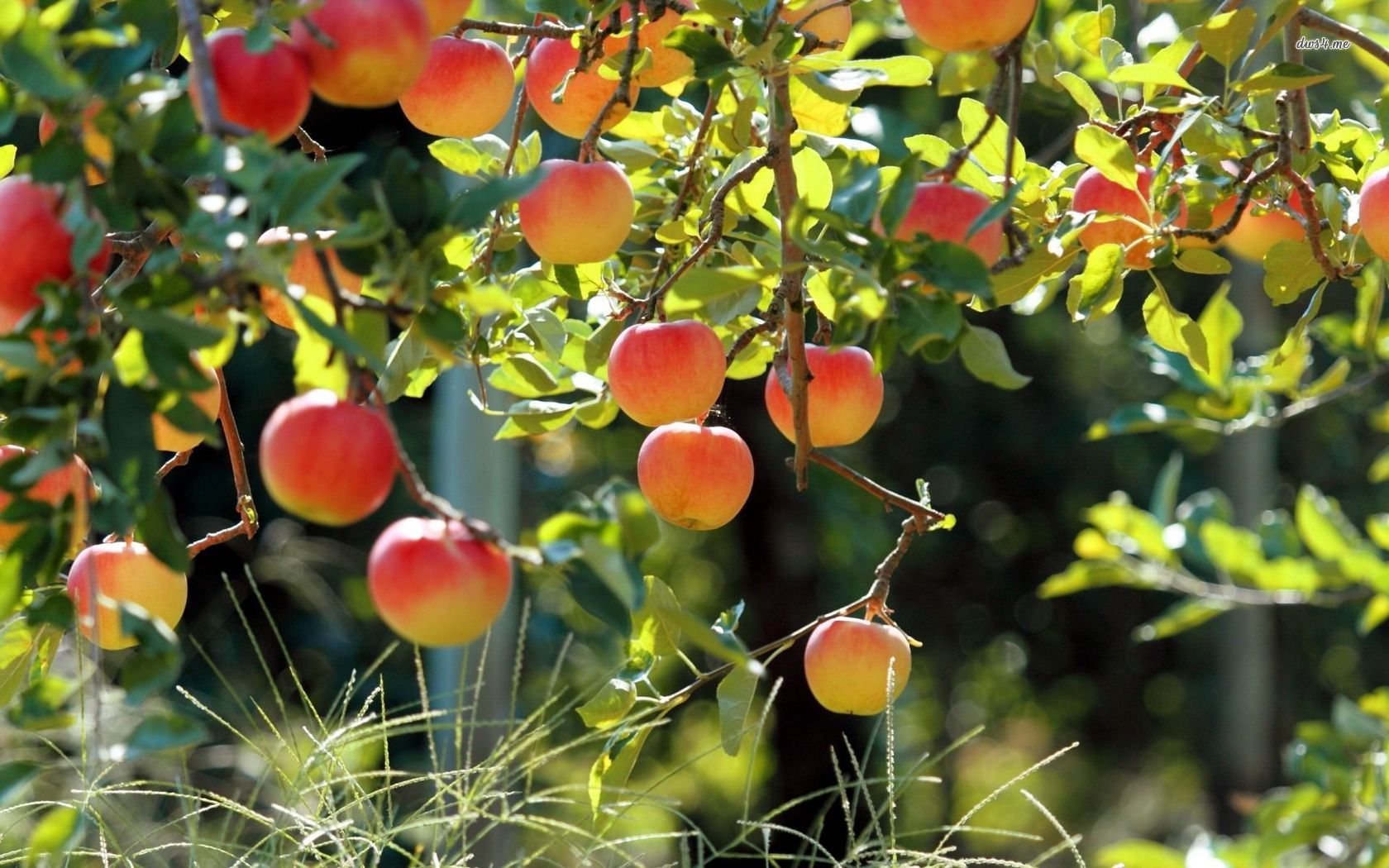
In what is becoming a worldwide trend in agriculture, the process of apple picking is set to be revolutionized by the invention of an autonomous robot that can replace the need for manpower and improve harvest results.                                                       "One robot will replace 30-40 workers", promises the inventor of the robot, Avi Kehani of FFRobotics, "The machine will know to pick fruit when it is ripe and the quality of the harvest will be better. Additionally, the robot will have multiple arms on each side so that the work rate will be impressive." The developers of the robot have been working on it for nearly two years and have registered it as a global patent. While it is still under development, the final robot will have 12 arms, 6 on each side, and will be able to pick hundreds of tons of fruit per day. A major advantage of automating the harvest process is that the robot could operate continuously with minimal supervision and work under various weather conditions. In regards to cost, the plan is for the robot to be "cheap enough to where it pays off using it over using harvest crews". That is expected to mean a cost of some 200 thousand dollars per robot, making its cost similar to that of a tractor. Despite the innovation that such a development brings to the field, it is received with mixed feelings by the growers who are wary of giving up on employing their laborers. A veteran apple grower who assisted the development of the robot said that "as an older grower I feel odd about taking labor out of the harvest, but unfortunately we are seeing the situation we have in agriculture these days and we need to start making a profit, making our investments pay off." Source - freshplaza.com

01.04.2016

USA - When Rivers Can’t Be Controlled, Farmers Are Left In Limbo

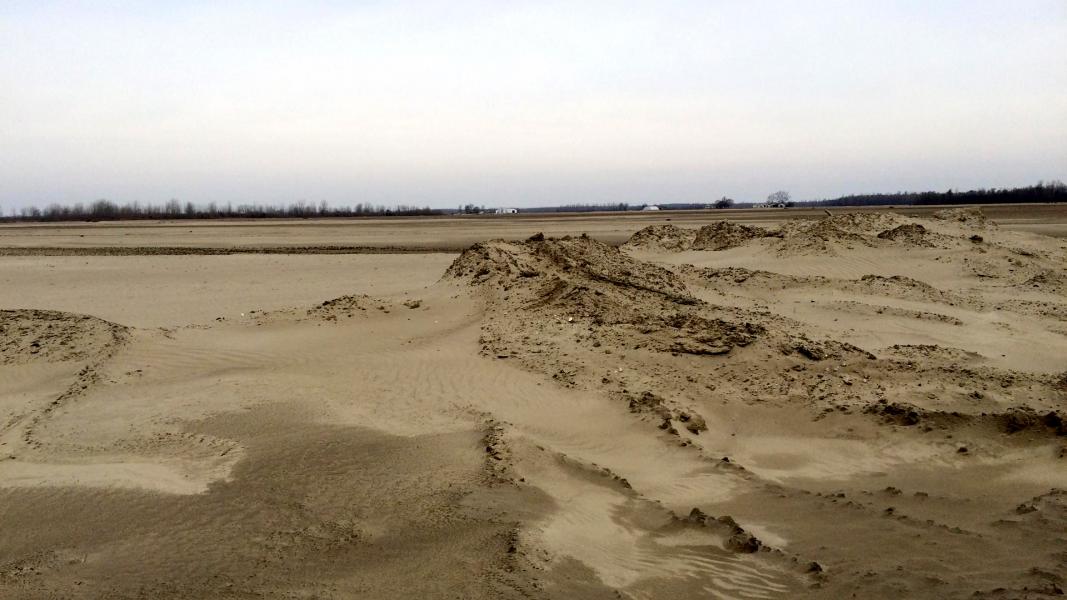
A massive winter flood on the Mississippi River cracked open a levee near the Missouri-Illinois border and damaged thousands of acres of farmland. With the planting and flood seasons both right around the corner, farmers aren’t sure what to do next. Driving along rough and muddy gravel roads next to what was once a rich soybean field, farmer Adam Thomas gazes out on an upended mess of tubes, wheels and hoses from a nearby farmer’s irrigation system. Nowadays, his farmland in Miller City, Illinois, looks like a scene from “Lawrence of Arabia.” Layer upon layer of sand as much as 4-feet deep covered nearly 100 acres. Large sand deposits, fallen trees and fragments of a damaged road wreaked havoc on his once fertile farm ground. The damage is the result of a massive winter flood, which left thousands of acres of Missouri and Illinois farmland damaged. In January, excessive rainfall in the Mississippi River caused a rare winter flood. Floodwaters shattered records, plunging nearly 43,000 acres of land underwater and causing a mile-long hole in the Len Small levee, according to the Natural Resource Conservation Service. After nearly three months, the levee still has a gaping hole and farmers like Thomas are left in limbo. “As long as there's a hole in that levee, it can put the sand right back where it was,” Thomas said. “There's no point in fixing the roads. There's no point in digging the ditches. There's no point in cleaning anything up, because if you do all that come April it could just put it all right back on it.” Fields today essentially open right onto the river, which could bring water, sand and silt right back onto farm fields this summer. With normal flood season approaching and a chunk of the levee gone Alexander County Engineer Jeff Denny said time’s running out. “There's just not enough time and enough working conditions, working days to be able to get in and make some sort of repair or do something,” Denny said. The U.S. Army Corps of Engineers said it is placing rocks along the Mississippi River’s bank to prevent it from cutting another channel. As for the levee, there aren’t current plans to fix it. Illinois’ Alexander County farmers are part of a familiar debate about farmland in the floodplain, and who’s responsible for its protection. Farmers on the Missouri River experienced similar damage after a massive flood in 2011. Rivers are unpredictable and despite efforts to manage them, they can’t always be contained. That can leave farmers, business owners and residents of the floodplain in the midst of a confusing situation. “The Midwestern floodplain soil is some of the richest in the world exactly because it has flooded periodically for a millennia,” said Christine Klein, a law professor at the University of Florida. When farmers plant in the fertile floodplain they’re left at the mercy of both the river and the engineers that try to control it. Throughout the 20th Century, Klein says, huge levee systems, government disaster relief programs and subsidized federal flood insurance were generally created with good intent, but have created untenable futures. “The net result of those three things is that people are lured into harm’s way,” Klein said. “They say, ‘Well there’s a levee there. They, somebody – someone who’s hopefully omniscient is telling us it’s safe to be here.’” Now, farmers in Alexander County are left to play a game of Russian Roulette. To plant or not to plant? Farmer Adam Thomas is planning to delay planting his crop, thanks to the potential for flooding through the busted levee. “The farmers can't fix it back,” Thomas said. “If the farmers could fix it back, we'd be fixing it back right now. But we just can't do it alone this time. And we need some help.” Source - netnebraska.org

01.04.2016

USA - Farm income continued decline last year

Despite record crop yields, the incomes for Minnesota farms continued to decline in 2015, reaching their lowest point in inflation-adjusted dollars in 20 years. A major factor was the continued decline in prices for virtually all major commodities produced by Minnesota farms. Unlike 2014, when livestock producers had a very good year, both crop and livestock farms struggled financially in 2015. "It was expected the numbers would he down," said Kent Thiesse, farm management analyst and vice president of MinnStar Bank in Lake Crystal. "The median net income was all the way down to $27,000, so there were obviously a large number of operators that showed a loss in the year." For south-central Minnesota, the news was even worse with the average net at $20,600. The findings, released Thursday, are from the annual farm income analysis conducted jointly by Minnesota State Colleges and Universities and University of Minnesota Extension. Big yields, low prices “Thank goodness for record yields,” said U of M Extension economist Dale Nordquist in a news release. “At current prices, the average crop producer would have suffered a net income loss of over $50,000 with normal yields.” Overall, the median net farm income for Minnesota farmers was down 37 percent from 2014. The median income for crop farms was just over $26,500, up from $16,500 in 2014 but far less than incomes earned during the “golden years” of 2010–2012. The median livestock producer earned just under $24,000, down from over $110,000 in 2014. "All aspects of the livestock industry were down. It was a tough time on livestock," Thiesse said. Because of earlier national droughts that caused ranchers to sell off cattle herds, prices for beef last year was sky high, limiting consumer interest. The price of pork, on the other hand, plummeted from oversupply. The poultry sector was hammered last year by a bird influenza epidemic, but how serious those producers' losses were are unknown. They are not part of the voluntary data reporting used in the study. Crops prices spiral down Crop yields were outstanding last year with corn at 198 bushels per acre statewide, 30 bushels higher than the previous 10-year average. But the downward spiral in prices that began in 2013 continued. The average price for corn dropped to $3.75 per bushel down from $4.37 the year before. Soybeans sold for $9.45 per bushel, down from $11.67 the previous year. Livestock: Big '14, then bust Prices for every major livestock commodity dropped sharply in 2015 after hitting record prices the year before. Dairy profits declined sharply to an average profit of $41,500, down 70 percent from the 2014. The price received for market hogs dropped 27 percent in 2015 and beef fell a modest 2 percent. But because of the herd shortage, cattle feeders had to pay 11 percent more for feeder calves. Tough year ahead "Thus far, 2016 is setting up to be even a more dismal year unless we see some surprises in the grain markets," Thiesse said. "What we're seeing the first three months, there isn't much hope there will be any rebound. We have big supplies and the new USDA report is that there will be more corn acres (planted) this year." Commodity prices have hit major headwinds with weak international economies and the strong dollar putting pressure on global demand, according to the report. On the plus side, some costs, especially fuel and fertilizer, have come down. Cash rents, the major expense for most crop producers, decreased about 5 percent in 2015 and are expected to go down more in 2016. While those reductions will help, for many producers the costs of production are still higher than prices currently available for 2016 production. Despite the tough years, most farmers still have strong balance sheets as many of them paid down debt on land and other things during the boom years a few years ago. Source - mankatofreepress.com

01.04.2016

Philippines - Worms attack onion farms

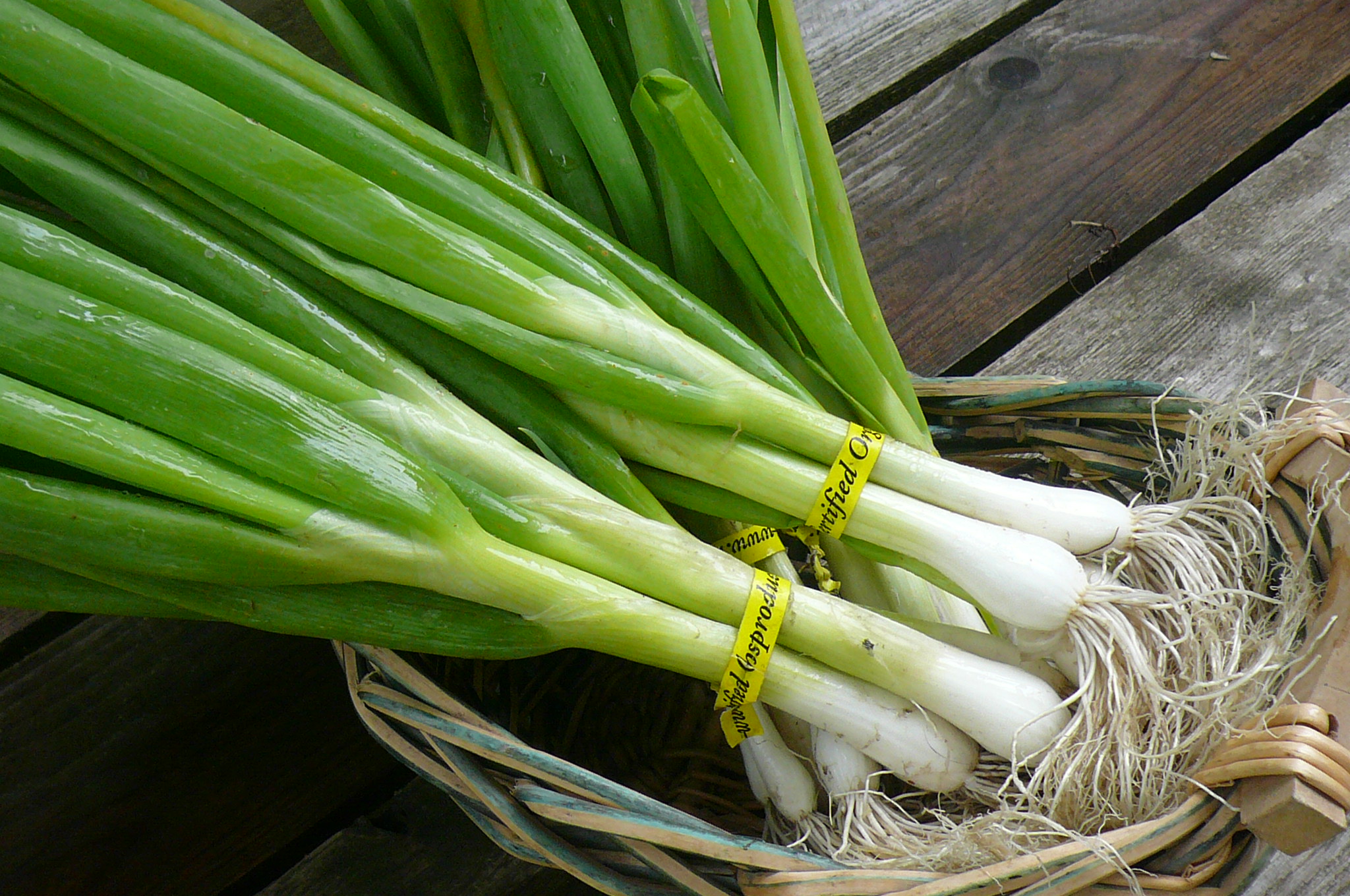
Around a thousand farmers in Nueva Ecija, the Philippines, have been affected by an army worm attack on their onion farms that started in February. Farmers remove the worms by hand; the process is called “pangunguto” (lice picking), and is one of the steps recommended by government agriculturists. The infestation has almost doubled the cost of farm inputs this season. Under normal conditions, farmers spend from P80,000 to P100,000 worth of inputs for each hectare of onion farms. As of March 22, 389 hectares of onion farms had been destroyed by army worms, while 358 ha were damaged, according to Serafin Santos, provincial agriculturist. He said farmers were discouraged from using too much chemical in fighting the worms. State of calamity Mayor Leonido de Guzman Jr. said a state of calamity had been declared in the town covering infested farms. The declaration allows the municipal government to access funds for farms which suffered P125,533,750 in damage, he said. De Guzman also said the impact of the worm attacks does not warrant importation to make up for the lost onion supply and asked importers not to flood the market. (1 Philippine Peso=0.022 USD) Source - freshplaza.com

01.04.2016

Nepal - Storm destroys banana plantations

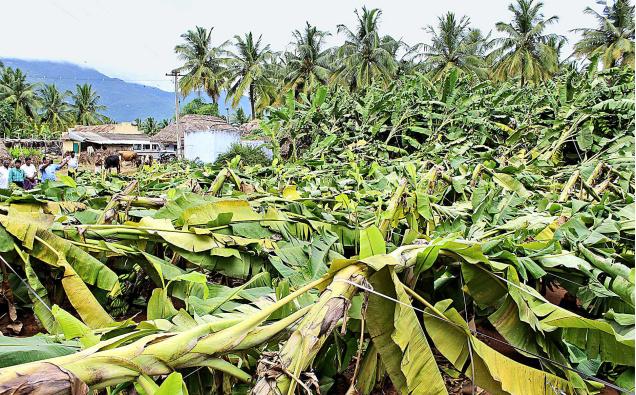
A roaring dust storm which struck banana plantations in Chitwan, Nepal on March 28, has caused devastation, with local farmers estimating over Rs 10 million in losses. “I planted banana plants on about nine bighas of land (1 bigha=about 6,772 m²), but the storm destroyed around 50 per cent of the plants. Similarly, farmers in places like Ratnanagar, Chainpur, Pithuwa and Padampur have also incurred huge losses due to the storm,” said Chitwan Banana Producers’ Association Chairperson Bishnuhari Pant. He added, “Around 15,000 to 20,000 banana plants have fallen due to the powerful storm in the district.” He said around Rs 600 million was invested in banana plantations in the district. “There are around 600 farmers involved in banana growing in the district. Among them, 170 had insured their plantations, which makes them eligible to claim damages in case of disaster,” said Pant. The government has been promoting banana plantation in Chitwan for the past six years as per its ‘One Village One Product’ programme. Banana plantations occupy around 2,500 bigha of land in the district and are sent to Kathmandu, Butwal and Pokhara. (1 Indian Rupee=0.015 USD) Source - freshplaza.com

01.04.2016

India - SAC okays crop insurance policy

The State Administrative Council (SAC) which met here today under the chairmanship of Governor NN Vohra gave its nod to the implementation of Pradhan Mantri Fasal Bima Yojna. The scheme would be rolled out from the 2016 kharif season. The implementation of the scheme would be a landmark towards securing crops of farmers and growers against natural calamities, pests and diseases and would cover all major risks to crops. It would provide major relief to the farming community against losses suffered by them on account of unfavorable and fluctuating weather and climatic conditions, including rain, hailstorm, storm, flood, inundation, landslide, drought, dry spells, pests and disease. The farmer would have to pay a uniform premium of only 2 per cent for all kharif crops and 1.5 per cent for all rabi crop. In case of annual horticulture and commercial crops, the farmer would have to pay a premium of 5 per cent. The remaining part of the premium subsidy would be borne by the Centre and the state on a 50:50 basis. The state government would be implementing the scheme in a phased manner. To begin with, 10 per cent area would be covered during 2016-17. This scheme was compulsory for loanee KCC farmers and optional for others, but was envisaged to cover all farmers in a phased manner within two and three years, depending upon the response.Backed by the setting up of automatic weather stations and carrying out crop-cutting experiments on a scientific basis, the scheme promises to provide prompt and easy settlement of claims through the use of technology like GPS, remote sensing and drones to assess actual crop damage and losses. The scheme would operate on the principle of ‘area approach’ in the selected defined areas called insurance unit. A high-level committee of the state government would notify crops and defined areas to be covered during the season as per operational guidelines. The Agricultural Production Department was asked to work out necessary details immediately for implementation of the scheme with effect from 2016-17 kharif crop and notify the schedule accordingly. It was decided that adequate publicity be given to the scheme through radio, electronic and print media. To acquaint farmers with benefits accruing from the scheme, various institutional mechanisms were being put in place. Source - tribuneindia.com

31.03.2016

USA - A Tale of Two Maps: Why Crop Insurance Is Different

People often ask why Washington has to involve itself at all in providing crop insurance to American farmers. After all, homeowners across the country buy fire insurance, individuals buy life insurance, business owners buy casualty and liability insurance, all without taxpayers having to kick in subsidies.  So why are farmers any different?  Why the special treatment? It’s a fair question, and the answer can be seen in two maps recently published by USDA’s Risk Management Agency (RMA), which operates the Federal crop insurance program on behalf of the Federal Crop Insurance Corporation (FCIC).  What they demonstrate is a phenomenon economists call “systemic risk,” and that makes all the difference. The two maps show, county by county, the amount of money FCIC and its partner insurance companies paid farmers for crop losses during two recent years, 2012 (top) and 2015 (bottom).  The darkest areas show the worst damage. 2015, the lighter map, was a better-than-average crop year, with losses limited and scattered about the country.  Notice the very few dark-brown splotches across the Midwest, where the biggest concentrations of insured crops are raised.  Payments to farmers for crop losses that year have reached only $5.7 billion, far less than the $9.6 billion collected in premium (of which about 60 percent is taxpayer-subsidized). As a result, the system showed a profit, shared between taxpayers and private insurers. By contrast, 2012 was a bad-weather year when severe drought hit much of the Midwest.  Notice the extended dark-brown areas.  Losses were massive, totaling over $17 billion in indemnities, far outstripping premiums. The system ended the year in the red by almost $6 billion, including almost $2 billion in losses for private insurers. Herein lies the basic difference between agriculture – with high “systemic risk” – and other forms of coverage.  Take home-owners insurance, for instance.  Here, insurers know, based on years of experience, that a certain number of houses will catch fire or be hit by falling trees any given year, but the likelihood of every house in California or Illinois catching fire all at once is severely low.  As a result, insurers can set premium rates and plan payouts in a predictable way, with financing in place.  The same is true for life insurance.  Demographic data show that a certain percentage of people at each age group will die in any given year.  Each death is a unique tragedy, but the national levels remain stable year after year. For an unusual event like a San Francisco earthquake or an East Coast tsunami, this predictability allows insurers to plan ahead by tapping global “reinsurance” markets that spread the risk worldwide. Agriculture, though, is the opposite.  A major drought or flood can wipe out all the farms in a large production area all at once, as we saw with 2012.  A disaster this bad may occur only once every ten years or so, but that can be enough to bankrupt the system and preclude private investment. This is why, prior to Washington’s getting involved in the 1930s, insurance for farm crop production barely existed in the United States, limited to isolated risks like hail.  Even there, sky-high premiums make it unaffordable to all but the most affluent growers.  Even the original bare-bones Federal crop insurance system created in the 1930s left participation low.  As recently as the 1990s, when disaster struck (like the historic 1988 drought and 1993 flood in the Midwest), Congress stepped in with expensive, often-wasteful, after-the-fact ad hoc farm disaster relief programs.  Taxpayers paid the tab, and farmers had no chance to manage their coverage. But beginning with the 1990s, a succession of Congresses and Administrations began investing in Federal crop insurance, increasing fiscal supports and developing better products in partnership with private providers.  Crop insurance became affordable, and farmers since then have voted with their checkbooks to make it the principal safety net for American agriculture, replacing the old ad hoc disaster bailouts. The key was recognizing that phenomenon of “systemic risk.”  It made Federal support essential.  In a blow-out year like 2012, the Federal government, through FCIC, cushions the system by absorbing the deepest blows, allowing the system to weather the storm.   That’s the difference.  It’s real, and you can see it in those shades of yellow and brown.  Just look at the maps. Ken Ackerman, a former administrator of USDA's Risk Management Agency, and Elliot Belilos represent farmers and crop insurance AIPs (approved insurance providers) in crop insurance disputes. Source - ofwlaw.com

31.03.2016

Canada - Deadline for Accessing Crop Insurance Enhancements

Each year enhancements are made to the Crop Insurance Program, ensuring it remains effective and relevant for Saskatchewan farmers and ranchers.  The 2016 enhancements include: The highest coverage in program history, averaging $216 per acre. Increased Establishment Benefit values for soybeans, lentils, barley and Khorasan wheat. Adding an Establishment Benefit of $30 per acre for camelina. Expanding the insurable area for fababeans to cover the entire province. Providing individual coverage for those who grow Khorasan wheat. SCIC has also improved the forage insurance program. The cap on the variable and in-season price option for forage has been removed. If the market price for hay rises over the course of the year, producers selecting these two pricing options will see the full price increase reflected in their forage claim. Forage coverage has also increased more than 30 per cent and the Establishment Benefit is up to $70 per acre. Producers who prefer to do their business online are encouraged to use CropConnect where they can review their coverage selections and use the online tools to see what coverage best fits the needs of the operation. Source - saskcropinsurance.com

31.03.2016

India - Crop insurance scheme remains "unsucessful" as farmers pay high premium

The existing crop insurance scheme remains unsuccessful as it is being implemented in only six states because farmers are forced to pay a higher premium and get a very small amount of claim due to capping of the sum insured, a senior Agriculture Ministry official said. The Modified National Agricultural Insurance Scheme (MNAIS) is being implemented since 2013-14 rabi season in Andhra Pradesh, Rajasthan, Uttar Pradesh, Uttarakhand, Goa and Kerala. Under MNAIS, premium rates to be paid by farmers are 2-15% while the actuarial premium is up to 57% depending on high-risk crops and areas. "In MNAIS, premium rates have been capped and if the actuarial premium rate is higher than the capped rate, the sum insured would get reduced in the same proportion. This would lead to lower payments in the case of calamity in spite of higher premium rates," the official said. For example, the actuarial premium of paddy in Lalitpur district of Uttar Pradesh was 22% for Kharif 2014 and sum insured per hectare was Rs 30,000. Since premium was capped at 11% under MNAIS, the sum insured accordingly was reduced to Rs 15,000, he said. The official further said a farmer would have paid a premium of Rs 825 for the reduced sum insured of Rs 15,000. For the crop loss of 70%, he would have got a maximum claim of Rs 10,500 instead of Rs 21,000. In Bhilwara district in Rajasthan, the actuarial premium for sesame seed was 42.34% in Kharif 2014 and sum insured per hectare was Rs 27,000. Due to capping, the sum insured came down to Rs 7,015 and accordingly, the claim amount also got reduced to Rs 4,910 from Rs 18,900. "Since actuarial premium rates are high for more risky areas and having high variability in yield, the sum insured also gets reduced proportionately due to capping system and therefore, farmers in these districts do not get the full benefit of crop insurance," the official explained. That apart, there is a huge difference in the premium rates for different crops in adjacent districts since tendering is done at the district level, he said. Farmers find it difficult to know the premium rate they have to pay due to variation in rates from one district to another, he added. Stating that there is a huge delay in settlement of the claims under MNAIS, the official said there is a time lag in providing yield data from crop cutting experiments. Although the insurance urea area for crop cutting experiments has been reduced to the village level, many states have expressed inability to do this exercise, he said. Besides MNAIS, the Centre is implementing the National Agricultural Insurance Scheme (NAIS) since 1999 under which premium rates are fixed at 1.5-3.5% for foodgrains and oilseeds crops and actuarial rates for horticultural and cash crops but all claim liability is on the government. NAIS is being implemented in 14 states. In 2014-15, the insurance coverage was for only 23% of the total gross area of 194 million hectares. Source - dnaindia.com/

876
of 1225