NEWS
877
of 1225
News
31.03.2016

Spain - Improvement of Crimson Seedless with reduced irrigation

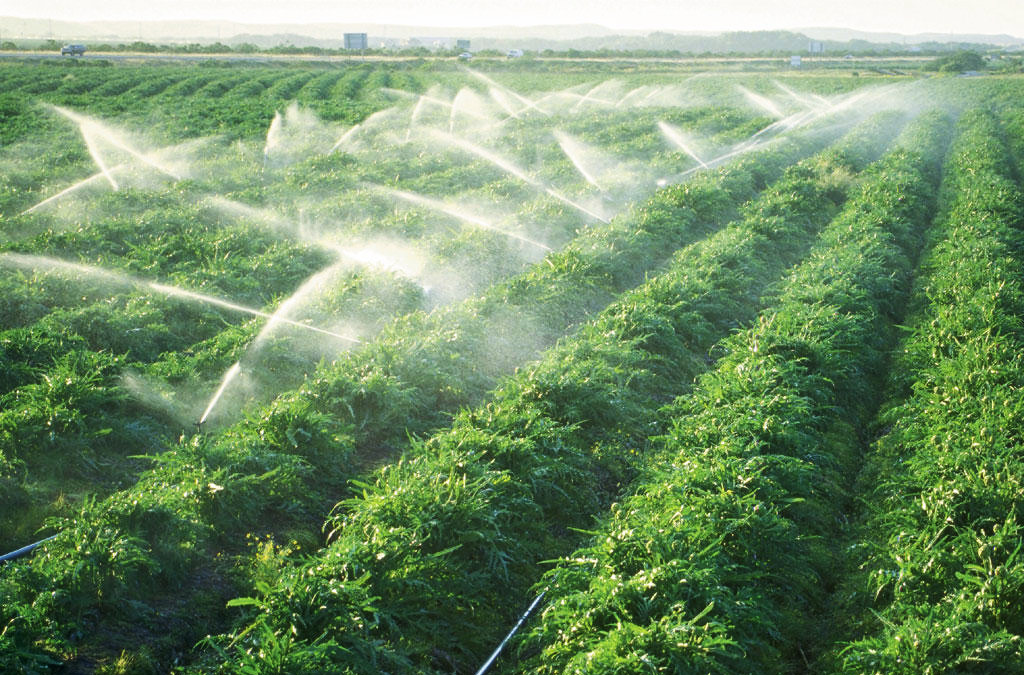
The grape variety Crimson Seedless can be grown with substantial water savings while improving the fruit's size and colour, as demonstrated by a doctoral thesis presented this month at the Polytechnic University of Cartagena (UPCT). Research conducted by María del Rosario Conesa has demonstrated the suitability of this variety to be handled with techniques such as a regulated deficit irrigation (RDI) and partial rootzone drying irrigation (PRD), achieving average water saving of around 35% while keeping production volumes and crop quality stable and boosting essential attributes, such as size and colour. Studies carried out for three years in a commercial plantation have also managed to improve the fruit's antioxidant capacity and increase the content of beneficial bioactive compounds, such as resveratrol. The thesis, funded by a research project of the Ministry of Economy and Competitiveness and directed by Dr Alejandro Pérez Pastor and Rafael Domingo Miguel, of the research group Soil-Water-Plant of the School of Agronomics of the UPCT, was also a pioneer in the use of Information technology and Communications in commercial plantations through wireless data loggers distributed by the technology company WIDHOC. These studies, conducted with table grapes, will move to other major crops in the Region of Murcia, such as extra-early nectarines, apricots, peaches and Paraguayo peaches through the European project LIFE+IRRIMAN (LIFE13 ENV/ES/000539), currently in progress. Source

31.03.2016

India - Govt to discontinue existing agri insurance schemes

The government will, from April 1, discontinue the existing National Agricultural Insurance Scheme (NAIS) and Modified National Agricultural Insurance Scheme (MNAIS) as these are being replaced by the Pradhan Mantri Fasal Bima Yojana (PMFBY), which envisages substantially low premium outgo for the farmers. Official sources told FE that NAIS and MNAIS have been discontinued from kharif 2016, but the existing Weather Based Crop Insurance Scheme (WBCIS) and Coconut Palm Insurance Scheme would continue to operate while premium to be paid under WBCIS has been brought on a par with PMFBY. Announced by PM Narendra Modi last month, under the new scheme—PMFBY, the premia paid by farmers would be reduced to 2% of the insured value for the more rain-dependent kharif crop and 1.5% for the rabi season, compared with 3.5-8% at present under the two existing schemes. In case of horticultural crops, farmers’ premium burden will be 5% of the sum assured or 50% of the total premium. The premium will be shared by the Centre and states. Besides, a Pilot Unified Package Insurance Scheme aimed at covering all the insurance needs of the farmers including crop insurance, tractor insurance etc would be piloted in 45 districts across the country from next kharif season. “Loanee farmers will be covered on a compulsory basis under these insurance schemes,” an agriculture ministry official said. The official further said many drought-hit states have increased fund allocation under PMFBY significantly. Maharashtra has allocated a higher amount of `1,855 crore in the 2016-17 budget for PMFBY while only `725 crore was earmarked in 2015-16. “Damages to crops in post harvesting, cutting and harvesting, storm, unseasonal rains, flooding of fields, landslides and hailstorms have been included in the norms for granting compensation under the scheme,” Maharashtra agriculture minister Eknath Khadse recently said in the Assembly. Madhy Pradesh has allocated `1,898 crore next fiscal for the crop insurance which is substantially higher from the current fiscal. Karnataka, Uttar Pradesh and Odisha have increased allocations for the crop insurance. For PMFBY, finance minister Arun Jaitley had allocated `5,501 crore in 2016-17 while `2,995 crore was allocated for various crop insurance schemes in the current fiscal. At present, only 20 million of an estimated 120 million farmers in the country — earning for a population four to five times as many — had crop insurance cover in 2014-15, even as the facility was just against the cost of cultivation and barely provided any income protection. According to agriculture ministry data, most of the farmers who took crop insurance were in Rajasthan, Bihar, Uttar Pradesh, Maharashtra, Karnataka and Andhra Pradesh. In terms of the value of the farm output, the current schemes — the MNAIS and the WBCIS fare even more dismally, with a coverage of just 5.5%. For dealing with delay in settlement of compensation, the new crop insurance policy proposes immediate payment of 25% of the sum insured amount to farmers for crop damage and use of latest technologies — drones, smartphones, mobile apps and satellite imaginary — to assess crop damages in the shortest possible time. “The expansion of the crop insurance scheme would depend on the number of farmers voluntarily opting for it. Lower premium rates might encourage more farmers to take up crop insurance,” Ajay Vir Jakhar, chairman, Bharat Krishak Samaj, told FE. Source - financialexpress.com

31.03.2016

Canada - Will You Be Needing Forage Insurance in 2016?

This year producers have access to a higher level of forage coverage. Insured prices are up more than 30 per cent when compared to 2015 and forage establishment coverage has increased from $55 per acre to $70 per acre. Over the years SCIC has worked diligently with producers and industry organizations to build an effective forage insurance program for hay, pastureland and greenfeed. This consultation was instrumental in changes to the pricing options that producers have for their forage insurance. Producers expressed concern over restrictions on how forage insurance prices can reach a maximum, even though the market may still be rising dramatically due to uncontrollable factors. For 2016 producers who choose the Variable Price Option or In-Season Price Option, when they select their forage insurance coverage, will no longer have a cap on the maximum value for the forage insurance price. If the market price for hay rises over the course of the year, as it did in 2015, producers selecting these two pricing options will see the full price increase reflected in their forage claim. SCIC continues to provide additional choices and options for forage insurance. Producers who do not want to use the In-Season or Variable Price Options can continue with the traditional multi-peril forage insurance where producers can select 50, 60, 70 or 80 per cent coverage on the forecasted forage insurance price. There are a number of other forage insurance options producers can consider for their farm. The Forage Rainfall Insurance Program (FRIP) offers insurance on native and tame grazing acres. This program protects pastureland in the event that seasonal precipitation is below the long term average. This program is based on historical weather data pulled from 131 weather stations located across the province. Producers do not have to register a claim. Claims are triggered when the April to July seasonal precipitation falls below the long term normal for the selected station based on monthly weightings selected by the producer. Indemnities worth $5.4 million were paid to 94 per cent of customers who participated in FRIP in 2015 due to the dry conditions throughout April and May. The Forage Establishment Benefit Option is available to protect newly seeded forage acres intended for hay, grazing or seed production against the risk of an establishment failure. This stand-alone option is not linked to any yield-loss insurance. This option can also be selected for forage acres seeded between October 15 and June 20; however, acres grazed in the year of seeding are not eligible for coverage. Alfalfa seed may be insured under a specific yield-loss option available through SCIC’s Multi-Peril Program; however, red clover, rye grass, millet and other forage seed crops are eligible for coverage through the Diversification Option. The Forage Diversification Option is available for any forage feed crops that are not insurable under the basic forage insurance program. This is an area yield program. Coverage and claim calculations are based on insured barley acres in the producer’s risk zone. Since 2000, the Forage Insurance Program has paid $2.32 for every dollar of customer premium collected. The program is designed to provide disaster relief when producers need it most. In 2015, tame hay forage claims averaged $40 per acre for $3 average premium. Source - saskcropinsurance.com

30.03.2016

India - Mitigating the drought risks

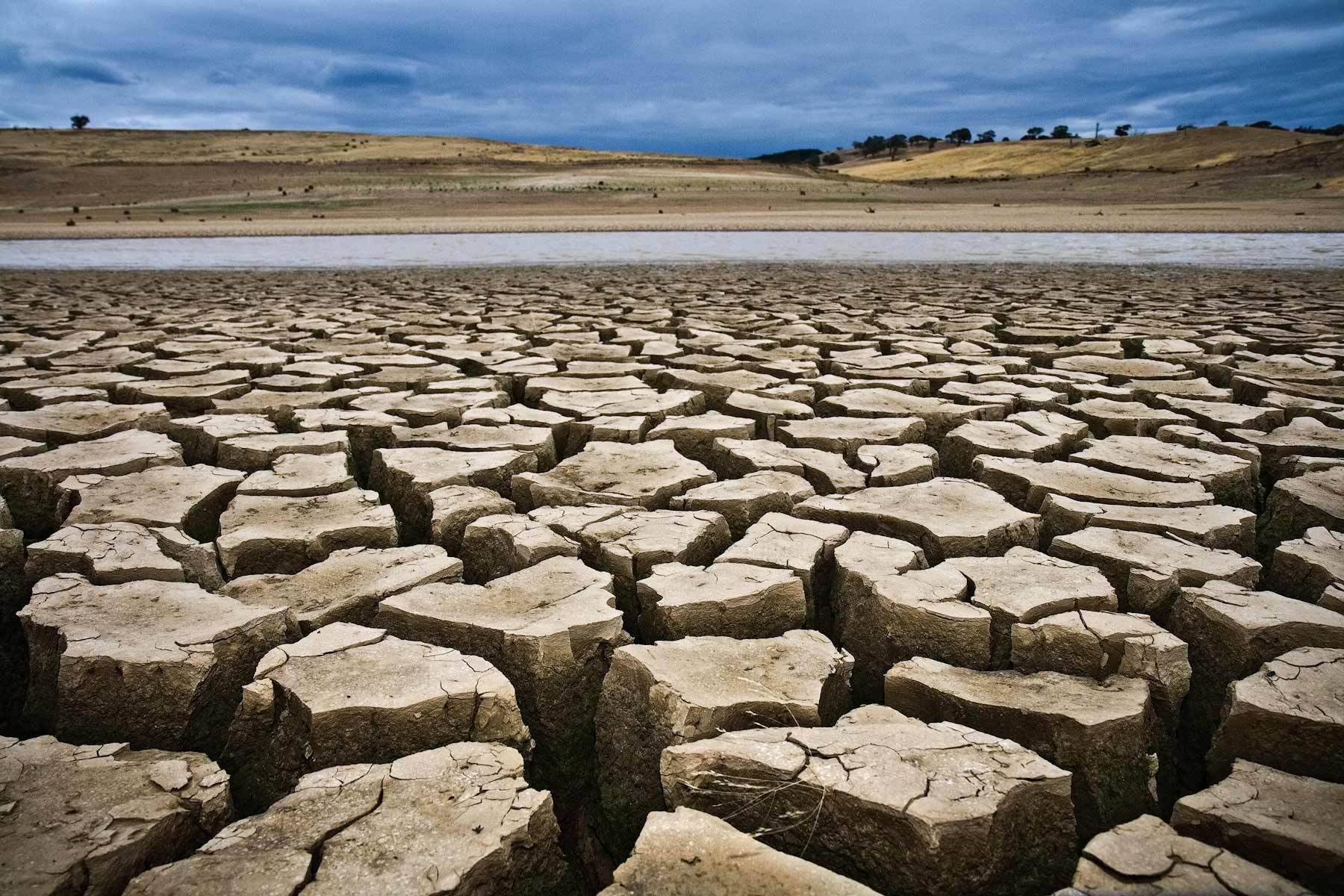
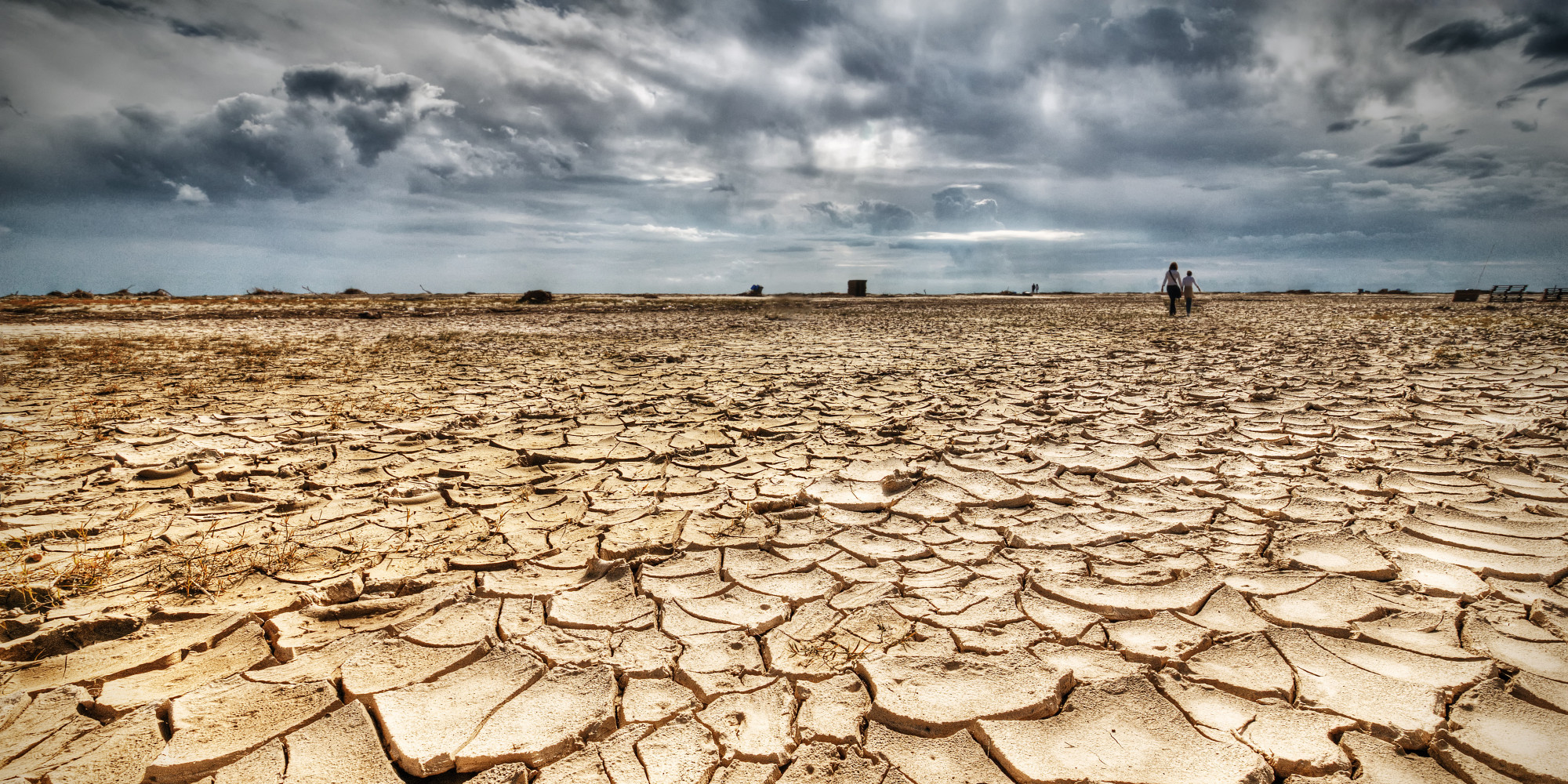
Many parts of Telangana State are reeling under severe conditions of drought. The State Legislature is taking up a discussion on the drought situation today. This article analyses multiple risks associated with recurring droughts. Quoting substantially from reports and studies of the National Disaster Management Authority (NDMA), this column provides an incisive understanding of drought-related risks. It provides an exhaustive review of remedial measures that any public policy on this subject should include. Nature’s fury, official apathy, policy failures and a host of factors have long been causing drought with some of the regions experiencing chronic and acute forms of drought.  Billions are spent on drought mitigation and management. Yet, the problem not only persists but recurs with a remarkable frequency. Drought results in multiple forms of human deprivation and aggravates existing forms of deprivation. Vulnerability to drought is aggravated by a region’s risk of water shortage and the exposure of the communities to the problems arising there from. The dry land areas which normally face water shortage reel under much more stress during drought situations. The unremunerative nature of agrarian economy increases the vulnerability to even relatively not so serious conditions of drought too. Human actions like unabated sand mining in the rivers and rivulets lead to unprecedented depletion of ground water levels, further compounding the plight of drought-hit population. The National Disaster Management Authority (NDMA) suggests that it is critical to understand this hazard and its incidence across space and over time to establish comprehensive and integrated drought early warning systems that incorporate climate, soil and water supply factors such as precipitation, temperature, soil moisture, reservoir and lake levels, ground water levels and stream flows. People affected by drought resort to several socio-economic strategies to cope with it. These include diversification of activities, reducing and modifying consumption, reducing expenditures on non-essential goods, participating in relief works, borrowing, migrating, mortgaging and disposing of assets etc. But, these strategies are not uniformly adopted by people in different drought-prone regions. The strategy adopted depends on severity of drought, as perceived by the affected population. Even in a given drought-prone region, different sections of society respond differently to the drought situation. For example, small farmers and landless labourers tend to migrate if they face drought situation. Large farmers may diversify their crops so as to reduce the risk. People in some drought-prone areas adopt long-term strategies to develop natural resources viz., soil, water and vegetation by following the watershed development approach, which could minimise severity of drought. The government’s drought management strategy should include measures to support the affected population in effectively coping up with the adversities caused by drought. For instance, the government departments should support the efforts of farmers in diversification of crops through input provisioning and extension services. The credit delivery system should be enhanced and strengthened so as to ensure that peasants’ indebtedness does not become much more crippling due to drought-induced economic distress. Growing indebtedness leads to alienation of small and marginal farmers from their lands. This would mean a long-term economic dependency for the drought-affected population. Support strategies should envisage prevention of land alienation. The National Sample Surveys revealed that the Indian poor spend substantial part of their meager incomes on food alone. Drought causes scarcity in food market, leading to spiralling prices of food commodities. Reduced incomes and increasing prices mean conditions of starvation and semi-starvation. Such conditions are not as visible as melancholic signs of starvation but certainly debilitating. Thus, it is essential to improve the food supplies through public distribution system in the areas affected by drought. Additional supplementing of nutrition especially to vulnerable sections of population like children, women, old aged and sick need to be augmented. Drought-related health risks should be properly assessed to ensure preventive and curative measures. The NDMA’s National Disaster Management Guidelines on Management of Drought indicate some of the immediate risks associated with drought and suggest remedial measures. Borrowing of money by the community in the drought-prone areas is mostly from private money lenders at higher rates of interest. Thus, provision of micro-credit facilities is an important intervention. Agriculture universities and NGOs have brought out documentation on best practices in drought-coping mechanisms and the same needs to be inventoried at district, mandal and village levels, validated and replicated. Migration during drought is mainly of the younger segment of the population leaving behind aged and children. Social security needs of such population need to be addressed as part of drought mitigation measures. The National Commission on Agriculture in India has classified three types of drought: meteorological, agricultural and hydrological. Meteorological drought is defined as a situation when there is significant decrease from normal precipitation over an area (i.e., more than 10%). Hydrological drought results from prolonged meteorological drought resulting in depletion of surface and sub-surface water resources. Agricultural drought is a situation when soil moisture and rainfall are inadequate to support healthy crop growth. Drought is also classified on the basis of time of onset as early season, mid season and late season.Therefore, drought mitigation measures should vary according to the type of drought risk a given region or population is facing. Sometimes, different forms of drought may coexist, causing greater pain and suffering for people. In such a situation, a combination of measures has to be taken. For instance, in the wake of agricultural drought, drought-proofing measures have to be taken before the crop is planted, such as improving water holding capacity (WHC) of soil through organics/silt, land configurations etc. Drought management measures are those initiated during the crop growing period (in situ conservation, reduction in plant population, supplemental irrigation etc.) In fact, there is a fundamental problem in perceiving the drought by governments and households. Drought invariably is handled as a ‘crisis situation’ and a short-term problem by the governments. At the household level, individuals perceive drought as a natural hazard, beyond human control. The NDMA analyses the multi-dimensional impact of drought on the overall economy and the social and economic conditions of households. The direct impact of drought is generally classified under four categories: physical, social, economic and environmental. Droughts cause a loss of assets in crops, livestock and productive capital as these are immediate consequences of water shortage. The lingering impact is felt in the lack of quality seeds in the subsequent season. Studies reveal that drought adversely affects children’s attendance in schools and even leads to dropouts supplementing family income. Acute water scarcity increases the household time spent on collecting water which undermines girl child education, more specifically. The drought-induced sale of cattle increases economic vulnerability. Drought reduces employment and wage provisioning, too. It may result in a considerable intensification of household food insecurity, water-related health risks and loss of livelihoods in the agricultural sector.Thus, any drought management plan should encompass all these macro and micro level impacts. Both household and societal risks associated with the conditions of drought need to be addressed. Source - thehansindia.com

30.03.2016

Philippines - Crop Insurance Corp. OKs P4.857-million indemnity claims for drought in W. Visayas

The Philippine Crop Insurance Corporation (PCIC) as of Monday has approved P4.857 million worth of protection claims due to drought covering an area of 592.41 hectares in Western Visayas. Data from the office of the PCIC here headed by its regional manager Charlito O. Brilleta disclosed that the approved claims would benefit 648 claimants from Western Visayas including Negros Occidental. So far Iloilo has the biggest approved claims totaling some P2.012 million covering 254.43 hectares with 253 farmer-claimants. Antique follows with P1.6 million total claims for 225 farmers covering 189.05 hectares. Other approved claims included that of 32 farmers covering 21.95 hectares amounting to P110,930 in Aklan; nine farmers with 12.20 hectares amounting to P53,857 in Capiz; 102 farmers for 93.17 hectares amounting to P910,436 in Guimaras; and 27 claimants from Negros Occidental covering 21.61 hectares amounting to P168,590. The claim for drought formed part of the P35.137 million approved claims by the PCIC as of March 28, 2016. These will benefit 6,344 farmers that filed claims for 5,940.89 hectares of farms in Western Visayas that suffered losses due to mixed causes. Source - interaksyon.com

30.03.2016

India - Maharashtra — 3,228 farmer suicides in 2015, highest in 14 years

As many as 3,228 farmers committed suicide in Maharashtra last year, highest in the last 14 years, Union Agriculture Minister Radha Mohan Singh said on Friday. Both the Centre and state governments are implementing various schemes to make farming viable and prevent farmers’ suicides due to agrarian reasons, he added. “As reported by the Maharashtra government, 3,228 farmers have committed suicide and it is the highest since 2001,” Singh said in a written reply to the Rajya Sabha. Maximum suicide cases were reported from Aurangabad at 1,130, followed by Amravati (1,179), Nashik (4,59l), Nagpur (362), Pune (96) and Konkan (2), he said. “Out of these 3,228 cases, 1,841 cases are eligible for ex-grtia payment, while 903 cases are ineligible. 484 cases are pending enquiry. About Rs 1 lakh has been given to the hiers in respect of 1,818 suicide cases,” Singh said. The centre has sanctioned Rs 3,049.36 crore relief funds for tackling drought in the state for this year, he added. In order to prevent farmers’ suicide, Singh said the state government is implementing various schemes and both short and long term measures for tackling drought situation. Under the ‘Baliraj Chetna Abhiyan Scheme’, the district committee headed by the collector has Rs 10 crore per year at its disposal to take up awareness campaign, de-addiction, health counselling, revival of social support system and such activities to reduce the distress level of farmer families. The village level committees, headed by sarpanch, has Rs 1 lakh per year at its disposal to help farmers families in situation like meeting health and education expenses, loan installments which cause acute financial distress. Under the Vasantrao Naik Sheti Swawlamban Mission, the state government is restructuring various schemes to prevent farmers’ suicides in the state. Even at the centre, Singh said various programmes like soil health card, organic farming, irrigation and crop insurance are being implemented. “The strategy of Government of India (GoI) is to focus on farmers’ welfare by making farming viable. Farm viability is possible, when cost of cultivation is reduced, yields per unit of farm are increased and farmers get remunerative prices on their price,” he added. Maharashtra is facing drought for the second straight year due to poor monsoon. Source - slguardian.org

30.03.2016

Mexico - Strong investment in insurance mechanisms for fish farmers and fishermen

The Secretariat of Agriculture, Livestock, Rural Development, Fisheries and Food (SAGARPA) will invest around MXN 3.6 billion (USD 205.2 million) this year for insurance in agriculture, aquaculture and fisheries sector in the country. Through the Department of Rural Development the Agricultural Claims Component is operated to Serve Small Producers, of the Rural Productivity Program, by which schemes will be expanded and will, for the first time, make it available to producers, innovative instruments for the insurance of aquaculture, beekeeping and fisheries sectors. This insurance mechanism considers vessels for coastal fishing and for inland water fisheries as well as livestock universal coverage standard for availability of pasture, in coordination with state governments and producers. A new protection scheme will be available for farmers in the country for them to have access to insurance schemes, providing an incentive to cover 20 per cent of the cost of the insurance premium. This will make it possible to protect the biomass production against natural disasters, regardless of the size of their production units. It is therefore a requirement for them to be registered in the National Register of Fishing and Aquaculture, to have the corresponding concessions or permits and pay their share of the cost of insurance. The insurance scheme that SAGARPA promotes focuses its efforts on small producers who, by their nature, are more exposed to climate risks and other natural disasters. This effort will be supplemented by an estimated investment of MXN 551.4 million (USD 31.4 million) as a contribution from the state governments and MXN 333.4 million (USD 19 million) provided by producers. Source - fis.com

30.03.2016

USA - Impact of crop insurance subsidies on land costs

This past week, the Center for Rural Affairs in Nebraska released a study conducted with Mike Duffy, Professor Emeritus of Economics, Iowa State Univ., that explores the impact subsidized crop insurance places on land values. Bill Furlong, a farmer from Iowa City, IA, interviewed in connection with the study, said, "My greatest concerns are whether unlimited crop insurance subsidies interfere with smaller farmers and beginning farmers getting access to land affordably. And whether the way in which crop insurance programs work undermine our nation's collective efforts to conserve our soil and water. I've seen and heard about things happening with crop insurance here in the Midwest for years that make me believe those concerns are well-founded." "Farmers have told us the program was helping mega-farmers outbid beginning, and small and mid-sized farmers on farmland, putting upward pressure on land values," explained Traci Bruckner, senior policy associate with the Center for Rural Affairs. "We decided to investigate, working with Mike Duffy." Duffy's research shows that subsidized crop insurance has an impact on land values. He identifies a couple of ways the program impacts land values. The first is subsidization of the insurance premium. Duffy points out that the premium farmers pay is not the actuarially sound premium. Rather, it is the premium minus a subsidy from the government. That premium subsidy is a benefit the farmer receives. Second, crop insurance reduces the income risk associated with crop production, either through loss of revenue or crop failure. This risk reduction adds value because future returns are not as uncertain as they would be without crop insurance. Duffy used data available from the USDA Risk Management Agency (RMA) to examine if federal crop insurance programs influence land values by the amount of the subsidy and the reduction in risk. The RMA provides detailed summaries of their business for the nation, by crop, by state, and by year going back to 1989. "Duffy's findings demonstrate that subsidies have value to producers, and some of those subsidies get bid into land costs. When those subsidies also serve to reduce risk, they have an even greater value than the subsidy alone," explained Bruckner. "While we agree that federal crop insurance is an important tool in the risk management toolbox, we can recognize it drives up production costs by increasing the cost of land. The net effect is to prop up the nation's largest and wealthiest farms, often at the expense of smaller farms." The full report also examines the impact crop insurance subsidies have on cash rental rates. "We intend to use this analysis to further our efforts to come up with policy reforms that will ensure federal crop insurance programs work in the best interest of small and mid-sized family farms," concluded Bruckner. "These are the people that those who oppose reform often suggest the program is designed to benefit. We beg to differ. And we know that the nation needs reform that targets the root of the problems created by unlimited crop insurance premium subsidies." Source - cfra.org

29.03.2016

USA - Making crop insurance conservation-friendly

The ag community is awakening to the positive impact soil health can have on the environment, crop yields and farm economics. The time is now to align crop insurance policies that support conservation innovation, rather than creating a safety net for larger farmers to farm poorly. There’s plenty of evidence that conservation methods such as no-till, cover crops, bumper strips and waterways can reduce yield variability and may even increase crop yields. The real issue is establishing an actuarially sound argument for rewarding those practices within the crop insurance system. Several years ago when Monsanto showed that its specific triple-stack traits cut yield risk as compared to non-traited hybrids, the Federal Crop Insurance Corp. approved the Biotechnology Yield Endorsement program, which rewarded producers who used the triple stack with a premium rate reduction. The new challenge is to craft a similar advantage for those pushing the envelope on certain conservation practices that protect the land. Jim Moseley, co-chairman of AGree and former USDA undersecretary, has been working for years with the Risk Management Agency and the Natural Resources Conservation Service to assess the impact on long-term yield viability of different conservation technologies. AGree’s Conservation and Crop Insurance Task Force is spearheading efforts that support the integration and analysis of USDA data to understand the interaction between yield risk and soil types, and conservation practices’ effects on yield risk. The biggest challenge in validating that crop insurance should be priced differently for those implementing certain conservation techniques, Moseley says, is getting enough data from the farmers adopting conservation methods and the science proving its benefits. This will require more farmers partnering with organizations and public-private partnerships to collect the data. And it means producers deciding to implement conservation practices. Challenges Those producers who do incorporate conservation practices successfully see some boost in crop insurance assistance with higher actual production history yields, and don’t see the reduced yields as others do in drought or wet years. But is that really serving as a motivation? Maybe crop insurance policies should change to penalize those who don’t do any conservation practices. Cover crops are also beginning to see increased adoption, predominantly with some cost-share assistance or other money to encourage planting. However, conservationist and Illinois farmer Michael Plumer points out, there are no ongoing incentives to keep farmers to continue on with the practices. Too often NRCS or other entities throw money out there and farmers spend it. But when they don’t see a bang for their buck, there’s no education component to supplement the trials. Plumer says awareness about practices such as cover crops is growing, but many aging operators are set in their ways. It is the young farmers who are more likely to adopt and will need to champion these new views on maintaining and improving soil to ensure they’ve got a future soil base. Current crop economics also hinder adoption of conservation practices. If a farmer is only going to make $10 to $15 an acre, it becomes hard to justify spending $25 to $30 on a cover crop. But if RMA gave a discount on crop insurance that could save $5 an acre, it makes it a bit easier to swallow. Taxpayer benefit Linking conservation compliance to crop insurance already proved to be controversial during the last farm bill debate. Maybe it’s time for commodity groups to find ways that conservation and crop insurance can bring out the best in each other. As Moseley rightly notes, it’s much easier for ag negotiators at the end of a long battle to say not only is agriculture getting support, but also the environment and everyday taxpayers are getting something on the other side of the ledger. Source - farmfutures.com

29.03.2016

India - No crop damage reported in 250 villages of 11 districts

No damage was caused to wheat and mustard crops due to strong winds, rain and hailstorm in about 250 villages of 11 districts in Haryana during March, state Revenue and Disaster Management Minister Abhimanyu said today. "As reported by the Deputy Commissioners of 11 districts, there had been no loss to crops due to strong winds, rain and hailstorm. These eleven districts include Ambala, Panchkula, Yamunanagar, Kurukshetra, Rewari, Faridabad, Palwal, Mahendergarh, Gurgaon, Panipat and Karnal," he told the Assembly while replying to a call attention notice. He said the state government had ordered a special survey of Rabi crops in those villages where damage to crops was reported. He said disbursement of compensation for damaged crops would be taken up immediately after the special survey reports were received. The state government had sanctioned Rs 2,224.66 crore to the affected farmers for damage to the crops due to drought, flood, hailstorm and pest attack in 2015-16, he said. The arrears of Rs 268.93 crore for 2013-14 and 2014-15 were also given during 2015-16, the minister added. Source - indiatoday.intoday.in

29.03.2016

Canada - Crop insurance deadline looms

The deadline to sign up for or change Saskatchewan crop insurance contracts is March 31. Saskatchewan Crop Insurance Corp. chief executive officer Shawn Jaques said significant changes to this year’s program offer more benefits to producers. For the first time, the insurable area for faba beans has been expanded to cover the entire province. Jaques said the crop was previously insurable mostly in northern regions where more moisture allowed faba beans to thrive. Genetic improvements have allowed the crop and for it to perform better in drier areas, he said. Increased establishment benefits for soybeans, lentils, barley and Khorasan wheat were implemented to reflect things like increasing seed prices, Jaques said. For example, the establishment benefit price for eligible barley crops is $25 per acre while for soybeans it is $80. Forage insurance has also improved. “The cap on the variable and in-season price option has been removed,” Jaques said. This means if the market price for hay rises during the year, producers who select the two pricing options will see the entire increase reflected in claims. Forage establishment benefits are now up to $70 per acre. Unseeded acreage options, for land that is typically seeded but too wet to seed before June 20, include $50, $70, $85 or $100 per acre coverage. Producers with questions should contact their local offices or call 888-935-0000 before the deadline. Source - producer.com

29.03.2016

USA - Threat to crop insurance worries farmers

U.S. farm groups are fighting mad about continued attacks on the federal crop insurance program. The American Soybean Association was not pleased to discover a US$18 billion cut to crop insurance contained in U.S. President Barack Obama’s 2017 budget proposal. “Our policy has always been that we will strongly oppose any attempt to target farm bill programs for additional cuts, and it goes without saying that we will continue to fight proposed cuts to the farm safety net,” ASA president Richard Wilkins said in a news release. “All it takes is a quick glance around the farm economy to see that we need a stronger safety net for our farmers, not a weaker one.” Obama’s plan says the U.S. taxpayer pays 62 percent of grower premiums, and he would like to see that reduced. His budget proposes lowering the premium for harvest price coverage by 10 percentage points, which would save taxpayers an estimated $16.9 billion over 10 years. The remaining savings would come largely through reforms to prevented planting coverage, which the government claims is being abused by growers in certain parts of the country, such as the prairie pothole region of the northern Great Plains. This is not the first attempt to gut the crop insurance program. Last October, the U.S. Department of Agriculture and congressional leaders announced a bipartisan budget deal that included a $3 billion cut to crop insurance over a 10-year period. That legislation was repealed in December after strong protests from the farm community. Chip Bowling, president of the National Corn Growers Association, said the 2014 farm bill is a market-based safety net that kicks in when farmers need it. “Unfortunately, that time is now,” he told reporters attending Commodity Classic 2016. He vowed that farm groups will continue to fight against crop insurance cuts. “This is not the time to put the farm safety net in jeopardy,” said Bowling. U.S. agriculture secretary Tom 
Vilsack said he is dealing with a capped budget and there is no appetite in Congress to remove the cap, which means he has to make tough budgetary choices and tradeoffs. “Do we get that reduction out of conservation? Are you OK with that?” he asked reporters questioning the proposed crop insurance cuts. “How about we don’t do as many guaranteed farm loans at a time when bankers are being a little squeamish about credit?” Other alternatives include cutting export promotion programs or gutting the rental assistance program, which could result in 10,000 to 20,000 homeless families in rural America. “These are the choices that are involved in forming a budget,” said Vilsack. Source - producer.com

29.03.2016

Chile - Multiexport estimates USD 9 million loss due to HAB

Multiexport Foods informed the Superintendency of Securities and Insurance (SVS) has completed the tasks of capture and mortality disposal of its five salmon farms affected by harmful algal bloom. In addition, it has also performed moves and fish counting in the affected centres, which have returned to normal operation. The company estimates that the aggregate biomass losses in the affected centres, at that time containing fish between 0.9 and 4.3 kg of average weight is 5,203 tonnes of Atlantic salmon biomass. This volume is equivalent to 45 per cent of the total biomass of these centres and represents a total cost of USD 26.6 million. In a note sent to the SVS, the company states that all its fattening centres that were affected in the first two months of this year due to the algal blooms that occurred in the regions of Los Lagos and Aysen are insured with coverage "with individual deductible per centre that are between 8 per cent and 20 per cent on the book value of the biomass, apart from an annual aggregate deductible of USD 2.5 million for the entire company." "The estimated amount of the direct loss of biomass that our subsidiary must recognize in the financial statements of 2016 reaches the figure of USD 9 million, equivalent to the amounts corresponding to the estimate of deductible explained above. To the previous amount the policy deductible will additionally need to be added in relation to mortality and mitigation capture costs coverage, which are estimated in the amount of USD 0.4 million," the general manager of the company Andres Lyon stated. To mitigate the effects of HAB (harmful algal blooms) events and the consequent loss of biomass associated with the production of 2016, the company has provided resources and is making productive efforts for this purpose. Multiexport managers estimate a reduction of approximately 6 per cent compared to the latest harvest projection for 2016 delivered by the company to the financial market on November 27, 2015. Multiexport manager added in the report sent to the SVS that 2017 production "will not be affected as a result of the above". Source - fis.com

28.03.2016

India - Raising farmers’ income by 2022

For the last two months, the Narendra Modi government seems to have gone into an overdrive to appease farmers. Several farmer rallies have been organised and the common theme has been the PM’s “dream” to double the incomes of farmers by 2022. According to the PM, agriculture has to stand on three pillars — paramparagat kheti (traditional agriculture), diversification into agro-forestry by planting trees on the boundaries of farmers’ fields, and encouraging livestock and bee-keeping, duly supported by food processing. These pillars will reduce the risks in farming, and augment farmers’ incomes. He weaves his strategy with programmes such as soil health cards and neem-coated urea to take care of “mother earth’s” health; giving more resources for irrigation and using the MGNREGA for recharging ground water through check dams and farm ponds, thus, getting more crop from every drop of water. The picture is completed by the Pradhan Mantri Fasal Bima Yojana (crop insurance) and e-market platform that he is going to launch on April 14. All these nodes are right for any meaningful agri-strategy. But haven’t these been in existence in some form or the other? What is the novel idea in this strategy that will double farmer incomes in six years? Before one assesses the seriousness of this dream-promise, one must be clear about the PM’s commitment. What the nation would really like to know is whether he is talking of doubling nominal incomes or real incomes. Whenever one talks of doubling, say, national income or sectoral incomes, one means it in real terms. Doubling of real incomes in six years would be a miracle of miracles, as it would imply a compound growth rate of 12 per cent per annum. But as they say, “nothing is impossible”. Madhya Pradesh has registered 14.2 per cent growth in real agri-GDP over the last five years, and states like Jharkhand, Chhattisgarh, Gujarat, Himachal Pradesh, Rajasthan, and even Bihar have witnessed agri-growth in excess of 7 per cent. Internationally, China’s farm incomes grew at 14 per cent per annum, and the agri-GDP at 7.1 per cent, during the first few years of economic reforms (1978-86). This helped in halving its poverty in just six years. It generated a huge demand for industrial products in rural areas, which were met by scaling up town and village enterprises (TVEs). This also gave political legitimacy to carry on economic reforms more aggressively. How did China achieve this? Very briefly, they incentivised the peasantry by dismantling the commune system in land, and freeing up agri-prices. Lately, China has been heavily supporting farm prices. For instance, their MSP for wheat in 2014-15 was $385/tonne compared to India’s $226/tonne. Does PM Modi plan to raise the MSPs of agri-products substantially? The MSPs announced in the first four crop seasons under his regime do not indicate any such move. On the contrary, their rise has been largely suppressed. Moreover, in much of eastern India, including in his own constituency of Varanasi, the market prices of paddy prevailing in the last kharif season were15-20 per cent below the MSP. The absence of any robust procurement machinery in the eastern belt is one major stumbling block that is holding back the second green revolution there. So, the other paths to doubling farmer incomes would be raising productivity and diversification into high-value agriculture as well as diversification of farm employment into non-farm activities. Raising productivity requires massive investments in R&D, irrigation and fertilisers. Compared to China, India is way behind in all these factors and, not surprisingly, our productivity levels, in almost all crops, range between 50 to 75 per cent of Chinese levels. Diversification into high-value agriculture requires a value-chain approach, and we are lagging behind in that, too. India may be producing 145 million tonnes of milk and more than 270 million tonnes of horticulture products but our processing levels (in the organised sector) are way below — less than 20 per cent in milk, and less than 5 per cent in fruits and vegetables — international levels. Encouraging processing and building value-chains would help create non-farm jobs in rural areas. Until all these factors come together, Modi’s dream of doubling real farm incomes by 2022 will remain far-fetched. That brings us to the possibility of doubling farmers’ incomes in nominal terms, by letting price increases raise incomes. But this has been done during the UPA regime too. Between 2008-09 and 2013-14, India’s agri-GDP at current prices grew at 14.8 per cent annually on average, with wholesale food article inflation averaging 11.7 per cent, and real agri-GDP growing at only 3.1 per cent per annum. Farm wages also grew at an average rate of 18.8 per cent in nominal terms and 7.5 per cent in real terms in these six years. So, what is new that Modi is promising? If Modi can keep food price inflation below 5-6 per cent, and raise farmers’ nominal incomes by 12 per cent per annum, it will still be commendable. Otherwise, there is nothing novel about what Modi is selling: It is just old wine in a new bottle. Therefore, unless this slogan is backed by action, that too in mission-mode, it will remain just a dream and the PM will be branded nothing more than an affable “sapno ka saudagar”. Source - indianexpress.com

28.03.2016

USA - Planes may beat drones for crop scouting

Drones are generating a lot of buzz as crop scouting tools, but farmers may actually get better information from a higher flying machine. An airplane can capture high resolution photographs over a much larger area than a small, battery-powered drone can fly, said Bill Verbeten, owner of Empire Ag Imagery, based in Buffalo, N.Y. If airplanes are like a massive, brand-new planter, “drones are more like a two-row planter,” Verbeten told attendees of last month’s Corn and Soybean Winter Congress at the Grantville Holiday Inn. Both airplanes and drones operated for commercial purposes — such as managing crops — must be flown by someone with a pilot’s license, Verbeten said. “There are not policemen running around chasing you down over this,” but if the drone has an accident, your insurance company will disavow you, said Joe Sommer, a Penn State mechanical engineering professor. Verbeten’s company usually flies planes one to three days per week. One of his pilots may photograph a few thousand acres in less than a day, ranging all over western New York from Binghamton to Buffalo. Planes can photograph fields in either sun or complete clouds. Partial cloud cover creates shadows that garble the imagery, Verbeten said. To designate which fields are to be mapped, a farmer can simply provide the nearest road intersection. Verbeten’s team then organizes the farms into a flight plan based on map coordinates. The planes’ cameras take hundreds of pictures at a resolution high enough to detect an iPhone from 1,000 feet above, Verbeten said. Aerial imaging is often used to scout for problems with crop growth, whether caused by mechanical malfunction, spray damage, nutrient shortage or hail. A rectangular dead area may indicate a problem with seed drop in that area, while a spidery break through the field may indicate a drainage issue, Verbeten said. “Aerial imagery will never replace a crop scout,” but it can make an agronomist better, Verbeten said. Photos of bare soil can map tile lines and erosion, Verbeten said. Aerial imaging can be used to count plant populations, particularly in vegetable crops. One image in California counted 806,856 tomato plants in a field and was accurate within 0.8 percent, Verbeten said. In an aerial photograph, only the area directly below the camera is seen exactly from above. Everything else is seen at a slight angle. A computer programs processes these images to show everything from the top, Verbeten said. Cameras can take photos using sophisticated types of color receptivity. In an NDVI image, for example, plants show up in different colors depending on how healthy they are. “If it affects crop health, you can probably measure it with NDVI,” Verbeten said. Verbeten is trying to develop an imaging tool that will measure soil organic matter. In New York, Empire’s services cost $3 to $5 per acre per flight. Verbeten gives custom quotes for Pennsylvania flights. Though airplanes have their advantages, drone technology is getting better. Older cameras that produced distorted images have been replaced by newer, more natural pictures, Sommer, the Penn State professor, said. If the operator takes his hands off the controls, the drone will hover in place, guided by GPS. “They will hold station in 20 mile-per-hour winds,” Sommer said. Farmers can design and save GPS-keyed flight plans, so a drone can fly the same path again and again, Sommer said. Drone batteries still only last about 25 minutes, long enough to inspect about 50 acres on a charge. Drone payloads top out around 2 pounds, so their usefulness is mostly limited to photography, Sommer said. “We’re not going to send this out to spray nitrogen,” Sommer said. The challenge with aerial images, whether from a plane or drone, is how to act on the information they present. A farmer probably will not replant a small flooded patch in the middle of a field, Sommer said. Source - lancasterfarming.com

28.03.2016

Agriculture is the future of Zambia

Zambia's Minister of Agriculture and Livestock, Given Lucinda, said that the country has depended on the mining sector for decades and now needs to diversify its economy; agriculture has been earmarked as a key sector for doing this. “Agriculture is the future of Zambia,” said Lucinda. “We have depended on the extractive industries over the last 50 years. I usually ask the question, ‘will copper see us through another 50 years? My categorical answer is No.’” Several initiatives have been initiated to expand agriculture. Cabinet has approved the expansion of the Farmer Input Support Programme electronic voucher system in the 2016/17 season. In response to climate change the government is investing heavily in irrigation. Zambia has the potential to irrigate 2.5 million hectares of land but so far only 10 percent of that is under irrigation. The government will open up 6,000 hectares of land for irrigation. Already, 11,000 hectares of land has been opened up in Lusitu, Mwomboshi and Musakashi. The government will also soon start making farming implements available to small scale farmers. Source - freshplaza.com

877
of 1225