NEWS
897
of 1224
News
08.01.2016

Canada - Forage Insurance Does Help During Dry Years

2015 was a challenging year for many producers who rely on forage for seed, sale or feed.  Dry conditions are an insurable cause of loss when it comes to the Forage Insurance Program offered through the Saskatchewan Crop Insurance Program. There are a number of crops insurable under this program including tame hay, dehydrated alfalfa, sweetclover and greenfeed. Additional choices such as Establishment Benefit and Forage Diversification options are also made available under this program. In 2015, SCIC extended the seeding deadline for greenfeed from June 30 to July 15 to give producers another option for accessing additional feed supplies.  Producers that chose to reseed a greenfeed crop paid a premium on the additional acres seeded and received full greenfeed yield-loss coverage.  This was insurable under the multi-peril insurance program. SCIC recognizes forage provides coverage choices to help build custom-fit insurance for any farm. Producers can customize their forage insurance to their operation by selecting low, base, variable or in-season price options. The variable and in-season price options can help producers manage price fluctuations that occur throughout and after the growing season, which was the case in 2015 when the hay shortage caused prices to spike.   Producers can choose from a wide range of coverage level options available. These options include 50, 60, 70 and 80 per cent. Regardless of your operation, SCIC has several options that meet your forage insurance needs.  Alfalfa seed may be insured under a specific yield-loss option available through SCIC’s Multi-Peril Program. Red Clover, rye grass, millet and other forage seed crops are eligible for coverage through the Diversification Option. The Forage Insurance Program is an extremely affordable way to manage the significant risks associated with forage production primarily because governments pay 60 per cent of the premium cost. Since 2000, the Forage Insurance Program has paid $2.32 for every dollar of customer premium collected. The program is designed to provide disaster relief when producers need it most.  In 2015, forage claims are still being finalized but the average claim paid to date has been approximately $40 per acre with many customers receiving up to $100 per acre.  The average premium paid by these customers is less than $3 per acre. The Forage Establishment Benefit Option is available to protect newly seeded forage acres intended for hay, grazing or seed production against the risk of an establishment failure. This stand-alone option is not linked to any yield-loss insurance. This option can also be selected for forage acres seeded between October 15 and June 20, however acres grazed in the year of seeding are not eligible for coverage.  The Forage Diversification Option is available for any forage feed crops that are not insurable under the basic forage insurance program.  This is an area yield program. Your coverage and any claim calculations are based on insured barley acres in your risk zone. Finally, the Forage Rainfall Insurance Program (FRIP) offers insurance on native and tame grazing acres. This program protects pastureland in the event that seasonal precipitation is below the long term average. This program is based on historical weather data pulled from 131 weather stations located across the province. Producers do not have to register a claim. Claims are triggered when the April to July seasonal precipitation falls below the long term normal for the selected station based on monthly weightings selected by the producer.  Indemnities worth $5.4 million were paid to 94 per cent of customers who participated in FRIP in 2015 due to the extremely dry conditions throughout April and May. Saskatchewan Crop Insurance continues to work with producer groups such as the Saskatchewan Cattlemen’s Association, the Saskatchewan Stock Growers Association and the Saskatchewan Forage Council to further improve programming so it remains on target with producer needs. Source - saskcropinsurance.com
08.01.2016

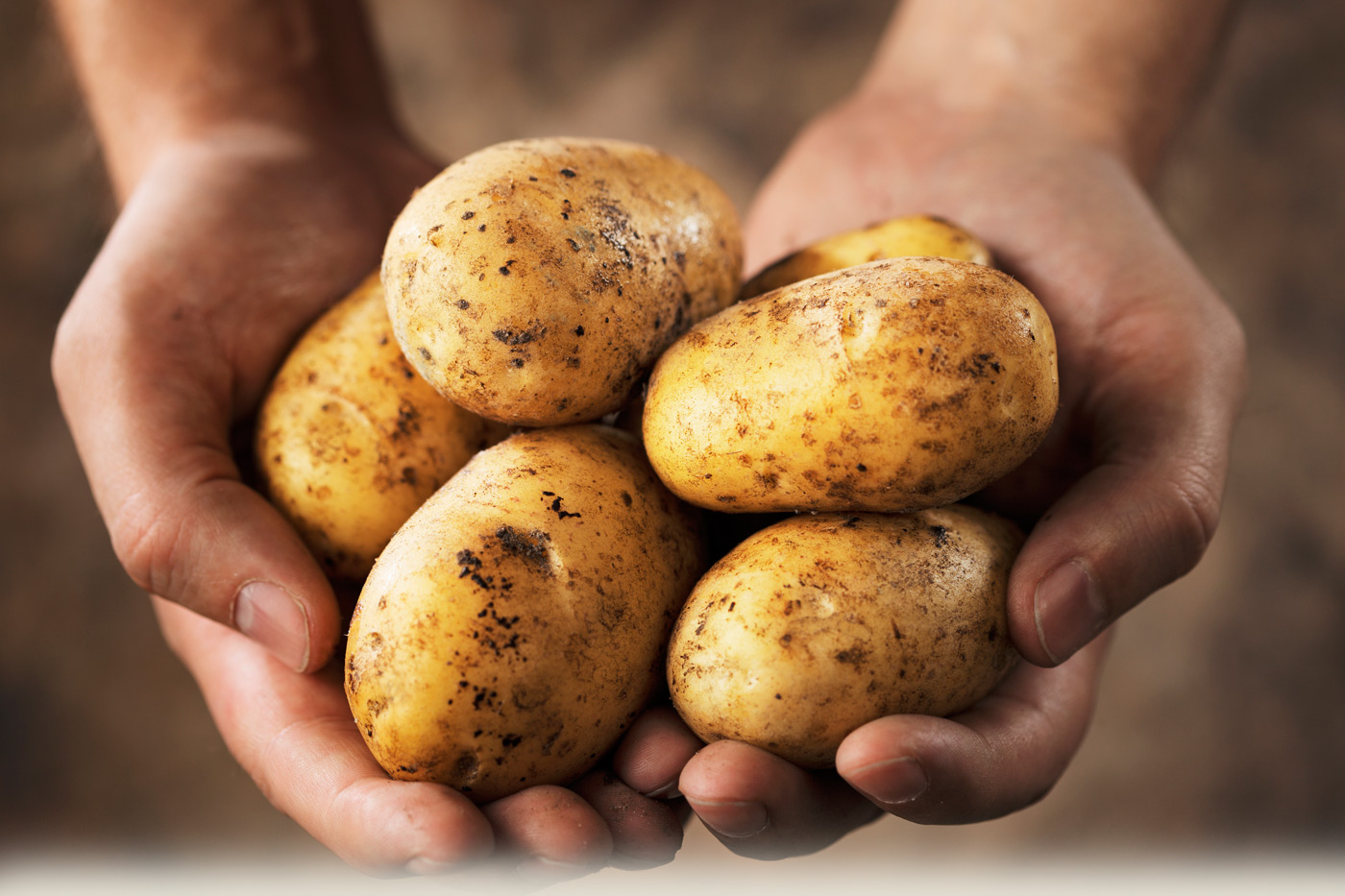
Peru - El Niño affects Arequipa's potato crops

El Niño, which increased the temperature in the region of Arequipa by two degrees, is affecting the agricultural sector as it has lead to the loss of more than 20% of the potato crop in the valley of Tambo and has brought the presence of the Rust plague affecting wheat crops. The head of Agriculture,  Mirko Avendaño, said that the valley of Tambo has 2,500 hectares devoted to potato crops, which had an average yield of 30 tons per hectare. He added that they had lost 20% of the crops to the intense heat caused by El Niño. Crop losses coupled with the sale of potatoes in the southern areas of the country, such as Puno, Moquegua, and other regions, and of Bolivia, caused prices to increase to the point where the tuber reached 2.50 per kilo in the city of Arequipa. Source - freshplaza.com

08.01.2016

Mexico - Frost damaged over 24,000 hectares of farmland Sonora

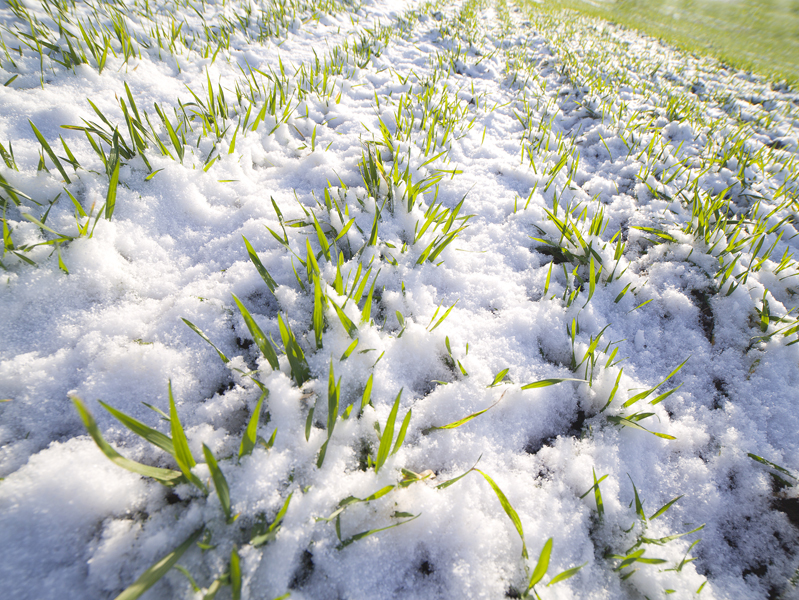
About 24,000 hectares of crops established in the agricultural valleys of southern Sonora were partially or totally damaged by the frost caused by the fifth winter storm.   The head of the Ministry of Agriculture, Water Resources, Fisheries and Aquaculture (SAGARPA), Julio Corona Valenzuela, met with the affected farmers to check the damage that the frost caused on the crops.    So far there are 24,000 hectares affected by the frost, partially and totally, in the agricultural valleys of Yaqui and Mayo.    The crops grown in the area include squash, onions, peppers, green beans, beans, castor bean, corn, maize corn, potato, cucumber, tomato, tomatillo, and watermelon, among others.    The state official said that thanks to the information they had obtained a few days after the frosts they would start taking concrete actions to support producers to solve this emergency.    "The state government will work with federal authorities to declare an emergency zone so we can activate the corresponding protocols of the different units in favor of the affected producers," he said.    He also said they started taking the necessary steps before the Ministry of Social Development (SEDESOL) to implement the Temporary Employment Program so as to support thousands of farm workers who lost their jobs.    Additionally, in the case of the Mexican Social Security Institute (IMSS), once they have calculated the total damage the producers won't have to pay the wages of the patterns corresponding to the affected hectares.    Source - freshplaza.com

08.01.2016

Drought and Heat Took a Heavy Toll on Crops, Study Finds

Droughts and heat waves wiped out nearly a tenth of the rice, wheat, corn and other cereal crops in countries hit by extreme weather disasters between 1964 and 2007, according to a new study. The paper, published Wednesday in Nature, examined data on the effects, over five decades, of extreme temperatures, floods and droughts on national crop harvests. “People already knew that these extreme weather events had impacts on crop production,” said Navin Ramankutty, a geographer from the University of British Columbia and an author of the report. “But we didn’t know by how much, and we didn’t have a basis for how that might change in the future.” Dr. Ramankutty and his team combined data from a disaster database with food production information from the United Nations Food and Agriculture Organization. They looked at about 2,800 weather disasters, such as the 1983-1984 drought in Ethiopia and the 2003 European heat wave, along with data on 16 different cereals, including oats, barley, rye and maize, grown in 177 countries. They found that droughts cut a country’s crop production by 10 percent, and heat waves by 9 percent, but that floods and cold spells had no effects on agricultural production levels. His team estimated a loss of more than three billion tons of cereal production from 1964 to 2007 as a result of droughts and heat waves. “We don’t think about it much, but rice, wheat and maize alone provide more than 50 percent of global calories,” Dr. Ramankutty said. “When these grain baskets are hit, it results in food price shocks, which leads to increasing hunger.” As the global population soars, food production will need to increase to feed the extra mouths. But if the world is to meet those demands, it must do so efficiently and sustainably, said Pedram Rowhani, a land-change scientist from the University of Sussex in Brighton, England, who is another of the study’s authors. “By losing 10 percent of our production, we’re emitting greenhouse gases and using water, oil, energy and land for nothing and not feeding anybody with it,” he said. “We need to reduce that so we can feed more people and become more sustainable.” Source - http://www.nytimes.com

08.01.2016

Norway - Aquaculture doing away with antibiotics

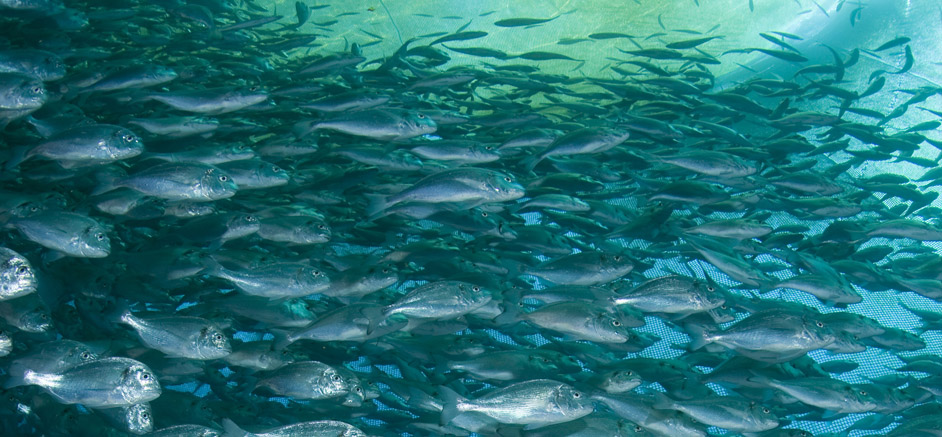
Vaccination and other biosecurity measures are said to have nearly eliminated the need for antibacterial treatment of Norwegian farmed fish. According to the Norwegian Veterinary Institute, the negligible consumption of antibacterials in Norwegian aquaculture has contributed to driving down the risk of the development of antimicrobial resistance -- and thus transmission of such resistance to humans via fish meat. Marine salmon farming in Norway is being held up as a strong example of an animal production system in which biosecurity measures, such as vaccination, have almost totally replaced antibacterial treatment. In 2014, Norwegian salmonid production exceeded 1.3 million metric tons, with Atlantic salmon being the most important species and rainbow trout accounting for approximately 5% of production volume. In the same year, total sales of antibacterial agents for use in farmed fish were 523 kilograms' active substance, corresponding to 0.39 mg/kg produced salmonids. In comparison, this is approximately one-tenth of the antibacterial consumption per kg of meat from farm animals in Norway, which is also very low, having the lowest consumption of all European countries. Antibacterials for use in farmed fish are obtainable only by prescription, and all prescriptions are reported to the authorities. The greater part of the salmonid treatments in 2014 involved fry during the freshwater phase. Only 11 prescriptions for antibacterials involved on-growing salmon in seawater. This means that only 1% of the nearly 1,000 seawater locations reported active during 2014 were subjected to single antibacterial treatments. Source - undercurrentnews.com

08.01.2016

UK - Potato growers urged to help with irrigation survey

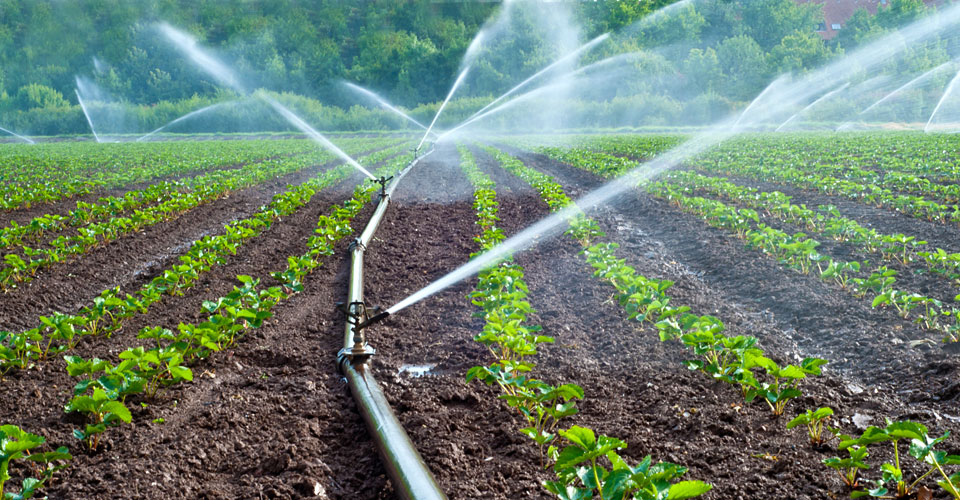
Potato and vegetable growers are being urged to take part in a crucial AHDB water use survey to generate robust data showing how they could be affected by forthcoming changes in water abstraction rules for crop irrigation. With changes due to be implemented over the next four years, AHDB’s Horticulture and Potato divisions are concerned that growers may not have access to sufficient water in some areas to maintain and grow their businesses. The levy board points to recent NFU research in the Cam and Ely Ouse river catchment which concluded the financial value of irrigation for potato and vegetable production was £91m, with £40m attributed to groundwater. The report concludes time-limited abstraction licences could mean growers scaling back production considerably. “There is still an opportunity for the industry to inform policy, and the way it is implemented, to secure adequate water supplies,” says AHDB Potatoes board member and Suffolk potato and vegetable grower Bruce Kerr. “However, the current lack of reliable data about water use is hampering the industry’s ability to provide sufficient evidence for policymakers.” Water is vital to agriculture with the potato and horticultural sectors having the highest requirements, as irrigation is key to achieving the necessary yield and quality standards to satisfy retailer specifications. “Field vegetables and potatoes are where future legislation could have the most direct impact on business viability,” says Mr Kerr. “It is vital we generate detailed data that reflects the wide range of crops, business types, geographical locations and ways of obtaining water. By building as clear an understanding as possible of our water use, this AHDB survey aims to provide an evidence base.” The AHDB survey will roll out in January and February 2016, with growers contacted directly in the coming weeks by Ricardo Energy & Environment – a global sustainability consultancy which is carrying out the survey. An online survey will also go live in late January. Source - fwi.co.uk

07.01.2016

Zambia - E-voucher system spurs Mayfair’s weather index insurance cover

MAYFAIR Insurance Company Limited has introduced a weather index insurance cover for farmers who have received inputs from the Farmer Input Support Programme (FISP) by e-voucher against the risk of loss due to crop damage by extreme weather events. Mayfair Insurance Company agriculture expert Humphrey Mulele said since the planting period is coming to an end, his company will cover the farmers on e-voucher programme in Choma. Mr Mulele said for the next planting season, the cover will be extended to other districts in the country where the e-voucher system will be in place. Director of Agriculture Peter Lungu has commended Mayfair for introducing the weather index insurance cover because small-scale farmers fail to recover once they suffer loss due to drought. Meteorological Department assistant director Oversease Mwangase appreciated the use of satellite technology by Mayfair Insurance to determine payouts for farmers. “From the recent rainfall seasonal forecast, we can see that the southern part is the most affected by the effects of the El Niño signal. Therefore, the weather index technology is ideal in this weather dilemna we face to eliminate human error when determining a deviation from the set threshold,” Mr Mwangase said. Choma district agricultural coordinator Robert Tembo said farmers have responded well within the short period that has been available for sensitisation. He urged the farmers to take up the policy so that they do not lose out completely in case their crops are destroyed by extreme weather conditions. “This policy is beneficial to farmers knowing that Southern Province lies in the region of minimal rainfall where draught cannot be ruled out in some areas,” Mr Tembo said. “It is encouraging to note that within a period of one week of sensitisation, farmers are coming to pay the premium. So next time we have to plan for more time to conduct the sensitisation. As of today (31/12/15), it is the last day to pay for cover for the month of January. In case of a dry spell of 20 consecutive days, these farmers will receive compensation for the loss they will suffer.” Two agricultural block extension officers under the Ministry of Agriculture in Choma, who have conducted sensitisation meetings on the weather index insurance cover, had something to say. “My block has seven agricultural camps and a total of about 3,200 farmers on e-voucher. So far, due to delayed rains, only about 40 percent of the farmers have planted. From the meetings I have held, the indications are that farmers are willing to take up insurance,” Mr Kelvin Michelo of Mapanza agricultural block said. Mary Muyunda of Macha agricultural block said: “The rains that have delayed have made the farmers to realise that the weather pattern has changed. So now the farmers have even started talking about insurance because they have seen that other farmers have suffered loss already.” Boyd Munkombwe is a farmer who lives in Kabeta village in Chief Mpanza. On December 30 last year, he deposited K35 for the weather index insurance to cover his one hectare field of maize. Having already planted and applied basal dressing fertiliser, Mr Munkombwe said although his crops last received rains on December 21, he is not worried because in case of a loss, he will be compensated. Weather Index Insurance covers losses associated with bad weather such as droughts. According to information obtained from Mayfair Insurance Company, coverage of the farmers on e –voucher started on January 1 and will continue up to March this year. During this period, cover will be against dry conditions exceeding 20 consecutive days. Automatic payouts will be triggered into the recipients e-voucher account as calculated by satellite data technology over the respective camps. The more extreme the weather, the larger the amount of payout to be made. But the maximum benefit payable under this scheme is K1,400 per farmer although partial payments of K200, K500 and others are possible.However, the guidelines advise farmers to be aware that premiums are non-refundable once paid, and some farmers who may suffer a loss due to bad weather conditions cannot be compensated if the weather condition at their field is different from the weather recorded by satellite over a larger area. Source - daily-mail.co.zm

07.01.2016

Netherlands - Frost only a risk for fruit trees if temperature suddenly drops

Due to the mild winter, blossoms can already be found on the fruit trees. Growers are posting pictures on social media of buds on the trees that you normally do not see during this time of the year. A potential risk is if the temperature suddenly drops and frost occurs, "This happened in the 1984/1985 season, when the temperature suddenly dropped from 10°C to -10°C. This caused a great deal of damage," says Jos de Wit from Fruitconsult. According to the crop adviser, there is no need to panic, "If it freezes a few degrees there is nothing to worry about." "The recent warmer weather has caused there to be some moisture in the buds. If the temperature drops gradually then the tree will pull much of the moisture from the cells. In March 2012 we had a situation where the buds swelled and the temperature dropped to -20°C. This caused damage and a part of the buds were rotten. But if the frost is gradual then there is nothing to worry about," continues Jos. "I don't think there are too many buds already open. Plus, you can't do much about it. You can cover a root-stock, but you can't cover an entire tree. You can't protect the buds." Source - freshplaza.com

07.01.2016

South Africa - Drought is catastrophic for maize production

A HEATWAVE is intensifying, with record temperatures expected in Johannesburg, causing dam levels to drop as SA experiences its most severe drought since 1992. SA might need to import as much as 5-million tonnes of maize this year, about half its requirements, because of the worst drought in three decades, Grain SA said on Wednesday. The temperature in Johannesburg is forecast to reach 38°C on Thursday, from 37°C on Wednesday, according to the South African Weather Service. The hottest day recorded in Johannesburg was November 11 last year when the temperature reached 36.5°C. Weather stations in 24 locations across the country, including Bloemfontein in the Free State, posted record-high temperatures on Tuesday. Even with water restrictions in place across most of the country, South African dams were only 57% full at the end of last week, compared with 82% a year earlier, Department of Water and Sanitation data show. Pretoria will experience 41°C heat on Thursday, according to the weather service. That would equal its highest-recorded temperature. Rain and lower temperatures are predicted for both Pretoria and Johannesburg by the weekend. The drought in Africa’s biggest maize producer has been exacerbated by an El Nino weather pattern and follows dry spells last year that reduced the crop by a third to 9.94-million tonnes, the lowest since 2007. "We can now, with a lot of confidence, say we are in a disaster in the maize belt," Grain SA CEO Jannie de Villiers said. "We will be lucky if we produce 5-million tonnes this year and then we will need to import 5-million tonnes." That would raise practical problems of who can supply the required commodity and whether SA is able to handle such a large volume of imports. The Reserve Bank, which has been raising interest rates, has expressed concern about the effect of the drought and food price pressures on inflation. Industry estimates at this stage remain fairly rough and previous predictions were for import needs ranging from 700,000 tonnes to 4-million tonnes. But the predictions have increased the longer the drought has continued. The hardest-hit areas are in the northern Free State in the western part of the maize belt, a vital growing area. Mr De Villiers said many farmers had not planted there yet. "The insurance companies will not pay out if the crop has not been planted and germinated by the first of January," he said. Maize in SA is generally planted in November. The situation in the eastern part of the maize belt in Mpumalanga, which has had some rain, is not as bad, but Mr De Villiers said yields there would likely fall below average. "How are we going to import 5-million tonnes? Our port facilities cannot do that." Transnet said last month groundwork was being done to import as much as 4-million tonnes of maize. Mr De Villiers said the other problem was sourcing white maize, SA’s staple crop. Outside of Africa, the only other significant producers of the white variety are Mexico and the US. South African white maize prices doubled last year and the March white maize contract hit a record close of R4,901 a tonne on Tuesday. It briefly hit a record high of R4,952 a tonne on Wednesday on Mr De Villiers’s comments before closing 0.5% lower at R4,875 a tonne. Source - bdlive.co.za

07.01.2016

USA - Farm Insurance Now Available for Smaller and More Diverse Operations

Until last year, U.S. farmers could only readily and effectively insure commodity crops, such as corn and soy. This left many small-scale, diversified and generally more sustainable farmers in a risky lurch. Enter Whole-Farm Revenue Protection (WFRP), an insurance policy that protects all the crops and livestock on a single farm. This new option, administered by the U.S. Department of Agriculture (USDA), gives all farmers an adequate safety net to protect against the inherent risks of farming — think weather — no matter whether that farmer grows heirloom tomatoes for a farmers market, raises beef and organic vegetables for a community-supported agriculture program, or cultivates acres of corn. Starting in 2015, this whole-farm insurance became available in certain counties in 45 states, and then expanded to all counties in every state in 2016. As reported by the National Sustainable Agriculture Coalition, this makes WFRP insurance the first universally available whole-farm crop-insurance policy in the United States. This could be a game-changer for farmers who’ve been looking to switch to ecologically sound, diversified farming systems, but who’ve been afraid of the financial risk. In addition to making WFRP available nationwide in 2016, the USDA also plans to ease record-keeping requirements for eligible direct-market farmers, among other improvements to the program. Farmers have been able to purchase WFRP coverage since Sept. 1, 2015, and enrollment will continue until each county’s selected closing date in spring 2016. The plan can cover any farm that earns up to $8.5 million a year, as long as revenue from animals and animal products, or from greenhouse and nursery sales, doesn’t exceed $1 million. Find full details and all the required paperwork on Risk Management Agency's website. Source - motherearthnews.com

07.01.2016

UK - Insurance bill for flood-hit farms rises to more than £40m

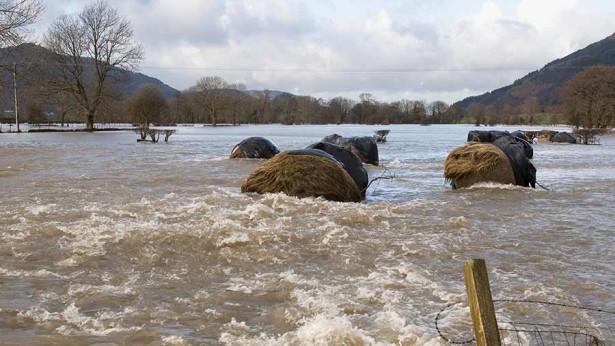
Flood-hit farms are expected to make insurance claims for more than £40m of damage, although with many of their losses uninsurable, the true cost of this winter’s storms on Britain’s farms will be much higher. Rural insurer NFU Mutual, which insures 75% of UK farmers and thousands of rural homes and businesses, has issued the estimate for claims centred on northern England, Scotland and north Wales. About two-thirds of the claims relate to farms and rural businesses and the remainder to damage to homes and cars. Most claims relate to flooding damage to buildings and their contents. Matthew Scott, chief claims manager at NFU Mutual, said: “Based on what we are hearing from our network of offices across the UK, the flooding in many parts of Scotland, northern England and north-west Wales could be the worst for several years.” Meanwhile, NFU Scotland has called on the Scottish government and Scottish Environment Protection Agency (Sepa) to examine new measures to build resilience against extreme weather events into the sector. NFU Scotland vice-president Andrew McCornick said: “For many farmers and crofters across Scotland, the weather in 2015 meant it was a year they would wish to forget. But 2016 has brought no end to the misery. “The battering the country has taken in recent days, hit by storm after storm, has left thousands of acres under water, while those fields that have escaped the flooding are sodden. “Valuable topsoil has been stripped from fields, debris dumped on land, fences, buildings and farm houses damaged and livestock lost. We are using our regional network to more accurately assess the scale of the damage, but in these difficult times, our members can be reassured that we are there to help and our regional managers, local offices and group secretaries will do what they can to assist.” NFU Scotland has urged the Scottish government to consider making funds available to rebuild any damaged flood defences and help reinstate flooded land back into production, mirroring the Flooding Recovery Fund established by Defra in England and Wales. “Longer term, ongoing political commitment to finding solutions will be needed if we are to not only recover from the immediate problems, but build long-term resilience into our farming systems to endure such weather events.” Source - fwi.co.uk

07.01.2016

India - Crop insurance premium discussed at meeting chaired by PM

Prime Minister Narendra Modi today discussed with some ministerial colleagues the issue of crop insurance premium, which has been a sticking point in the scheme. The proposal on the new crop insurance scheme, moved by the Agriculture Ministry, was once discussed in a Cabinet meeting last year, but the decision was deferred in the wake of differences over the premium rate. The ministry, in its cabinet note, has proposed an average premium of upto 2.5 percent for foodgrain and oilseeds crops and 5 percent for horticulture crops. Some sections, however, wanted a uniform premium of 1-1.5 percent for all crops. In the meeting this evening, Agriculture Minister Radha Mohan Singh is understood to have given a presentation on the new crop insurance scheme and its benefits, sources said. The premium issue was discussed, they added. According to the sources, the meeting was informed that the Centre would incur an expenditure of Rs 8,000 crore annually if a premium rate for farmers was fixed at 2.5 to 5 percent depending on the risky crops and if 50 percent of the total crop area of 194 million hectare was insured. It was also informed that fixing a uniform premium rate of 1.5 percent for all crops for 100 percent coverage would increase the Centre's financial burden to Rs 11,000 crore, which the Finance Ministry officials said was a major concern at present. In the existing Modified National Agricultural Insurance Scheme (MNAIS), the average premium rate for farmers has been kept at 5.5 percent, though the premium rate for high risky crops is as high as 40 percent. Last year, only 27 percent of the crop area was insured which cost Rs 3,150 crore to the national exchequer. Besides lower premium rate, the proposed crop insurance aims to settle insurance claims faster by assessing the crop damage using modern technologies like remote sensor. It was informed in the meeting that the Agriculture Ministry has already launched a portal on crop insurance and a mobile app as part of the digital India campaign, sources added. Source - moneycontrol.com

06.01.2016

India - Banana crop damaged by monsoon

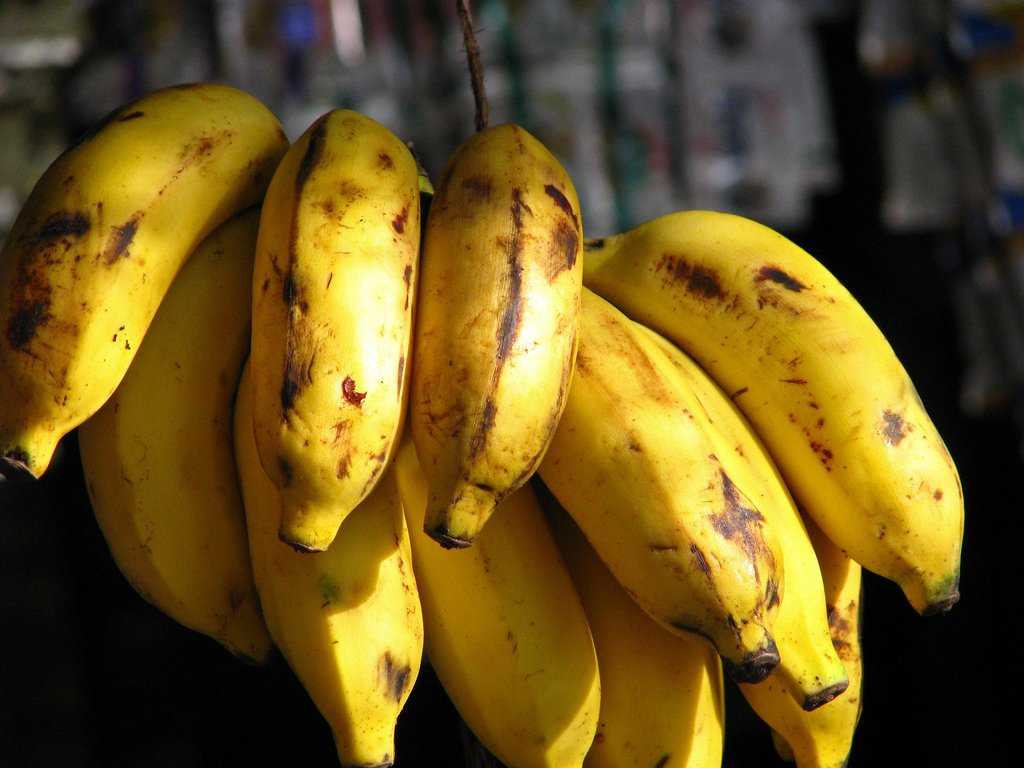
In Tuticorin, a port city in India, severe monsoon rains have damaged 3,048 hectares of banana crops. On Monday 4 January officials were still ascertaining the damage caused to other crops and a report is expected to be submitted Wednesday 6 January.   Apart from banana, crops such as chillies and onions were also damaged in the rains. The State government had already announced compensation for crop damage.   As for damages caused to irrigated banana crop, compensation of Rs.13,500 was fixed per hectare and Rs.7,410 as compensation for damage caused to a hectare of rain-fed crop.   Surpassing the average annual rainfall of 662 mm, Collector Mr. Ravikumar said the district experienced 804.6 mm rain in 2015.   He said NABARD had sanctioned Rs.10.23 m under its rural infrastructure development fund to construct a check-dam across Karumeniyar at Kombankulam in Sathankulam taluk. The check-dam will have a 70 meter width and height of one meter.   (1 Indian Rupee= 0.015 USD)   Source - freshplaza.com

06.01.2016

Turkey - Tomato farmers suffer results of frost

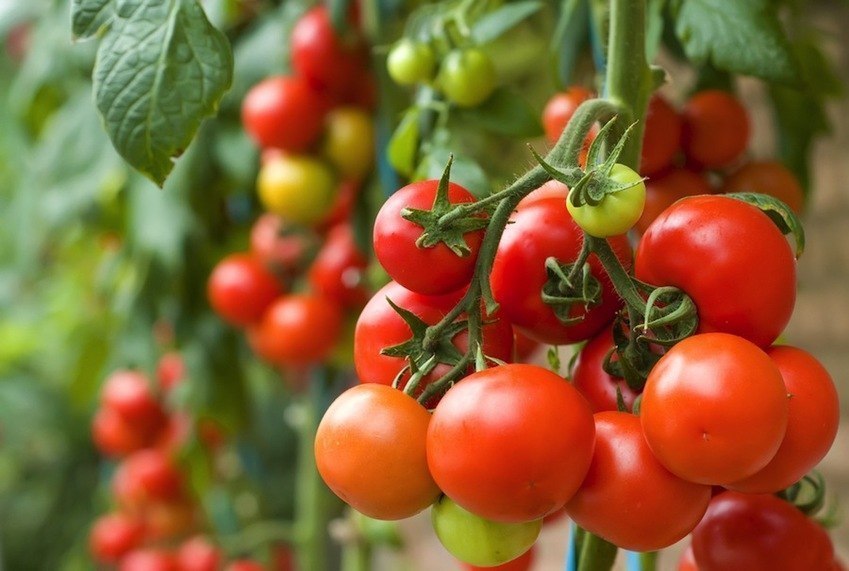
Whilst most people in Turkey were celebrating the beginning of the new year, farmers in Fethiye, southern Turkey were keeping vigil in their greenhouses against the frost.    Fethiye is home to important greenhouse tomato growing areas; as the temperatures fell below zero on New Year’s Eve, many farmers had to cancel their celebrations and instead stay in their greenhouse to protect their crops.    Growers responded to criticism over prices    “While the nation is celebrating and enjoying themselves, we’re here in the greenhouses keeping vigil,” said tomato grower Neset Kaban, “Prices may be high for three or five days and farmers will be blamed, it will be the chemicals we’re using or something like that. But when the prices are cheap no one thinks of the farmers.”    “If we don’t work, how will we pay our debts”    Kaban explains that the farmers cannot put aside time to enjoy themselves: “If we don’t work, who will pay our debts? We’re holding vigil in the greenhouses.” Another farmers, Hasan Sutce explains, “The temperature outside is 2 degrees, in the greenhouses it falls to below zero. We’ve lit the stoves, the weather is very harsh. The weather in Turkey is cold everywhere, but to see such extreme cold in a tourism paradise like Fethiye is quite something. Fuel is very expensive, we’re burning 400 kilos a day. We’re having huge difficulties because we can’t find good cash buyers.”    Source - freshplaza.com

06.01.2016

Spain - The high temperatures raise concerns in Murcia

The high temperatures registered in the region of Murcia in recent weeks are causing great concern among agricultural producers, who fear that their crops' seasons could be affected. For the past few weeks, maximum temperatures close to 20 degrees have been registered in large areas of Campo de Cartagena and Guadalentín, where the vegetable harvest has already started.    But what worries these growers the most is that these very high temperatures are also 'slamming' Central European countries, consumers of our products at this time. The lack of cold in these areas is allowing them to supply the market with their own production, without the need to import, causing demand of foreign produce to be between 20 and 30 percent lower than usual.    Jesús Abenza, of Alimer, explains that the campaign "is planned each year based on the assumption that the weather conditions will be normal, but every season is a new experience from which we must learn." He stresses the fact that the maximum temperatures "should be lower, and the minimum ones too," and points out that the lettuce and broccoli harvests have already started.    Cold wave expected in Europe "Paradoxically, the best that could happen to growers in Cartagena and Guadalentín is the arrival of a cold wave in central Europe," explains Abenza. He says that when such weather conditions are registered, "Murcia is not usually affected by intense cold, which makes us the largest, if not the only ones capable of supplying some areas." In any case, it must also be said that in the event that the cold wave reached south eastern Spain, the catastrophe for Spanish crops would be guaranteed.    Source - freshplaza.com

06.01.2016

Panama - Chiriqui incorporates drones in agriculture

Yesterday, the Ministry of Agricultural Development (MIDA) presented the use of drones in agriculture to enhance productivity to producers from Orillas del Río in Alanje, Chiriqui.   These drones, which have GPS technology and infrared cameras, detect the variation of colors in plants and are able to discover affected plants within the production plots, allowing producers to treat more effectively any pest that damages the crops.   Jorge Arango, MIDA minister, said that "the drones are a technology being used for some time in other countries but that are only starting to be used in Panama. There are three demonstrations that have been made in the country and we know that this will help improve production costs."   Arango said that this technology "will allow lowering production costs because producers won't use fertilizers or other productivity mechanisms discriminately as this technology will help them determine what part of the plots need support at any given time."   "Producing more quintals per hectare, by only using the fertilizer needed is a way to lower the market basket and to double production," said the minister.   "This technology seeks to optimize production by lowering labor costs, pesticide and fertilizer use because they can detect where the problem crops are," said Melquiades Gaitan, a promoter of drones.   Among other things, the drones can detect pests, water stress, and the plants' nutritional problems without having the staff travel long stretches of land on the farms.    The geo-referenced maps of the production plots are downloaded as photographs to determine the specific points where the administrator needs to work in a productive farm.    Producers seek help from the MIDA  Due to the presentation of the use of new technologies in agriculture, rice producer Nodier Diaz said "we need to implement a pilot plan to support these producers, especially the small ones that do not have access to these drones that are so expensive, so the state must intervene to help them."    Diaz stressed the importance of this technology and said the Government should provide logistical and technical support to producers through the MIDA.    Panama currently uses drones very effectively in the production of sugarcane, bananas, and rice, which are the largest productions in terms of land and crops.    The flights of these drones are automatic, they dominate the topography, count plants, detect problems, and tell producers when the ripening process of some crops begins in just one flight.    A top of the line drone in Panama can currently cost around $ 15,000, so agricultural officials hope to provide the necessary support to the producers who are interested in adopting this technology in their field work.    Source - freshplaza.com

897
of 1224