India - Karnataka farmers incurred loss of ₹30,000 crore due to drought
The Karnataka Chief Minister said the drought condition has resulted in crop loss on 42 lakh hectares in the state and 216 out of 236 taluks have been declared drought-hit.


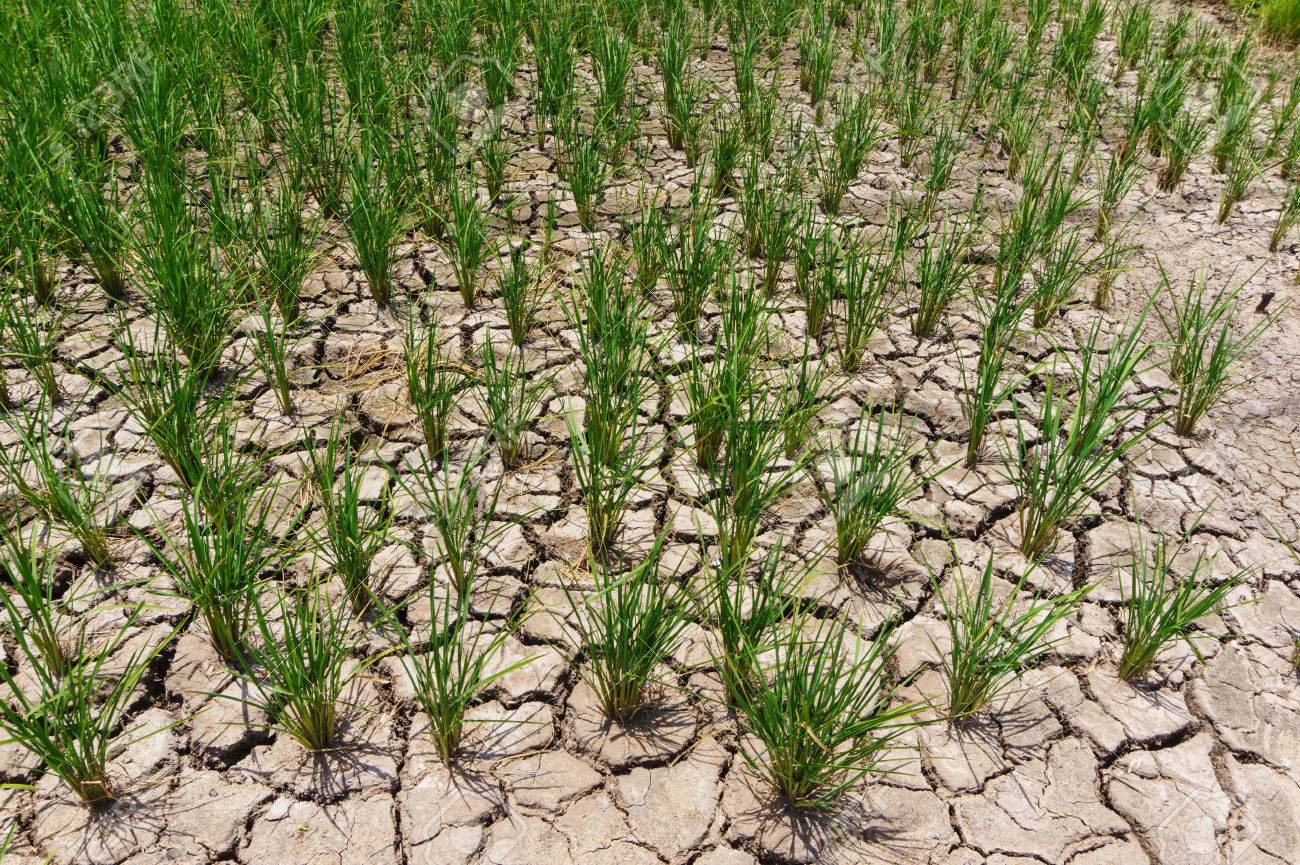
The Karnataka Chief Minister said the drought condition has resulted in crop loss on 42 lakh hectares in the state and 216 out of 236 taluks have been declared drought-hit.
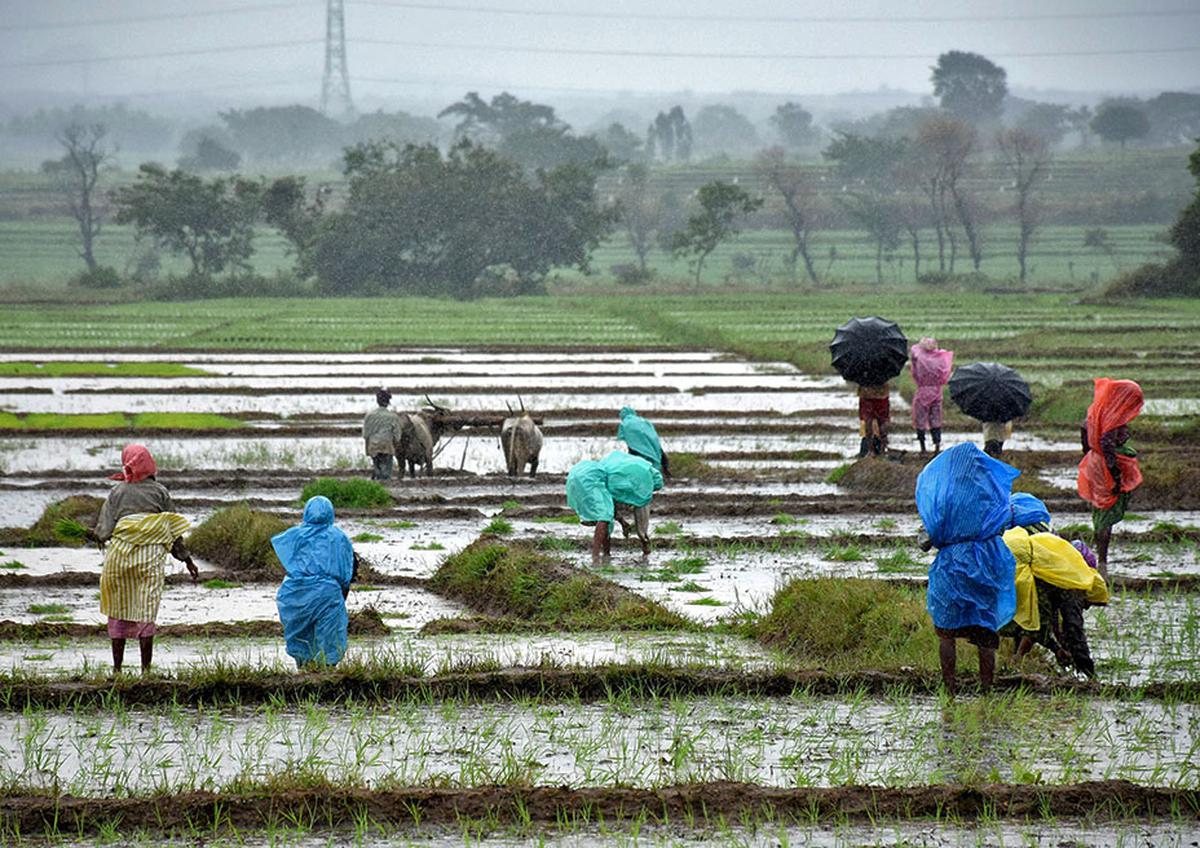
Heavy rain on late Saturday night has added to the worries of farmers as their paddy crop is ready for harvesting. Unseasonal rain led to waterlogging in many low-lying areas, besides flattening of paddy crop in the district.
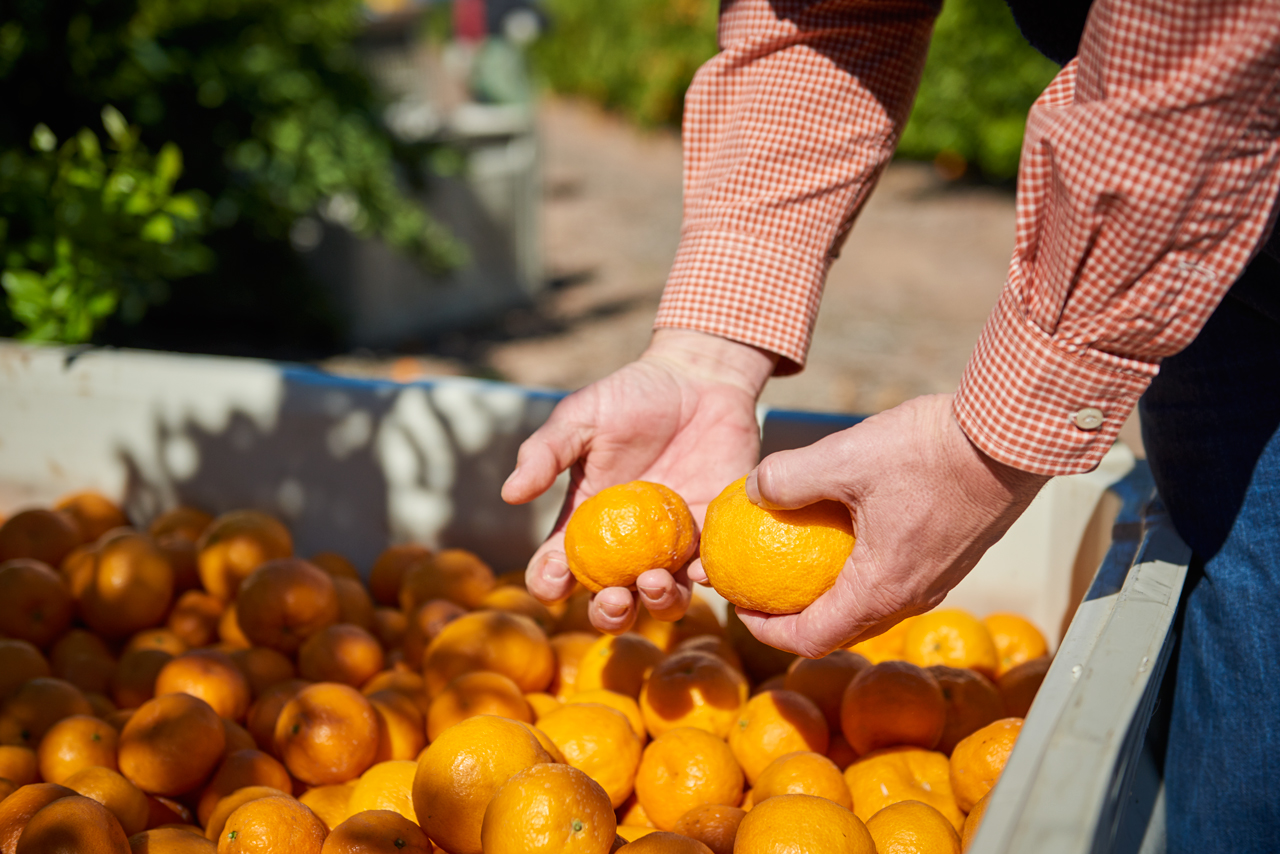
The 2023-24 season will continue to be a recovery period for Texas citrus. “Our trees continue healing after the 2021 freeze. Our trees are about 75 percent recovered, our numbers look good and our product is just as delicious as ever, but customers should expect a crop that peaks on smaller fruit as a result of the ongoing drought,” says April Flowers of Lone Star Citrus Growers.

Vineyards across British Columbia were hard hit by a major cold snap last year, which had a significant impact on this year’s production in the Okanagan.Temperatures dropped in late December 2022, and in some areas of the valley dipped close to -30 C.
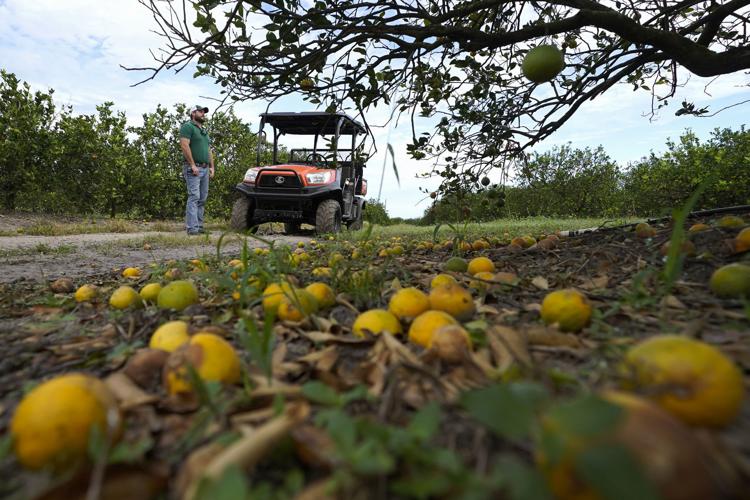
Still recovering from Hurricane Ian, Florida’s citrus industry is expected to see an increase in production after last year’s storm-damaged crop.But an initial forecast for the 2023-24 growing season, released Thursday by the U.S. Department of Agriculture, projected that orange production will be half of what it was two seasons ago.
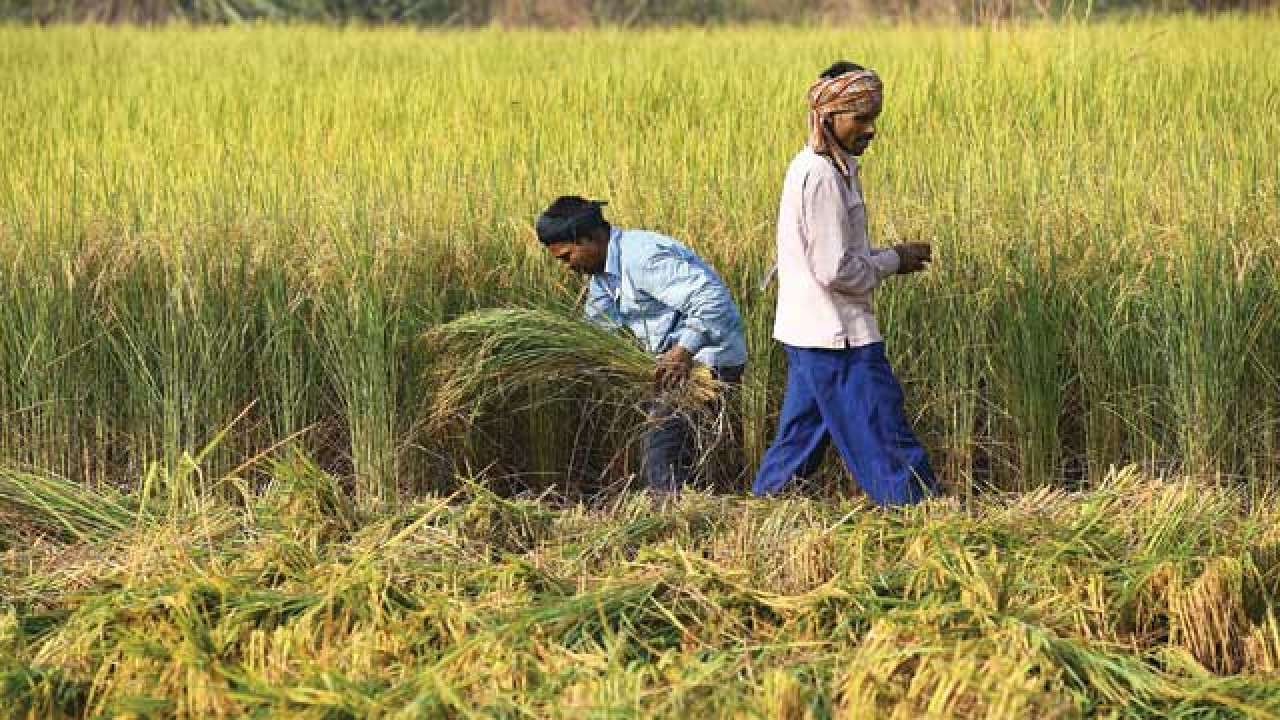
Agriculture Minister Mahinda Amaraweera has proposed to give a compensation of Rs.250,000 per hectare to the farmers whose crop was damaged in the last Yala Season due to drought.

Observers agree that climate change has become the biggest challenge facing Moroccan agriculture, an assertion confirmed by professionals who are already suffering from climatic disruptions on the ground.
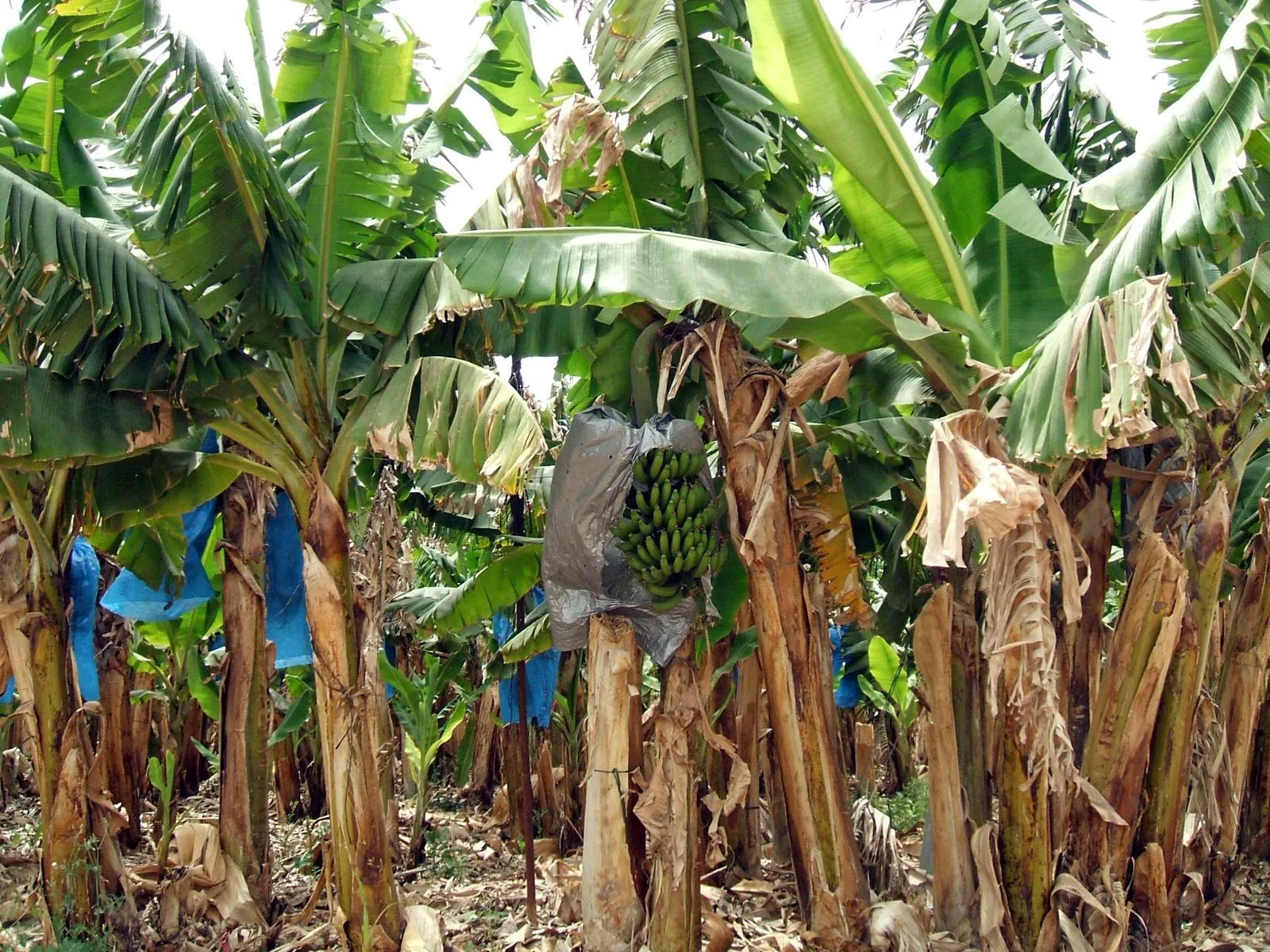
Lurking inside the crops of banana-producing-areas in east and central Africa is a disease called Banana Xanthomonas Wilt (BXW)—and new modeling by researchers from the Alliance of Bioversity International and CIAT has shown that if left uncontrolled, this bacterial disease could cause a 55% reduction in banana production in newly affected regions within 10 years.

Floods, droughts, insect infestations, storms, disease and war have caused about $123 billion per year in lost food production between 1991 and 2021, the equivalent of five percent of total production or enough to feed up to half a billion people per year, the FAO said in a report.

How much compensation bona fide farmers can receive for losses sustained as a result of Typhoon Mawar has been answered by the attorney general, who’s legal opinion was sought for clarification by the Guam Department of Agriculture.
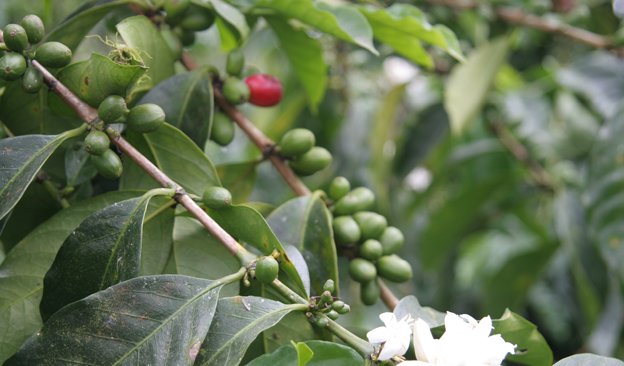
Climatechange and habitat lossare combining to dramatically shrink the numbers of insects pollinating key tropical crops. As those problems intertwine and intensify, it likely will hit coffee lovers right in the mug, according to a new study.
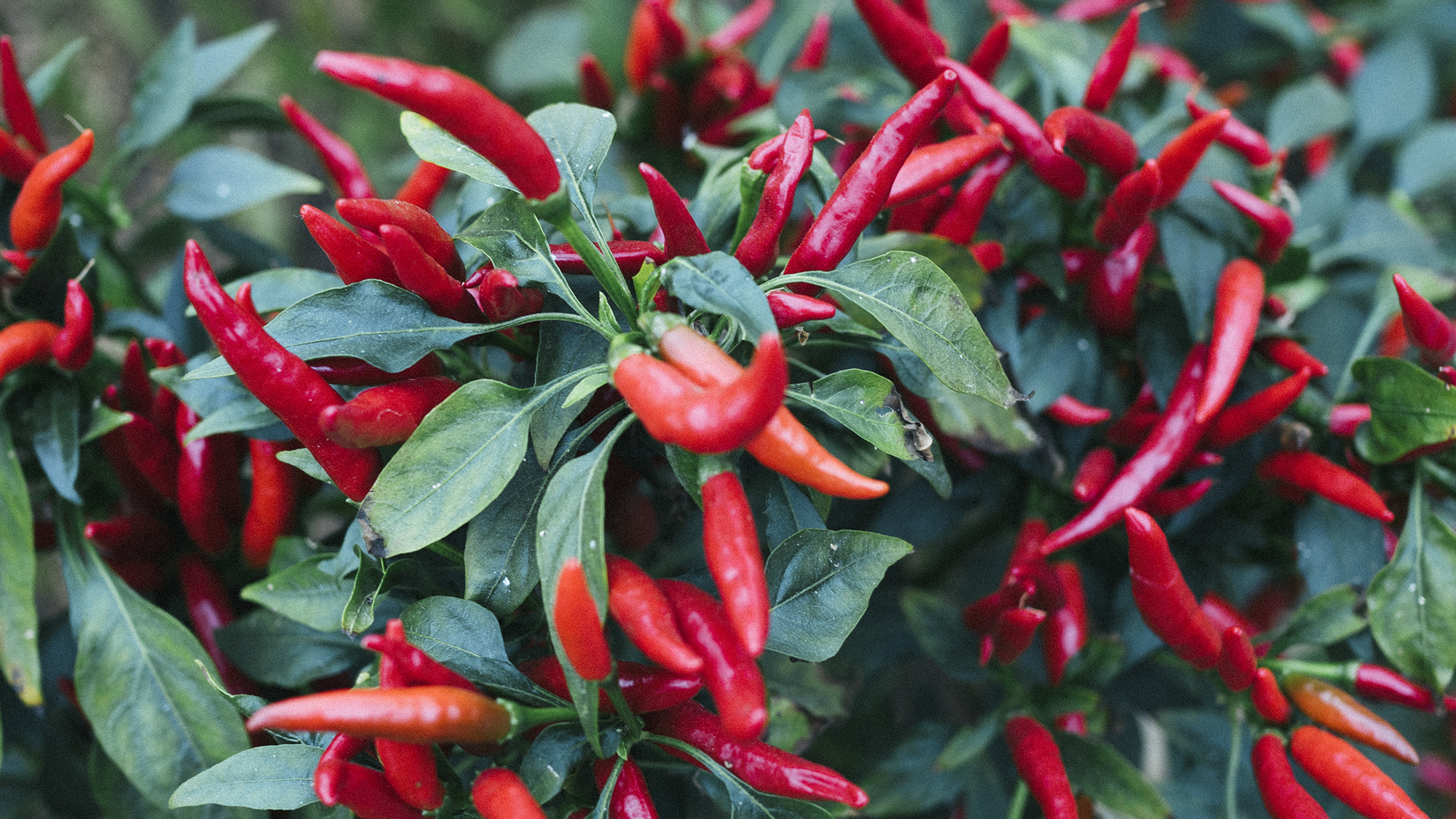
Manipur's Sirarakhong village is unlikely to celebrate Hathei festival this year as the livelihood of over 250 ‘hathei’ (Chili pepper) farmers of the village located inwest of Ukhrul district has been severely affected with crop failure, in what could be termed as an impact of climate change.

The Unió de Pagesos has stated that the drought has "significantly" affected agricultural plantations dependent on the swamps of Guiamets, in the Ribera d'Ebre and Priorat, Margalef, as well as in the Priorat, and Riudecanyes swamp, in Baix Camp and Tarragonès, which won't share more water in the remainder of 2023.
Global economic losses could reach $5 trillion under a "plausible increase" in extreme weather events linked to climate change that cause crop failures and food and water shortages, insurance marketplace Lloyd's of London said on Wednesday.

Two Missouri State University agriculture professors received grants from theU.S. Department of Agriculture National Institute of Food and Agriculturetotaling nearly $600,000.

The El Nino effect has pushed up temperatures by 2-5 degrees Celsius above normal during October in Karnataka.Officials in the Agriculture Department say that every one-degree increase in temperature during winter will result in a 10 per cent crop loss.