USA - Department of Agriculture invests nearly $8 million in 26 game-changing programs
The U.S. Department of Agriculture recentlyannounced an investmentof more than $7.5 million to help reduce planet-warming gas pollution.
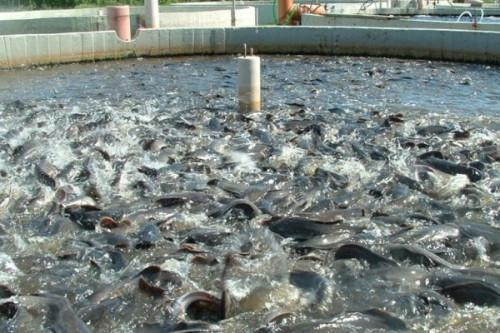
A proposal to impose a surcharge on ASC-certified fish in Norway would affect more than 40 percent of the countrys salmon farms.
Bananas, papayas and mangoes are some of the new crops in Greece as an increasing number of farmers are switching production to subtropical fruit due to rising temperatures.
A new position was unveiled at the University of Saskatchewan that aims to bolster crop breeding in Western Canada.
Fresh Formulaics will introduce its inaugural product, Flair S1, at Berlin Fruit Logistica this week.
Bonsai Robotics, a developer of physical AI solutions for agriculture applications, announced it has raised $15 million in Series A funding.
The future of wheat breeding in Canada is on uncertain ground.
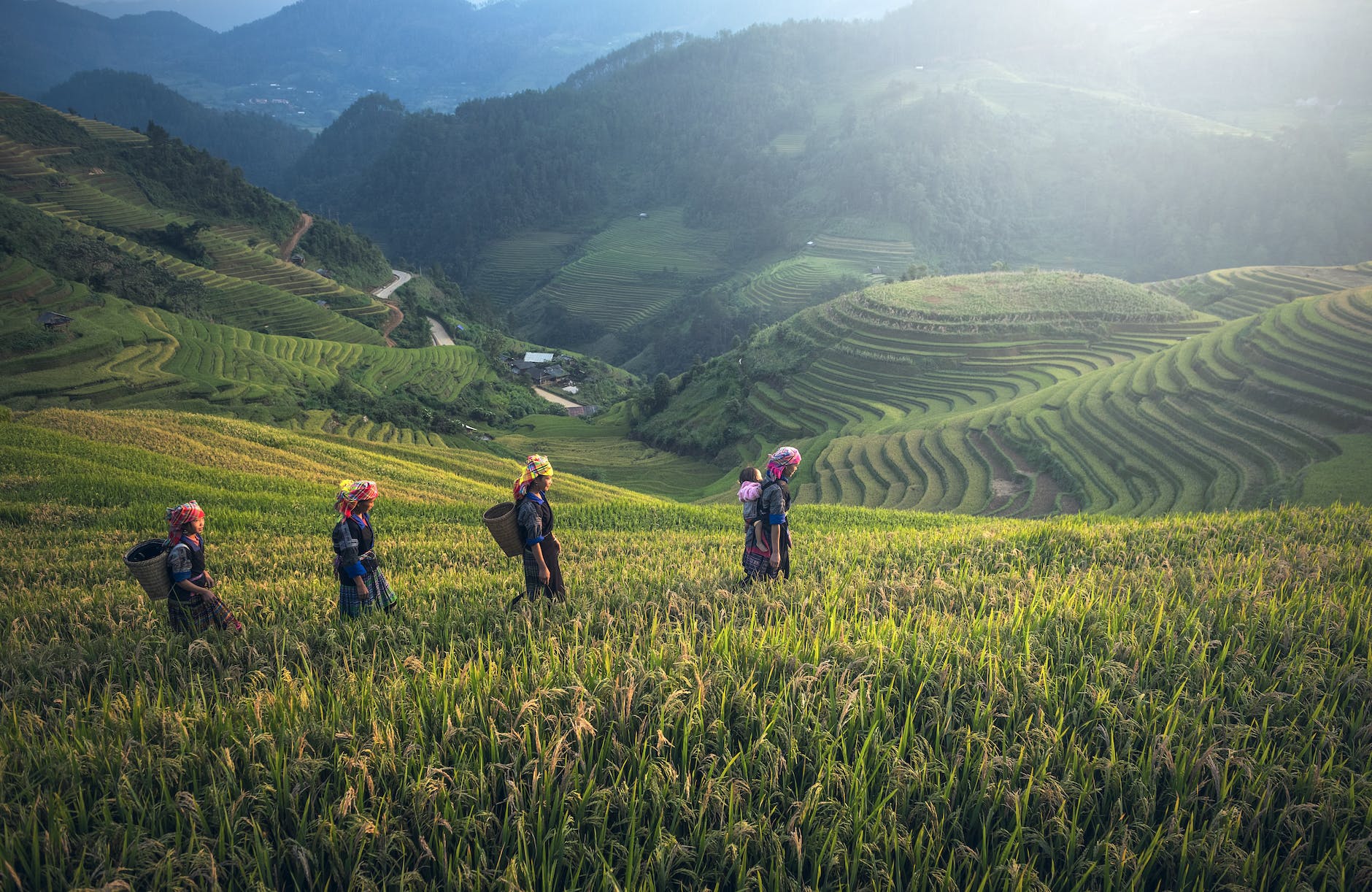
The Australian Centre for International Agricultural Research (ACIAR) has announced major investment plans which aim to improve farming practices in Cambodia.
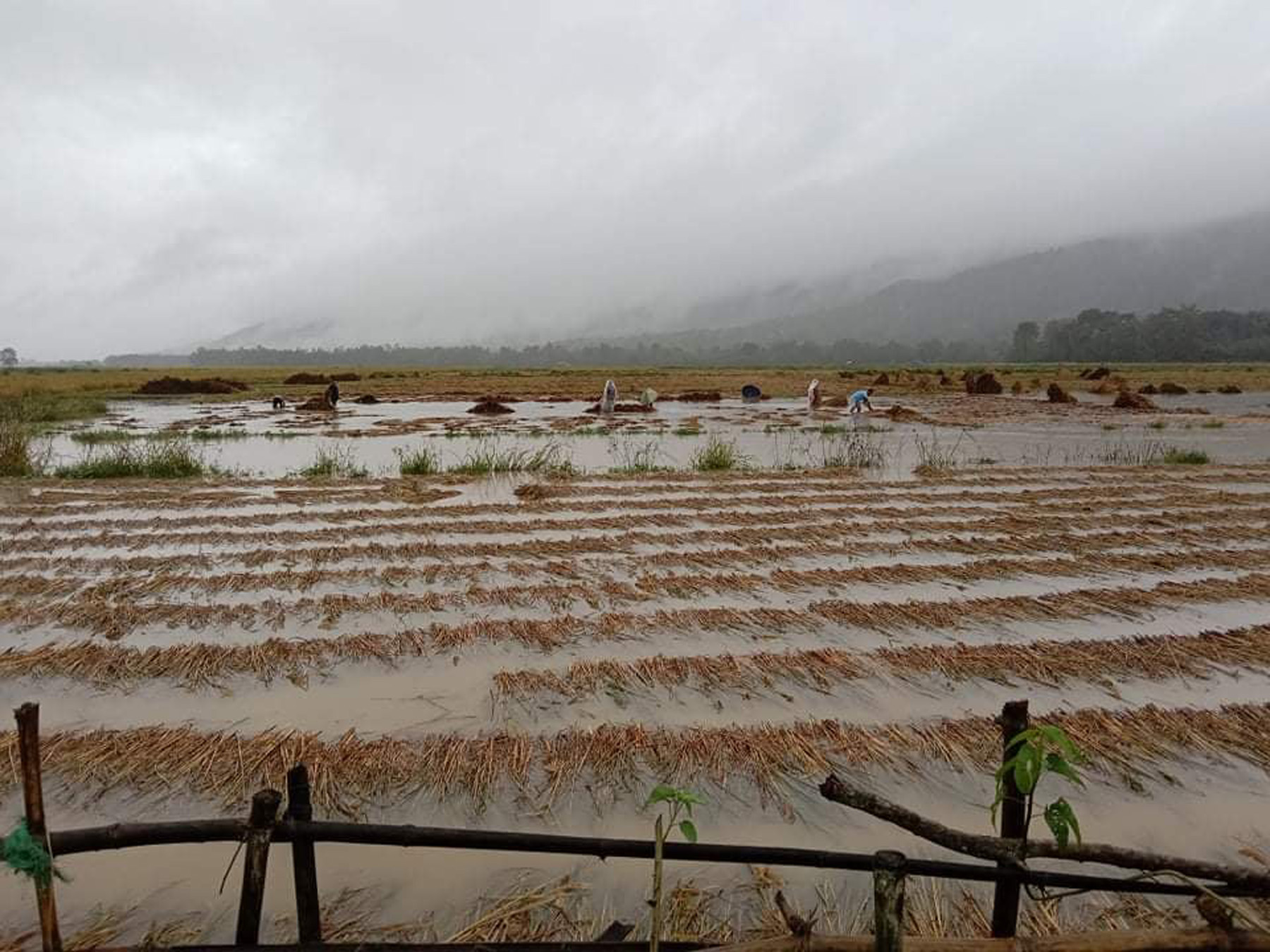
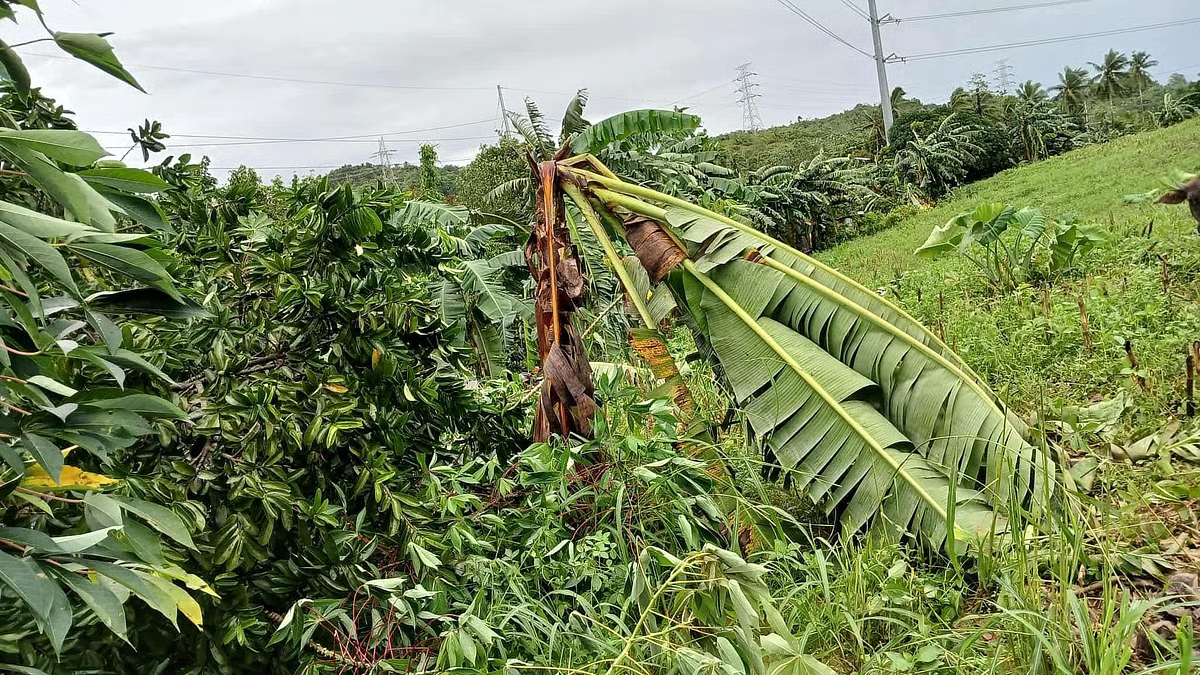
A wall of water has smashed north Queensland banana crops, as farmers wait anxiously to assess the damage from the flooding emergency.
Seoul, South Korea-based aquaculture company Raon Bada has been awarded an Aquaculture Stewardship Council (ASC) certification for its olive flounder, the first such certification made to any farmer of the species.
In Khammam district, chili crops are experiencing pest challenges, particularly from nalla tamara (black thrips).
BiocSol, aBelgianstartup specialising in sustainable crop protection solutions, has snapped €4.4 million in its latest funding round.
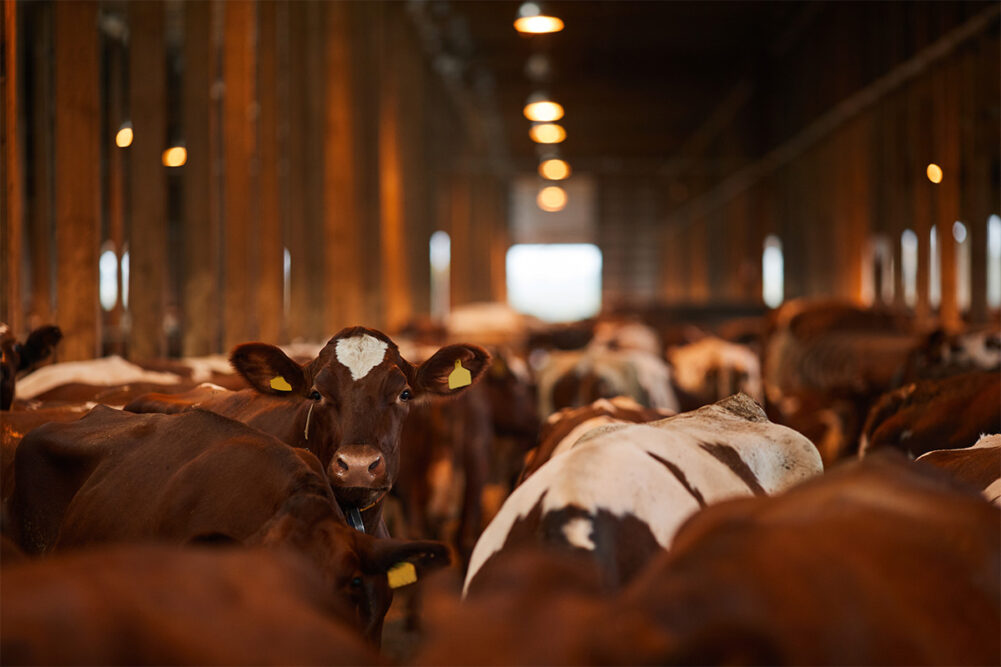
The Department of Agriculture is beefing up a livestock management program to reduce car accidents and property damage related to cattle, among other things.
Recommends blacklisting CSC operators; officials say state can’t make changes without Centre nod.
Costa Ricas coffee industry faces losses of up to 10% as Nicaraguas strictnew immigration lawsand unseasonable rains disrupt the crucial harvest season.
The by-products and waste from papayas, pineapples, coconuts, ulu, macadamia nuts and Albezia trees may one day be converted to fuel and energy to help lower greenhouse gas emissions.