

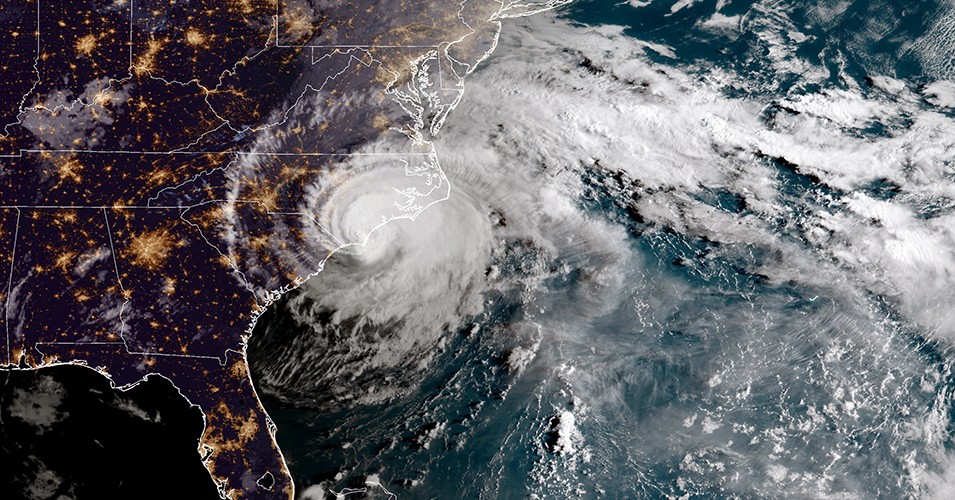
USA - Crops in 2019 may be affected
18.03.2019 1020 views
Bladen County farmers experienced the impact of Hurricane Florence in the loss of crops, with farmers losing out from both storm related damage to an inability to harvest crops.
“The majority of the damage was to crops,” Bruce McLean, an agriculture extension agent, wrote in an email. “This was felt by all farmers across all of the different commodities.”
Some farmers had complete losses of everything in the field.
“Tobacco foliage plant turned brown or black from the wind damage,” he wrote.
Most corn was harvested prior to the hurricane, but anything that was in the field had heavy wind damage from being blown over. The peanut farmers on heavy land sustained a lot of losses from the ground being saturated.
”Peanuts have a definite harvest window,” McLean said. “If the farmer misses that harvest window, they will lose peanuts because the peanut cannot hold on to the vine, and will be lost during the harvest process.”
The problems were similar for soybeans as well. Drowning and flooding, winds and moisture wreaked havoc.
“Pretty much, most all soybeans had quality issues,” McLean said. “There were shriveled beans, moldy beans, discolored beans and even poor pollination which means lack of beans.”
Most other crops were damaged from the destructive winds or flooding. That flooding made it difficult for farmers to get into plant or harvest, causing significant delays or crops that could not be harvested.
“Perennial crops, like blueberries, blackberries, muscadines and fruit and nut trees experienced a wide variety of conditions and losses,” he said.
The exact extent of the damage is not known; some of the crops may have more losses in fruit production and plants this year.
“Growers and Extension personnel are beginning to see the absence of flower buds on many of these plants due to Hurricane Florence,” McLean wrote in the email. “Unfortunately, local fruit may be in shorter-than-usual supply this year.”
McLean stresses that no matter the crop, one issue that everyone will experience is reduced fertility. Excessive rain washes nutrients out of the soil.
”Many of our soil nutrients have been pushed out of our soils because of the excessive rain,” he said.
This causes lower soil pH from the loss of calcium and magnesium, plus lower potassium. The water-caused erosion also took away surface organic matter, “likely lower micronutrients, and even lower available phosphorus due to lower soil microbial populations.”
“This means the farmers will have to apply more fertilizer and lime,” he said, adding that it would be an additional cost.
“Farmers don’t want to hear that,” he said, “because this additional cost may be the difference of a crop being profitable or not, due to low commodity prices.”
Right now the Extension Office is recommending that everyone, both farmers and homeowners alike, take soil samples and have them tested to see what nutrients they will need to apply to meet the nutrient needs of their crop and landscape.
McLean says that unfortunately, the only program that is available for farmers at the current time is the Pasture Renovation Seed Initiative, which provides seed for summer annuals and summer perennials to eligible growers who had pastures and hayfields that were negatively impacted by the hurricane. The deadline for this program is Sunday.
Source - https://www.bladenjournal.com
EVENTS

ScaleAgData Stakeholder Engagement Event
22.10.2024The ScaleAgData project is pleased to invite you to our second stakeholder event. Building on the discussions and connections formed during our first webinar, this event will focus on fostering collaboration among stakeholders, providing updates on our project’s progress, and outlining future opportunities for engagement.
RISK EVENTS

Moldova - May frosts caused heavy damage to fruit orchards
10.05.2026The first frosty nights of May have significantly worsened estimates of damage to Moldova's fruit sector from spring frosts. According to initial assessments by fruit market operators, between a quarter and a third of the country's total orchard area was seriously affected.
13.09.2026
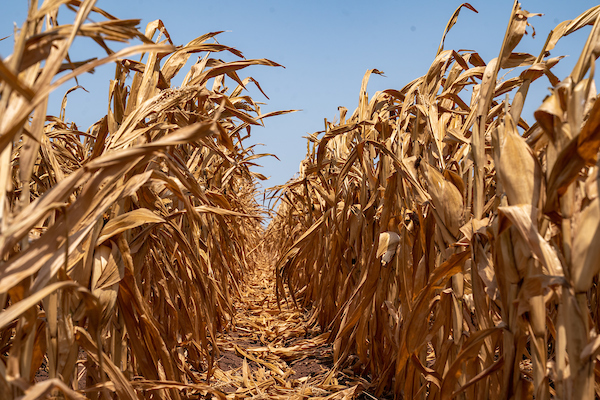
USA - Kansas Corn Crop Hit Hard as Extreme Heat and Drought Slash 2026 Yield Potential
Kansas corn faces major yield losses as extreme heat, drought and hot winds damage dryland fields, accelerate harvest and pressure farm margins.
13.09.2026
Generational renewal challenges Spain’s fruit and vegetable sector
John F. Kennedy once said: "Change is the law of life. And those who look only to the past or present are certain to miss the future." The quote is relevant to the challenge of generational renewal in Spain's fruit and vegetable sector.
13.09.2026

Sri Lanka - WNPS marks first livestock insurance payout against leopard predation
The Wildlife and Nature Protection Society (WNPS), together with UNDP Sri Lanka through the BIOFIN (Biodiversity Finance Initiative) and LOLC Holdings PLC, marked an important milestone in promoting human-leopard coexistence by presenting the first compensation payment under the Livestock Insurance Scheme and launching the construction of the first predator-proof community cattle pen in the Sigiriya landscape.
13.09.2026
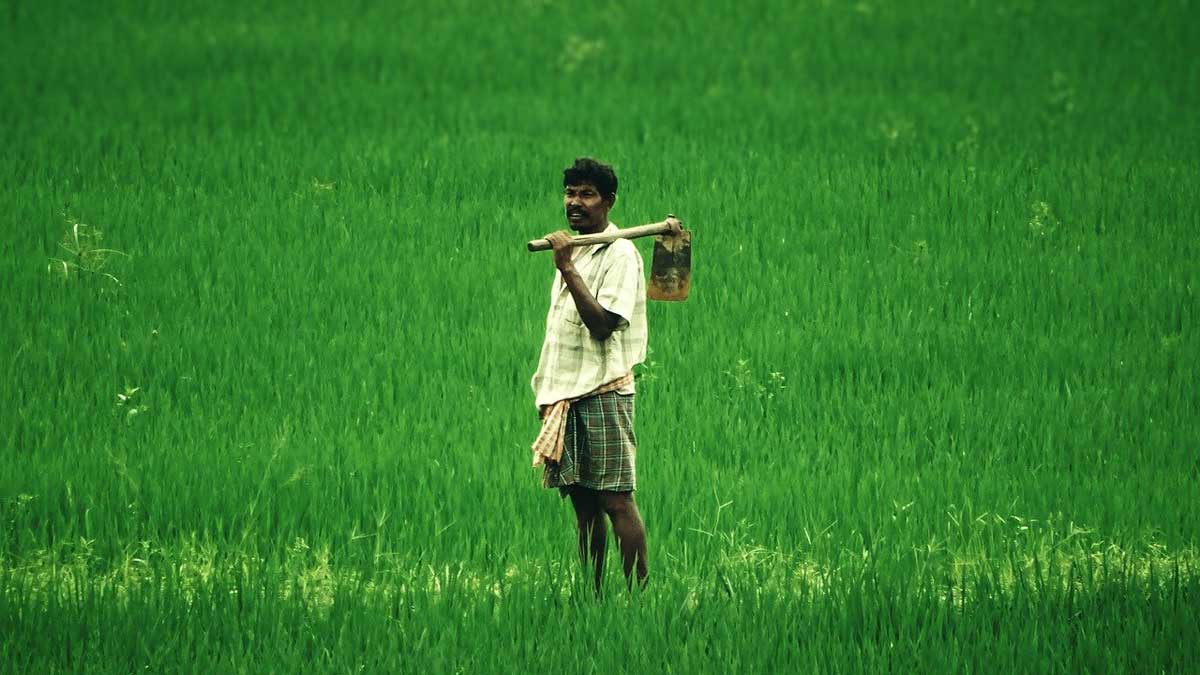
India - State govt disburses Rs 104 crore crop loss relief to over 1 lakh farmers
The state govt on Friday transferred Rs 104.46 crore directly into the bank accounts of 1,17,708 farmers under the Bihar State Crop Assistance Scheme to compensate them for crop losses suffered during the Kharif 2024 season.
13.09.2026
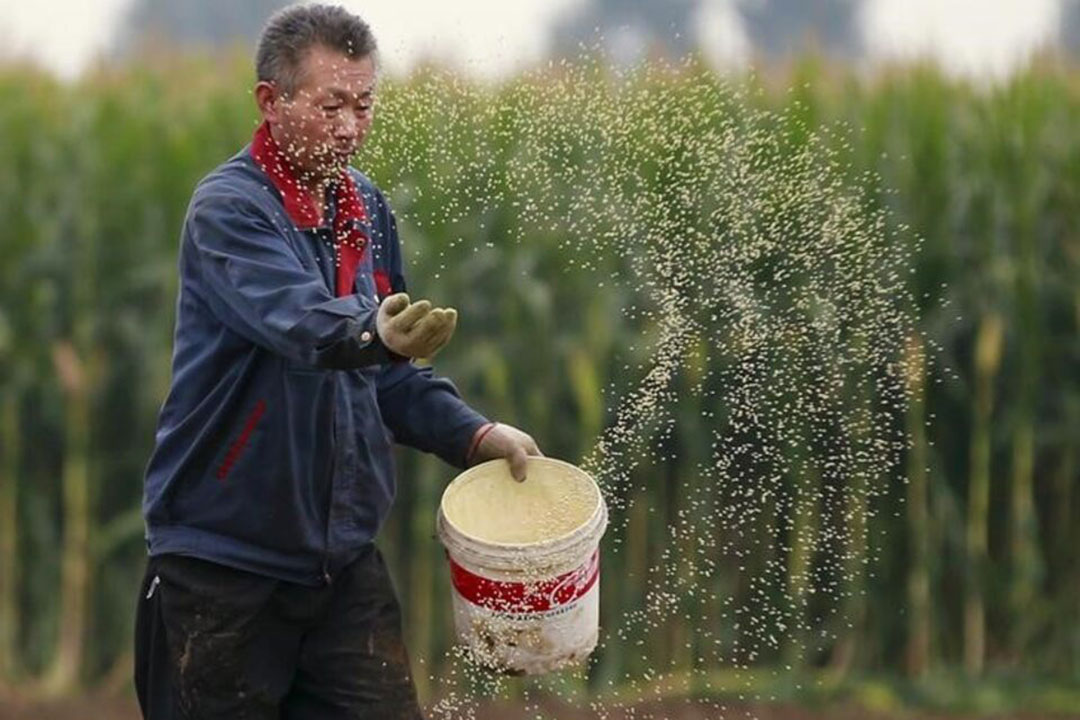
China unveils plan to expand agricultural insurance coverage
China on Friday released an implementation plan to strengthen agricultural insurance development that it says aims to help stabilise farmers' incomes and strengthen food security, reported Reuters.
13.09.2026
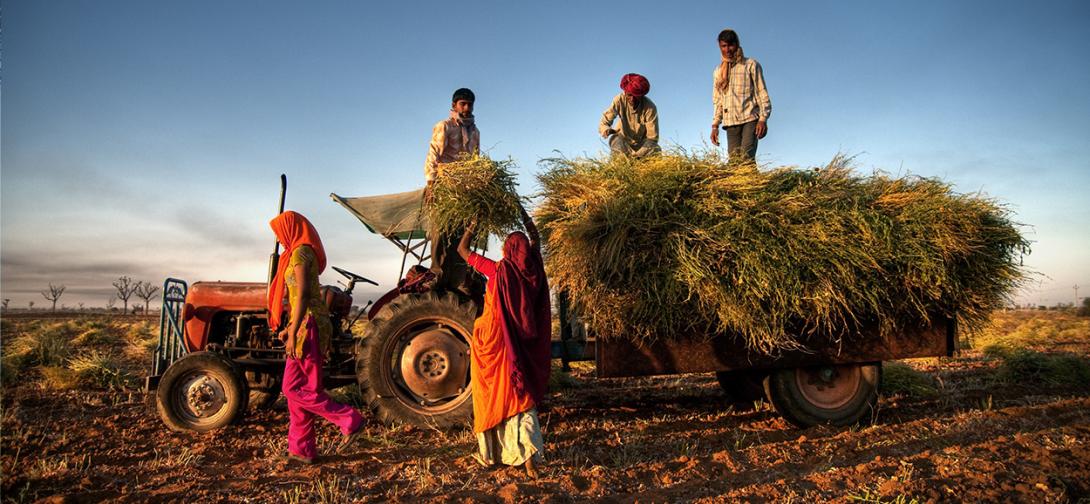
India - B R Patil seeks transparent crop-cutting surveys for insurance compensation
He says, officials should select fields for surveys in presence of farmers.
10.09.2026
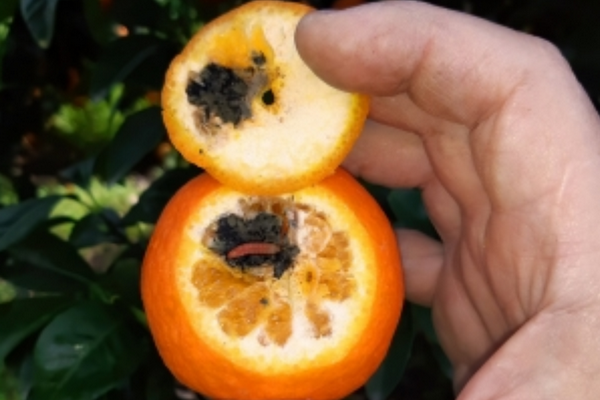
AVA-ASAJA urges the EU to enforce cold treatment standards on South Africa
The EU's TRACES platform has reported another detection of the false moth (Thaumatotibia leucotreta) in oranges from South Africa.
10.09.2026

India - Andaman Farmers Trained in Modern Goat Farming, Livestock Insurance and Institutional Credit
Farmers in New Bimblitan received practical training on modern goat farming, with the Department of Animal Husbandry and Veterinary Services focusing on scientific livestock management and access to government support schemes.
