

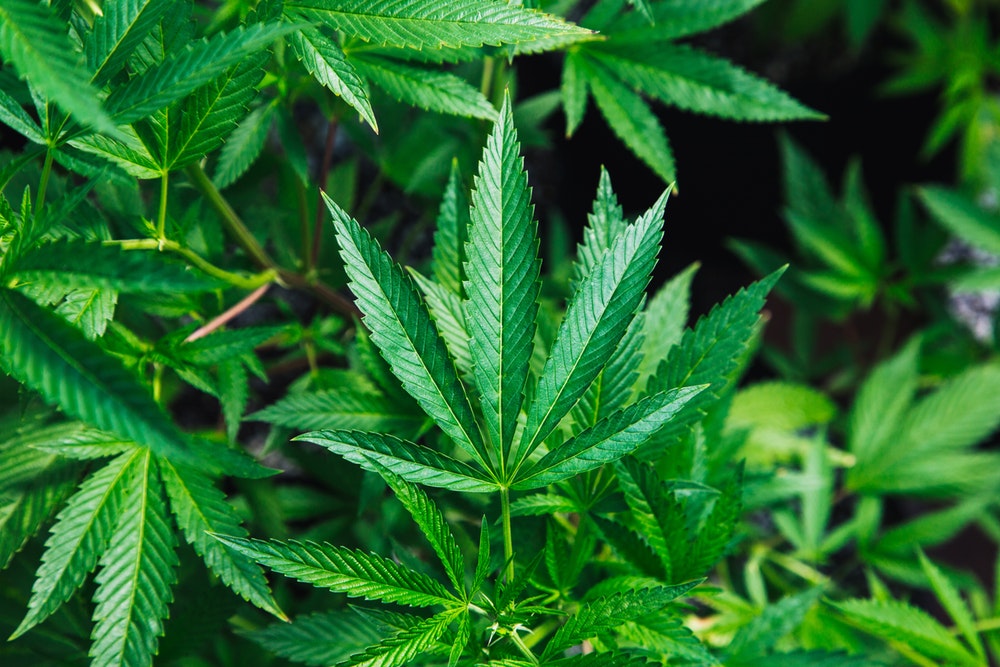
USA - Entire West Coast marijuana crop threatened by fire, smoke, and ash
07.10.2020 751 views
In not just California, but Oregon and Washington too, where even cannabis plants that are hundreds of miles from the fires suffer smoke damage that renders the pot unsmokable.
Back in the ‘old’ days of the 2017, 2018, and 2019 wildfires, the destruction and heartbreak for the legal cannabis industry was seeing acres of cannabis fields burn down across the storied ganja grasslands of northern California. But a new 2020 phenomenon makes that previous loss of chronic crop seem quaint. This year’s record-setting four million acres of land burned and resulting horrible, smoky conditions are killing off cannabis plants hundreds of miles away from the fires.
Here in San Francisco, even if you just had a potted backyard marijuana plant for your personal use, the infamous September 9 “orange sky” brought smoke damage that may have choked your plant, or blocked the sun to allow mold to form on your primo buds. And that from a fire that was least 60 miles away.
But hey, that’s just your backyard personal stash plant — commercial farmers lost an entire year’s crop and livelihood. And not just in directly fire-affected areas either, as the Mercury News picks up a CNN report that wildfire smoke has destroyed outdoor crops across California and Oregon. Industry trade publication Marijuana Business Daily adds that numerous farms in Washington state burned as well. This effectively threatens the entire 2020 “Croptober” harvest, that is, the mid-October bounty that (in a normal year) yields the lion’s share of the good shit.
“Even for operators whose cannabis businesses and plants were spared, the wildfires still present a mess of potential issues such as smoke damage, contamination, smaller buds, stressed out plants and end products that might not pass regulatory or consumer muster,” CNN Business reports.
Marijuana Business Daily details how the August Complex fires forced the famed “Emerald Triangle” growing grounds’ farmers to evacuate just as the bumper crop was beginning to bud, and fleeing farmers left with no idea if they’d have anything to return to. CNN Business adds the bummer that “Insurance companies, like banks, are reluctant to serve cannabis businesses because marijuana remains a federally illegal substance. And because of that illicit status, the enterprises don’t qualify for federal disaster aid.” These are ‘normal’ legal problems that come up again every year in fire-affected cannabis farming areas.
But there is now a larger issue of climate change and the legal cannabis industry, front and center affecting the entire Pacific coast. The weed you buy at your local dispensary is subject to far more rigorous mold and chemical testing than any produce you buy at the grocery store. “In a normal year, around 2% to 5% of California’s marijuana crops would fail mold tests,” according to Bloomberg. This year, they say, “it could be double that percentage as sunlight-blocking smoke weakens plants’ resistance to mold, disease and other pests.”
SF Weekly’s cannabis-focused sister publication SF Evergreen has a very good analysis of how to protect your outdoor grow from ash and smoke. Of course, the damage is pretty much already done this year, so much of that primer is advice for next October. And it’s fair to expect that ash and smoke are going to wreck California skies every September/October going forward for the foreseeable future, as smoke basically ruins our smoke stash.
Source - https://sfist.com
EVENTS

ScaleAgData Stakeholder Engagement Event
22.10.2024The ScaleAgData project is pleased to invite you to our second stakeholder event. Building on the discussions and connections formed during our first webinar, this event will focus on fostering collaboration among stakeholders, providing updates on our project’s progress, and outlining future opportunities for engagement.
RISK EVENTS

Moldova - May frosts caused heavy damage to fruit orchards
10.05.2026The first frosty nights of May have significantly worsened estimates of damage to Moldova's fruit sector from spring frosts. According to initial assessments by fruit market operators, between a quarter and a third of the country's total orchard area was seriously affected.
11.08.2026
Romania - Agra Asigurări launches 2026–2027 season: Increased compensation for farmers and extended protection
Agra Asigurări, Romania’s leading agricultural insurance company, has launched the quotation campaign for the 2026–2027 agricultural season, making its Agrar Basis crop insurance product available to farmers.
11.08.2026
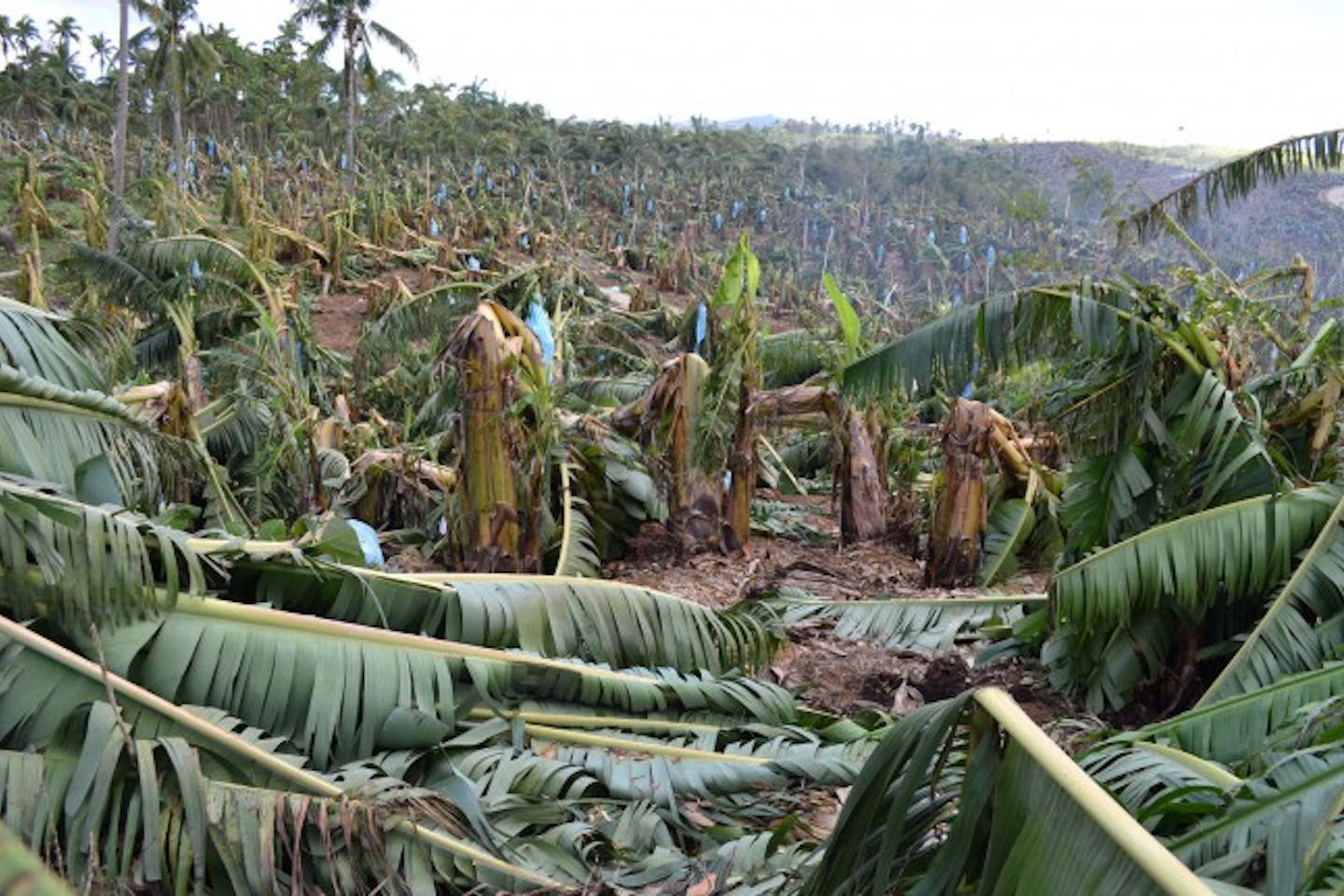
Typhoon losses expose the gap Philippine crop insurance was never built to close
A co-insurance pool launching next year is designed to address it.
11.08.2026

Nepal - Parliamentarians Demand National Action Plan for Monkey and Wild Boar Crop Damage
As the damage to agricultural crops by monkeys and wild boars is becoming serious, a proposal of urgent public importance has been registered in the House of Representatives demanding the creation of an integrated national action plan for a long-term solution to this problem.
11.08.2026

USA - Oregon hazelnut growers consider crop insurance to manage risk
Willamette Valley’s signature nut crop among the last to adopt the tool.
11.08.2026
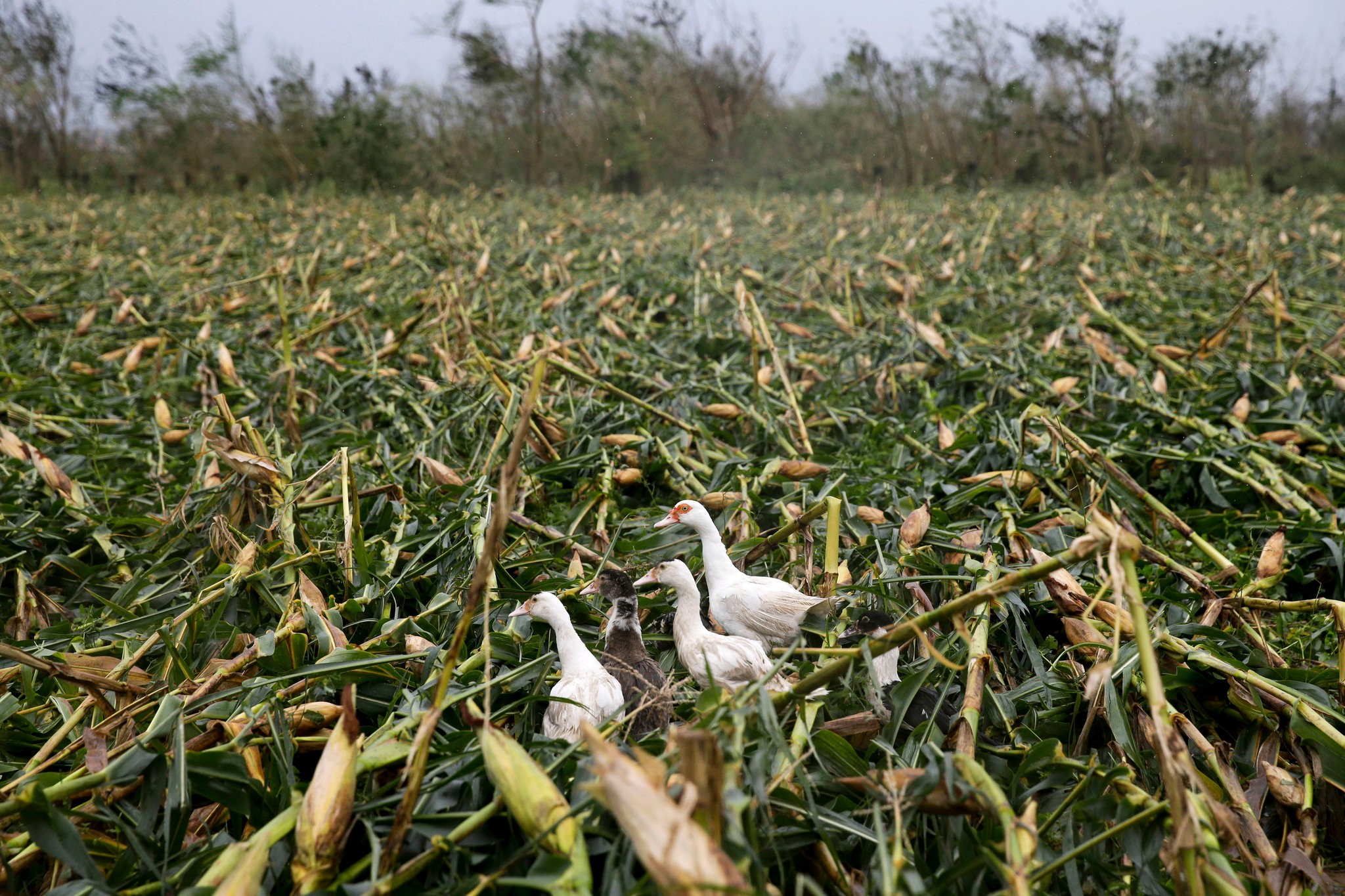
USA - Lawmakers say data loss is keeping hurricane-harmed Georgia farmers from insurance payments
Nearly two years after Hurricane Helene unleashed flooding and fierce winds across the South, some Georgia farmers say they still haven’t received compensation for damages, despite efforts from both sides of the political aisle.
11.08.2026
India - Recalibrate crop insurance for perennial plantations, MP urges Centre
On Tuesday, Dakshina Kannada MP Captain Brijesh Chowta called upon the Centre to conduct a thorough examination of the Restructured Weather-Based Crop Insurance Scheme as it applies to perennial plantation crops such as arecanut, coconut, cocoa and spices.
09.08.2026
Canada - Prairie producers filed more than 4,000 crop insurance claims in stormy July
A stormy July in the Prairie provinces led to insurance claims being filed on more than one million acres of land, according to the Canadian Crop Hail Association (CCHA).
09.08.2026
Government announces free EC$1.5 million crop insurance for Dominican farmers
Farmers in Dominica will receive government-funded crop insurance under a new EC$1.5 million facility aimed at shielding agricultural livelihoods from hurricanes and other climate-related disasters.
