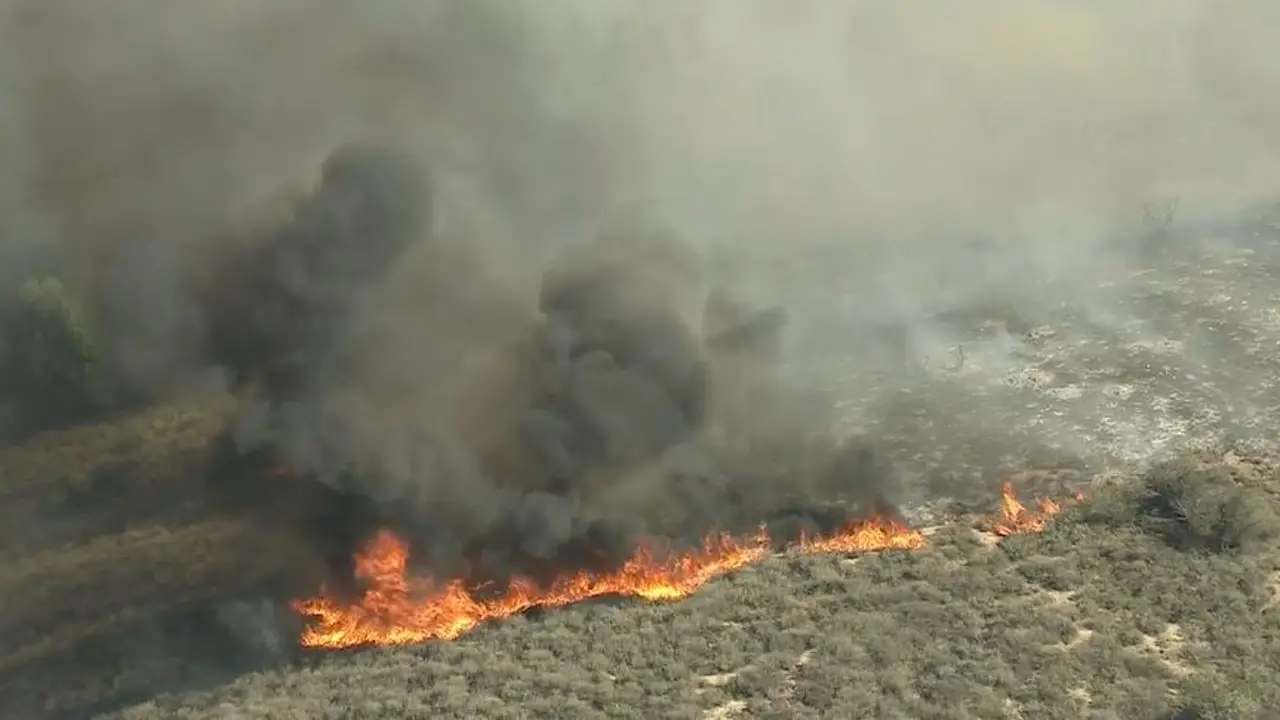
The 2026 wildfires in France and Spain are a significant test of European property, agricultural and business interruption insurance. The scale of land burned, precautionary evacuations and disruption to rural, tourism and agricultural activity underline the growing relevance of wildfire as a European exposure. Although Europe has experience handling wildfire claims, its modelling, claims data and policy precedent remain less developed than in California or Australia, making these losses important for underwriting, claims handling and reinsurance aggregation.
In France, wildfire damage does not ordinarily fall within the statutory natural catastrophe regime. Fire is treated as an insurable peril under the separate statutory fire framework, so affected policyholders should notify claims under the relevant property, household, commercial, agricultural, motor or forestry cover rather than awaiting a natural catastrophe order. In Spain, property losses are generally expected to be addressed under standard property policies, while specialist agricultural schemes such as Agroseguro may respond to crop losses. Across both markets, direct flame damage should be relatively straightforward, but more difficult questions arise where buildings remain standing yet are affected by smoke, soot, ash, heat, odour or contamination.
The most likely coverage issues include the extent of physical damage, whether smoke contamination or smoke taint is sufficient to trigger cover, and the treatment of business interruption losses caused by evacuation orders, restricted access, reduced tourism or supply-chain disruption. Traditional business interruption cover will often require insured physical damage, while prevention-of-access, civil authority or contingent business interruption extensions will depend on their precise wording, including mandatory orders, radius, waiting periods, duration, sublimits and causation requirements. Agricultural and wine-sector losses may be particularly complex, requiring distinctions between vines, growing crops, harvested produce, stock, bulk wine, bottled stock, seasonal yield loss and qualitative impairment.
Potential disputes between insurers, reinsurers and policyholders are likely to focus on proof of physical damage, causation, valuation, contamination exclusions, prevention requirements, recoverability of indirect economic losses and reinsurance aggregation. Several issues echo disputes that emerged following Covid-19, particularly where loss is linked to restricted access, public authority measures or reduced demand rather than direct property damage. Policyholders should notify all potentially relevant policies promptly, preserve evidence, document evacuation orders and restrictions, retain samples where appropriate, record mitigation and restart costs separately, and maintain detailed records supporting business interruption and seasonal losses.
Insurers can assist by simplifying notification, making emergency advances where coverage is clear, using geospatial mapping to identify affected policyholders, making early contact with insureds, deploying dedicated claims teams and providing transparent guidance on cover, limits and documentation requirements. More broadly, these fires highlight the need for improved risk mapping, prevention, underwriting discipline, ORSA climate-scenario analysis and reinsurance planning. How insurers and courts address smoke damage, evacuation-related losses and indirect business interruption claims in France and Spain may shape European claims practice and policy drafting in the years ahead.
Source - https://www.kennedyslaw.com