Record payouts, repeat drought conditions and ageing housing stock are reshaping how property insurers approach renewal risk.
The Environment Agency confirmed on July 29, 2026 that seven areas of England, comprising 51.4% of the country, are now officially in drought, following record-low rainfall and exceptionally high temperatures. The declared areas include London, East Anglia, Hampshire and the Isle of Wight, all of southwest England, and the West Midlands, after representatives of the National Drought Group, comprising meteorological and government officials, ministers, regulators, water companies and farming representatives, convened on July 28 to discuss the deteriorating situation.
Helen Wakeham, the Environment Agency's director of water and chair of the National Drought Group, said the current conditions mean water is being used faster than nature can replenish it. The Environment Agency described the situation as a "flash drought," which develops quickly from a combination of very low rainfall and high temperatures, and said the country is now experiencing its third drought in five years, following those in 2022 and 2025. For insurers, that repetition matters as much as the current declaration itself, with implications reaching well beyond the headline subsidence risk into agriculture, water-dependent business interruption and how underwriters approach renewal pricing in affected regions.
Subsidence remains the headline concern
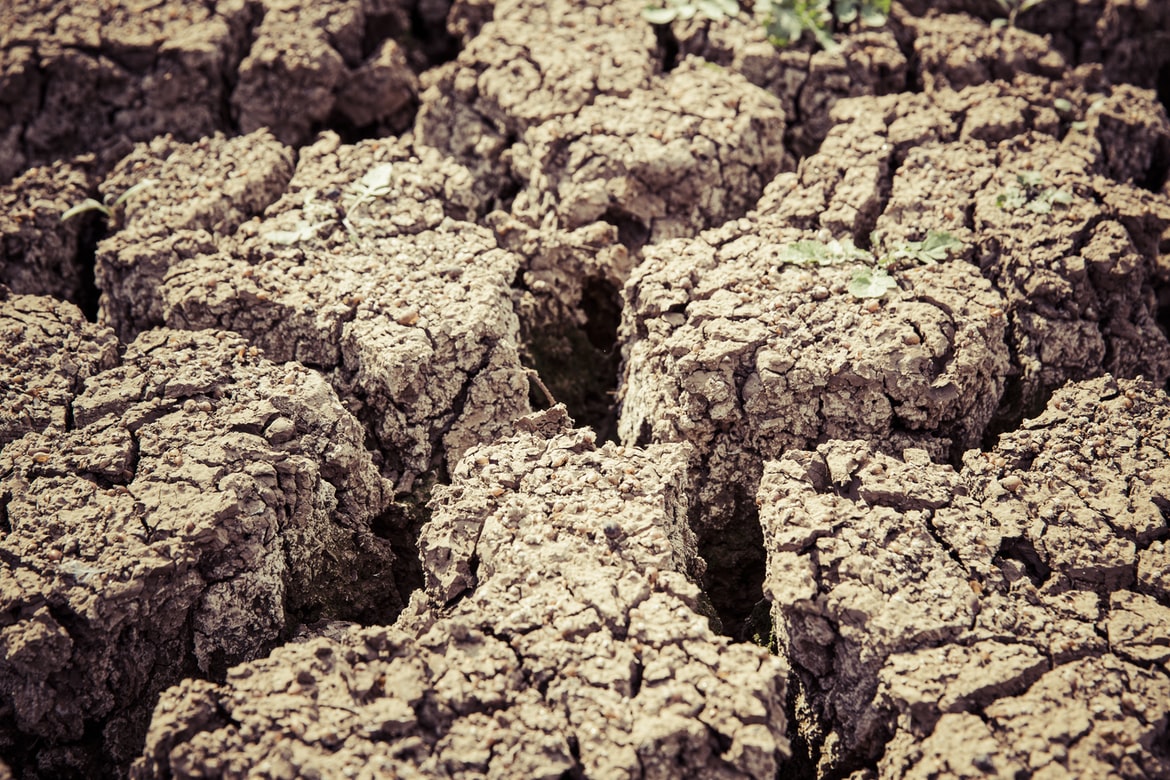
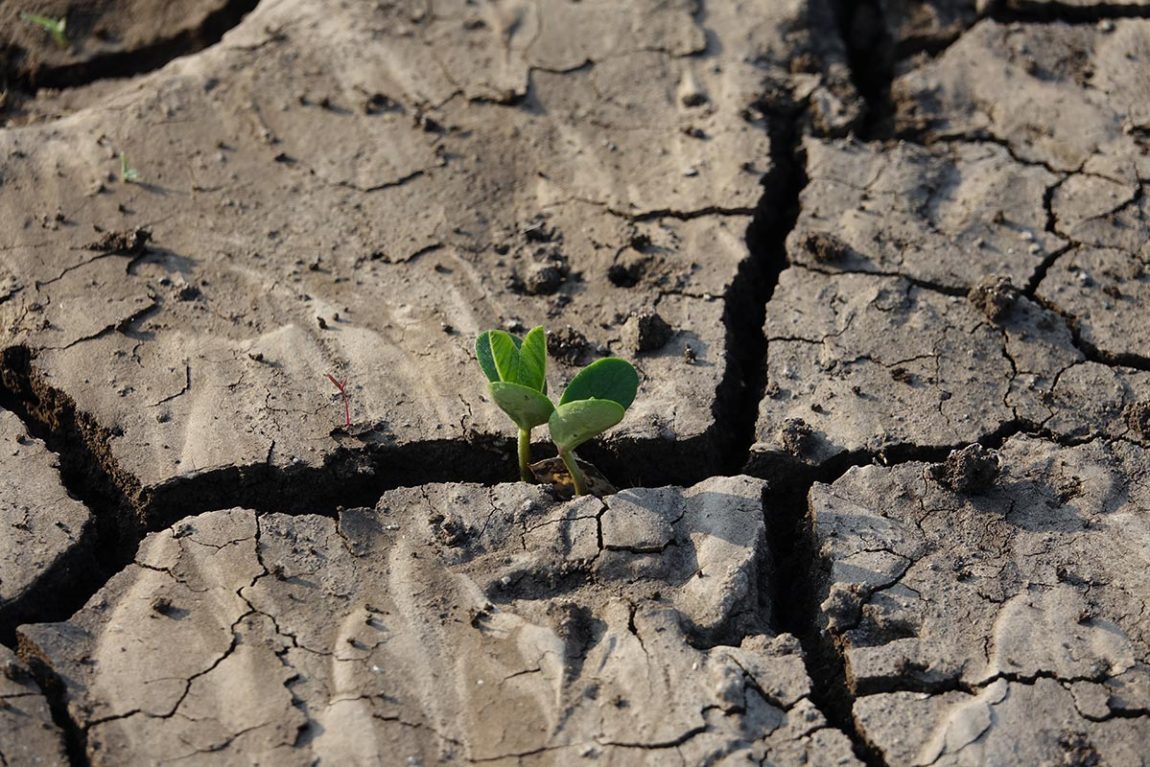
Subsidence is the most immediate and well-documented risk. Clay-rich soils, common across much of southern and eastern England, expand when wet and contract when dry, meaning prolonged droughts accelerate ground movement beneath buildings.
According to the Association of British Insurers (ABI), subsidence claims totalled £153 million in the first half of this year, supporting almost 9,000 households at an average payout of £17,263. The ABI's separate first-quarter 2026 data put the average settled subsidence claim at £17,820, the highest figure on record and up 9% year on year from £16,295, following 2025 payouts that reached a record £307 million.
What makes the current drought significant for insurers is its position in a sequence rather than as an isolated event. Steven Coxon, head of subsidence at Claims Consortium Group, has noted that the market has seen three surge years since 2018, in 2018, 2022 and 2025, and that ground damaged by last year's severe weather had not recovered before this year's renewed dry spell began. That repetition is starting to influence underwriting appetite directly.
Coxon has warned insurers may adjust how they approach properties in known subsidence-risk areas as such events recur, a shift likely to affect both availability and pricing at renewal, particularly for older housing stock and heritage properties, where Prestige Underwriting's Alison Williams has flagged specific vulnerability given repair inflation and restoration complexity.
Crop and agricultural exposure
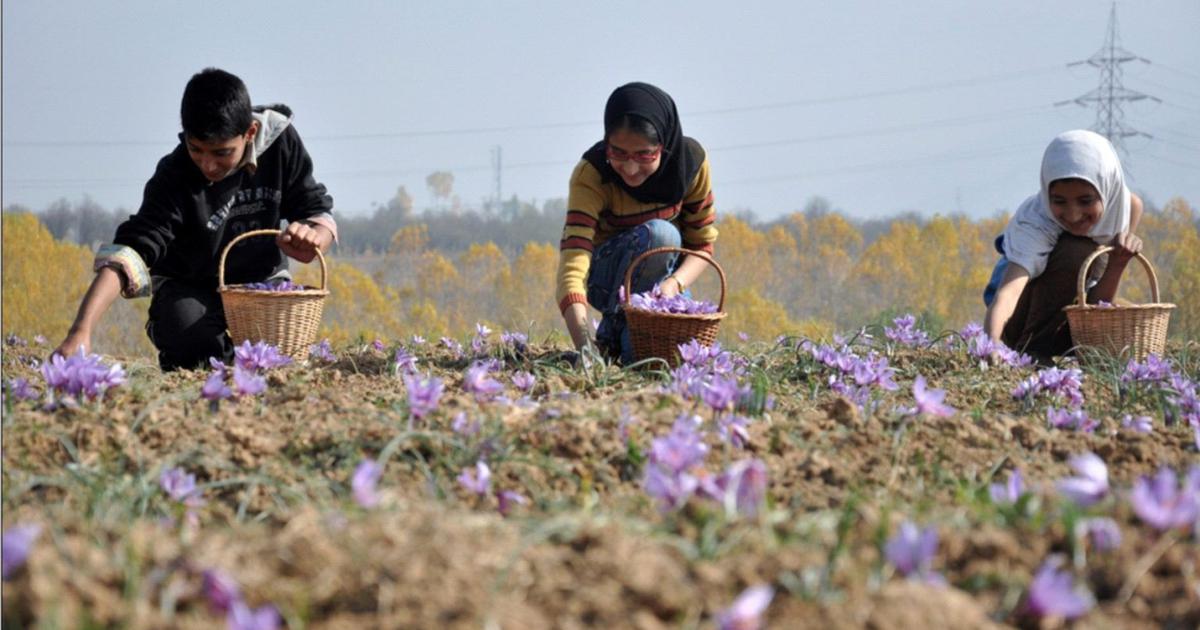
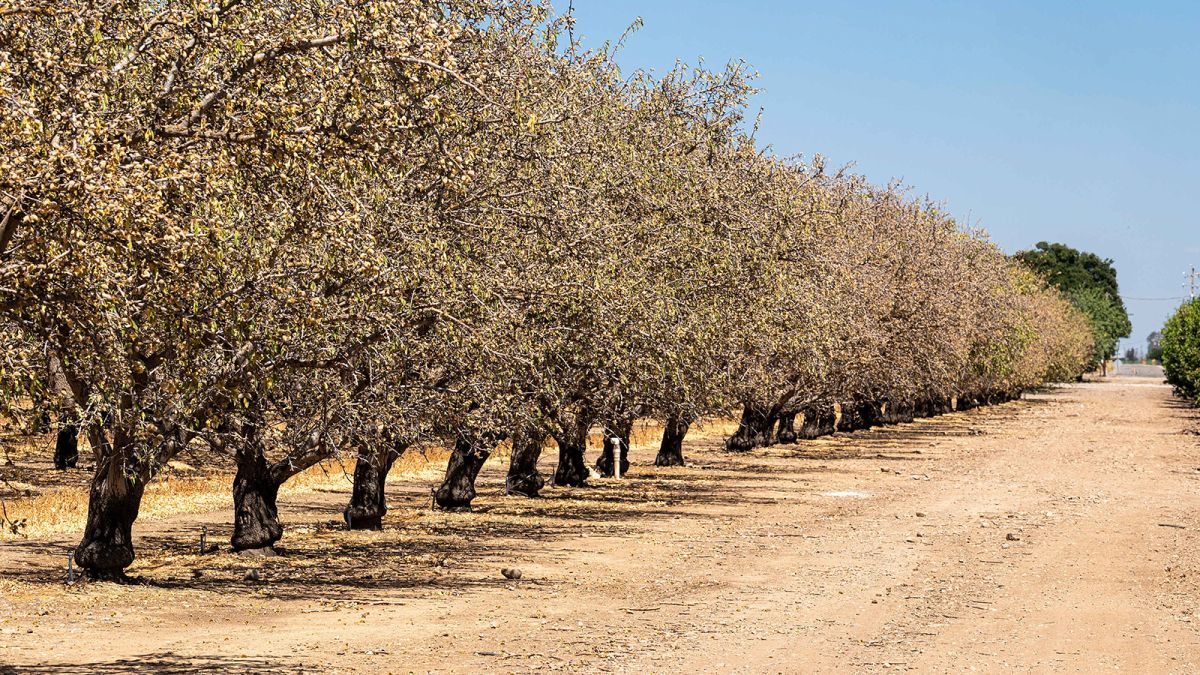
For agricultural insurers, drought brings a different set of pressures. Reduced grass growth affects livestock feed availability, lower yields are already being reported for crops such as onions and potatoes, and cereal harvests are being brought forward earlier than usual. Falling farm storage reservoirs raise the prospect of irrigation shortfalls persisting into the autumn, adding to pressure on already tight margins.
Traditional farm insurance policies, such as those offered by NFU Mutual, cover perils including fire, storm and flood, and loss of income from hail damage to arable and horticultural crops, but drought-driven yield loss falls outside standard peril-based cover in many cases, since it is a gradual condition rather than a discrete insured event.
This has pushed some insurers towards parametric solutions. NFU Mutual's Dairy Heat Stress Insurance, developed with Skyline Partners and underwritten by Markel, uses a Temperature Humidity Index to trigger automatic payouts when weather thresholds are exceeded, rather than requiring farmers to evidence specific losses. It illustrates a wider direction of travel in UK agricultural insurance, towards products that respond to measurable weather triggers as heat and drought become routine underwriting considerations rather than tail risks.
Wildfire and water scarcity add further layers
Drought conditions also raise wildfire risk, with the Environment Agency recording 110 wildfires on Sites of Special Scientific Interest so far this year. Ecclesiastical Insurance has flagged the combined subsidence and wildfire exposure building across affected regions, noting some areas have recorded their driest start to a year since 1976, a factor insurers are weighing alongside subsidence when assessing rural and semi-rural property risk this renewal season.
Water scarcity carries its own commercial implications. With temporary use bans covering around 23 million customers and 1,506 abstraction licence restrictions currently in place, businesses reliant on water-intensive processes, including parts of agriculture, food production and horticulture, face potential business interruption exposure should supply restrictions tighten further into the autumn.
A structural shift in underwriting, not a one-off event
The cumulative picture is one insurers are increasingly treating as structural rather than exceptional. Deloitte has identified 2025 as a record year for UK property insurers, with weather-related claims, including flood, storm and subsidence, reaching an estimated £1.6 billion, more than double annual levels seen between 2017 and 2021. Zurich UK's chief claims officer, James Nicholson, has said heat-related losses are becoming an established feature of the UK claims landscape rather than an outlier.
With the Met Office noting that UK heatwaves are becoming more frequent, longer-lasting and more intense, and drought now recorded in three of the past five years, insurers across property, agriculture and commercial lines are likely to keep refining how they price, underwrite and structure cover for a risk that no longer behaves as an occasional shock.
Source - https://www.insurancebusinessmag.com