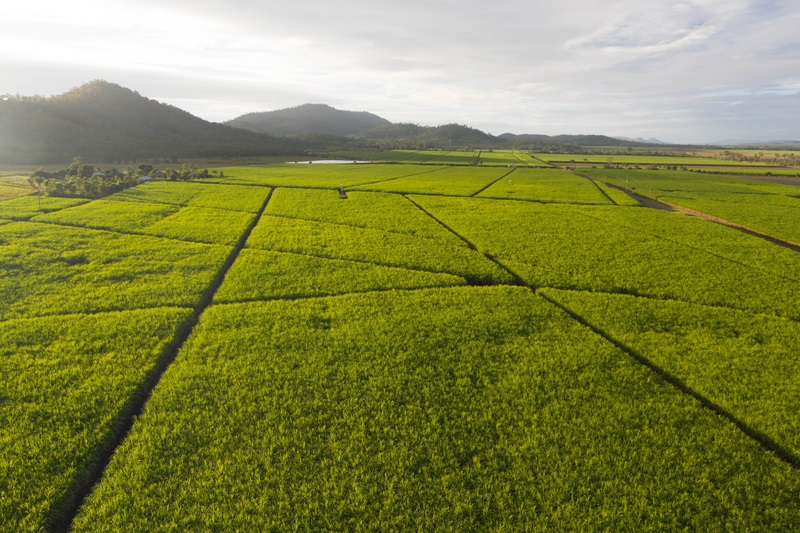
Agricultural experts say the warning signs had been visible for years, with sugar production falling from 35.9 million tonnes in 2021-22 to 32 million tonnes in 2023-24.
Falling sugar production amid sugarcane crop damage, coupled with policy miscalculations, have created what one agricultural economist has called “a perfect storm” driving the sharp rise in sugar prices in India over the past month.
Agricultural experts say the warning signs had been visible for years, with sugar production falling from 35.9 million tonnes in 2021-22 to 32 million tonnes in 2023-24. This, they argue, gave the government ample time to recalibrate its policies before the current crisis.
Sugar prices jumped more than 15 per cent in a month, from ₹48.18 a kilo on July 20 to ₹55.70 on August 20, according to government figures. Agency reports suggested that retail prices of sugar had shot up to ₹70 in some cities.
The Union ministry for consumer affairs, food and public distribution has attributed the rise to “lower-than-expected domestic production, crop damage, tightening global supplies, increased demand ahead of the festive season, and speculation and hoarding by sections of industry”.
On August 21, the ministry said sugar production in the current season was expected to be around 30.6 million tonnes in contrast to the initial estimates of around 34.5 million tonnes. It listed the steps it had taken to curb hoarding and boost domestic supplies.
Agricultural economist Ashok Gulati, however, said the current policy moves had come too late.
“Consumers are paying the price,” Gulati, former director of the International Food Policy Research Institute who was a member of the economic advisory council to then Prime Minister Atal Bihari Vajpayee, told The Telegraph.
“This is the result of miscalculations by the government on the supply side — and waking up too late.”
Gulati said that amid the falling production and depleting stocks, the import duty on sugar was 100 per cent — “too high”, as he put it.
“At every step of the value chain, the government decides the price,” he said. “(For) such a highly controlled commodity, the spike in sugar prices has to be fully owned by the government.”
India’s ethanol-blended petrol programme has featured in the debate over sugar supplies. Gulati argued that the government could have reduced the pressure on domestic sugar supplies by importing ethanol or using more rice for ethanol instead of procuring it from sugarcane.
The Centre has rejected a link between ethanol diversion and the current sugar price rise, saying the share of sugar diverted to ethanol had declined from around 12 per cent in 2022-23 to around 9 per cent in2025-26. Nearly three-fourths of the ethanol produced in India comes from grains, particularly maize, the government said.
A former administrator familiar with the sugar sector said the price rise reflected the cumulative effects of lower-than-expected yields against policies based on higher production estimates. Even the relatively small share of sugarcane diverted for ethanol becomes significant when production falls, the former administrator told this newspaper.
Gulati said the government had had adequate time to act, irrespective of the reasons for the fall in sugar production. “There wereearly signs of the shortfall of cane and sugar production,” he said.
In an independent interview to an online media site, Gulati described the factors leading to the price spike as “a perfect storm”.
Crop scientists say that adverse weather and crop damage from the expanding footprints of sugarcane pests and diseases had been evident through the 2025 season in the major producing states, including Maharashtra, Karnataka, Tamil Nadu and Uttar Pradesh.
Govind Prathap Rao, emeritus scientist at the Indian Agricultural Research Institute in New Delhi, said mass flowering, which can reduce sugar accumulation in cane, had affected around 30 per cent of the crop in some farms, compared with less than 2 per cent normally.
“Mass flowering lowers the proportion of extractable juice and the extractable sugar,” Rao told this newspaper.
In addition to that damage, several states have also had to cope with a pest called “early shoot borer” and fungal infestations called “red rot” and “pokkah boeng”, he said.
The Indian Sugar and Bioenergy Manufacturers Association said on Monday that there was no actual shortage of sugar. It estimated the closing stocks at around 3.5 million tonnes.
The industry body added that “hoarding and advance stocking by some traders” had led large bulk buyers to build inventories of one to two months’ requirements, taking large quantities of sugar out of circulationand creating an artificial sense of scarcity.
It said the recent price rise was driven mainly by speculative stocking and lower production caused by weather-related problems.
The association expects the prices to ease as speculative stocking declines and the new crushing season begins, bringing fresh supplies into the market.
The Centre has imposed a 400-tonne stock limit on sugar dealers until November 30, restricting bulk consumers to stocks equivalent to 15 days of consumption fromSeptember 1.
It has also approved duty-free imports of 1 million tonnes of raw sugar to augment domestic supplies and urged the states to begin crushing the fresh crop from October 15.
This is expected to raise the October sugar production to more than 1 million tonnes from the usual 300,000 to 400,000 tonnes.
Source - https://www.telegraphindia.com