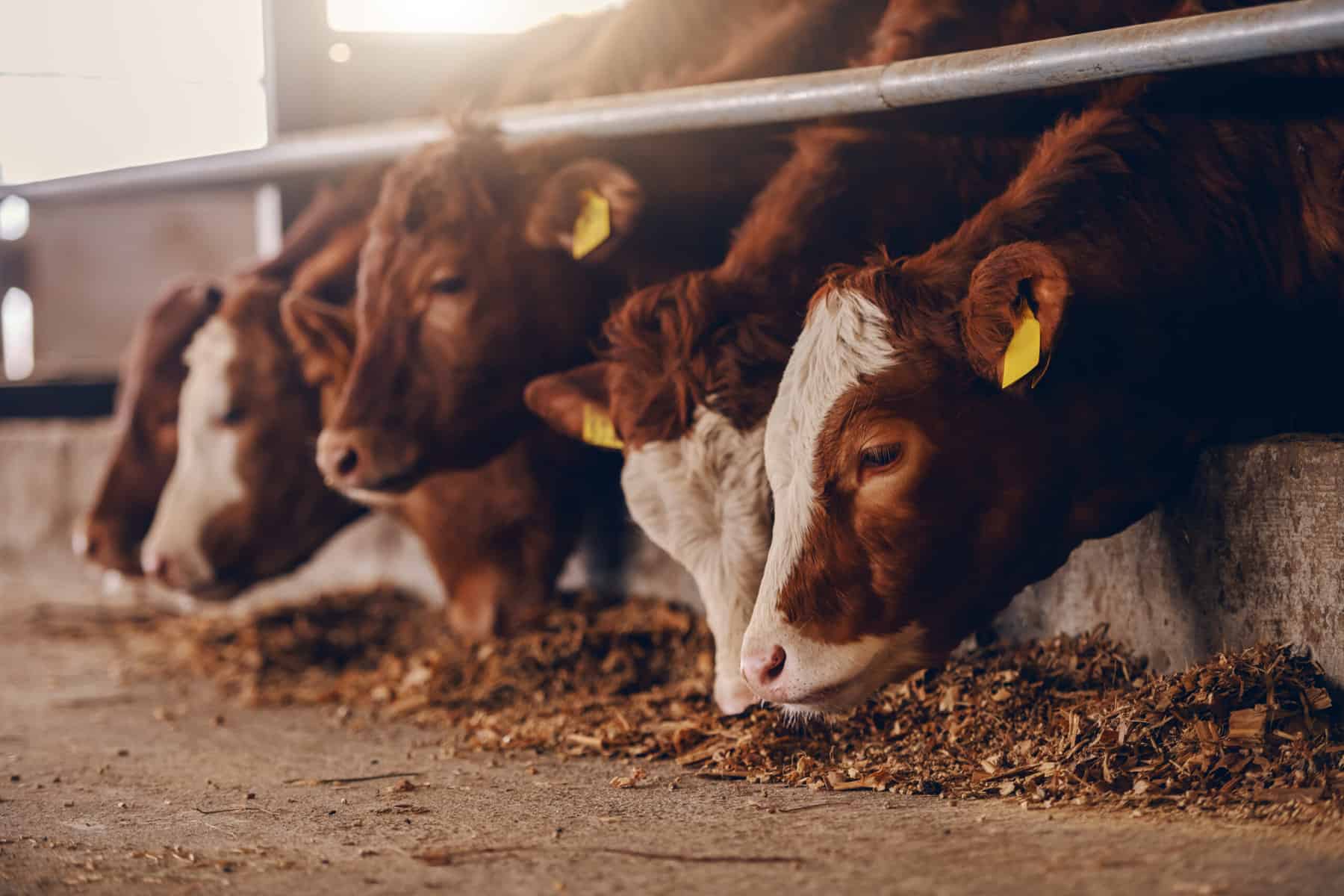
Driven by strict veterinary reforms, Kenya's meat exports hit a record KES 18.8 billion in 2024, securing a massive positive trade balance.
Kenya's meat export sector has achieved a historic milestone, posting total revenues of KES 18.8 billion (USD 145.4 million) in 2024, a staggering leap from the KES 8.4 billion (USD 65 million) recorded just four years prior. This phenomenal growth trajectory, representing a 22.8 percent average annual increase, has catapulted Kenya to the 53rd position among global meat exporters. Industry experts attribute this surge directly to aggressive regulatory reforms in veterinary medicine management, enhanced production capacity, and the strategic expansion of market access across the Middle East and European Union. By strictly enforcing disease control protocols and upgrading abattoir infrastructure to meet international sanitary standards, the national government has transformed the livestock sector into a critical pillar of foreign exchange earnings.
Veterinary Policy Reforms and Market Access
The foundation of this export boom lies in the comprehensive overhaul of Kenya's veterinary frameworks. For decades, Kenyan livestock faced stringent non-tariff barriers globally due to recurrent outbreaks of Foot and Mouth Disease and fragmented traceability systems. The establishment of decentralized, county-level veterinary inspection units, coupled with digital livestock identification systems, has provided international buyers with verifiable assurance of meat safety. The Directorate of Veterinary Services mandates that all export-bound meat undergoes rigorous pathogen testing, significantly reducing border rejections. This institutional rigor has unlocked lucrative markets in the United Arab Emirates, Saudi Arabia, and the United Kingdom, where premium buyers demand flawless traceability from farm to fork.
Domestic Production and Beef Dominance
The export figures are underpinned by a robust domestic production base. Total meat output in Kenya reached 613,600 tonnes in 2024, representing an overall valuation of KES 397.5 billion. This marks a 10.2 percent increase in physical volume and a 30.5 percent rise in commercial value compared to the previous year. Beef remains the undisputed cornerstone of the industry, commanding the highest volume among all meat categories with an annual production of 260,000 tonnes valued at KES 159.7 billion. Mutton, goat meat, and poultry constitute the remainder, showing steady but less explosive growth.
- 2024 Export Revenue: KES 18.8 billion (USD 145.4 million), up from KES 8.4 billion in 2020.
- Total Domestic Production: 613,600 tonnes, valued at KES 397.5 billion.
- Beef Production: 260,000 tonnes, generating KES 159.7 billion in value.
- Trade Balance: A massive positive surplus of KES 16.9 billion (USD 131 million), with imports sitting at just KES 1.86 billion.
Global Meat Trade Dynamics and Competition
Kenya's rise in the global rankings occurs amid significant shifts in international meat supply chains. Traditional giants like Australia and the United States are grappling with severe climate-induced herd liquidations and shifting regulatory environments. In Australia, the phased prohibition of live sheep exports has forced the industry to pivot heavily toward boxed meat, creating intense competition in the Middle Eastern markets. Kenya leverages its geographical proximity to the Gulf Cooperation Council nations to offer faster shipping times and competitive pricing compared to trans-Pacific suppliers. Furthermore, by maintaining a modest import bill of just KES 1.86 billion (USD 14.4 million), Kenya secures a vital positive trade balance that supports the Central Bank of Kenya's foreign exchange reserves.
Future Growth and Infrastructure Challenges
Despite the celebratory figures, the sector faces structural vulnerabilities that could stymie future expansion. The majority of Kenya's beef is still sourced from pastoralist communities in arid and semi-arid lands, where climate change heavily dictates herd mortality rates. To insulate the supply chain from drought shocks, agricultural economists argue for the rapid scaling of commercial feedlots and the expansion of the livestock insurance subsidy program. Furthermore, cold chain logistics between rural slaughterhouses and the Port of Mombasa remain fragmented, causing post-slaughter degradation that affects export grading.
A Blueprint for Agricultural Industrialization
The transformation of the meat industry serves as a viable blueprint for other agricultural sub-sectors seeking international footprint. By prioritizing scientific standards over political patronage in the management of the Kenya Meat Commission and private abattoirs, the country has proven it can compete on quality metrics. If the trajectory holds, the Ministry of Agriculture projects that meat exports could breach the KES 30 billion mark by 2028, firmly establishing Kenya as the premier protein supplier of East Africa. The ultimate challenge remains integrating grassroots pastoralists directly into this lucrative export pipeline, ensuring that the billions generated translate into tangible rural wealth.
Source - https://streamlinefeed.co.ke