Drought in July and August 2026 cut yields by more than half in parts of Serbia, but only 15 percent of farmland is insured. A corn policy costs about 4,500 dinars per hectare.
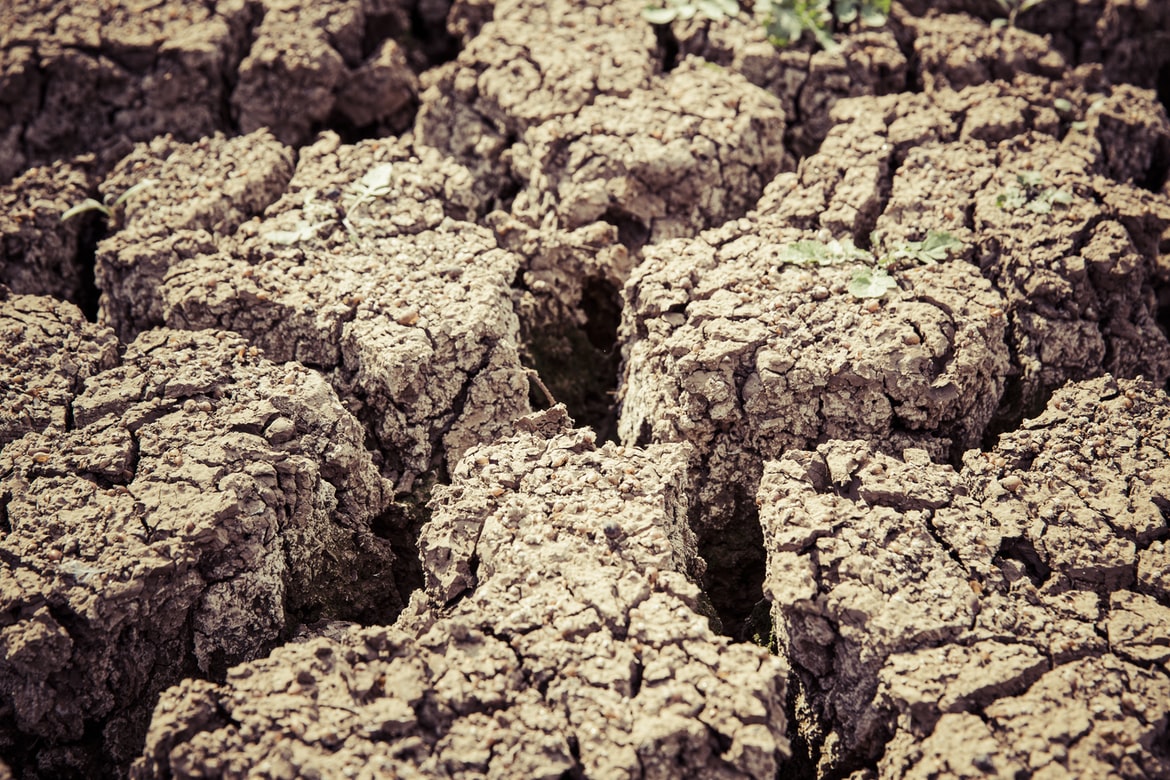
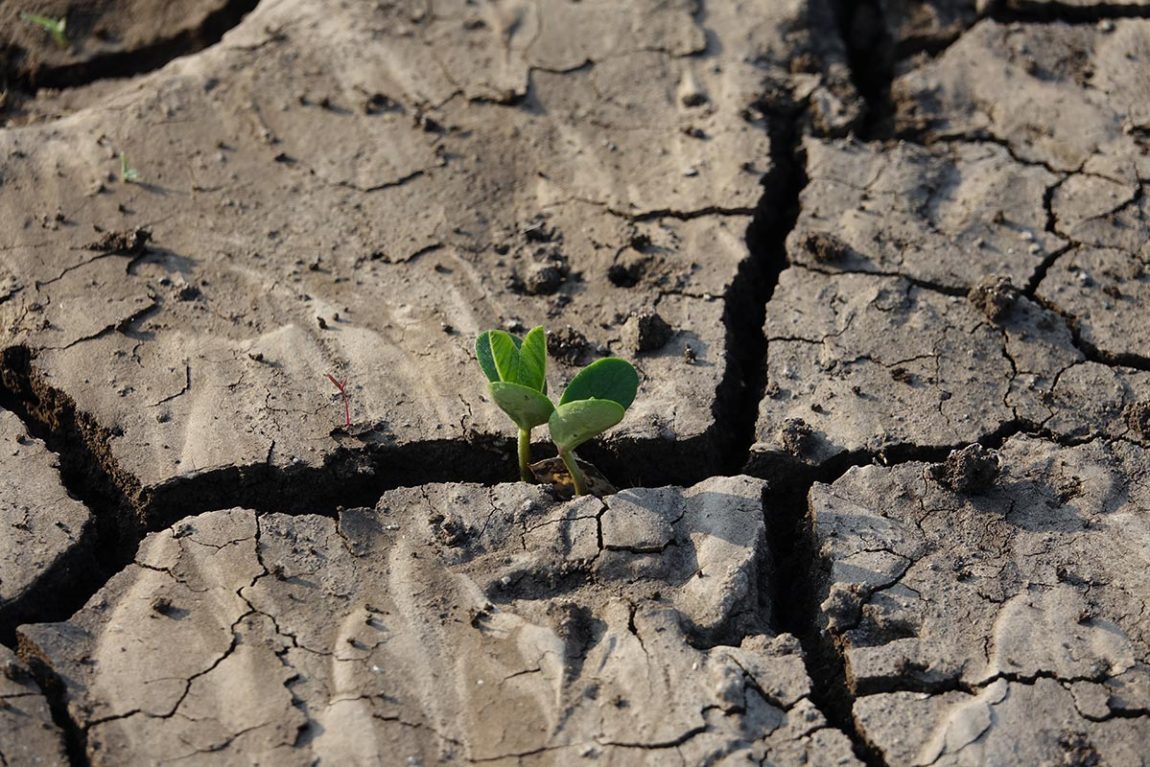
Fifteen percent of Serbia’s farmland is insured against natural disasters, according to figures from the Insurance Association of Serbia, up from around ten percent before the pandemic. Drought during July and August 2026 cut yields by more than 50 percent in some parts of the country, and that gap between the damage and the coverage shows how many farmers were left with no protection at all when they needed it most.
How Much Farmland Is Actually Insured?
Sources disagree on the current coverage. The Insurance Association of Serbia puts today’s insured area at 15 percent. An analysis by the Ecological Center “Staniste,” based on reports from the National Bank of Serbia (NBS), estimates that only around 10 percent of farmland and just five percent of livestock are insured. Part of the gap comes from timing: the NBS data cited in the analysis runs through 2024, while the Insurance Association is describing the situation in 2026. According to those same reports, the number of crop policies has hovered between 42,000 and 46,000 for years, and livestock policies between 3,200 and 4,400, with no real growth in either.
Distrust of insurers remains the main obstacle on the ground. Dusan Stankov, a farmer from Orlovat, explains why he won’t buy a policy even with a state subsidy attached:
“Insurance companies look for every way to rip you off. I used to insure against hail, but I don’t even know if they insure against drought. When damage happens, they come out to the field and always find some excuse to acknowledge only a certain percentage of the damage. It’s never the way they tell you it will be when you sign the policy. It always somehow turns out that you weren’t insured against the very thing that caused the damage, but against something else. That’s why I want nothing to do with insurance companies, even though I know the state gives subsidies for insurance. I simply don’t trust them.”
Dusko Jovanovic, secretary general of the Insurance Association of Serbia, admits that the rise from 10 to 15 percent satisfies no one. He laid out why:
“The growth is clear, but that can’t satisfy the farmers who live off this work, nor the state, which loses a significant share of GDP and on top of that has to cover the damage. Insurers can’t be satisfied either, since the question of whether insuring agriculture pays off comes up. Legal entities are insured at a significantly higher rate than individual farmers, but those individual farmers own much larger areas of farmland, which is why the overall share comes out to around 15 percent.”
What Does a Policy Cost per Hectare?
The price depends on the crop and the expected yield, with the premium generally running three to five percent of what a farmer earns after harvest. Jovanovic gives specific figures for Vojvodina:
- wheat or corn: about 4,500 dinars per hectare (~38 euros)
- sunflower: about 5,300 dinars per hectare (~45 euros)
- top-quality plums: about 150,000 dinars per hectare (~1,280 euros)
- raspberries, the most expensive and most sensitive crop: about 400,000 dinars per hectare (~3,420 euros)
The basic policy, chosen by nearly 90 percent of producers, covers hail, fire and lightning strikes. The supplemental policy covers storms, floods, spring and fall frost, and drought, and that is the policy insurers offer least often, since drought accounts for more than 70 percent of crop damage in Serbia, according to figures cited by the Ecological Center “Staniste.” Damage payouts are set by agronomists, not by the agents who sell the policies, based on the insured sum, the type and intensity of the disaster, the plant’s growth stage and the market price of the crop.
How Much Does the State Refund?
The subsidy covers part of the premium, but not equally across the country. The Ministry of Agriculture spells out the range:
“Farmers get back 40 to 45 percent of the insurance premium paid, while the incentive is 70 percent for farms in the Moravica, Zlatibor, Podunavlje, Sumadija, Kolubara, Macva and Rasina administrative districts, as well as the city of Belgrade.”
The maximum subsidy per recipient is 2,500,000 dinars a year (~21,400 euros), depending on the type of production.
In 2025, according to the ministry, 20,514 applications were filed for the premium subsidy, 19,979 were paid out, for a total of 1,628,693,832.89 dinars (~13.9 million euros). Nationwide, the subsidies paid out climbed from around 600 million dinars (~5.1 million euros) in 2019 to nearly 1.9 billion dinars (~16.2 million euros) in 2023, according to figures cited in the Ecological Center “Staniste” analysis. Over the same period, total agricultural insurance premiums in Serbia grew from 3.8 billion dinars (~32.5 million euros) in 2019 to 6.3 billion dinars (~53.8 million euros) in 2024, while the state refunds farmers roughly a third of that amount through all subsidies combined.
Experts cited by RTS believe a single subsidy rate, 60 percent for every district for example, would be fairer than the current range of 40 to 70 percent, since farmers in districts without preferential status feel left out.
The Region Insures Far More
A comparison with Serbia’s neighbors shows how shallow its insurance market really is. While only 15 percent of farmland is insured in Serbia, the share is around 50 percent in Hungary, around 60 percent in Croatia, and as high as 80 percent in Slovenia. Meanwhile, according to climate data cited by the Ecological Center “Staniste,” the number of drought years in the 21st century has climbed to five or more per decade, compared with zero to three drought years per decade throughout the entire 20th century.
The public call for subsidizing part of the insurance cost typically opens between October and November of the current year, in line with the public tender calendar. The Ministry of Agriculture says it has been improving support measures to make insurance more accessible, but the numbers so far, 42,000 to 46,000 policies a year against nearly half a million farm holdings in Serbia, show that the shift has so far been small.
Source - https://srpske.rs