

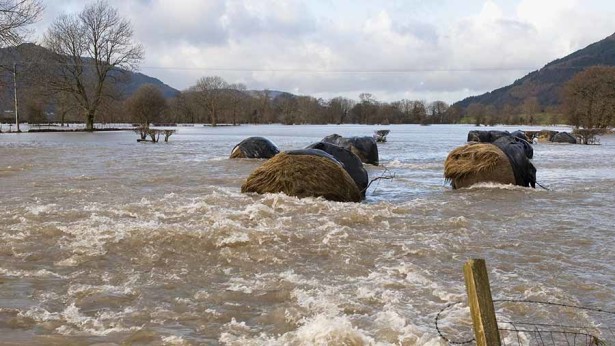
India - Heavy rains damage 37000 hectares of farmland across Telangana
29.10.2019 503 views
Heavy rains and thunderstorms this month took a toll on the livelihood of many farmers across the State. According to the data obtained from the agriculture department, the extreme weather events damaged crops over 37,000 Hectares in the State, affecting as many as 39,000 farmers. The major crops which have been damaged were paddy, maize and cotton. Most of the damage was caused in Peddapalli, Karimnagar, Kamareddy, Suryapet, Jagtial and Jangaon districts.
The State received 65 per cent above normal rainfall this month, with many bouts of heavy rains and thunderstorms, causing losses to farmers. The surplus rainfall at the district level is much higher in some districts. For example, Kamareddy, one of the districts where many farmers have been severely affected due to the erratic weather conditions, received 215 mm rainfall as against the normal of 79.5 mm, which is 171 per cent above the normal value.
It is yet to be seen how many of the 39,000 farmers affected due to the erratic weather will receive compensation from the government. Officials of the agriculture department informed that only those farmers of whom at least one-third crop is damaged due to the rains will get compensation.
The compensation will be provided in three ways mainly. Anyone who is covered under the crop insurance scheme will receive the compensation, according to the insurance policy procedure. For those without crop insurance, the agriculture department officials will collect details and send it to the disaster management department. They will then process the request for compensation by sending it for on-ground verification to district-level officials. Following this, compensation is awarded in cases the officials deem fit.
Another way of compensation is through the chief minister. If many small and marginal farmers in region are affected, their details can be collected by local officials, and the CM can take a decision on providing compensation.
Source - http://www.newindianexpress.com
EVENTS

ScaleAgData Stakeholder Engagement Event
22.10.2024The ScaleAgData project is pleased to invite you to our second stakeholder event. Building on the discussions and connections formed during our first webinar, this event will focus on fostering collaboration among stakeholders, providing updates on our project’s progress, and outlining future opportunities for engagement.
RISK EVENTS

Moldova - May frosts caused heavy damage to fruit orchards
10.05.2026The first frosty nights of May have significantly worsened estimates of damage to Moldova's fruit sector from spring frosts. According to initial assessments by fruit market operators, between a quarter and a third of the country's total orchard area was seriously affected.
09.11.2026
USA - Modernizing crop insurance to strengthen agricultural resilience
American agriculture stands at a turning point. Increasingly severe weather and water risks are driving billions in losses — more than $20 billion in 2024 alone — increasing farmers’ financial exposure and an urgent need for more adaptive insurance solutions.
09.11.2026

Afghanistan - Greenhouse expansion raises concerns over soil, environmental damage
While greenhouses help boost agricultural production and meet market demand, experts warn that the excessive or unbalanced use of chemical fertilisers, water shortages and improper disposal of agricultural plastics can damage soil fertility and the environment.
09.11.2026
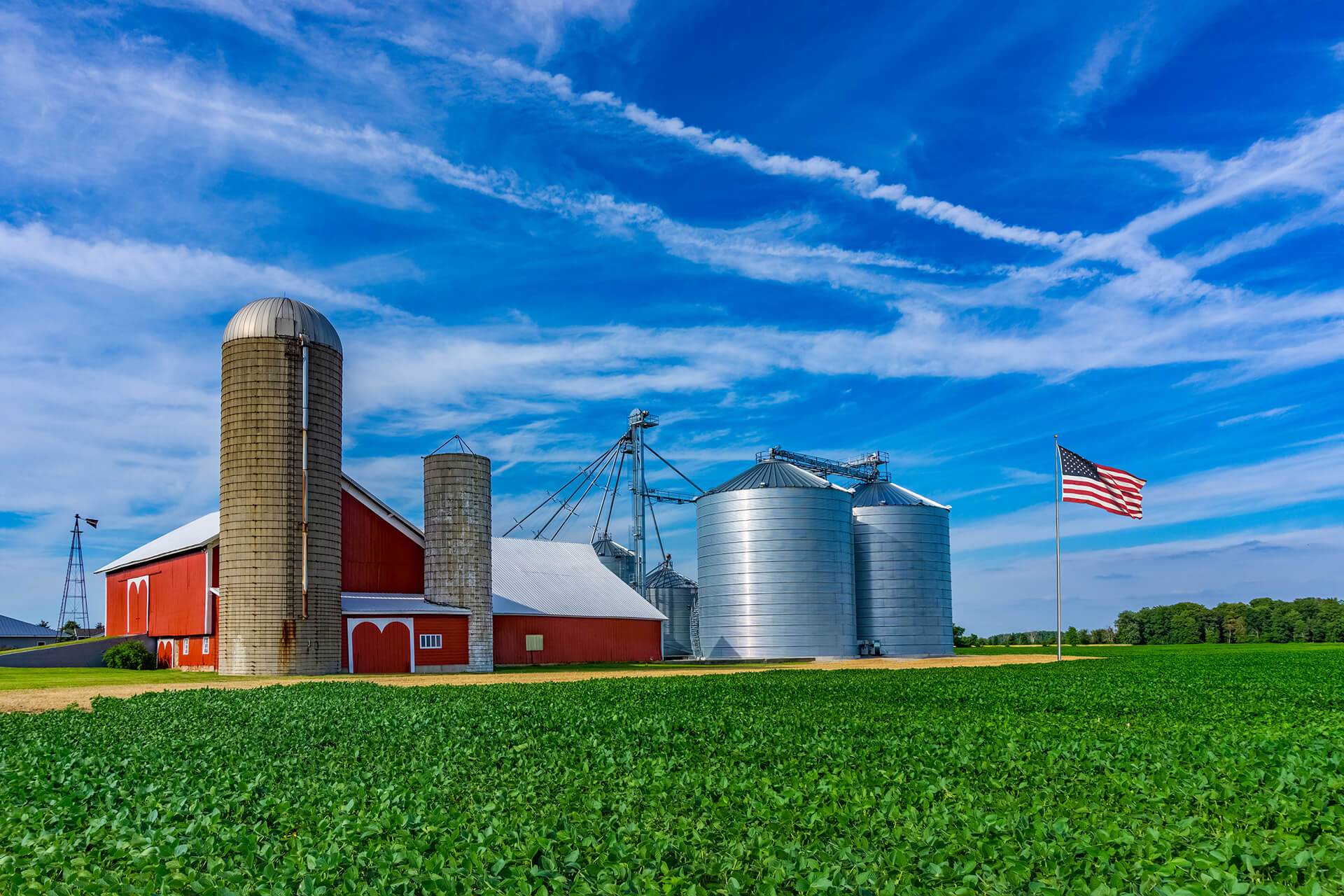
USA - Illinois Launches Cover Crop Insurance Savings Program for 2027
The Illinois Department of Agriculture (IDOA) is offering its insurance discount program for cover crops for the eighth year.
09.11.2026
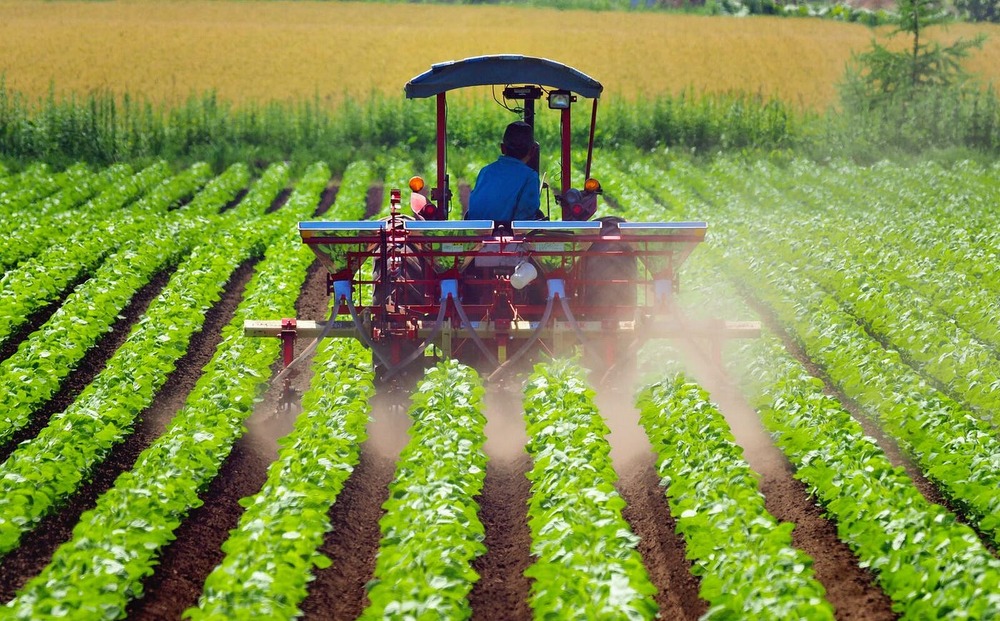
Brazil - Interest rates and credit top agribusiness concerns
Participants call for fiscal adjustment, agricultural insurance, and policies aimed at the sector.
09.11.2026
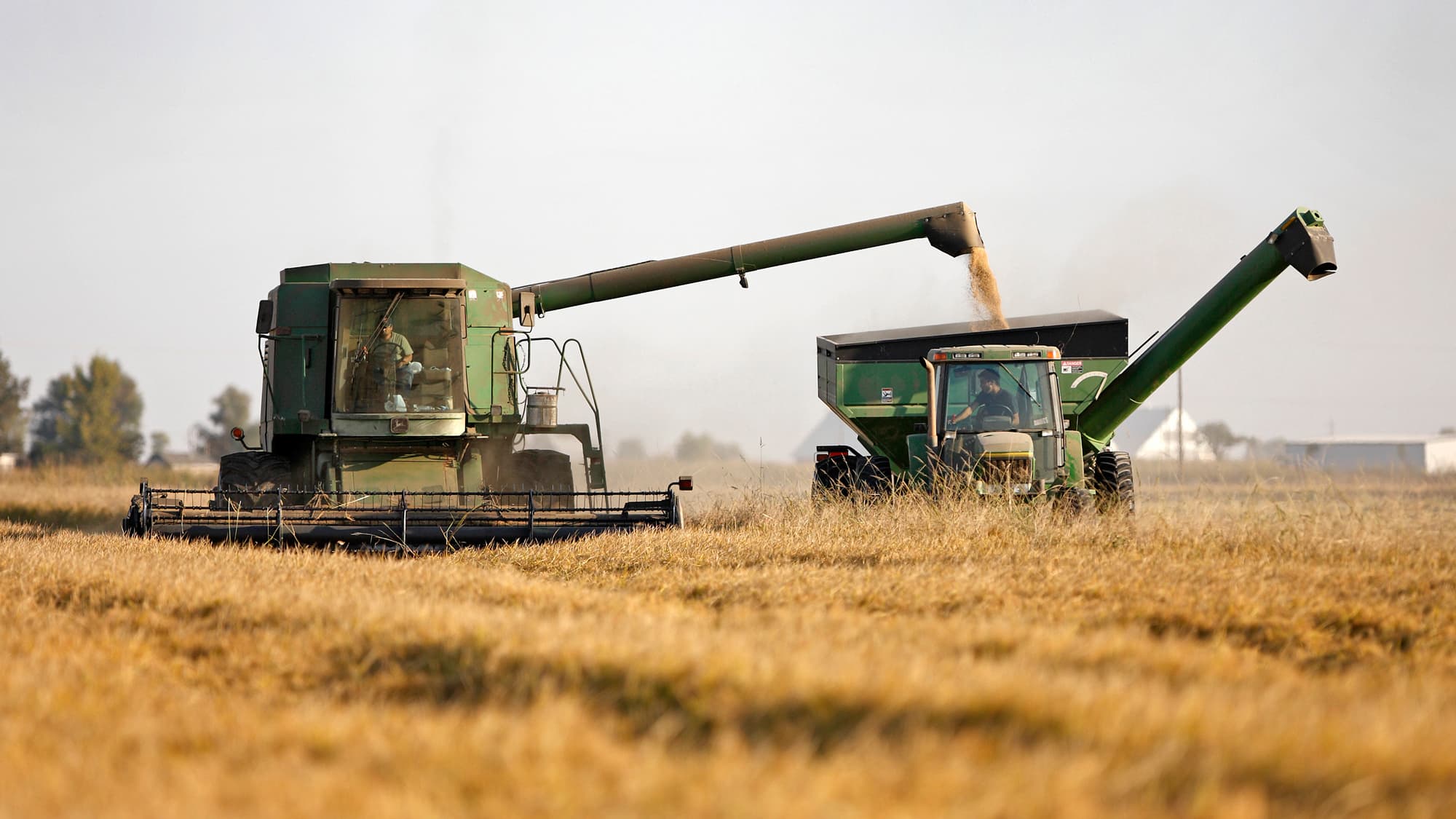
USA - Revenue Protection crop insurance with harvest option see higher price guarantees in 2026
Prices remain below estimated break-even levels, underscoring the importance of crop insurance as farmers manage elevated production costs and tight margins heading into 2027.
09.11.2026
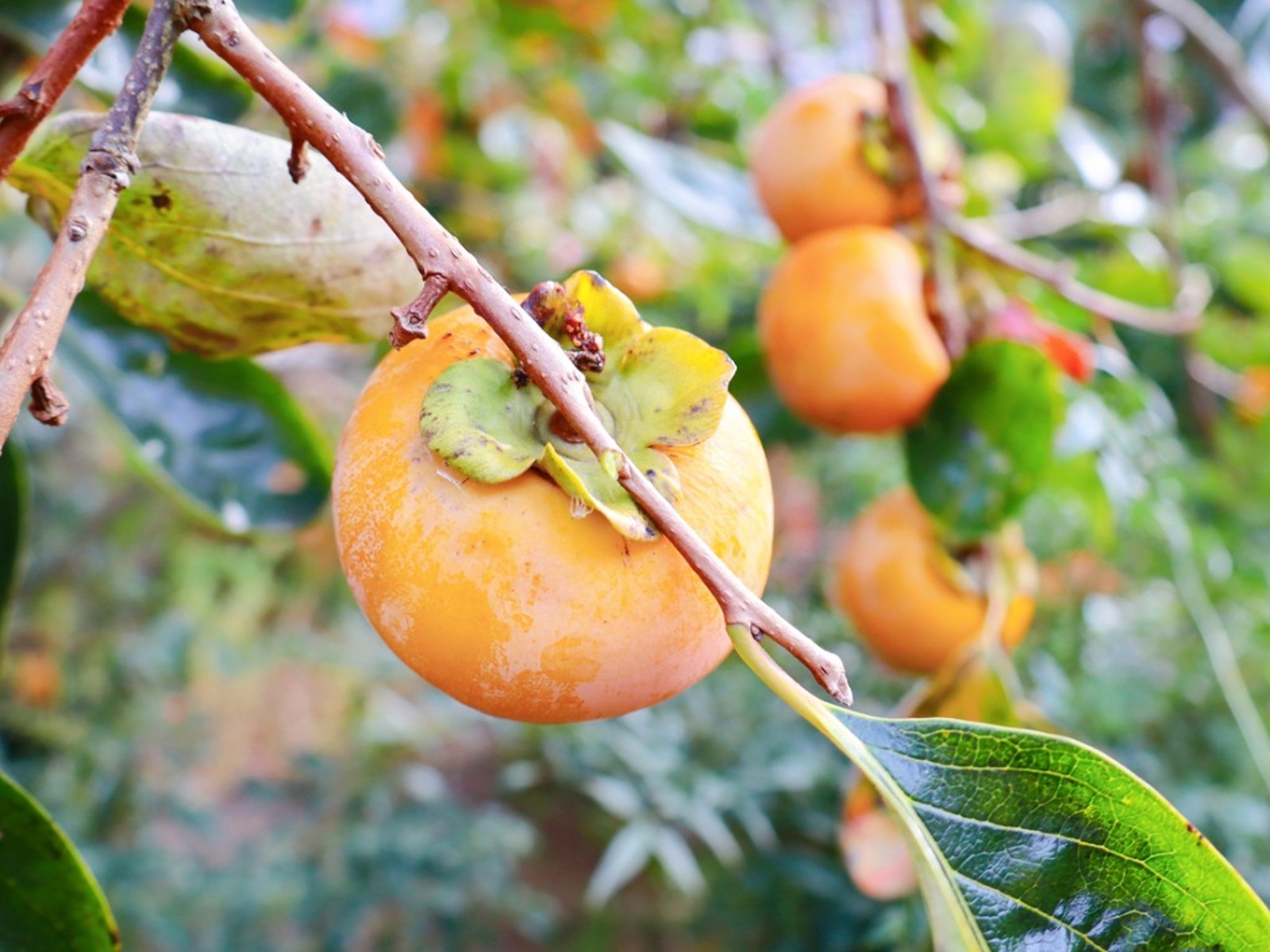
Spanish kaki supply could be compromised by CO₂ gas shortages
In the coming days, the supply of Spanish kakis could be compromised due to a shortage of CO₂ gas, a key component in the deastringency process that makes the fruit marketable.
08.11.2026
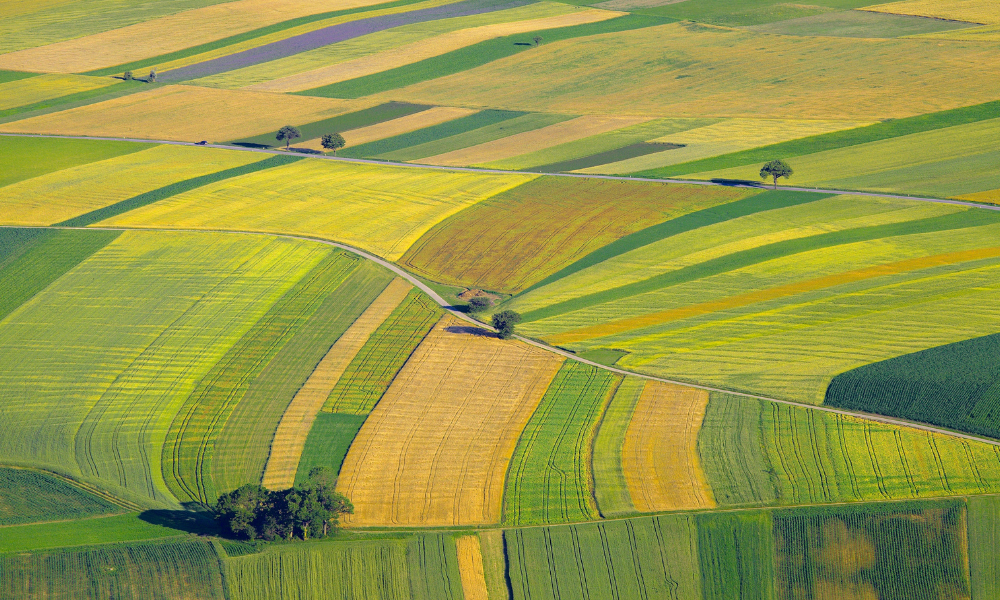
Tanzania Secures $997,000 AfDB Grant to Expand Climate Insurance for Farmers
The project, titled “Bridging the Agricultural Risk Protection Gap to Scale Climate Smart Insurance,” is expected to benefit 300,000 farmers across 15 regions of Tanzania.
08.11.2026
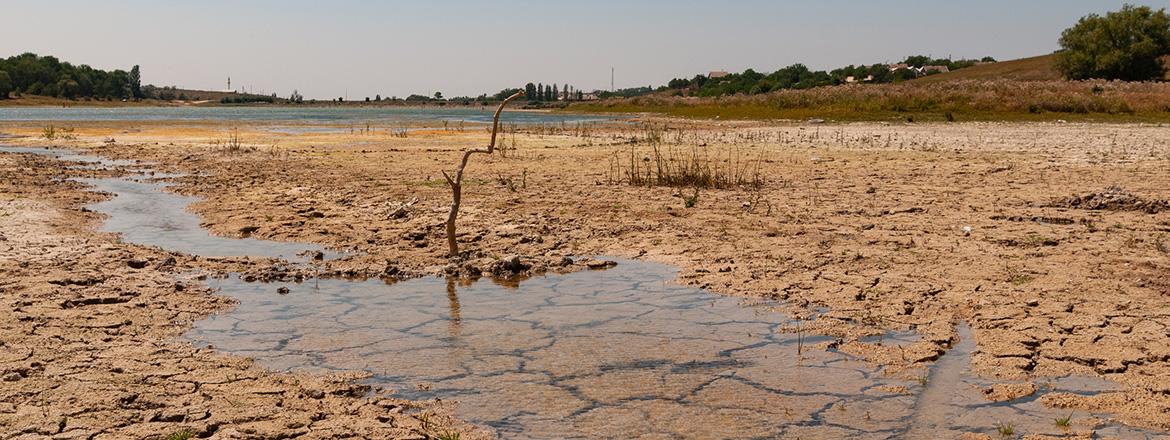
India - Pune’s Crop Insurance Test Begins as Drought Cuts Kharif Yields
Pune’s crop insurance system is now facing a significant test after crop-cutting experiments recorded a 20-22% decline in soybean productivity and a 15% fall in maize production during a drought-affected kharif season.
