India - Kerala farmers lose crops worth Rs 261 crore in unprecedented summer showers
The unprecedented summer showers and strong winds that lashed Kerala over the last few days have caused extensive damage to crops across the State.



The unprecedented summer showers and strong winds that lashed Kerala over the last few days have caused extensive damage to crops across the State.
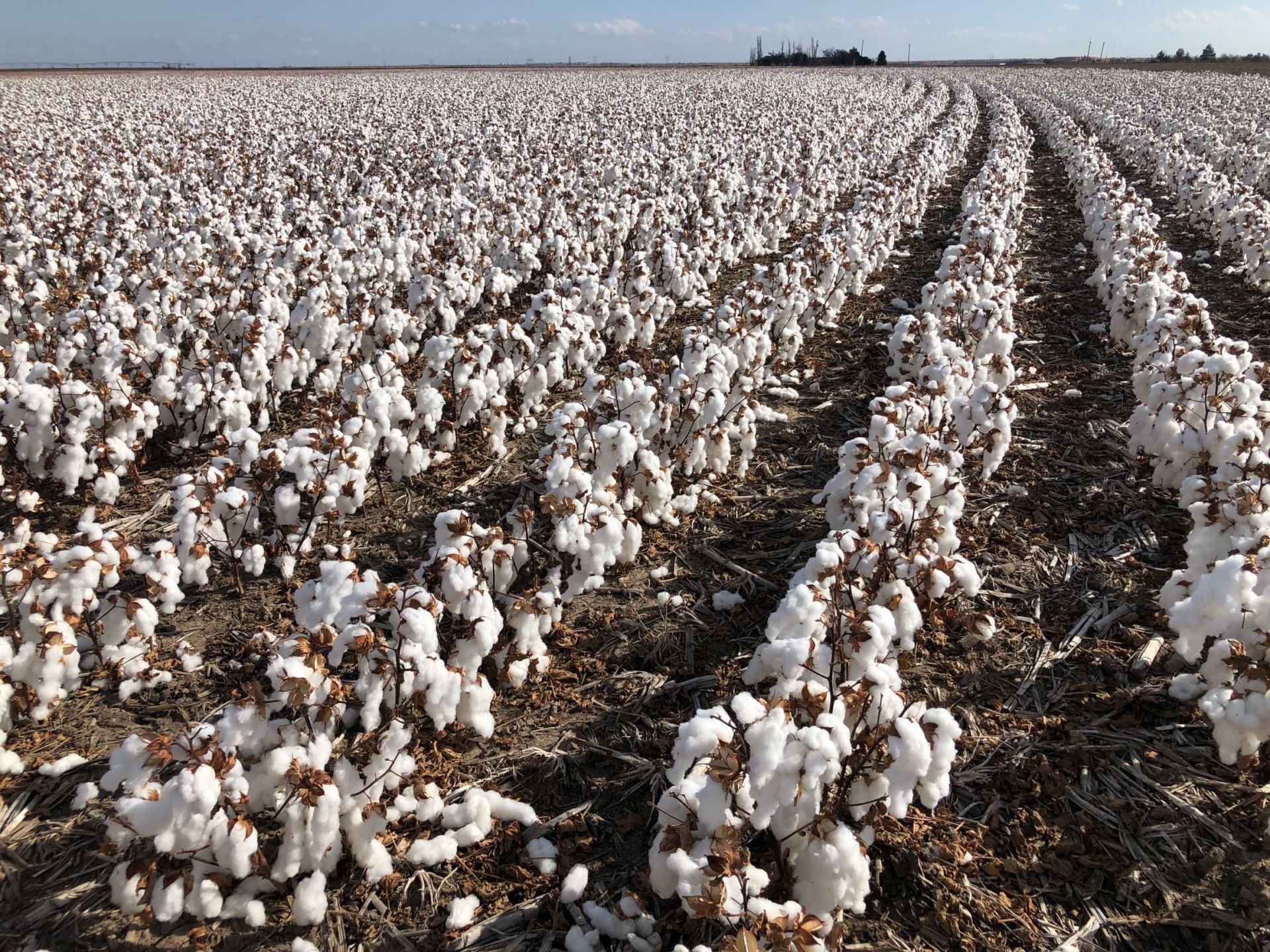
The district administration committee formed to look into the compensation demand of the agitating farmers in Kheri Jalab tehsil has suggested that the cotton crop in the region has suffered damage while moong and guar produce too was hit in terms of quality.
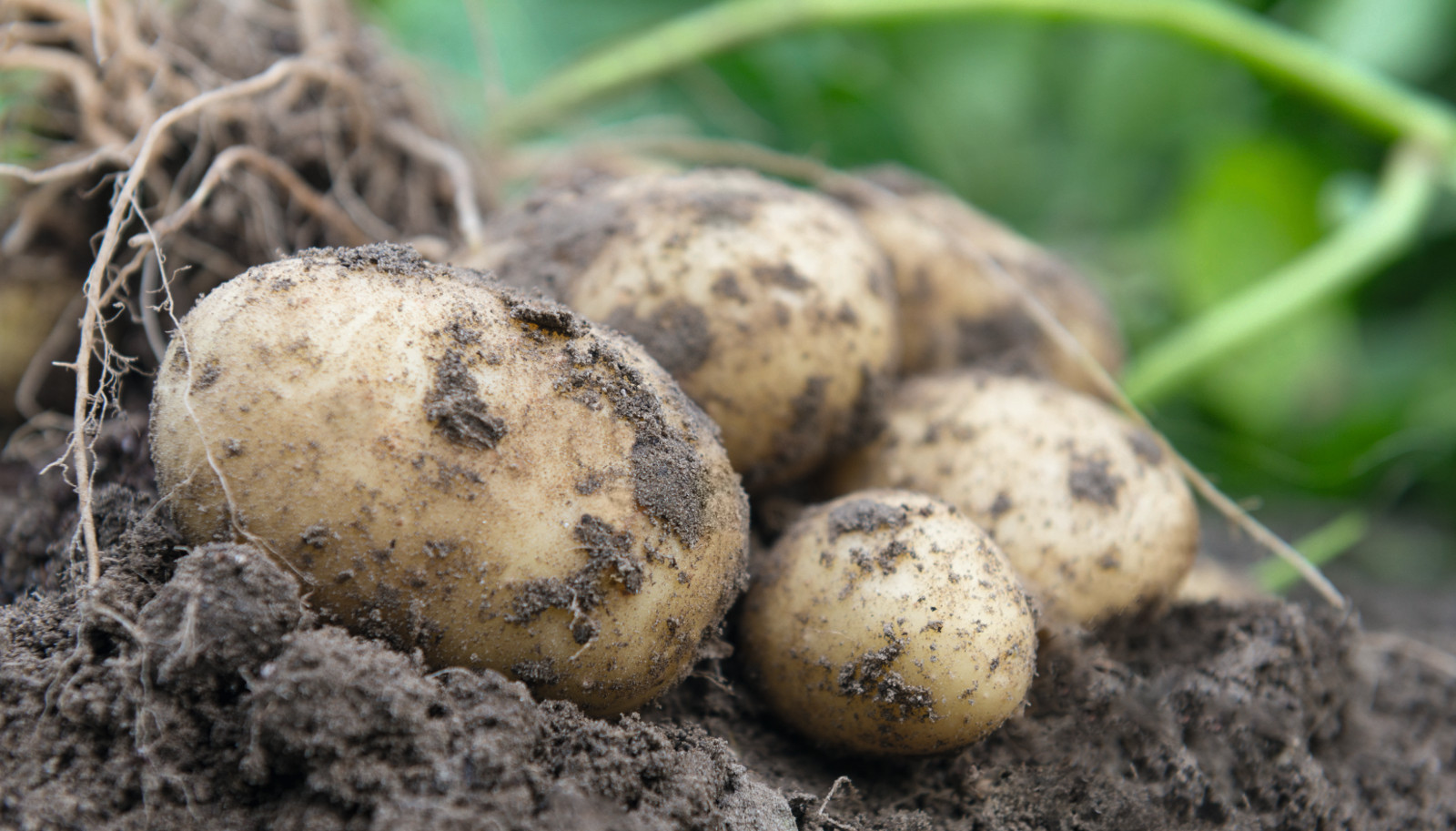
However, there will be a considerable reduction in production due to the accumulation of water in the fields and the failure to treat the pests, given the impossibility of entering the crops due to the accumulation of mud.

The recent untimely rain has affected the groundnut crop cultivated in Kota hobli of Brahmavar in Udupi. Owing to the rain, the groundnut has started rotting in the field.
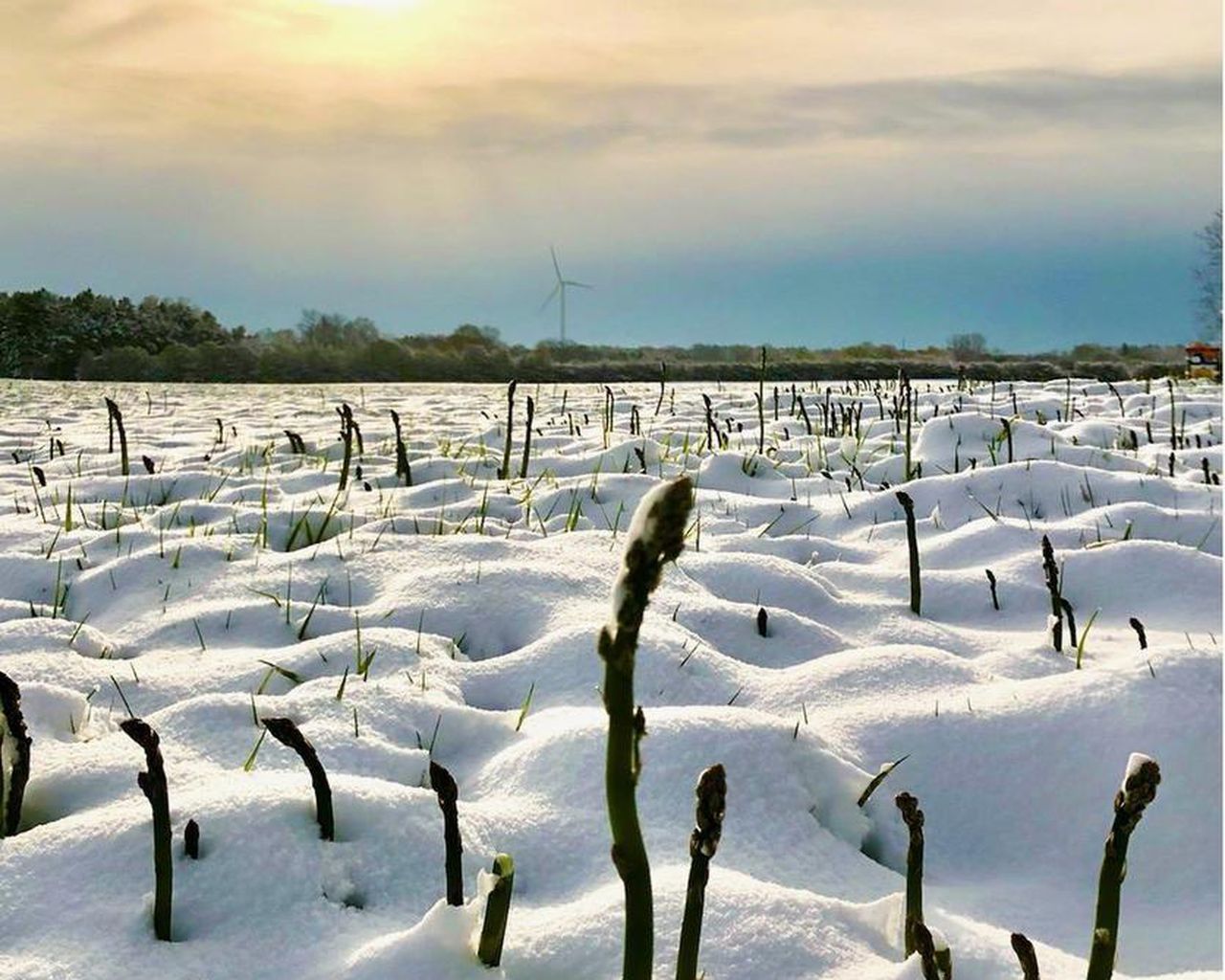
The frost of the last days could have wiped out the production of asparagus in the province of Guadalajara, as it coincided with the moment when the tips were already sprouting, as Asaja confirmed after a first evaluation.
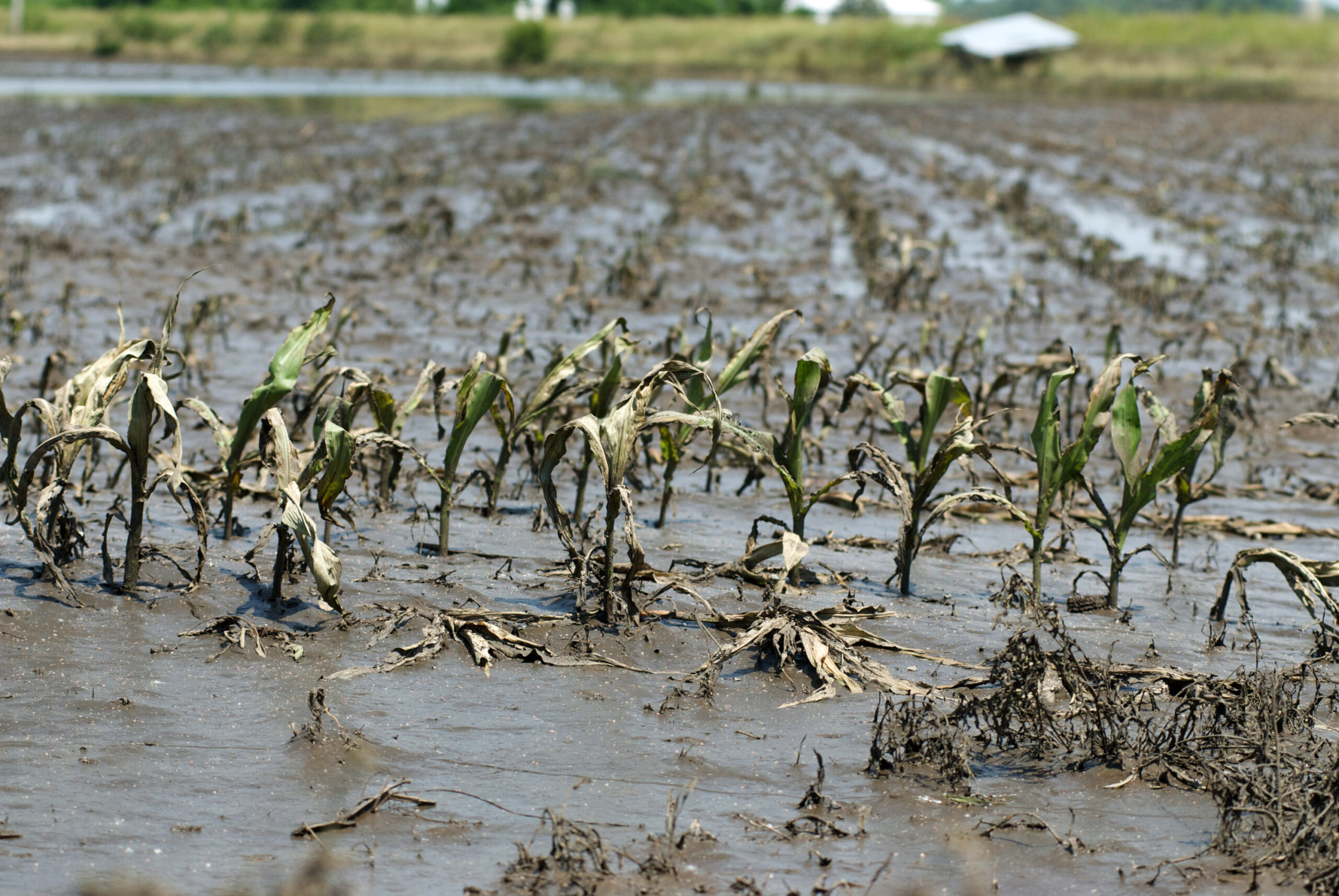
Floods in early April destroyed paddy on around 6,500 hectares of land in the region, according to the government. Now the Flood Forecasting and Warning Centre says fresh rains in the north and northeast are likely to trigger more floods by the end of the week.
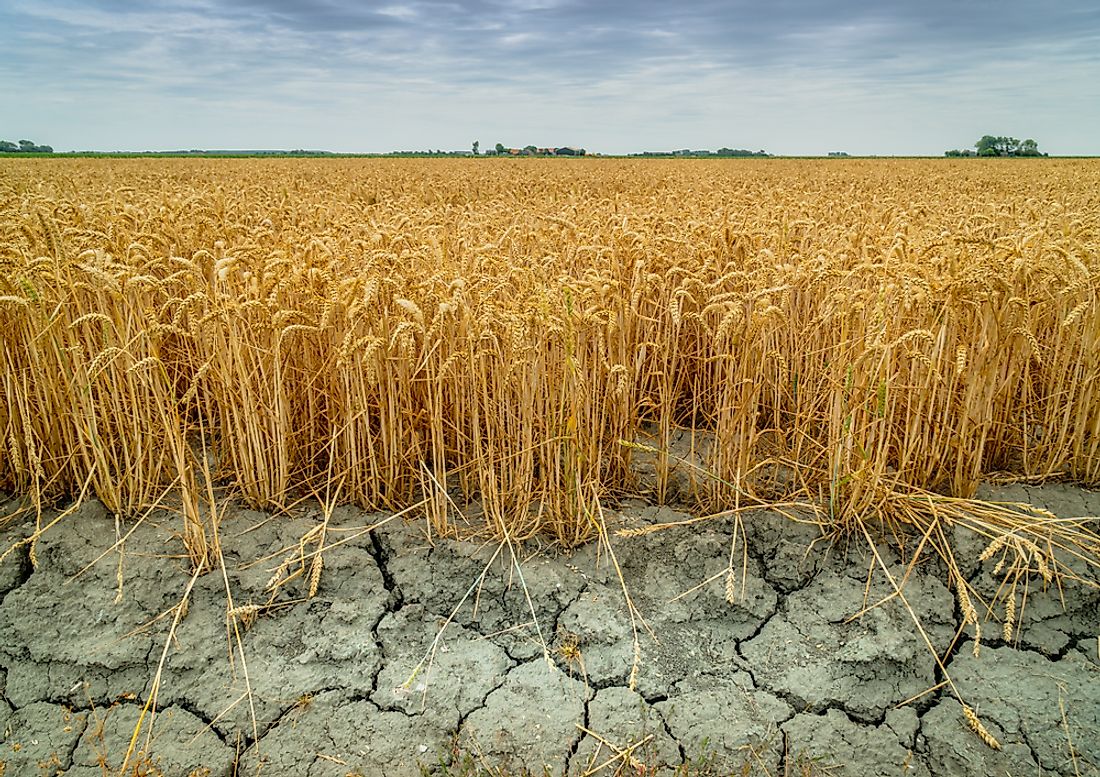
Dry conditions across South Texas have area farmers and ranchers keeping an eye out for rain, but as the drought continues, they are hoping it comes sooner rather than later.
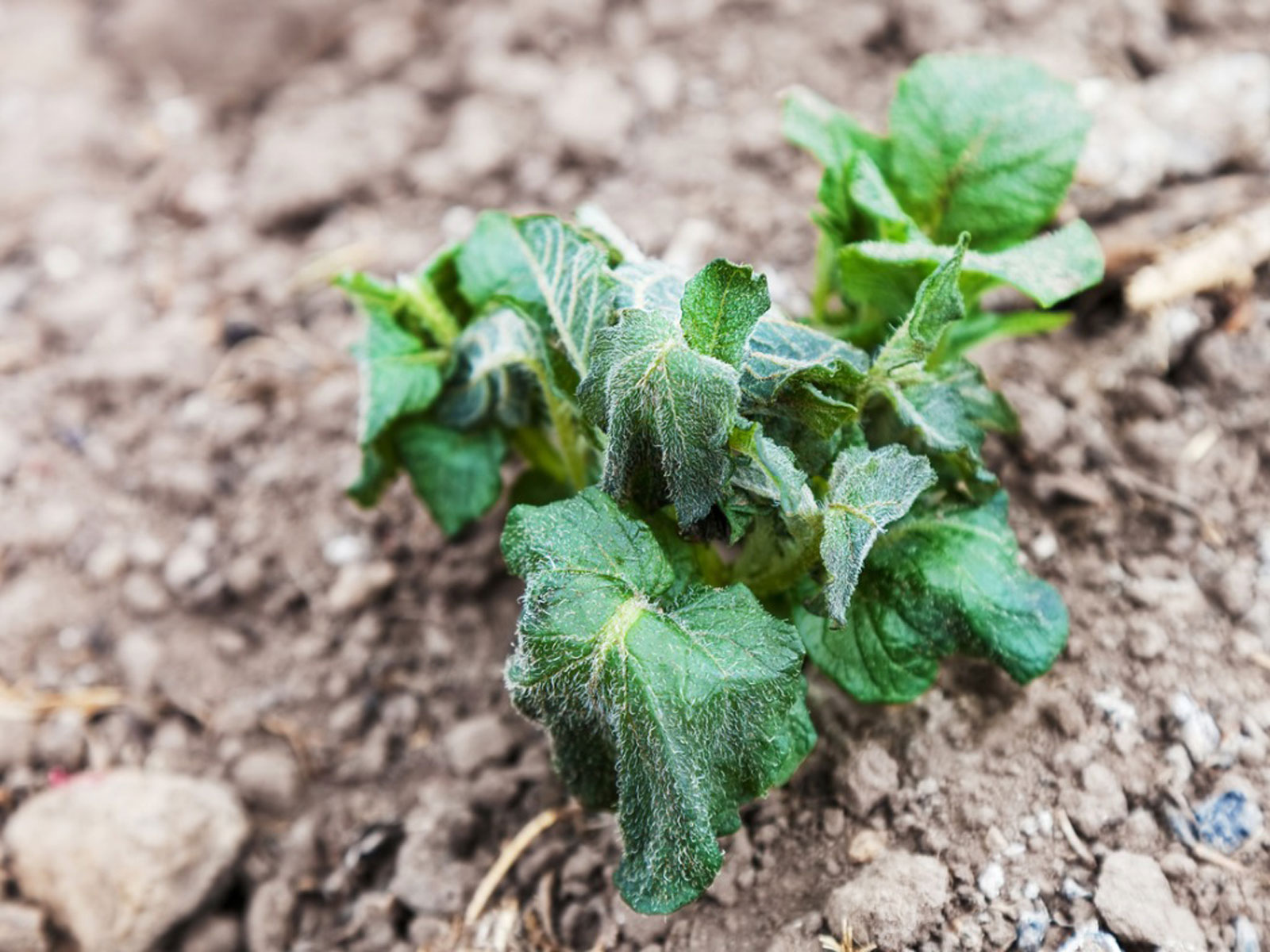
Despite the installations to fight the frost, many producers were not able to protect their crops. It is still too early to fully assess the damage, but some professionals can already see some considerable damage on their farms.
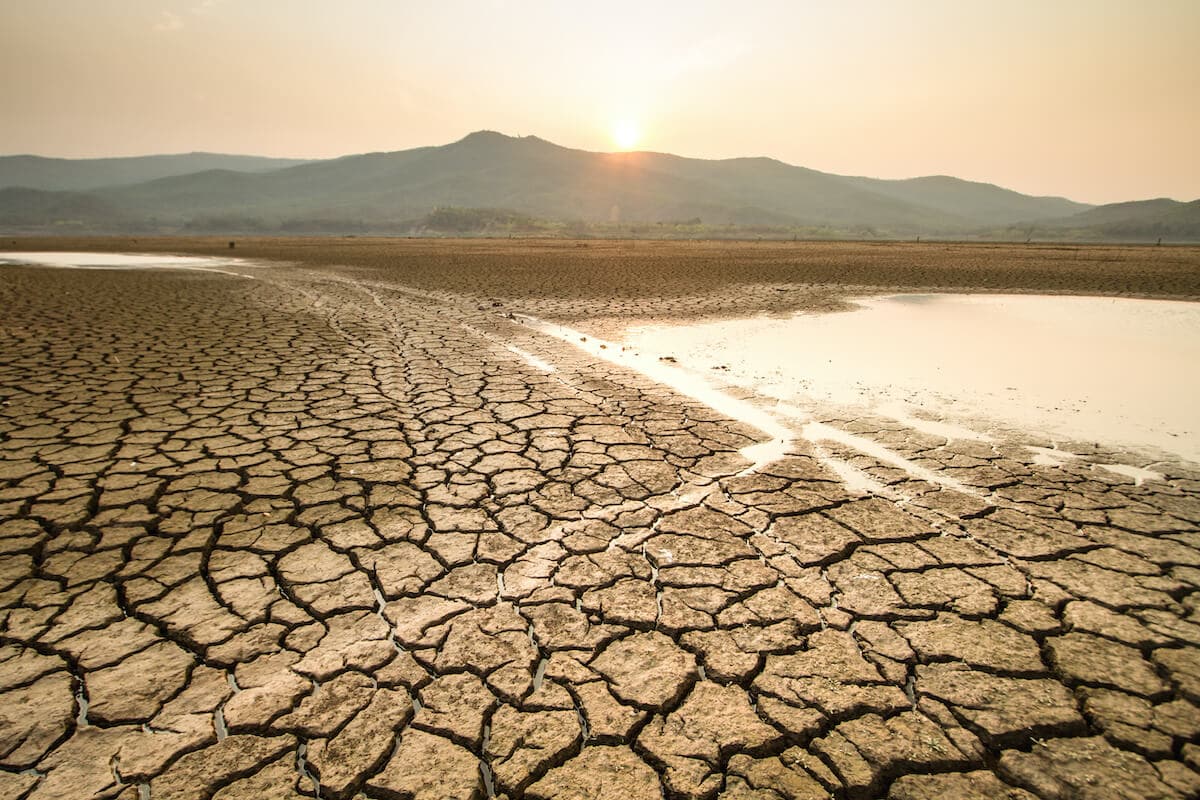
The European Commission’s “Drought in northern Italy - March 2022” report offers an assessment of the evolution and impact of the 4-month long drought in the region, based on data from the JRC Global Drought Observatory (GDO) of the Copernicus Emergency Management Service (CEMS).
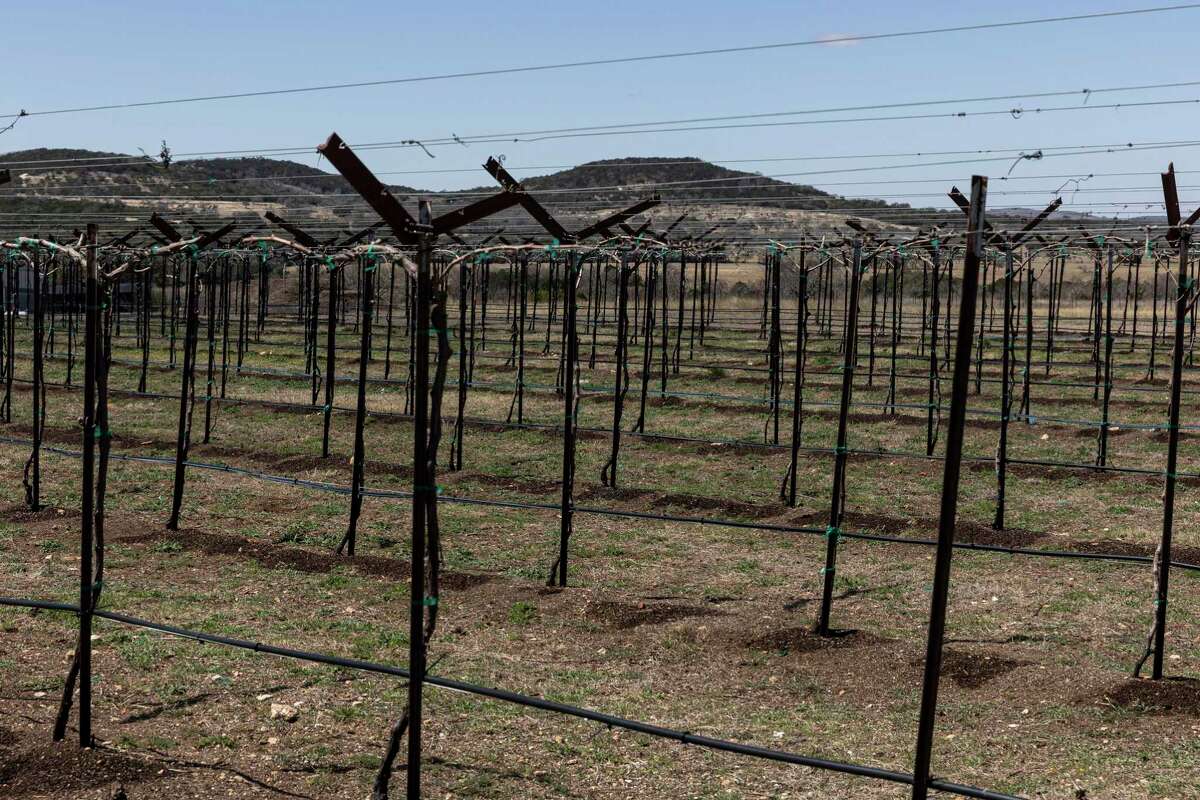
The Panhandle’s High Plains are an arid, inhospitable swath of land where temperatures often rise over 100 degrees and wind blows a good 5 miles an hour faster than the national average.
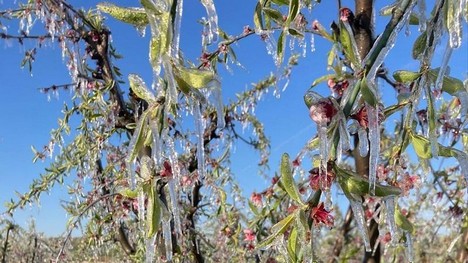
The cold snap that swept Spain last weekend caused severe frosts in Aragon and Lleida, which are important producing areas of mid-season and late stone fruit, as well as pears, among other crops.

Overnight Sunday and early Monday, French wine and fruit growers have been unpleasantly surprised by the coldest April day since 1947. This is the second straight year they have suffered freak spring weather.
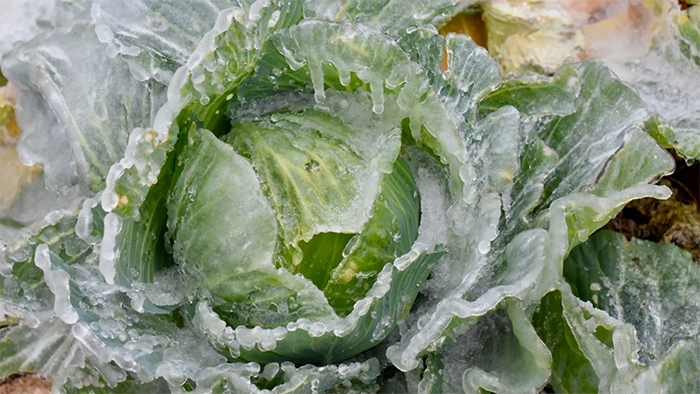
The frost is back in the French orchards. Candles, spraying, fires…For the second year in a row, producers must work twice as hard to try to save their future harvests.

If the growing frequency of erratic weather conditions, unavailability of fertiliser and paucity of workforce were not enough, farmers in the country report being faced with the challenge of saving their hard-grown produce from wild animals.
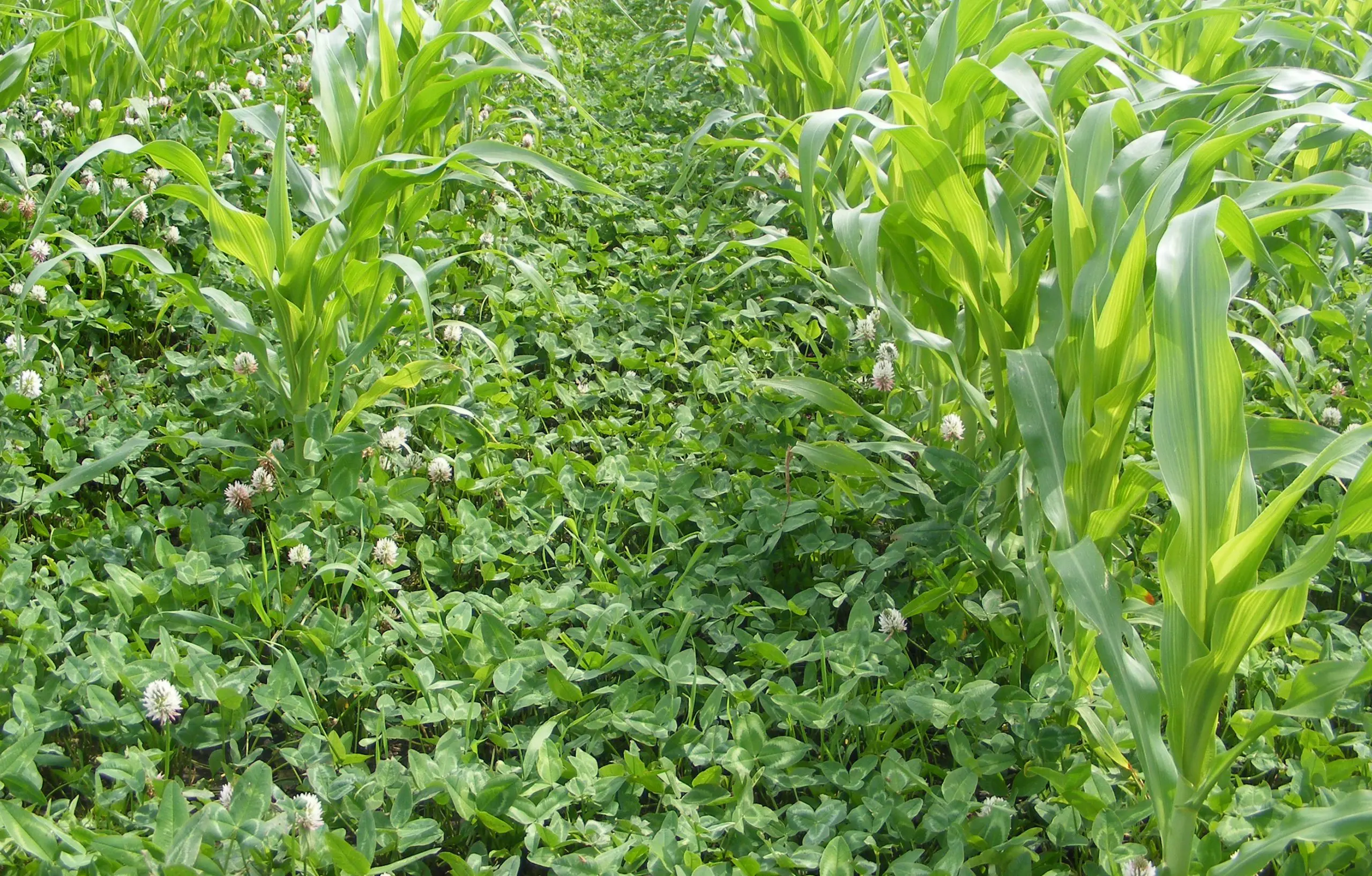
Promoting early season plant cover, primarily through the use of cover crops, can be more effective at reducing pest density and crop damage than insecticide applications, according to a Penn State-led team of researchers.
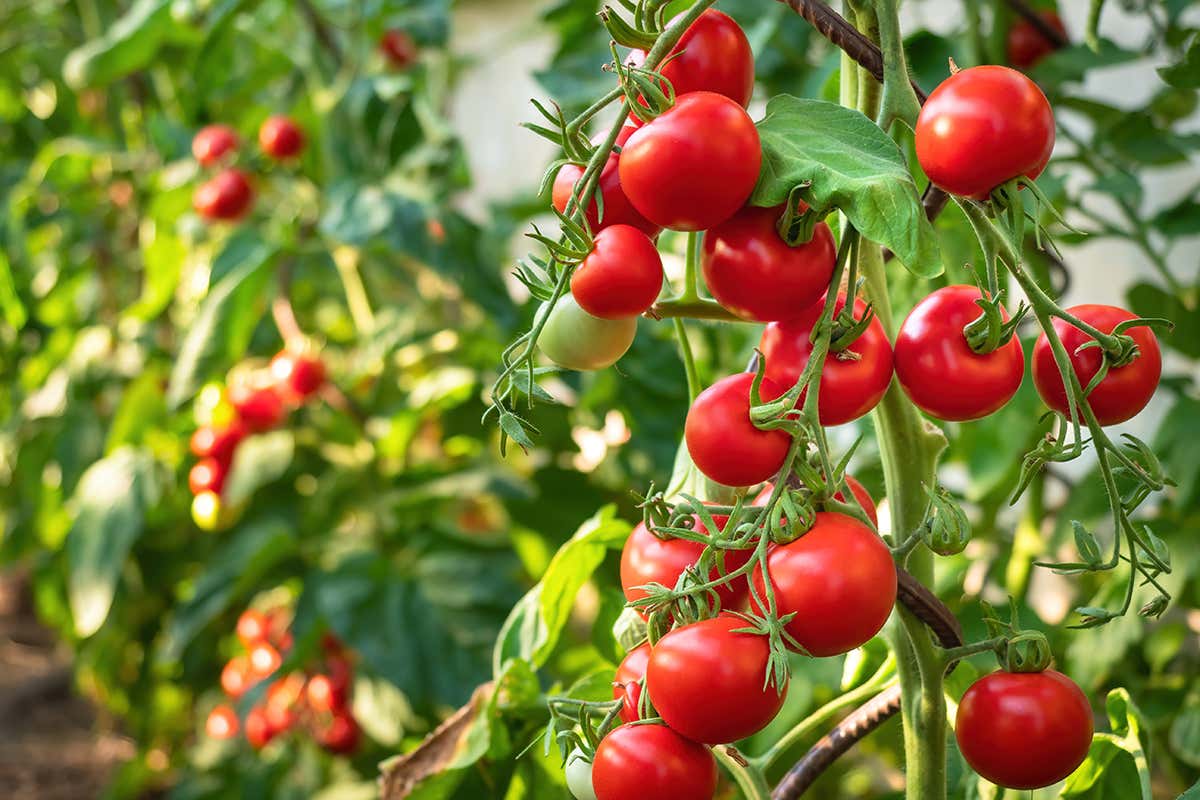
Winds, droughts, and heavy storms are affecting key agricultural regions around the world, causing many farms to fall short of their required product demand. But how exactly is climate change affecting some of our most loved produce and what does this mean for the future of the crops?