18.05.2026

USA - USDA Rolls Out Livestock Insurance Program Enhancements as Producer Premiums Top $1.7 Billion

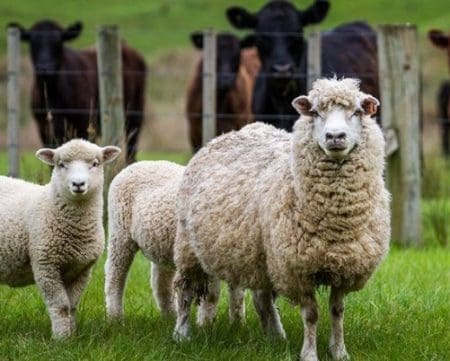
The USDA’s Risk Management Agency (RMA) on Monday is announcing a sweeping package of updates to its three flagship livestock insurance products — Livestock Risk Protection (LRP), Livestock Gross Margin (LGM) and Dairy Revenue Protection (DRP) — beginning with the 2027 crop year.

18.05.2026

Bangladesh - Sunamganj farmers face cattle feed crisis after haor crop loss

Farmers and cattle rearers in Sunamganj’s haor region are facing growing uncertainty over livestock feed following heavy rainfall that damaged paddy crops and disrupted straw collection, the main source of cattle fodder.

18.05.2026

Sri Lanka - Govt. to provide compensation for weather-damaged crops through Agrarian Insurance Board

Compensation for crop damage caused by the recent adverse weather conditions will be provided through the Agricultural and Agrarian Insurance Board, the Deputy Minister of Agriculture and Livestock, Namal Karunaratne has stated.

14.05.2026

ASF outbreak deepens uncertainty for Bhutan’s pig farmers

The ministry urged farmers to immediately strengthen farm biosecurity by restricting visitors, preventing contact between domestic and wild pigs, and ensuring that any kitchen waste fed to pigs is boiled and cooked for at least 30 minutes.

14.05.2026

South Africa - Five new farming risks reshape agricultural insurance

This includes combining traditional insurance with alternative instruments and broader risk tools

14.05.2026

India - Hailstorm-hit Growers Say Govt Ignoring Crop Insurance, Loan Waiver Pleas

Growers across Kashmir have demanded immediate government intervention after severe hailstorms and heavy rainfall caused widespread damage to orchards and standing crops in several districts, including Baramulla, Bandipora and parts of south Kashmir.

12.05.2026

India - Storms damage mango, watermelon, and vegetable crops in Jharkhand

High-velocity winds, heavy rainfall, and hailstorms across Jharkhand in recent days have caused damage to seasonal fruit and vegetable crops, including mangoes, watermelons, tomatoes, coriander, okra, and gourds.

12.05.2026

Myanmar - Bago Region CM attended the loan disbursement ceremony

Bago Region Government held the 2026 monsoon season agricultural input loan disbursement ceremony under the 100-Day Plan on the morning of May 12 at Bago City Hall.

18.05.2026

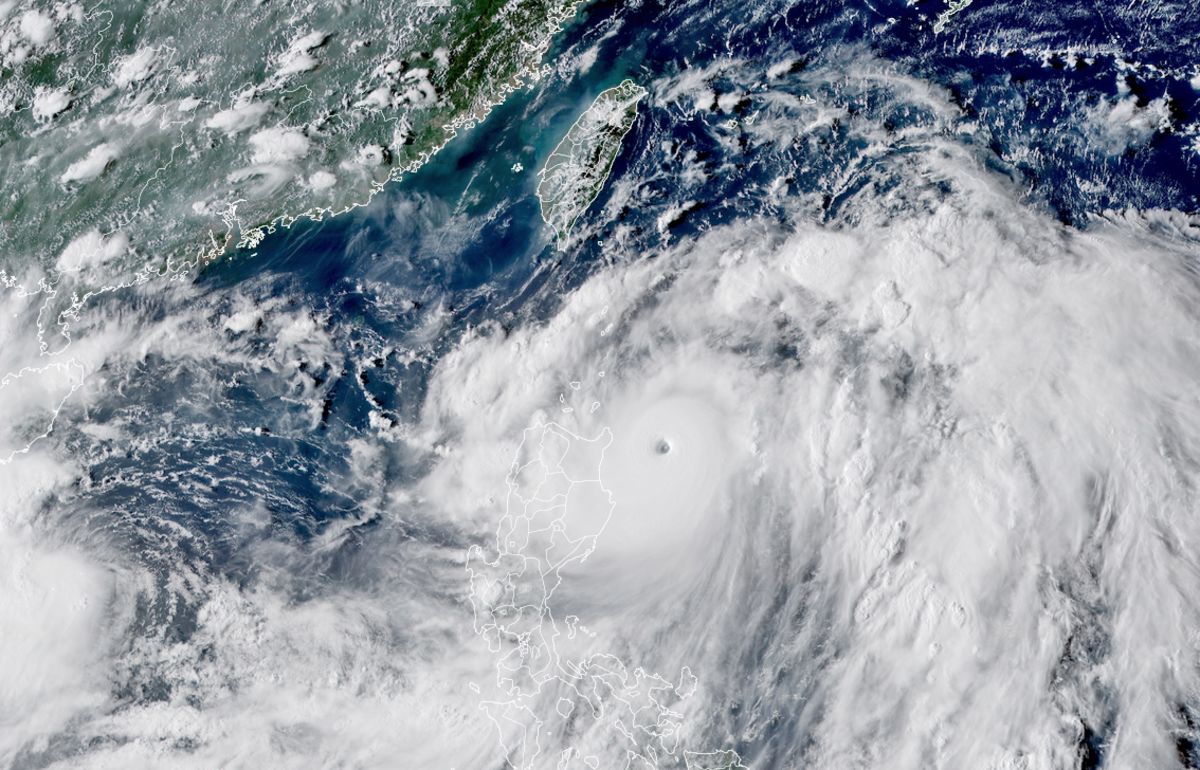
Puerto Rico - Department of Agriculture recommends farmers seek insurance protection against hurricanes

More than 4,000 farmers applied for agricultural insurance ahead of hurricane season in Puerto Rico.

18.05.2026

From farm risk to value chain resilience: Food system benefits of agricultural insurance

The global landscape of agricultural risk has been changing dramatically. More frequent and intense climate and economic shocks have become the norm.

18.05.2026

Nepal - Rain inflicts crop damage worth Rs 460 million in Kavrepalanchowk

Recent heavy rainfall caused agricultural losses worth hundreds of millions of rupees in two local levels of Kavrepalanchowk district, according to official estimates.

14.05.2026

More focus on early detection of Nesidiocoris

In Northern Europe, the predatory bug Nesidiocoris tenuis, commonly referred to as Nesi, presents a growing challenge for tomato growers.

14.05.2026

Canada - Cattle industry calls for stronger risk management programs

Canada’s cattle sector is urging governments to modernize business risk management programs, warning that current tools are not keeping pace with market volatility, rising costs, and major policy uncertainty.

14.05.2026

USA - Michigan apple crop continues to face frost threats into May

A West Michigan apple grower says she remains optimistic about this season, even with at least eight frost-risk events so far.

12.05.2026

Canada - AFSC rethinking honey insurance programs offered to Alberta beekeepers

Despite offering coverage for everything from bear attacks to parasitic mites, Alberta’s honey insurance programs continue to see remarkably low participation rates among the province’s beekeepers.

12.05.2026

Rwanda - Subsidised insurance for greenhouse growers launched

Rwanda Agriculture and Animal Resources Development Board (RAB) on Thursday, May 7, launched a subsidised insurance for greenhouse agriculture to protect farmers against climate shocks, while encouraging investment in commercial agriculture.

EVENTS
ANALYTICS SEE ALL

UNDP - Analysis of the crop insurance system in Uzbekistan

08.01.2025

Agricultural production has historically been one of the high-risk sub-sectors of Uzbekistan’s national economy because the conditions and results of production and economic activity of agricultural enterprises are highly dependent on random, primarily weather-related factors. In this regard, the development of an agricultural insurance system as an element of sustainable agricultural production is relevant. 

A Practical Method for Adjusting the Premium Rates in Crop-Hail Insurance with Short-Term Insurance Data

25.10.2022

The frequency of hailstorms is generally low in small geographic areas. In other words, it may be very likely that hailstorm occurrences will vary between neighboring locations within a short period of time. Besides, a newly launched insurance scheme lacks the data. It is, therefore, difficult to sustain a sound insurance program under these circumstances, with premium rates based on meteorological data without a complimentary adjustment process.

Malta - Vegetable production dropped 7% in 2018

18.10.2019

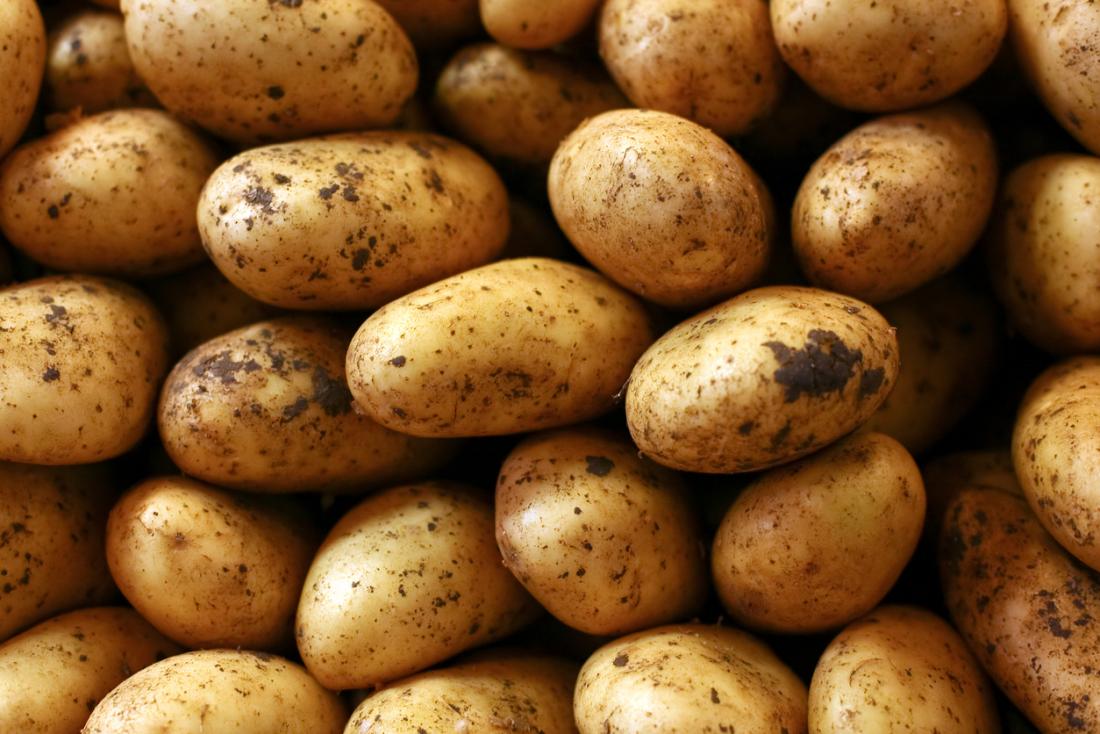
Last year, Malta’s local vegetable produce dropped by 7% when compared to the previous year. The total vegetables produced in tonnes amounted to 58,178, down by 7% when compared to 2017. Their value too diminished as the total produce was valued at €30 million, down by 13% over the previous year. The most significant drop was in potatoes, down by 27% over the previous year. Tomatoes and onions were the only vegetables to have increased in volume, by 3% and 4% respectively but their value diminished by 9% and 24% respectively. The figures were published by the National Statistics Office on the event of World Food Day 2019, which will be celebrated on Wednesday. Cauliflower, cabbage and lettuce produce dropped by 10%, 3%, and 12% respectively. In the realm of local fruit, a drop of produce was registered here too apart from strawberries, which experienced a whopping increase of 58% over 2017. Total fruit produced in 2018 amounted to 13,057 tonnes, down by 1% when compared to 2017. The total produce was valued at €10 million, a 3% increase in value. Peaches produced were down by 35% and the 376 tonnes of peaches cultivated amounted to €0.5 million in value. Orange produce dropped by 10% and lemon produce dropped by 14%. There was no change in the amount of grapes produced and the 3,642 tonnes of grapes produced in 2018 were valued at €2.3 million. 70% of fruit and vegetables consumed in Malta is imported. The drop in local produce could be the result of deleterious or unsuitable weather patterns. Source - https://www.freshplaza.com

USA - Greenhouse tomato production spans most states

07.10.2019

While Florida and California accounted for 76 percent of U.S. production of field-grown tomatoes in 2016, greenhouse production and use of other protected-culture technologies help extend the growing season and make production feasible in a wider variety of geographic locations. Some greenhouse production is clustered in traditional field-grown-tomato-producing States like California. However, high concentrations of greenhouses are also located in Nebraska, Minnesota, New York, and other States that are not traditional market leaders. Among the benefits that greenhouse tomato producers can realize are greater market access both in the off-season and in northern retail produce markets, better product consistency, and improved yields. These benefits make greenhouse tomato production an increasingly attractive alternative to field production despite higher production costs. In addition to domestic production, a significant share of U.S. consumption of greenhouse tomatoes is satisfied by imports. In 2004, U.S., Mexican, and Canadian growers each contributed about 300 million pounds of greenhouse tomatoes annually to the U.S. fresh tomato market. Since then, Mexico’s share of the greenhouse tomato market has grown sharply, accounting for almost 84 percent (1.8 billion pounds) of the greenhouse volume coming into the U.S. market. Source - https://www.freshplaza.com