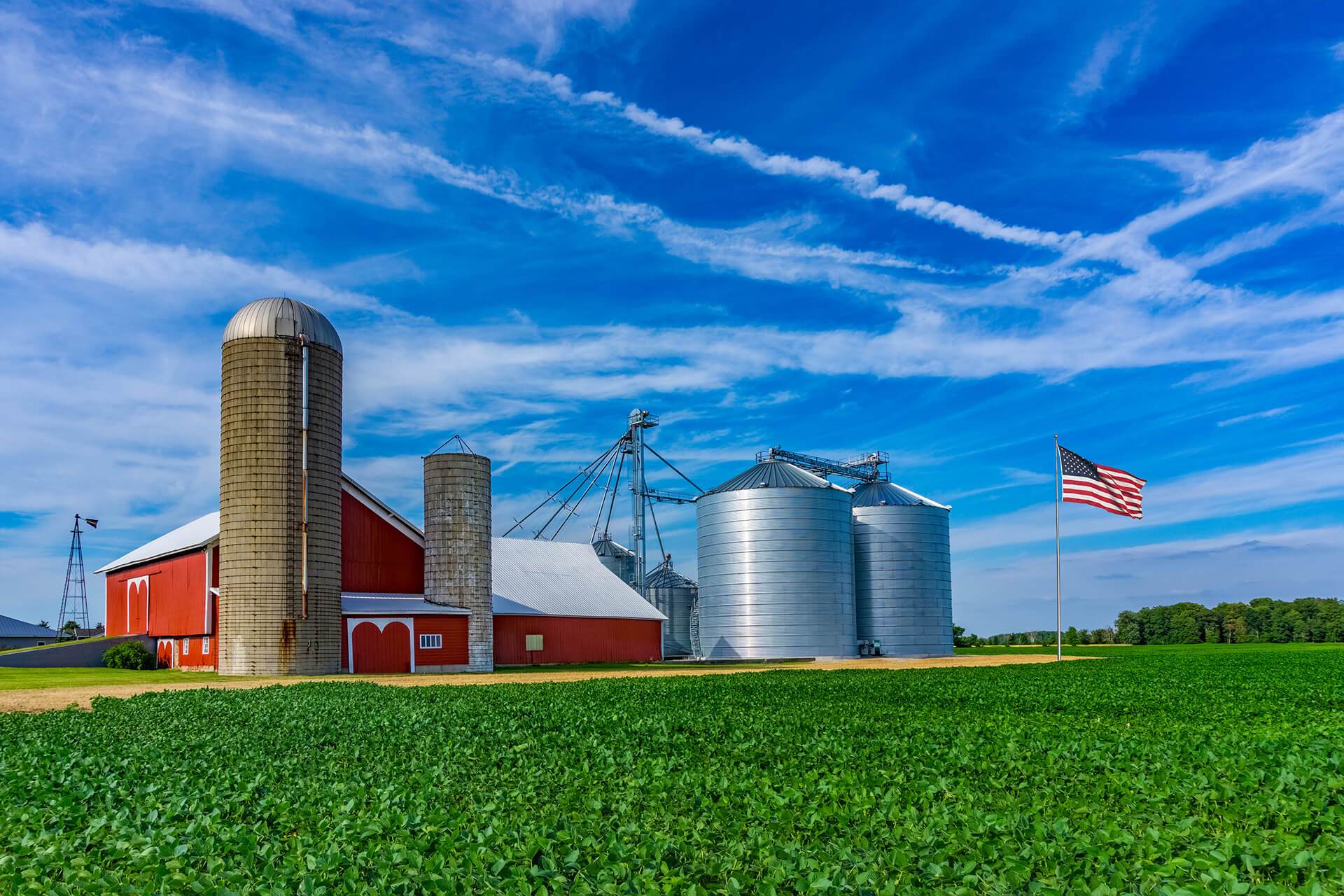
USA - Congress considers farm bill as farmers are pinched by rising costs
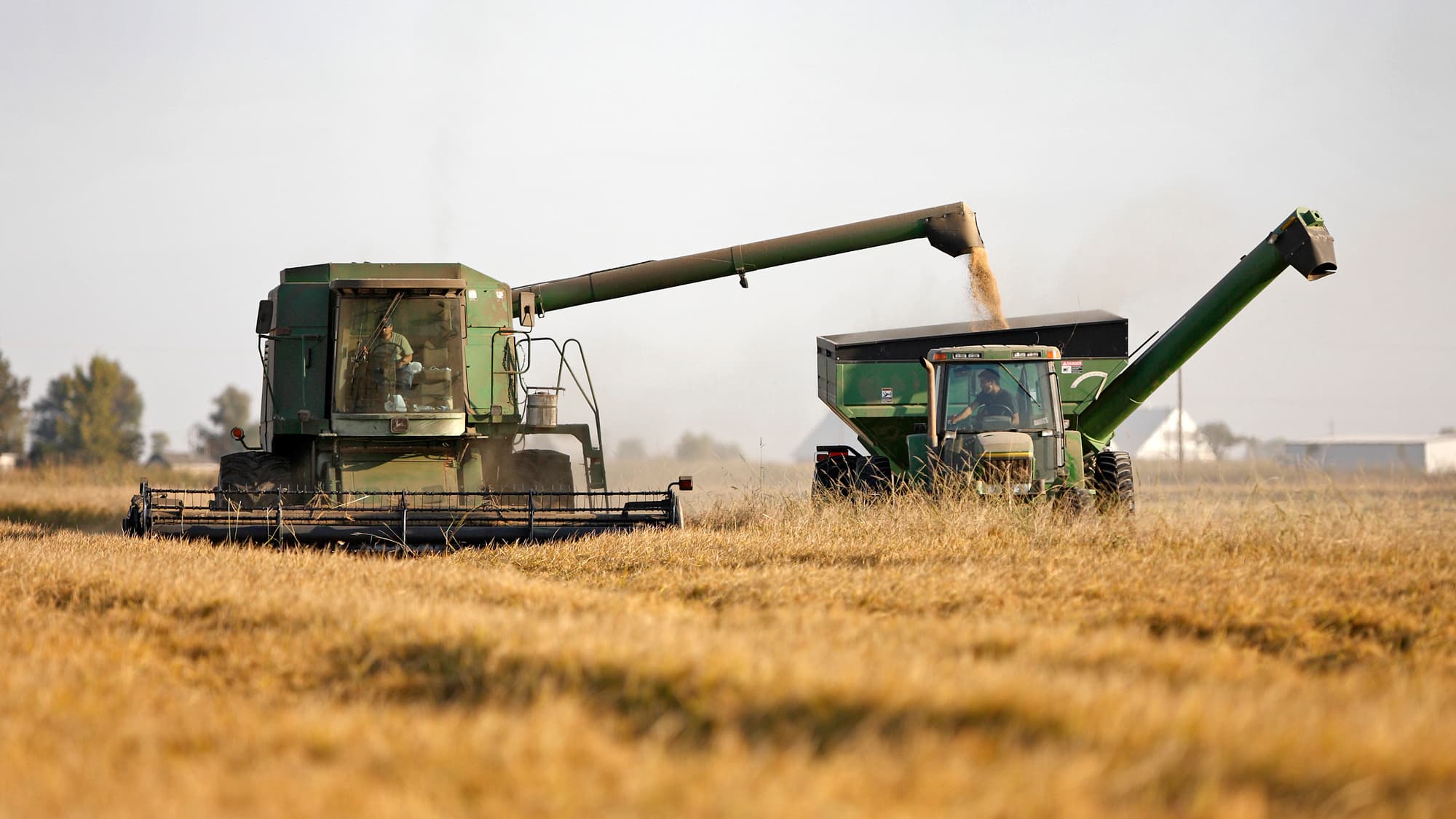
A sweeping law that governs crop insurance, conservation programs, and nutrition assistance is up at one of the toughest moments for farmers in recent memory.
National Bank of Ethiopia unveils draft law for independent regulator and foreign entry.
SEARCA, in partnership with EcoSecurities and the University of the Philippines Los Baños Foundation Inc. (UPLBFI), conducted a two‑day capacity‑building workshop to strengthen the Philippine Crop Insurance Corporation’s (PCIC) capabilities in developing data‑driven, climate‑resilient agricultural insurance products.
The project is currently at the concept stage, with feasibility studies expected to take five to six months and overall preparation about a year. Implementation could begin in 2027, pending loan approval.
Frequent and costly disasters are driving up premiums and leaving many properties uninsured or underinsured.
To date, the MAIA Ministry of Agriculture and Food Industry has not yet announced the start of the next stage of accepting applications for subsidies under agricultural risk insurance contracts concluded in the fall and winter period. While waiting for this announcement, some insurance companies are being "restrained" in the agricultural segment - they insure only livestock farms and perennial crop plantations of their regular customers.
Holding that citizens cannot be forced to bear losses caused by protected wild animals, the Nagpur Bench of the Bombay High Court has ruled that denying compensation to a farmer merely because parrots were omitted from a government list would breach principles of equality.
Farmers and ranchers are using a broader mix of tools to manage risk as markets, weather, and policy uncertainty continue to shift. A new report from the USDA Economic Research Service shows savings and off-farm income remain the most common risk management strategies on U.S. farms.
Nor’westers wreaked havoc in different districts of north Bengal late on Tuesday night. Trees were uprooted, the electric supply was affected, along with standing crops. Many areas also witnessed waterlogging.
Fruit growers of Kashmir have petitioned Union Agriculture Minister Shivraj Singh Chouhan seekingimplementation ofCrop Insurance Scheme for the horticulture industry, imposition of over 100 per cent import duty on American and European apples, and reintroduction of the Market Intervention Scheme (MIS), according to a 14-point memorandum submittedbyKashmir Valley Fruit Growers Cum Dealers Union (KVFGCDU).
A community-based piggery project aimed at boosting rural livelihoods was launched at Senden Salang in Kobulong under the Mokokchung district on Wednesday.
To date, 186,000 manats of insurance compensation have been paid to farmers and farms in the tobacco industry in Azerbaijan.
The package announced at Agrishow in Ribeirão Preto combines rural credit, agricultural insurance, land tenure regularization, mechanization, inclusion of women, innovation, and environmental actions, with R$ 455 million in investments aimed at strengthening São Paulo’s agribusiness.
SDRP disaster payment farmers 2026 just got a major upgrade. Agriculture Secretary Brooke Rollins announced on April 24 in Higginsville, Missouri that USDA is raising the Supplemental Disaster Relief Program payment factor from 35 percent to 70 percent.
CAP has steered Bulgarian agriculture toward greater resilience, but the sector continues to suffer from an absence of a comprehensive risk management strategy and limited research on internal and external risks, the report concludes.
The Federal Government has partnered with Leadway Assurance and PULA Advisors to pay out N396.7m in insurance claims to smallholder farmers, in a move aimed at protecting Nigeria’s food system from worsening climate risks.
The ScaleAgData project is pleased to invite you to our second stakeholder event. Building on the discussions and connections formed during our first webinar, this event will focus on fostering collaboration among stakeholders, providing updates on our project’s progress, and outlining future opportunities for engagement.
SEE ALLWith the latest satellite technologies, insurers can automate and enhance their monitoring, claims, and underwriting processes like never before. Join us for this exclusive 45-minute live webinar, co-hosted by industry leaders from SwissRe, AXA Climate, GreenTriangle, and Planet, to discover:
2024 AgroInsurance International Conference will take place on June 3-5, 2024 in Belgrade, Serbia, at the Hyatt Regency Hotel. Planet Labs (USA) and GAF AG (Germany) are sponsors of our conference. Agremo (Serbia) has been confirmed as the Organization Partner. More partners and sponsors to be announced in March 2024.
AgroInsurance Team is excited to announce the new dates and venue of the 2024 Agroinsurance International Conference. The event will be held on June 3-5, 2024 in Belgrade, Serbia. ‘Early Bird’ registration is already open.
The Australian horticultural sector faced challenges following Cyclone Alfred's impact in late February.
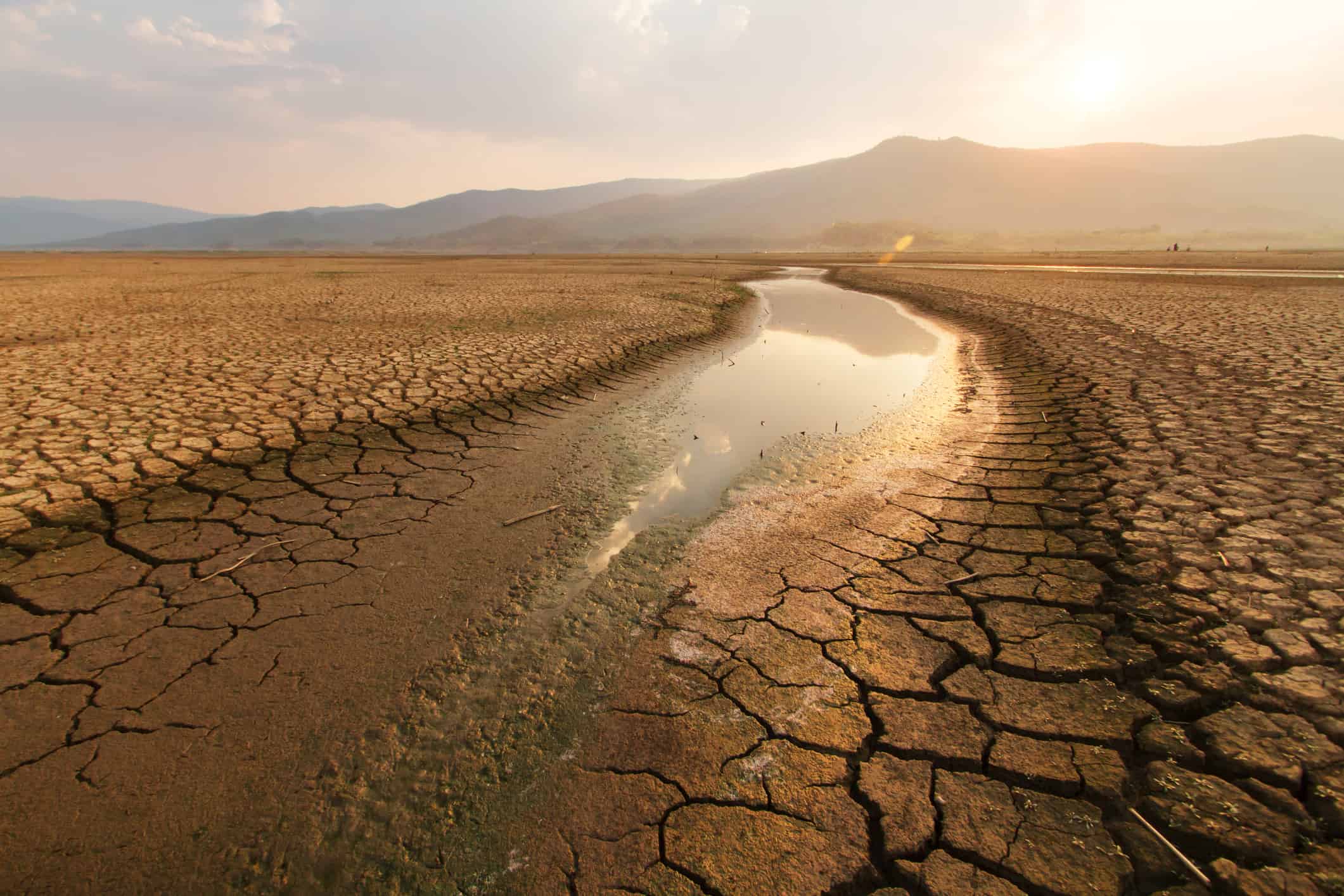
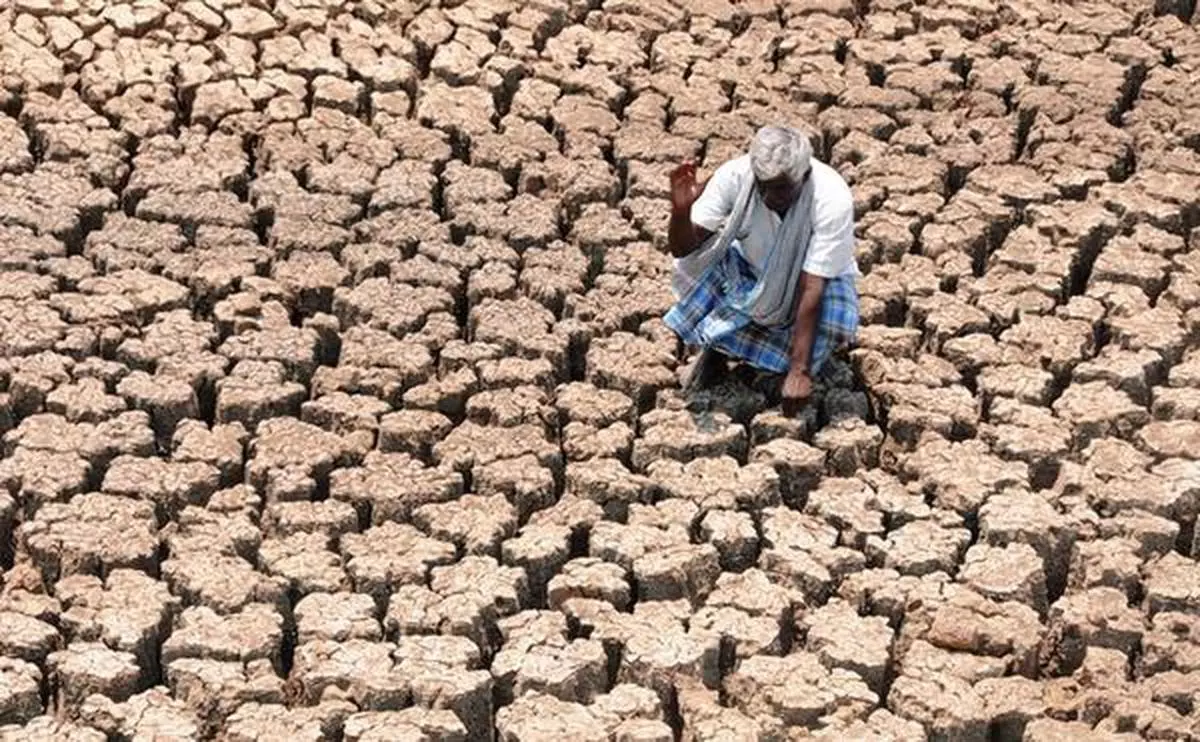
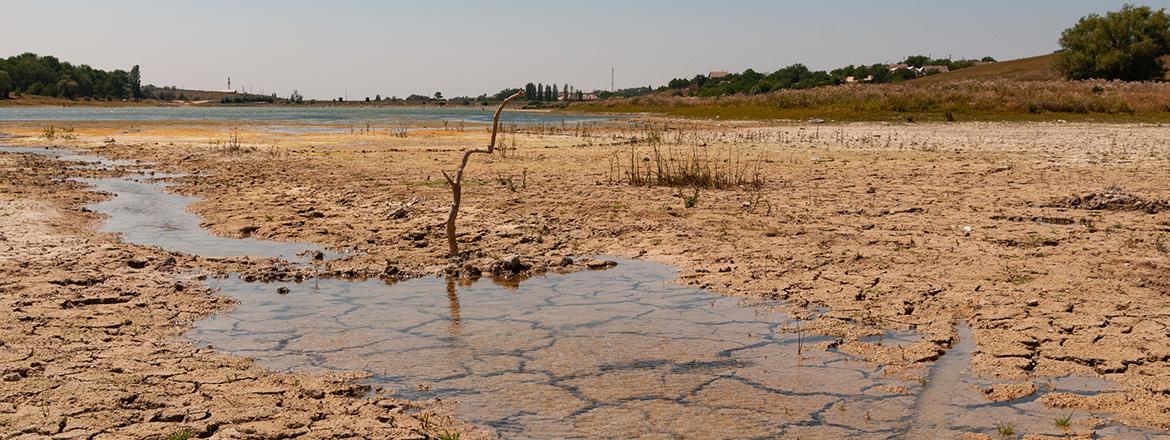
SEE ALLAgriculture in Austria is struggling with the effects of the severe drought in recent weeks and months. Due to the record number of hot days, the farmers are faced with arid fields. The damage to agriculture from the drought is estimated at 150 million euros.
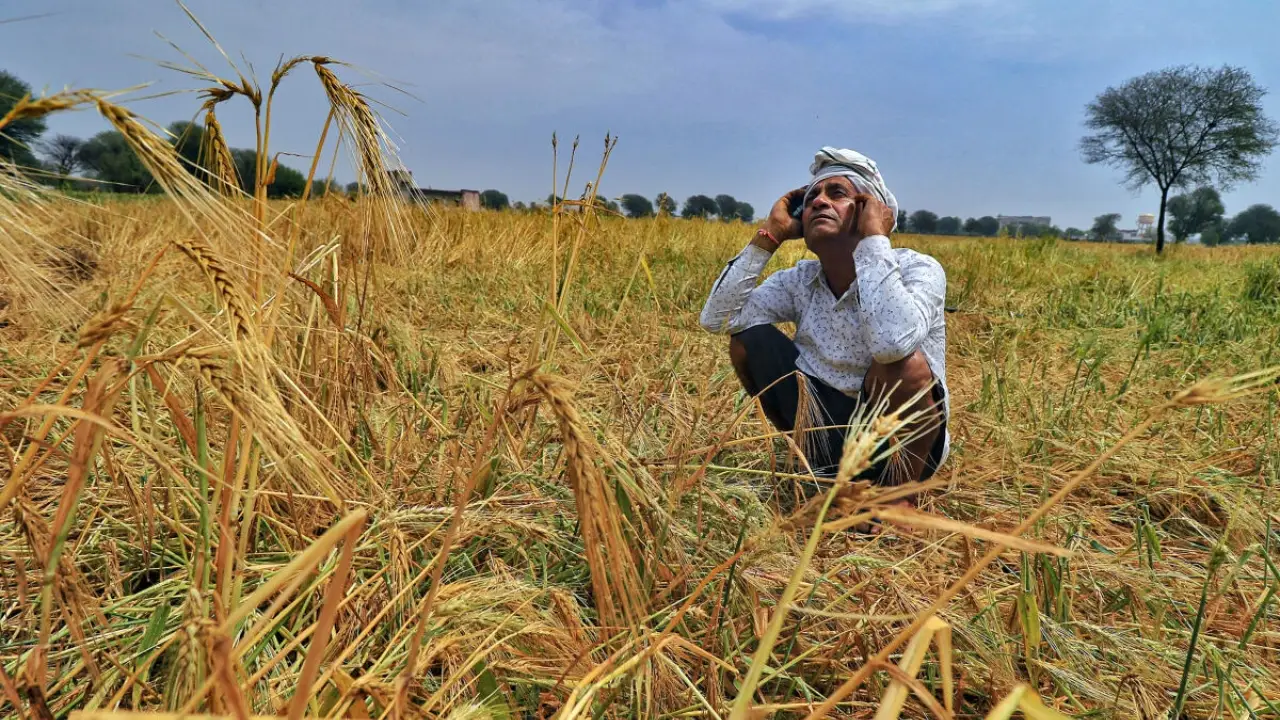
Between the lack of rain and a severe frost event this week, South Australian farmers are feeling the pinch from the weather. Some farmers said they were not bothering to reap what they had sown, as their crops were in such a state that the cost of harvesting outweighed any possible return.
More than three weeks after the Cumbre Vieja volcano erupted, the lava that continues to flow from its interior continues to devastate everything in its path, destroying houses, infrastructure, and banana plantations. The production of Platanos de Canarias is the economic engine of the island, accounting for 50% of its GDP and 30% of the jobs on the island.
Agricultural production has historically been one of the high-risk sub-sectors of Uzbekistan’s national economy because the conditions and results of production and economic activity of agricultural enterprises are highly dependent on random, primarily weather-related factors. In this regard, the development of an agricultural insurance system as an element of sustainable agricultural production is relevant.
The frequency of hailstorms is generally low in small geographic areas. In other words, it may be very likely that hailstorm occurrences will vary between neighboring locations within a short period of time. Besides, a newly launched insurance scheme lacks the data. It is, therefore, difficult to sustain a sound insurance program under these circumstances, with premium rates based on meteorological data without a complimentary adjustment process.
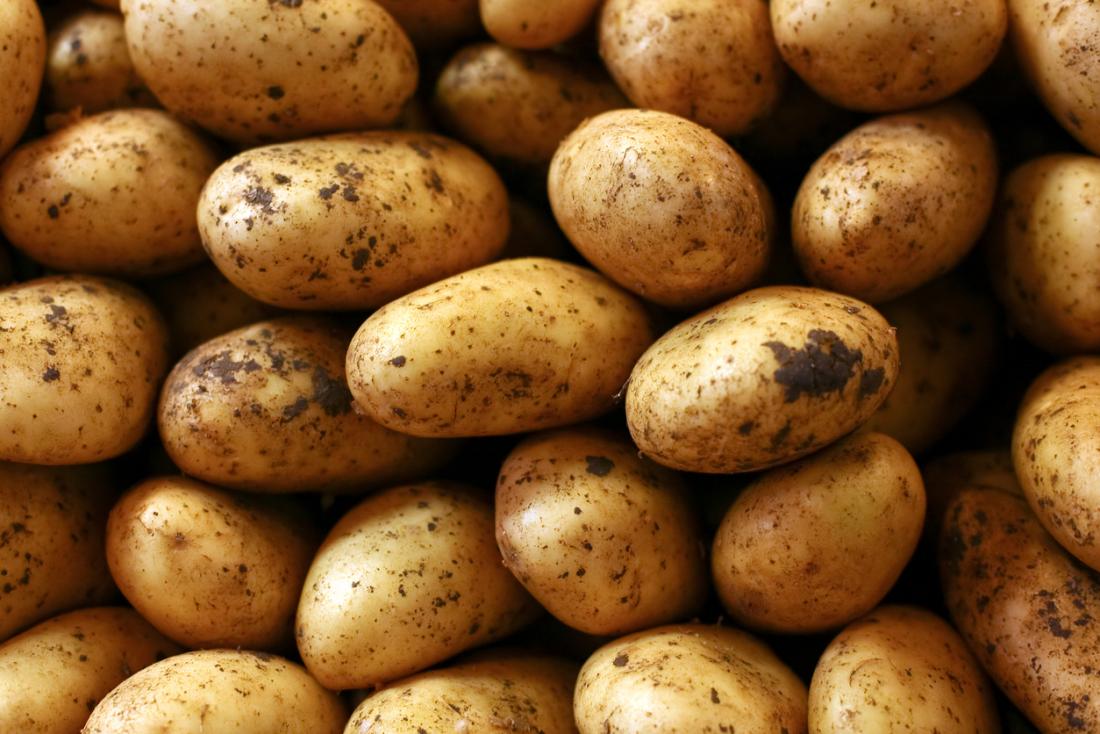
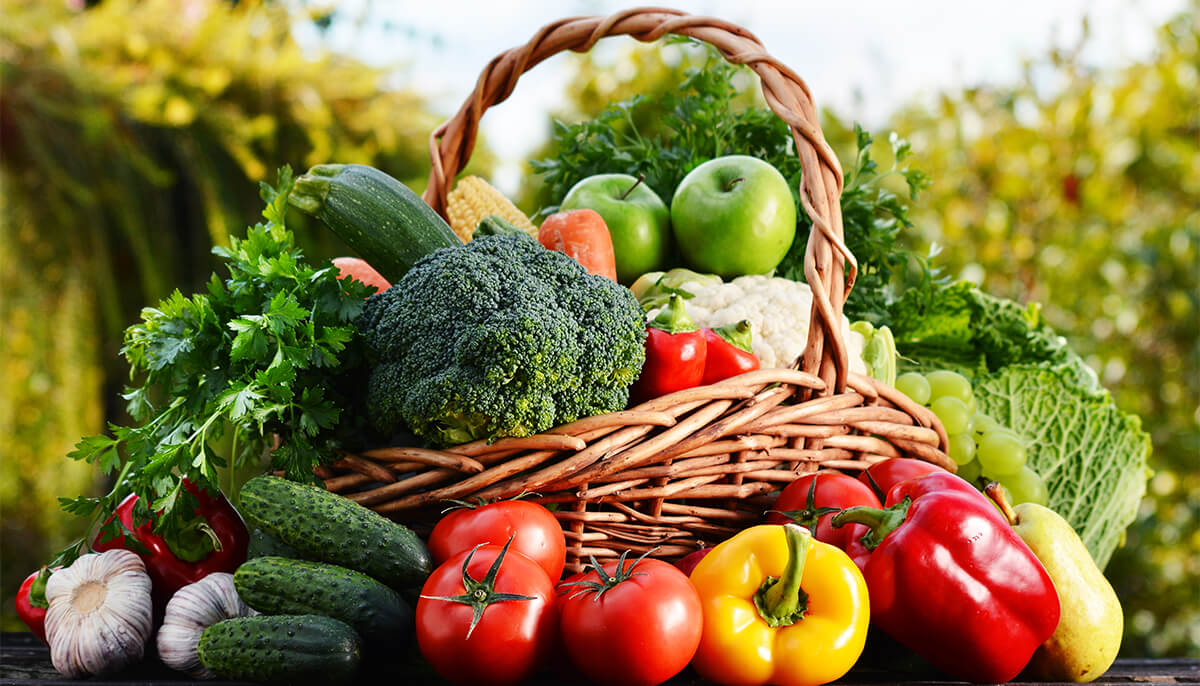
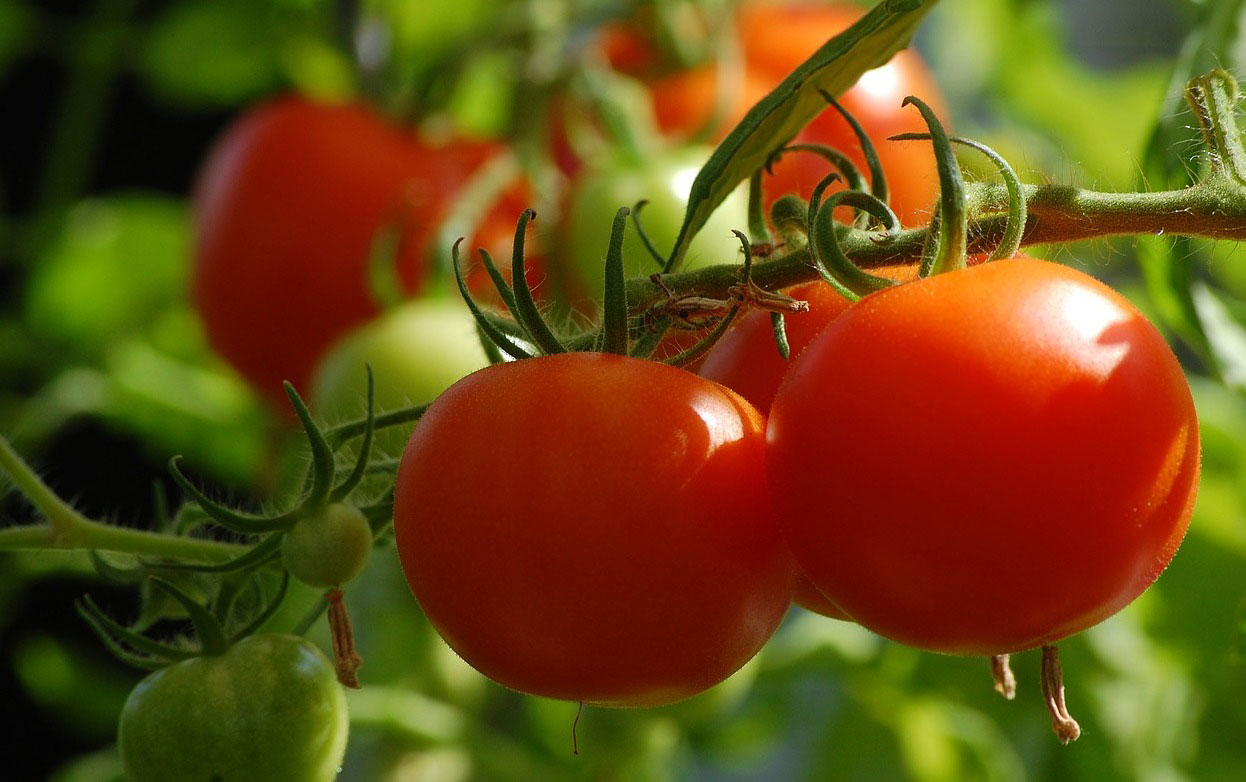
Last year, Malta’s local vegetable produce dropped by 7% when compared to the previous year. The total vegetables produced in tonnes amounted to 58,178, down by 7% when compared to 2017. Their value too diminished as the total produce was valued at €30 million, down by 13% over the previous year. The most significant drop was in potatoes, down by 27% over the previous year. Tomatoes and onions were the only vegetables to have increased in volume, by 3% and 4% respectively but their value diminished by 9% and 24% respectively. The figures were published by the National Statistics Office on the event of World Food Day 2019, which will be celebrated on Wednesday. Cauliflower, cabbage and lettuce produce dropped by 10%, 3%, and 12% respectively. In the realm of local fruit, a drop of produce was registered here too apart from strawberries, which experienced a whopping increase of 58% over 2017. Total fruit produced in 2018 amounted to 13,057 tonnes, down by 1% when compared to 2017. The total produce was valued at €10 million, a 3% increase in value. Peaches produced were down by 35% and the 376 tonnes of peaches cultivated amounted to €0.5 million in value. Orange produce dropped by 10% and lemon produce dropped by 14%. There was no change in the amount of grapes produced and the 3,642 tonnes of grapes produced in 2018 were valued at €2.3 million. 70% of fruit and vegetables consumed in Malta is imported. The drop in local produce could be the result of deleterious or unsuitable weather patterns. Source - https://www.freshplaza.com
While Florida and California accounted for 76 percent of U.S. production of field-grown tomatoes in 2016, greenhouse production and use of other protected-culture technologies help extend the growing season and make production feasible in a wider variety of geographic locations. Some greenhouse production is clustered in traditional field-grown-tomato-producing States like California. However, high concentrations of greenhouses are also located in Nebraska, Minnesota, New York, and other States that are not traditional market leaders. Among the benefits that greenhouse tomato producers can realize are greater market access both in the off-season and in northern retail produce markets, better product consistency, and improved yields. These benefits make greenhouse tomato production an increasingly attractive alternative to field production despite higher production costs. In addition to domestic production, a significant share of U.S. consumption of greenhouse tomatoes is satisfied by imports. In 2004, U.S., Mexican, and Canadian growers each contributed about 300 million pounds of greenhouse tomatoes annually to the U.S. fresh tomato market. Since then, Mexico’s share of the greenhouse tomato market has grown sharply, accounting for almost 84 percent (1.8 billion pounds) of the greenhouse volume coming into the U.S. market. Source - https://www.freshplaza.com