Canada - Whole farm revenue insurance gains momentum
Federal, provincial officials continue to study how whole farm revenue insurance could replace AgriStability.
Agronomists across the Corn Belt reported total-loss hail damage, tornadoes, flooded fields, and wind-related crop losses that could reduce yields.
Moldova has concluded the application phase for financial aid aimed at compensating crop losses caused by the 2025 drought. The Agency for Intervention and Payments for Agriculture (AIPA) received 345 requests from affected farmers.
Wild blueberry growers in Maine are assessing the impact of late spring frosts following sharp temperature fluctuations that affected production areas across the state.
Delaware farmers say deer are taking an increasing bite out of their bottom line this growing season, prompting state officials to expand assistance programs aimed at reducing crop damage.
Plantation Industries Ministry Secretary Gunadasa Amarasinghe says the ministry has not yet received the findings of the monkey census conducted recently at a cost of approximately Rs. 3.9 million.
A field trial conducted by the Italian "Giorgio Nicoli" Agriculture and Environment Centre demonstrated that MO-EL Turbitrap 3700 light traps can significantly reduce damage from the tomato leafminer (Tuta absoluta) in greenhouse tomato production.
Farmers in eastern Idaho face critical operational hurdles as they navigate one of the most severe water shortages in decades alongside surging commodity prices, as dilansir dari Ksl.
Maharashtra Agriculture Minister Dattatray Bharane has said that the state government plans to install weather stations in every village to ensure farmers receive accurate compensation under the weather-based fruit crop insurance scheme.
The Gyeonggi-do Agricultural Research and Extension Services will launch the "Early Prediction Service for Adverse Environments Based on Crop Biometric AI" on June 25, which uses artificial intelligence (AI) to detect and notify farmers of abnormal signals sent by crops before the onset of pest and disease damage.
The central Government and the Basque Executive have given the green light this Monday to the transfer to the Basque Country of powers in the area of agricultural insurance, so that the Basque Government will directly manage the aid for farmers to contract policies that cover their farms.
European Commission releases agricultural reserve funding to help producers recover from weather-related losses.
Agriculture Ministry wants to discuss with the government’s economic team a proposal to lower interest rates on operating loans for farmers who purchase insurance policies.
Sharia agricultural insurance is considered to have a strategic role not only in protecting farmers from the risk of crop failure, but also in strengthening food security and the national Islamic financial ecosystem.
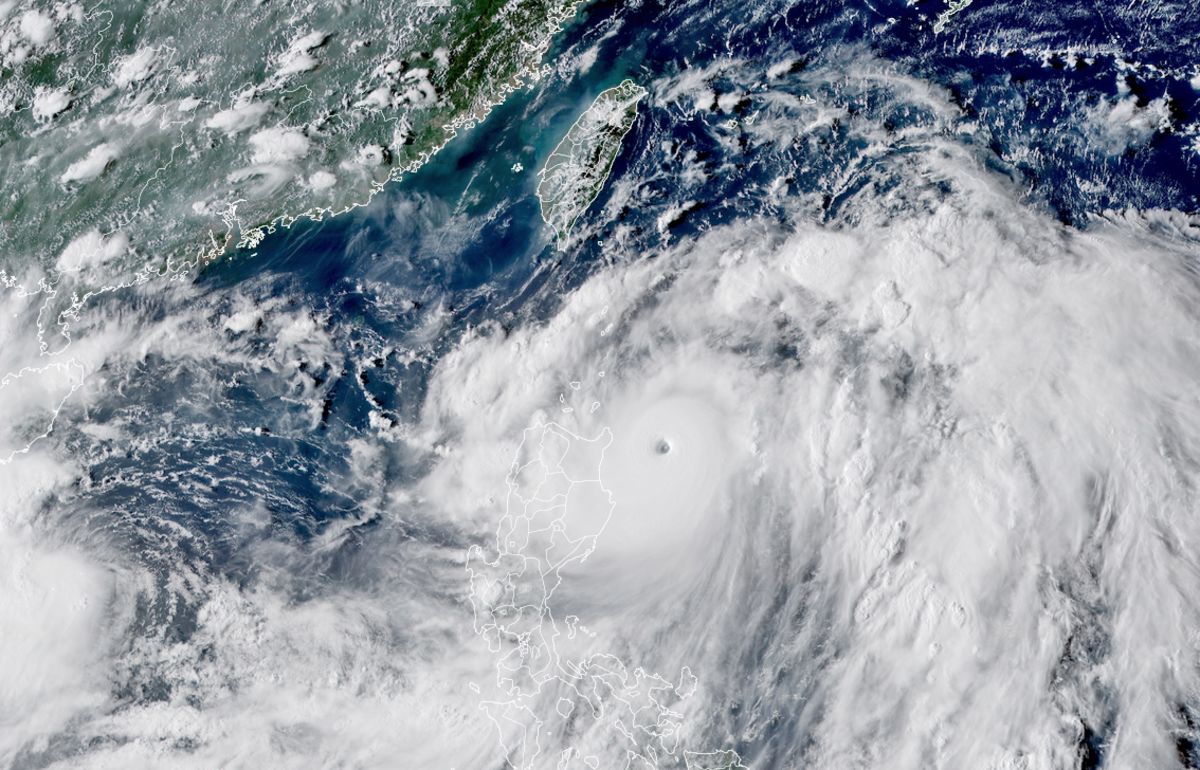
Forty-five farmers from San Juan, La Union who were affected by Typhoon Uwan last year received insurance payouts from the Philippine Crop Insurance Corporation (PCIC).
Tanzania and Turkey have agreed to strengthen bilateral cooperation aimed at reducing post-harvest losses, a move expected to boost agricultural productivity and food security in both nations.
The ScaleAgData project is pleased to invite you to our second stakeholder event. Building on the discussions and connections formed during our first webinar, this event will focus on fostering collaboration among stakeholders, providing updates on our project’s progress, and outlining future opportunities for engagement.
SEE ALLWith the latest satellite technologies, insurers can automate and enhance their monitoring, claims, and underwriting processes like never before. Join us for this exclusive 45-minute live webinar, co-hosted by industry leaders from SwissRe, AXA Climate, GreenTriangle, and Planet, to discover:
2024 AgroInsurance International Conference will take place on June 3-5, 2024 in Belgrade, Serbia, at the Hyatt Regency Hotel. Planet Labs (USA) and GAF AG (Germany) are sponsors of our conference. Agremo (Serbia) has been confirmed as the Organization Partner. More partners and sponsors to be announced in March 2024.
AgroInsurance Team is excited to announce the new dates and venue of the 2024 Agroinsurance International Conference. The event will be held on June 3-5, 2024 in Belgrade, Serbia. ‘Early Bird’ registration is already open.
The first frosty nights of May have significantly worsened estimates of damage to Moldova's fruit sector from spring frosts. According to initial assessments by fruit market operators, between a quarter and a third of the country's total orchard area was seriously affected.
SEE ALLThe Australian horticultural sector faced challenges following Cyclone Alfred's impact in late February.
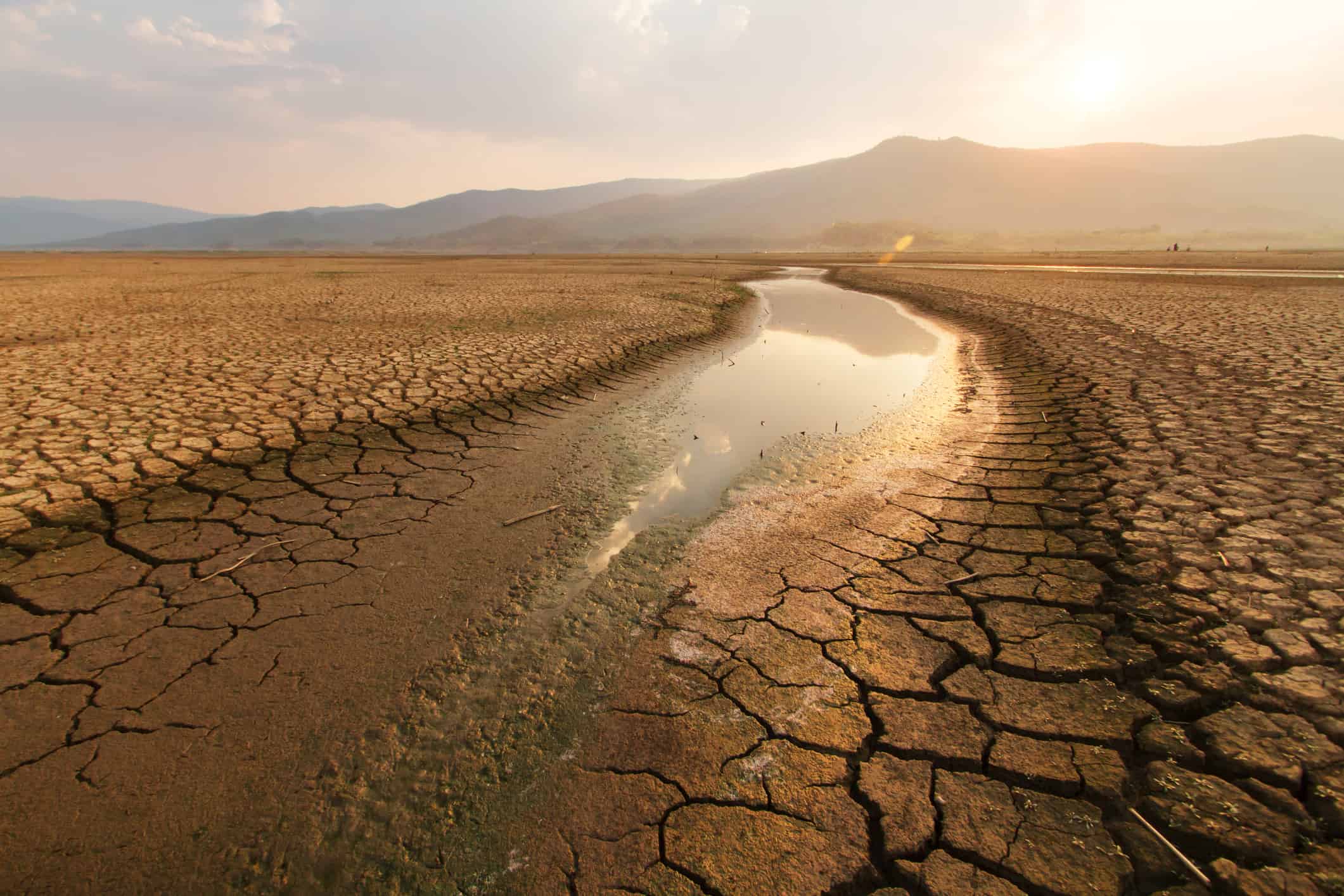
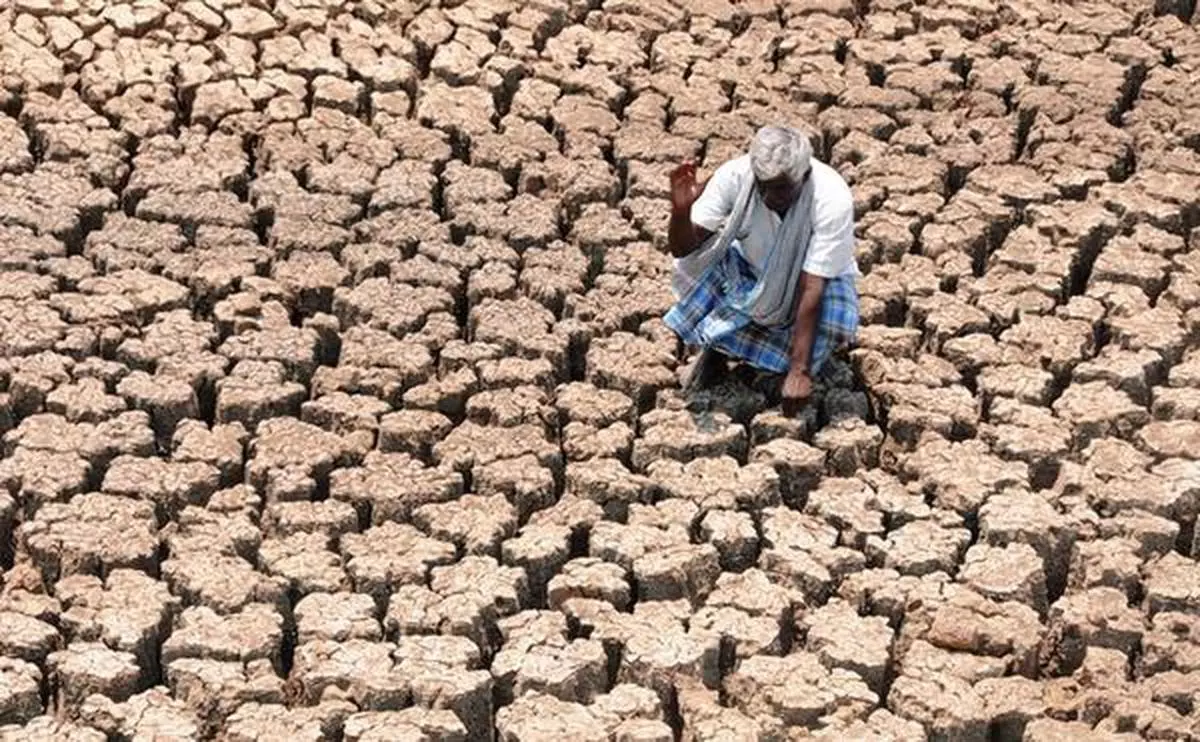
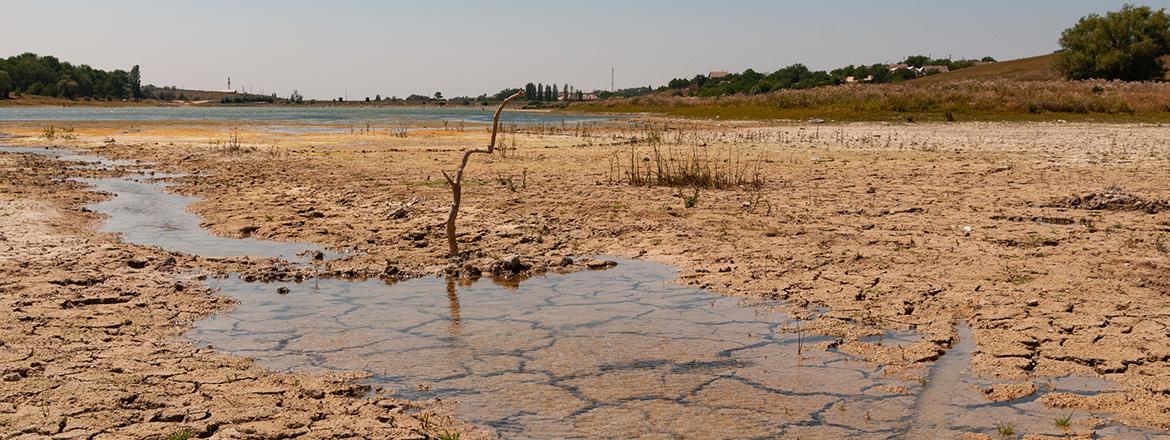
Agriculture in Austria is struggling with the effects of the severe drought in recent weeks and months. Due to the record number of hot days, the farmers are faced with arid fields. The damage to agriculture from the drought is estimated at 150 million euros.
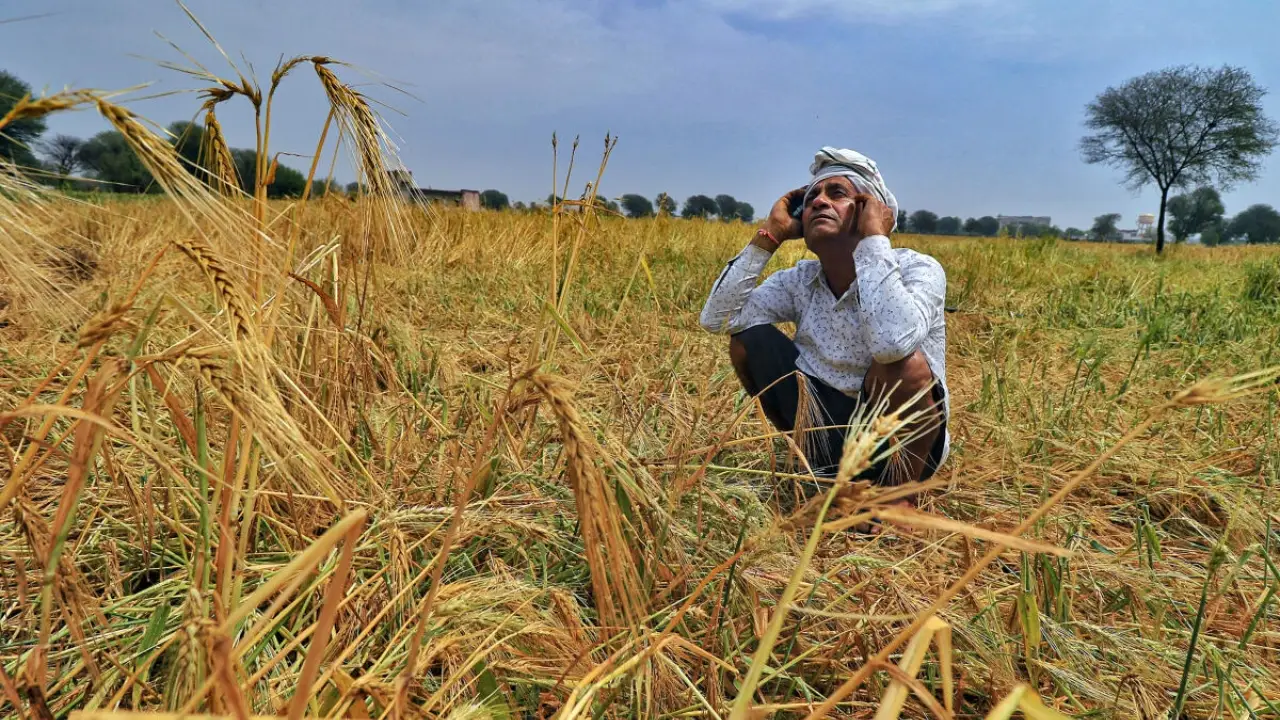
Between the lack of rain and a severe frost event this week, South Australian farmers are feeling the pinch from the weather. Some farmers said they were not bothering to reap what they had sown, as their crops were in such a state that the cost of harvesting outweighed any possible return.
Agricultural production has historically been one of the high-risk sub-sectors of Uzbekistan’s national economy because the conditions and results of production and economic activity of agricultural enterprises are highly dependent on random, primarily weather-related factors. In this regard, the development of an agricultural insurance system as an element of sustainable agricultural production is relevant.
The frequency of hailstorms is generally low in small geographic areas. In other words, it may be very likely that hailstorm occurrences will vary between neighboring locations within a short period of time. Besides, a newly launched insurance scheme lacks the data. It is, therefore, difficult to sustain a sound insurance program under these circumstances, with premium rates based on meteorological data without a complimentary adjustment process.
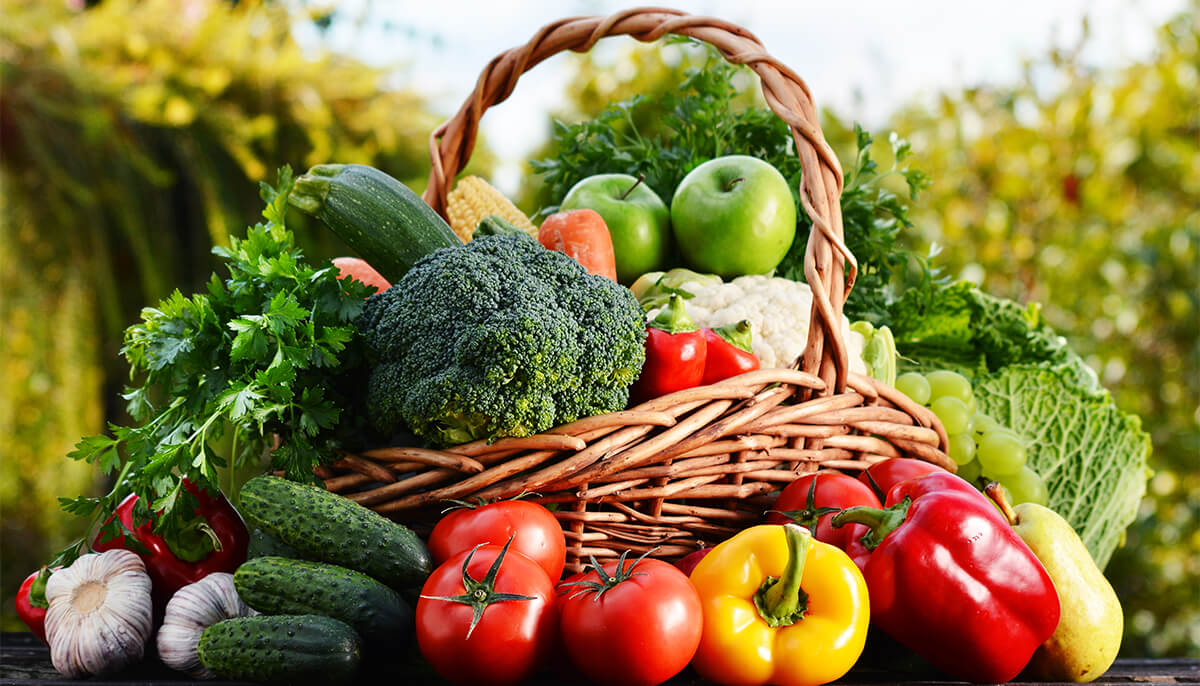
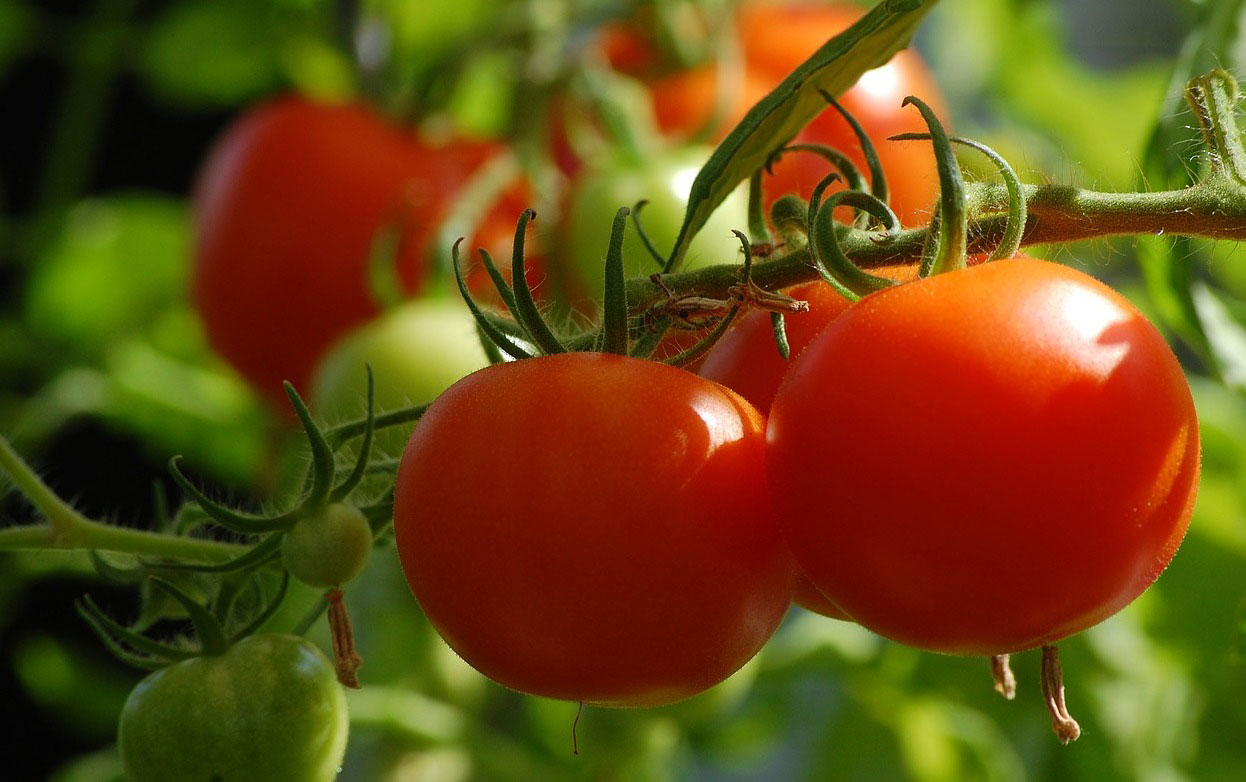
Last year, Malta’s local vegetable produce dropped by 7% when compared to the previous year. The total vegetables produced in tonnes amounted to 58,178, down by 7% when compared to 2017. Their value too diminished as the total produce was valued at €30 million, down by 13% over the previous year. The most significant drop was in potatoes, down by 27% over the previous year. Tomatoes and onions were the only vegetables to have increased in volume, by 3% and 4% respectively but their value diminished by 9% and 24% respectively. The figures were published by the National Statistics Office on the event of World Food Day 2019, which will be celebrated on Wednesday. Cauliflower, cabbage and lettuce produce dropped by 10%, 3%, and 12% respectively. In the realm of local fruit, a drop of produce was registered here too apart from strawberries, which experienced a whopping increase of 58% over 2017. Total fruit produced in 2018 amounted to 13,057 tonnes, down by 1% when compared to 2017. The total produce was valued at €10 million, a 3% increase in value. Peaches produced were down by 35% and the 376 tonnes of peaches cultivated amounted to €0.5 million in value. Orange produce dropped by 10% and lemon produce dropped by 14%. There was no change in the amount of grapes produced and the 3,642 tonnes of grapes produced in 2018 were valued at €2.3 million. 70% of fruit and vegetables consumed in Malta is imported. The drop in local produce could be the result of deleterious or unsuitable weather patterns. Source - https://www.freshplaza.com
While Florida and California accounted for 76 percent of U.S. production of field-grown tomatoes in 2016, greenhouse production and use of other protected-culture technologies help extend the growing season and make production feasible in a wider variety of geographic locations. Some greenhouse production is clustered in traditional field-grown-tomato-producing States like California. However, high concentrations of greenhouses are also located in Nebraska, Minnesota, New York, and other States that are not traditional market leaders. Among the benefits that greenhouse tomato producers can realize are greater market access both in the off-season and in northern retail produce markets, better product consistency, and improved yields. These benefits make greenhouse tomato production an increasingly attractive alternative to field production despite higher production costs. In addition to domestic production, a significant share of U.S. consumption of greenhouse tomatoes is satisfied by imports. In 2004, U.S., Mexican, and Canadian growers each contributed about 300 million pounds of greenhouse tomatoes annually to the U.S. fresh tomato market. Since then, Mexico’s share of the greenhouse tomato market has grown sharply, accounting for almost 84 percent (1.8 billion pounds) of the greenhouse volume coming into the U.S. market. Source - https://www.freshplaza.com