30.08.2026

Serbia's Drought Halves Crop Yields, Few Farms Insured

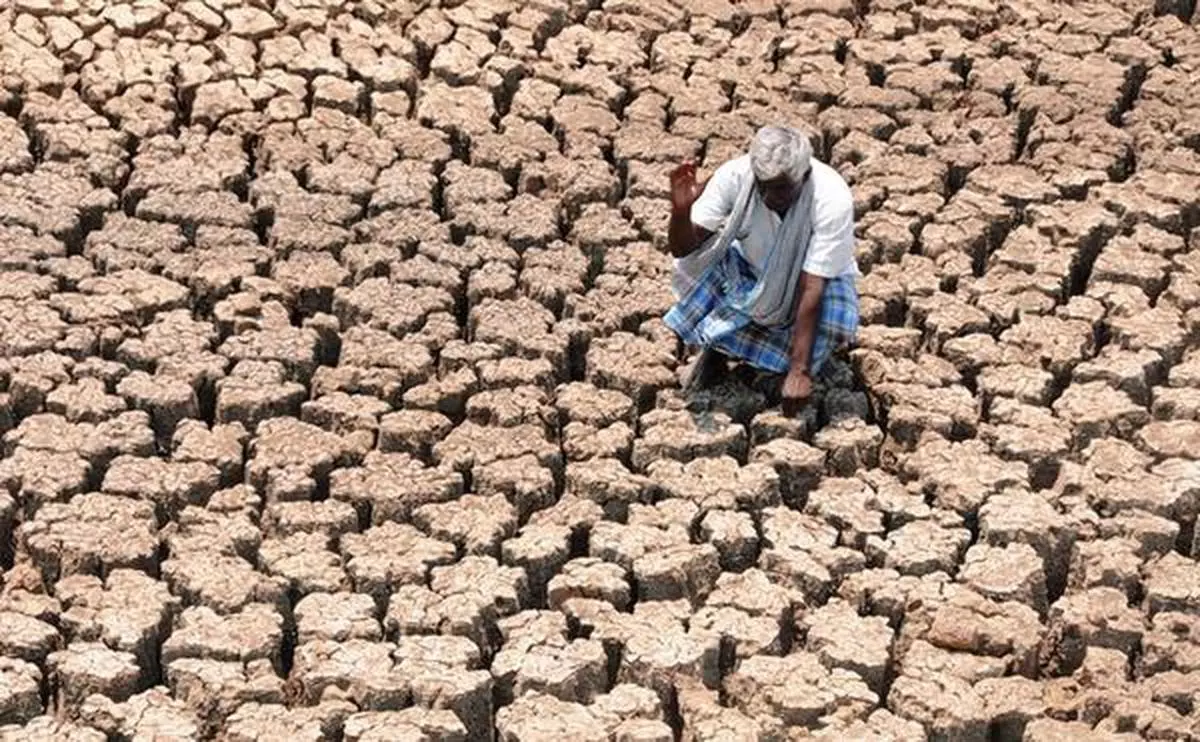
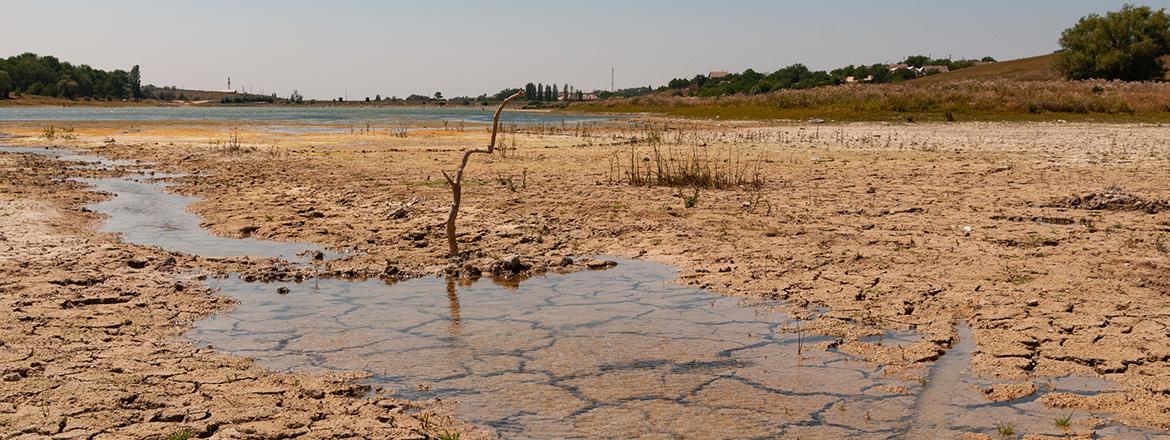
Drought in July and August 2026 cut yields by more than half in parts of Serbia, but only 15 percent of farmland is insured. A corn policy costs about 4,500 dinars per hectare.

30.08.2026

South Korea - Daedong launches soybean-specialized combine DSF85 to cut cracking, crop loss

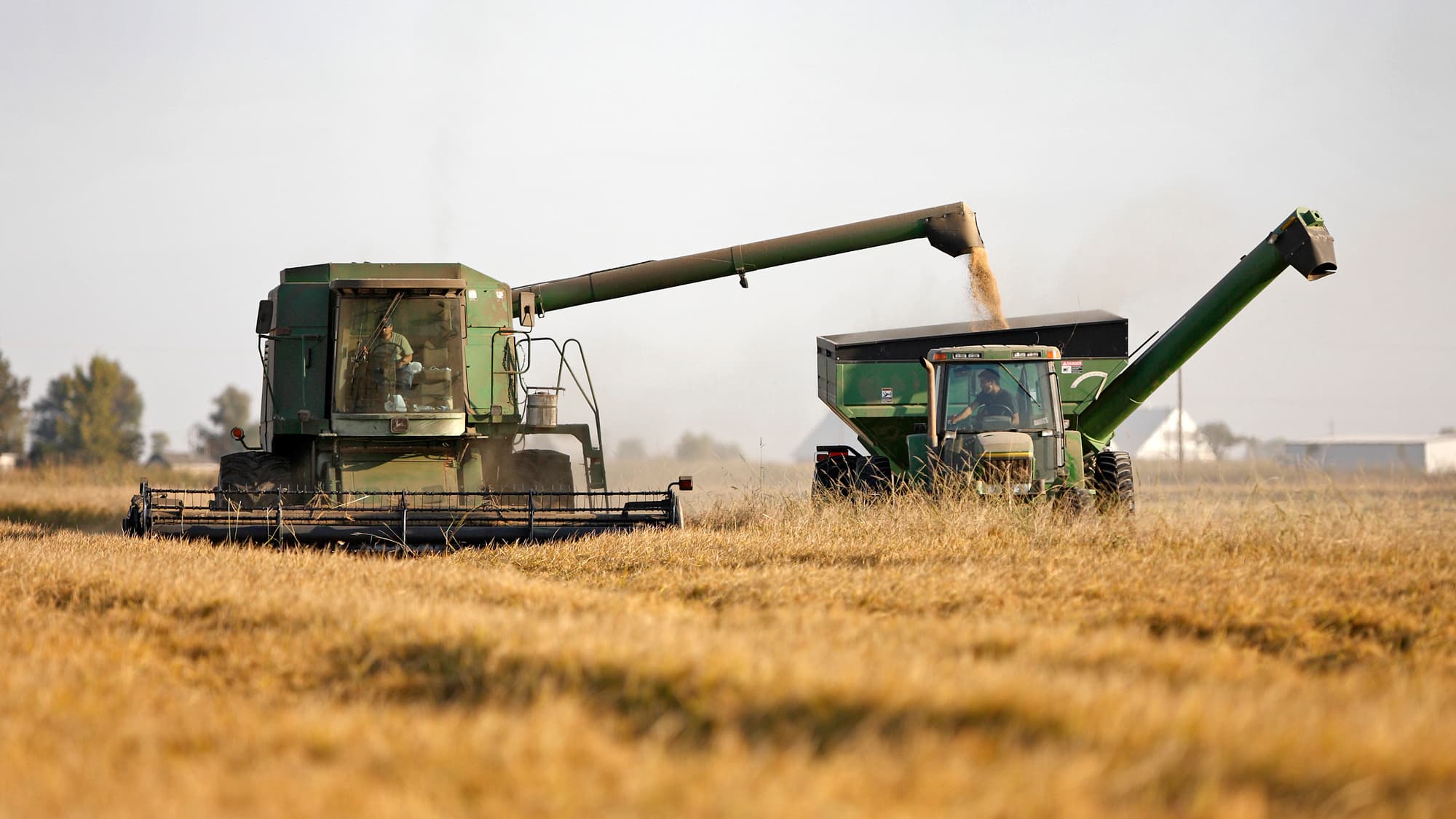
Daedong has unveiled a new full-feed combine focused on reducing soybean cracking and crop loss during harvest.

30.08.2026

India Overhauls Farm Insurance Scheme with AI and Satellite Tech

India is upgrading the Pradhan Mantri Fasal Bima Yojana (PMFBY) using AI, drones, and satellite mapping to accelerate insurance claim settlements.

27.08.2026

Crop Insurance Add-Ons Surge as U.S. Farmers Expand Subsidized Coverage Nationwide

U.S. farmers sharply expanded area add-on crop insurance in 2026 after federal subsidies rose to 80%, reshaping coverage and federal costs.

27.08.2026

Philippines - Benguet crop loss worst in Cordillera

The strong monsoon rains that have been pouring in the Cordillera region for nearly three weeks now have cost vegetable-producing Benguet province up to P446.55 million in farm losses, according to data consolidated by the Regional Development Council on Wednesday.

27.08.2026

India - Shivraj Singh Chouhan reviews summer moong procurement and crop insurance in Madhya Pradesh

Union Minister for Agriculture and Farmers Welfare Shivraj Singh Chouhan on Thursday conducted a virtual review meeting with the Agriculture and Horticulture Ministers of Madhya Pradesh at Krishi Bhawan, New Delhi.

26.08.2026

Lithuania declares nationwide emergency after storm causes heavy damage

Lithuania’s government declared a nationwide “extreme situation” Wednesday following a severe weekend storm that caused extensive damage to crops, livestock and agricultural infrastructure.

26.08.2026

Taiwan - Rains cause agricultural losses of NT$108m

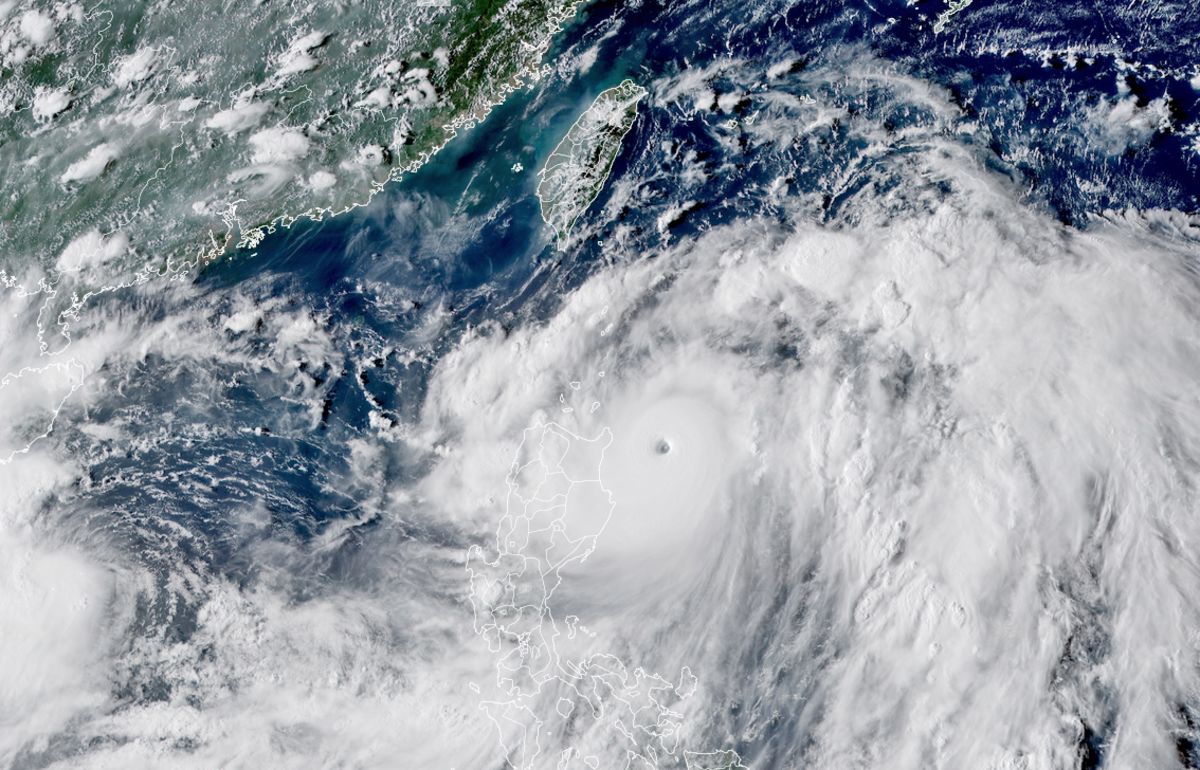
Continuous heavy rains this past week have caused widespread agricultural damage across Taiwan, with nationwide losses of about NT$108 million (US$3.4 million) recorded as of 11am today, the Ministry of Agriculture said.

30.08.2026

India - Maharashtra Approves ₹23.33 Crore Aid For 17,245 Farmers Hit By Crop Damage

The Maharashtra government has sanctioned ₹23.33 crore in relief for 17,245 farmers whose crops were damaged by floods, excessive rainfall, cyclones and hailstorms.

30.08.2026

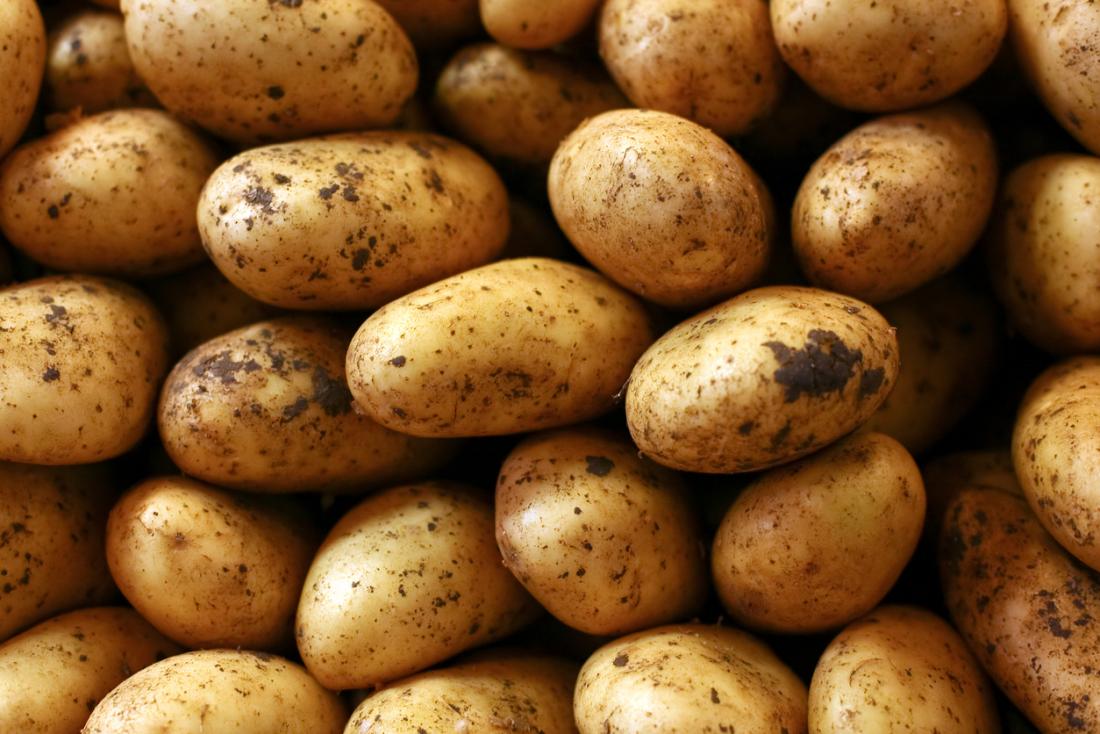
UK drought tightens its grip on potatoes, but scale of crop losses remains uncertain

England and Wales are experiencing an exceptional drought, with potato growers facing reduced tuber growth, irrigation restrictions and increasingly difficult harvesting conditions. The evidence supports serious concern—but not every alarming headline can yet be translated into a national crop-loss figure.

30.08.2026

Kenya turns to digital livestock IDs to improve animal health, traceability

The system will capture information including an animal’s origin, ownership, health status, vaccination history and movements.

27.08.2026

China grain imports in focus as crop damage hits key producing regions

Extreme heat, heavy rain and flooding across key Chinese farming regions are putting global grain and cotton exporters on alert, as markets assess whether crop damage could increase China’s import needs.

27.08.2026

USA - Bear damage costs Benzie County farmer at least $40,000 across 1,100 acres of corn

Corn growers around northern Michigan are getting a really good look at how this year's crop is shaping up before harvest, but one of them in Benzie County is getting to see a lot more than that.

27.08.2026

India - Demand to withdraw farmer ID mandate for crop procurement

The Andhra Pradesh Koulu Rythu Sangham (AP Tenant Farmers’ Association) has demanded that the State government immediately withdraw its decision to make Farmer ID (Unique Farmer Number) mandatory for selling crops at government procurement centres, stating that the move would severely affect tenant farmers.

26.08.2026

Cameroon Sets 2026 Planting Windows to Help Southern Farmers Reduce Crop Losses

Planting too early or too late can cost farmers part of their harvest. Cameroon’s National Observatory on Climate Change, or ONACC, has now set rainfall and planting windows for the second 2026 farming season across the country’s southern regions, giving producers a tool to reduce weather-related crop losses.

26.08.2026

USA - Eastern Shore farmers press state for more help with deer crop damage

Some Eastern Shore farmers are trying to make their voices heard about deer crop damage, saying they aren't getting enough help from the state to manage the problem.

EVENTS
ANALYTICS SEE ALL

UNDP - Analysis of the crop insurance system in Uzbekistan

08.01.2025

Agricultural production has historically been one of the high-risk sub-sectors of Uzbekistan’s national economy because the conditions and results of production and economic activity of agricultural enterprises are highly dependent on random, primarily weather-related factors. In this regard, the development of an agricultural insurance system as an element of sustainable agricultural production is relevant. 

A Practical Method for Adjusting the Premium Rates in Crop-Hail Insurance with Short-Term Insurance Data

25.10.2022

The frequency of hailstorms is generally low in small geographic areas. In other words, it may be very likely that hailstorm occurrences will vary between neighboring locations within a short period of time. Besides, a newly launched insurance scheme lacks the data. It is, therefore, difficult to sustain a sound insurance program under these circumstances, with premium rates based on meteorological data without a complimentary adjustment process.

Malta - Vegetable production dropped 7% in 2018

18.10.2019

Last year, Malta’s local vegetable produce dropped by 7% when compared to the previous year. The total vegetables produced in tonnes amounted to 58,178, down by 7% when compared to 2017. Their value too diminished as the total produce was valued at €30 million, down by 13% over the previous year. The most significant drop was in potatoes, down by 27% over the previous year. Tomatoes and onions were the only vegetables to have increased in volume, by 3% and 4% respectively but their value diminished by 9% and 24% respectively. The figures were published by the National Statistics Office on the event of World Food Day 2019, which will be celebrated on Wednesday. Cauliflower, cabbage and lettuce produce dropped by 10%, 3%, and 12% respectively. In the realm of local fruit, a drop of produce was registered here too apart from strawberries, which experienced a whopping increase of 58% over 2017. Total fruit produced in 2018 amounted to 13,057 tonnes, down by 1% when compared to 2017. The total produce was valued at €10 million, a 3% increase in value. Peaches produced were down by 35% and the 376 tonnes of peaches cultivated amounted to €0.5 million in value. Orange produce dropped by 10% and lemon produce dropped by 14%. There was no change in the amount of grapes produced and the 3,642 tonnes of grapes produced in 2018 were valued at €2.3 million. 70% of fruit and vegetables consumed in Malta is imported. The drop in local produce could be the result of deleterious or unsuitable weather patterns. Source - https://www.freshplaza.com

USA - Greenhouse tomato production spans most states

07.10.2019

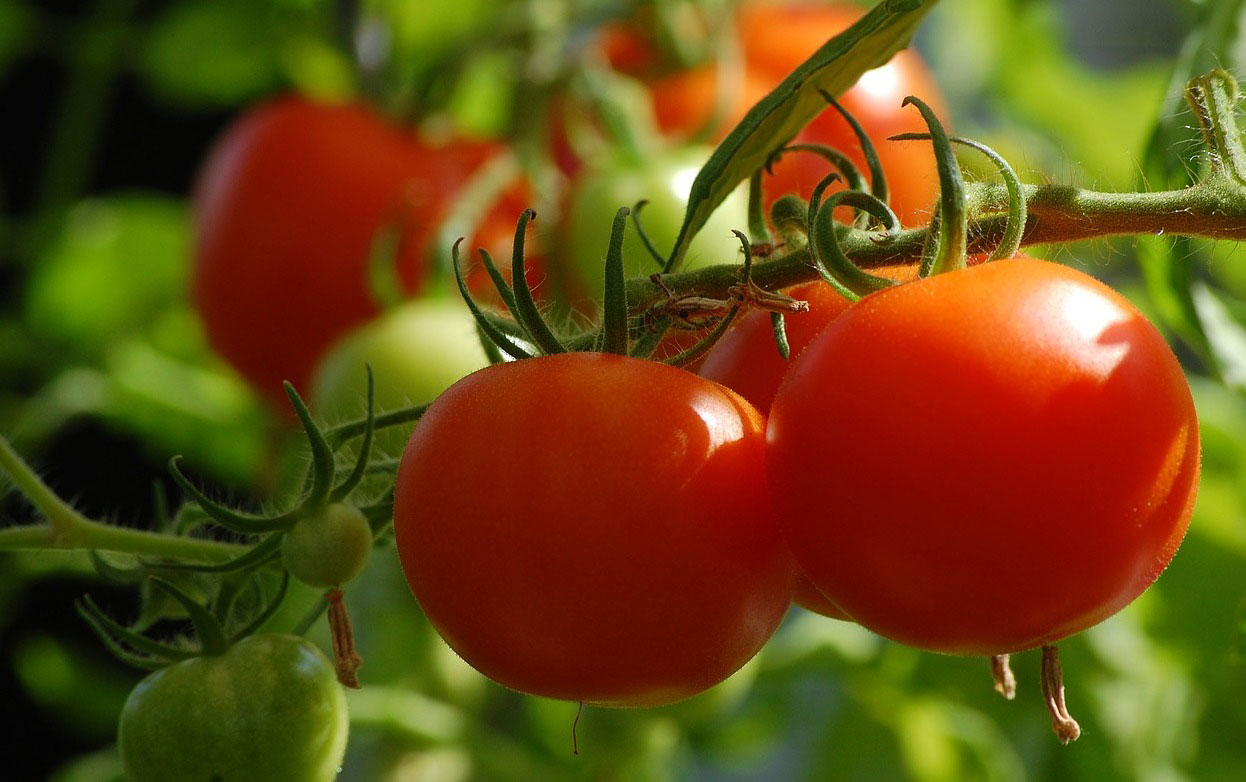
While Florida and California accounted for 76 percent of U.S. production of field-grown tomatoes in 2016, greenhouse production and use of other protected-culture technologies help extend the growing season and make production feasible in a wider variety of geographic locations. Some greenhouse production is clustered in traditional field-grown-tomato-producing States like California. However, high concentrations of greenhouses are also located in Nebraska, Minnesota, New York, and other States that are not traditional market leaders. Among the benefits that greenhouse tomato producers can realize are greater market access both in the off-season and in northern retail produce markets, better product consistency, and improved yields. These benefits make greenhouse tomato production an increasingly attractive alternative to field production despite higher production costs. In addition to domestic production, a significant share of U.S. consumption of greenhouse tomatoes is satisfied by imports. In 2004, U.S., Mexican, and Canadian growers each contributed about 300 million pounds of greenhouse tomatoes annually to the U.S. fresh tomato market. Since then, Mexico’s share of the greenhouse tomato market has grown sharply, accounting for almost 84 percent (1.8 billion pounds) of the greenhouse volume coming into the U.S. market. Source - https://www.freshplaza.com