


Scotland introduces bird flu prevention zone for keepers
A Scotland-wide Avian Influenza Prevention Zone (AIPZ) has been introduced following an increase in cases of bird flu in wild and kept birds.


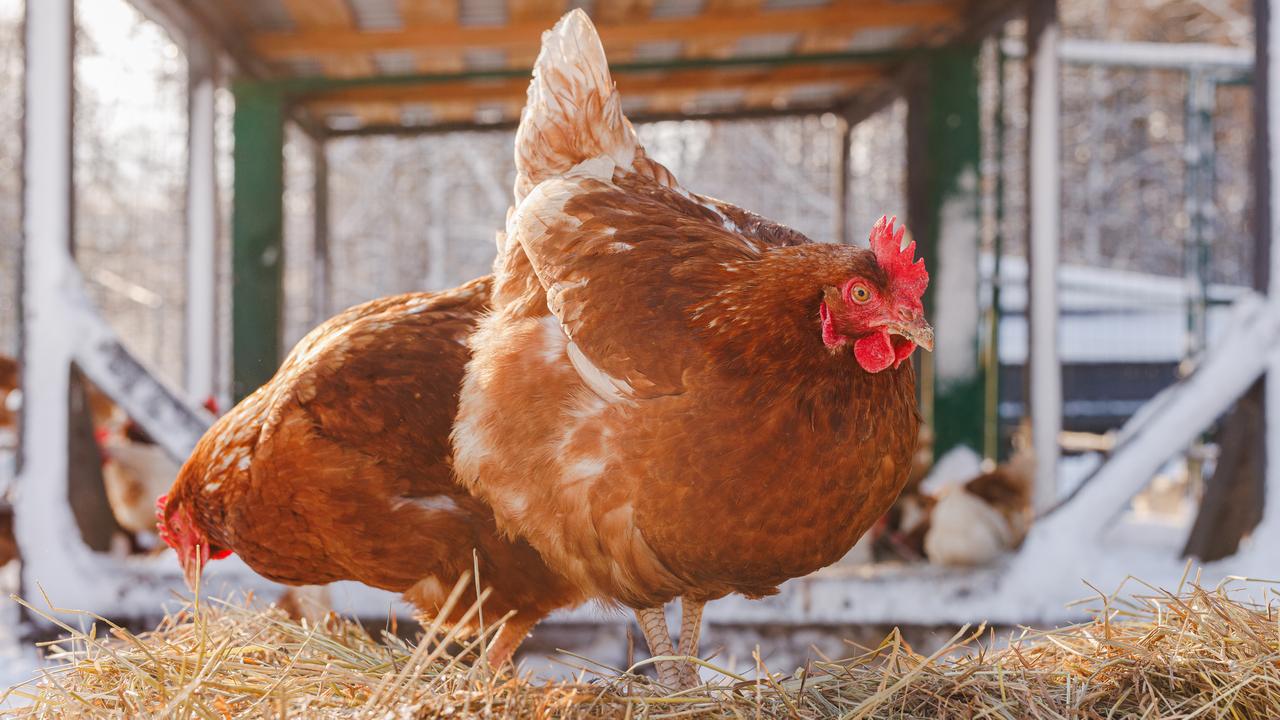
A Scotland-wide Avian Influenza Prevention Zone (AIPZ) has been introduced following an increase in cases of bird flu in wild and kept birds.

Recent cyclones ‘Arnab’ and ‘Murasu’ damaged agricultural crops across 4,61,194 hectares in Andhra Pradesh, officials confirmed on Tuesday.

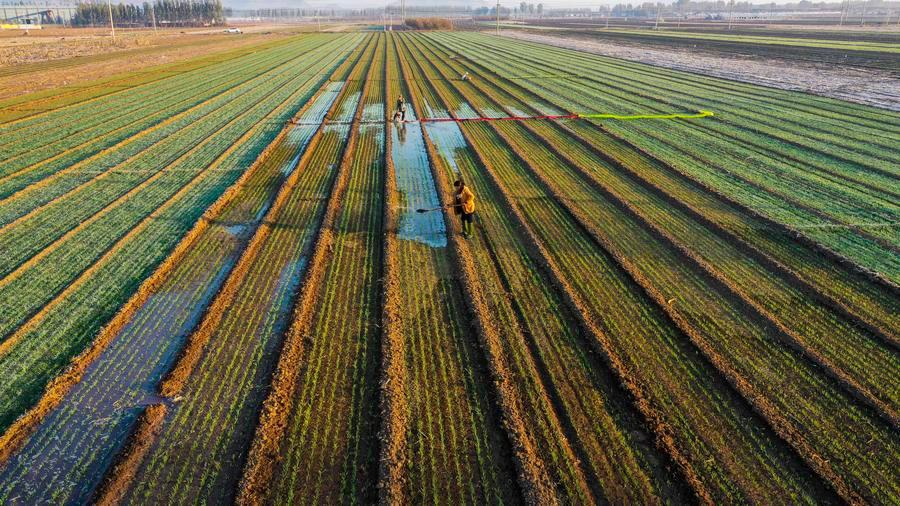
Greenhouse asparagus cultivation in Lianshui County, Jiangsu Province, China, covers more than 1,333 hectares, with annual harvests of 50,000 tons valued at over 1 billion yuan (US$150 million). The county accounts for approximately 30 per cent of China's greenhouse-grown asparagus output.
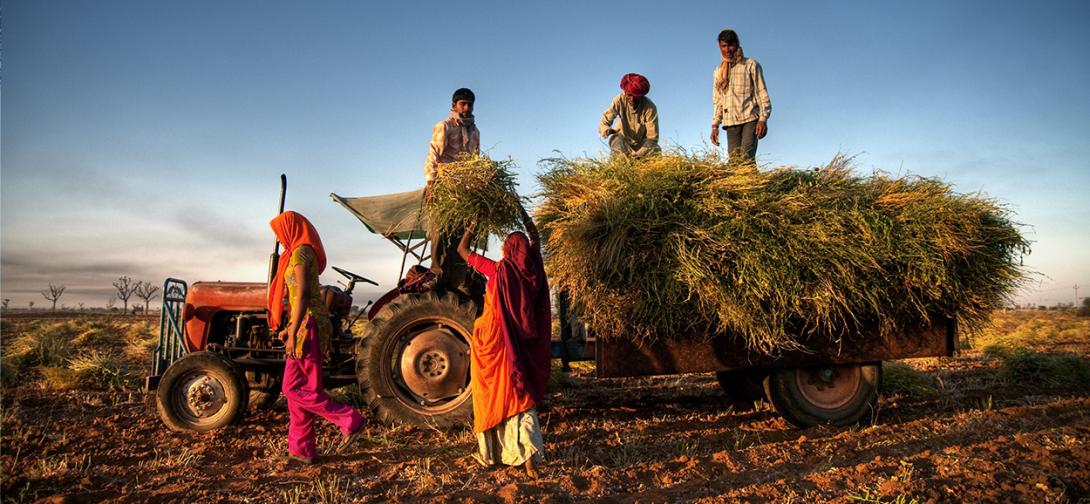
To minimize economic losses from natural disasters, diseases, and other risks in agriculture and livestock business, the government has been implementing a system of providing subsidies on insurance premiums. For this, the government itself is providing up to 80 percent subsidy on insurance premiums.

While greenhouses help boost agricultural production and meet market demand, experts warn that the excessive or unbalanced use of chemical fertilisers, water shortages and improper disposal of agricultural plastics can damage soil fertility and the environment.
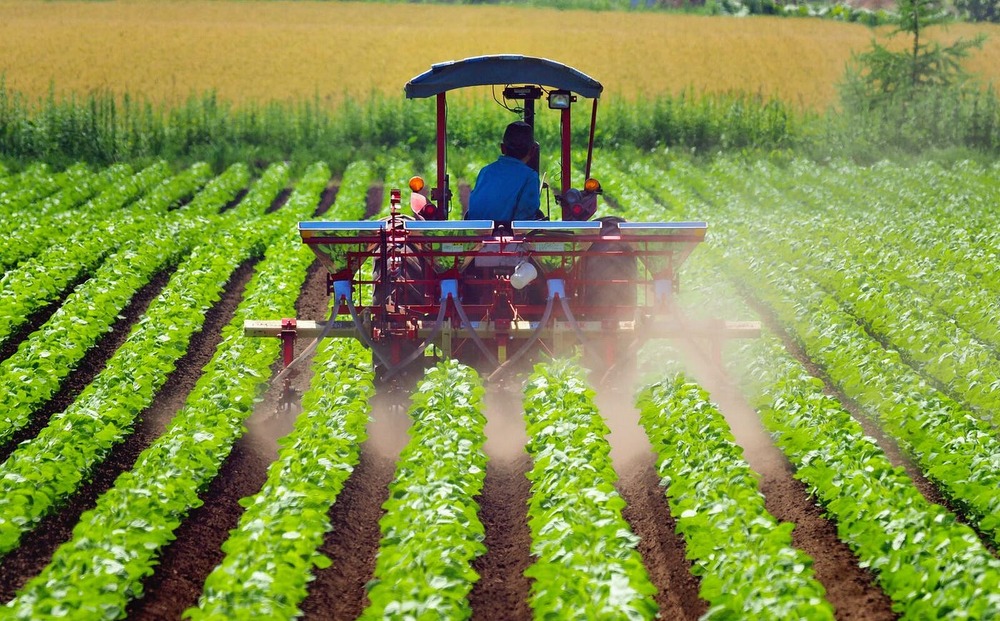
Participants call for fiscal adjustment, agricultural insurance, and policies aimed at the sector.
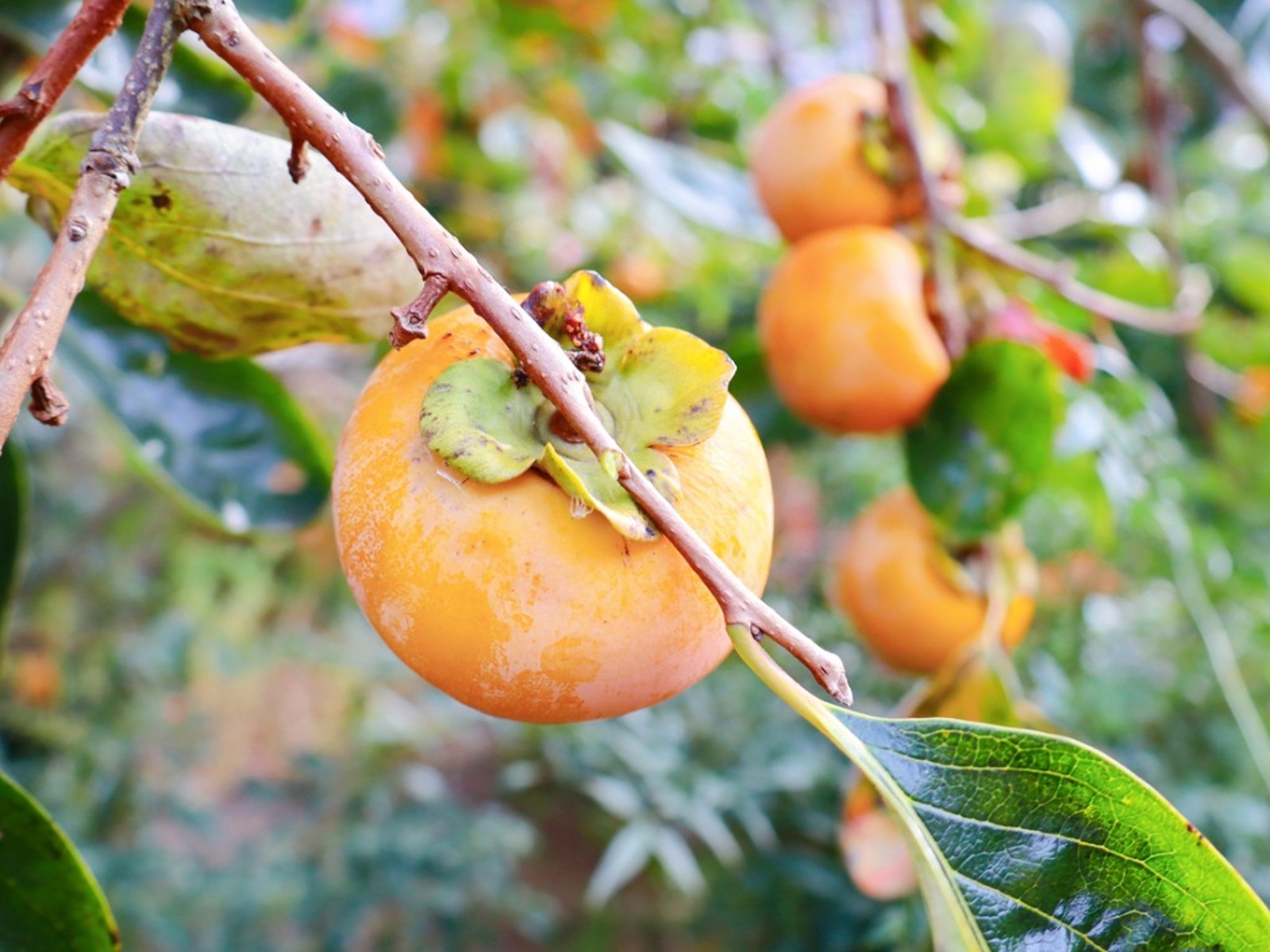
In the coming days, the supply of Spanish kakis could be compromised due to a shortage of CO₂ gas, a key component in the deastringency process that makes the fruit marketable.
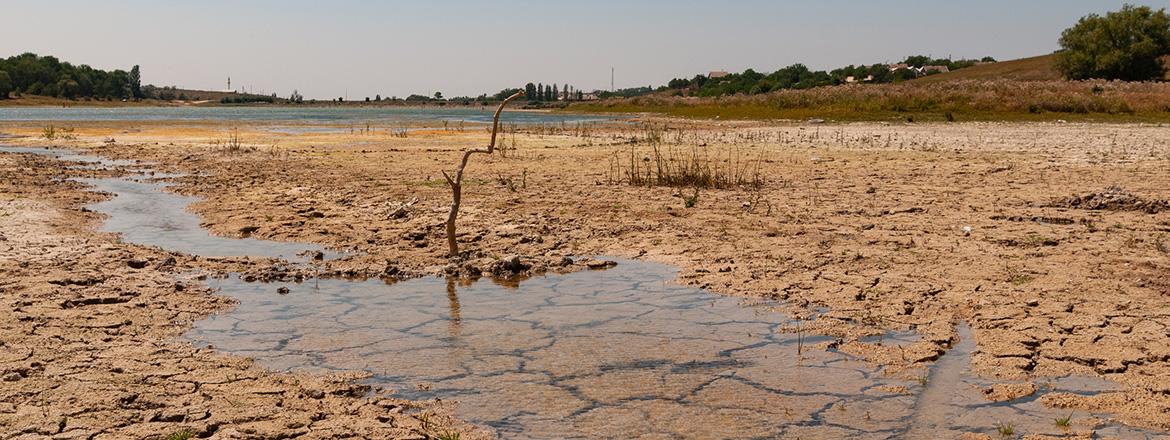
Pune’s crop insurance system is now facing a significant test after crop-cutting experiments recorded a 20-22% decline in soybean productivity and a 15% fall in maize production during a drought-affected kharif season.
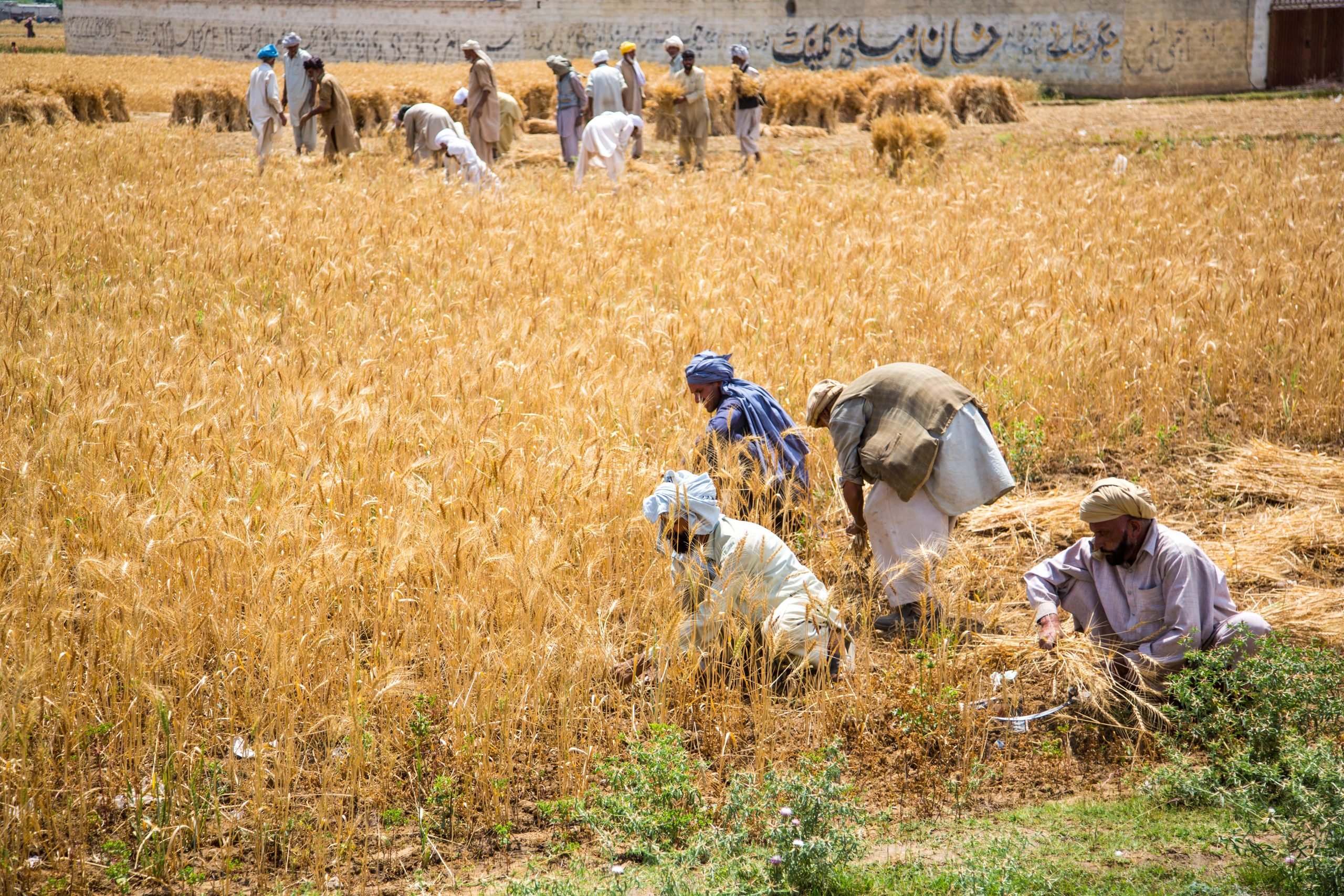
The State Bank-led initiative combines collateral-free loans, digitised land records, warehouse financing, crop insurance and risk-sharing measures to widen formal credit access for underserved farmers across the country.

A Mid Murray farmer faces a fight to bring in his best crop in years as harvest season gets underway.
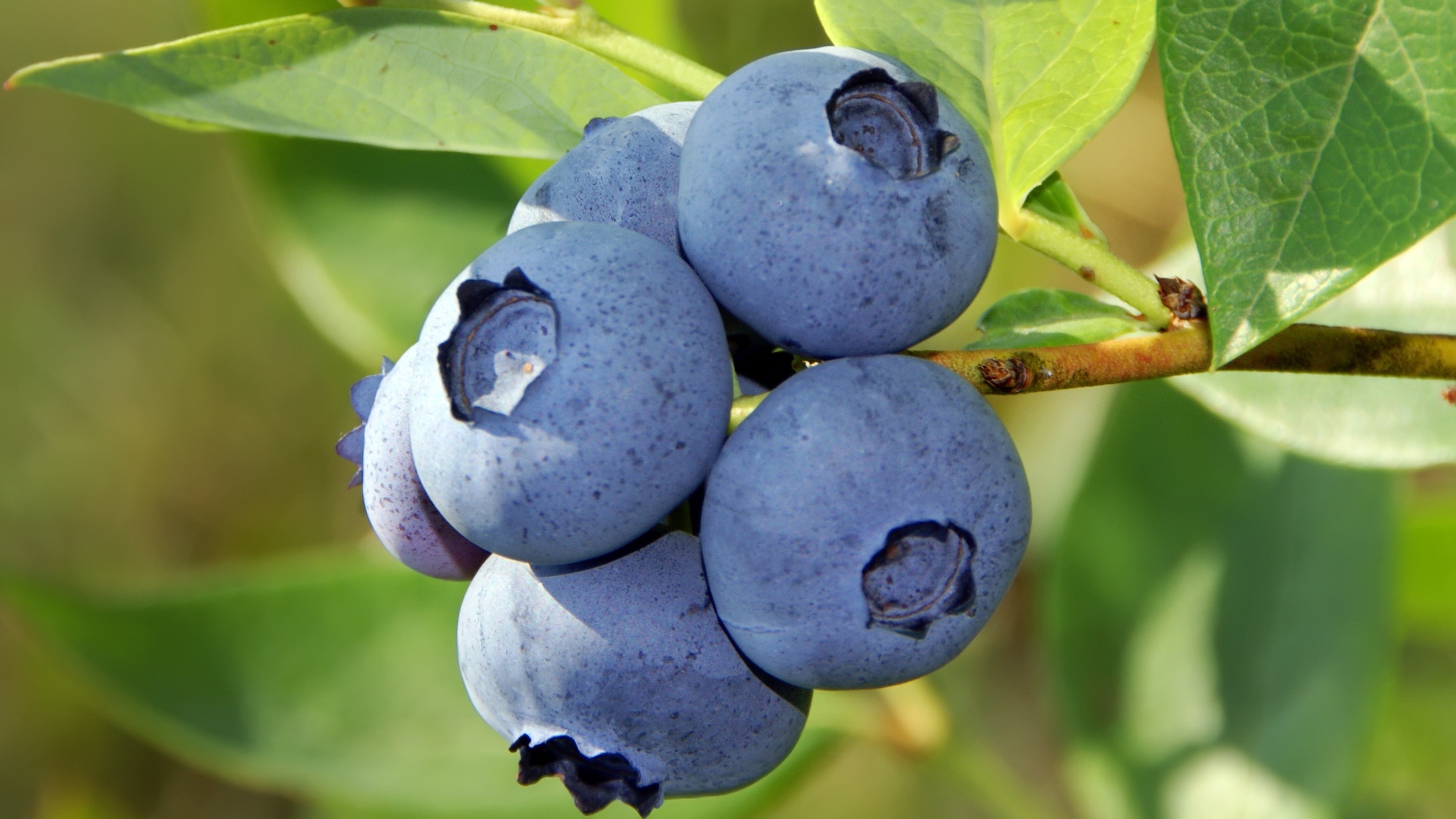
Blueberry growers in West Michigan are preparing for higher labor costs in 2027 as the minimum wage is set to increase to US$15 per hour.
American agriculture stands at a turning point. Increasingly severe weather and water risks are driving billions in losses — more than $20 billion in 2024 alone — increasing farmers’ financial exposure and an urgent need for more adaptive insurance solutions.
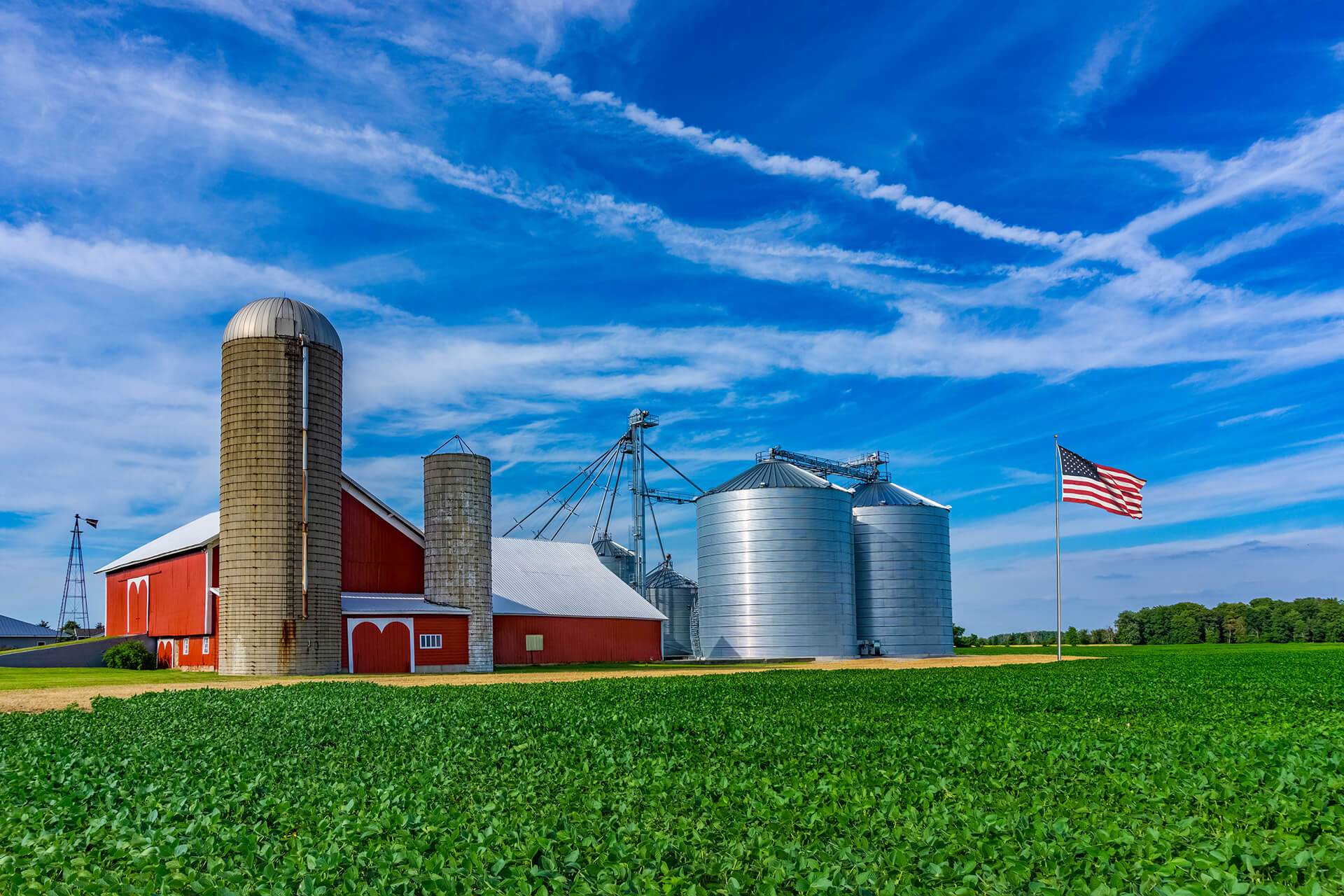
The Illinois Department of Agriculture (IDOA) is offering its insurance discount program for cover crops for the eighth year.
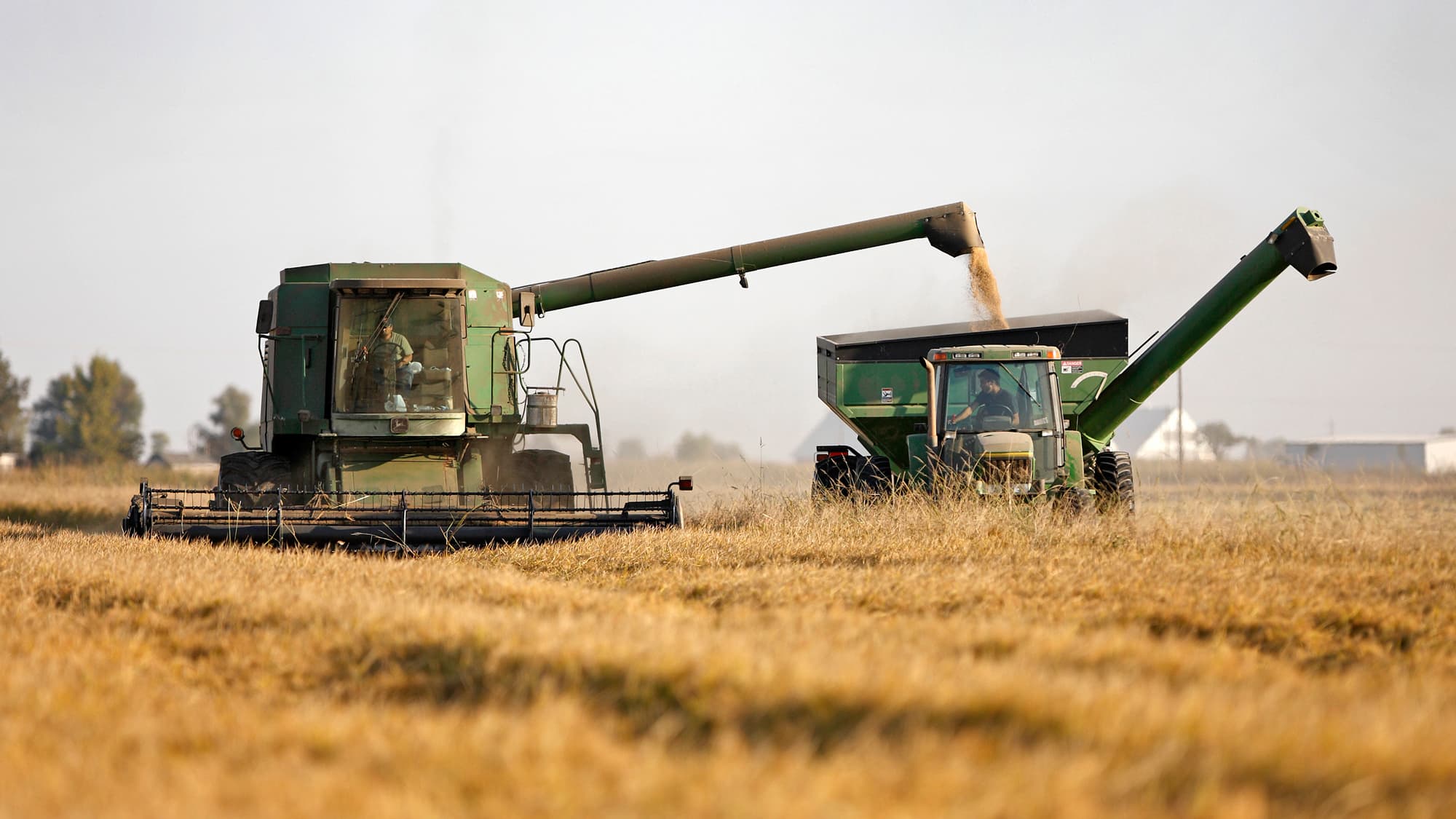
Prices remain below estimated break-even levels, underscoring the importance of crop insurance as farmers manage elevated production costs and tight margins heading into 2027.
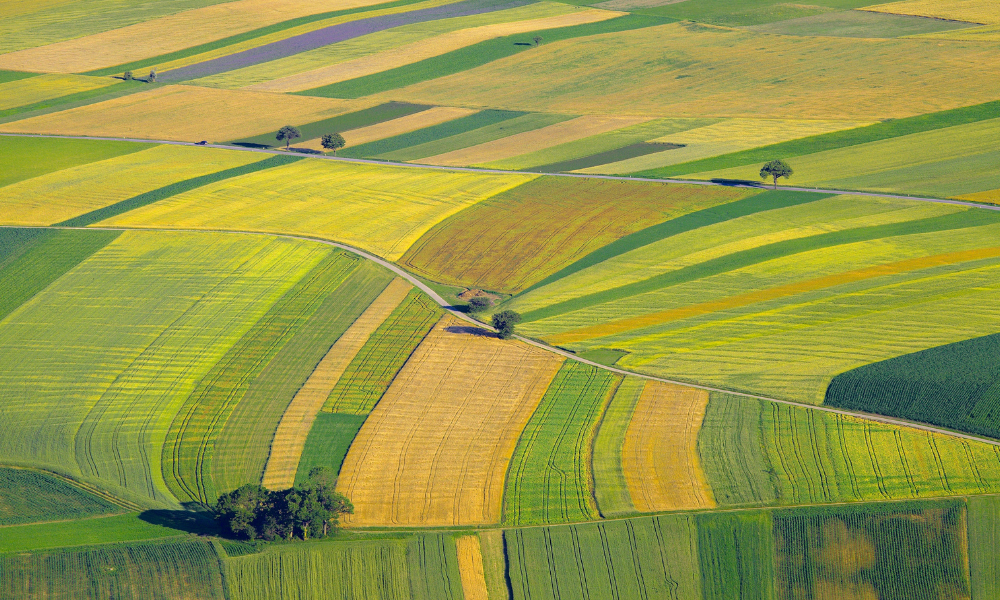
The project, titled “Bridging the Agricultural Risk Protection Gap to Scale Climate Smart Insurance,” is expected to benefit 300,000 farmers across 15 regions of Tanzania.
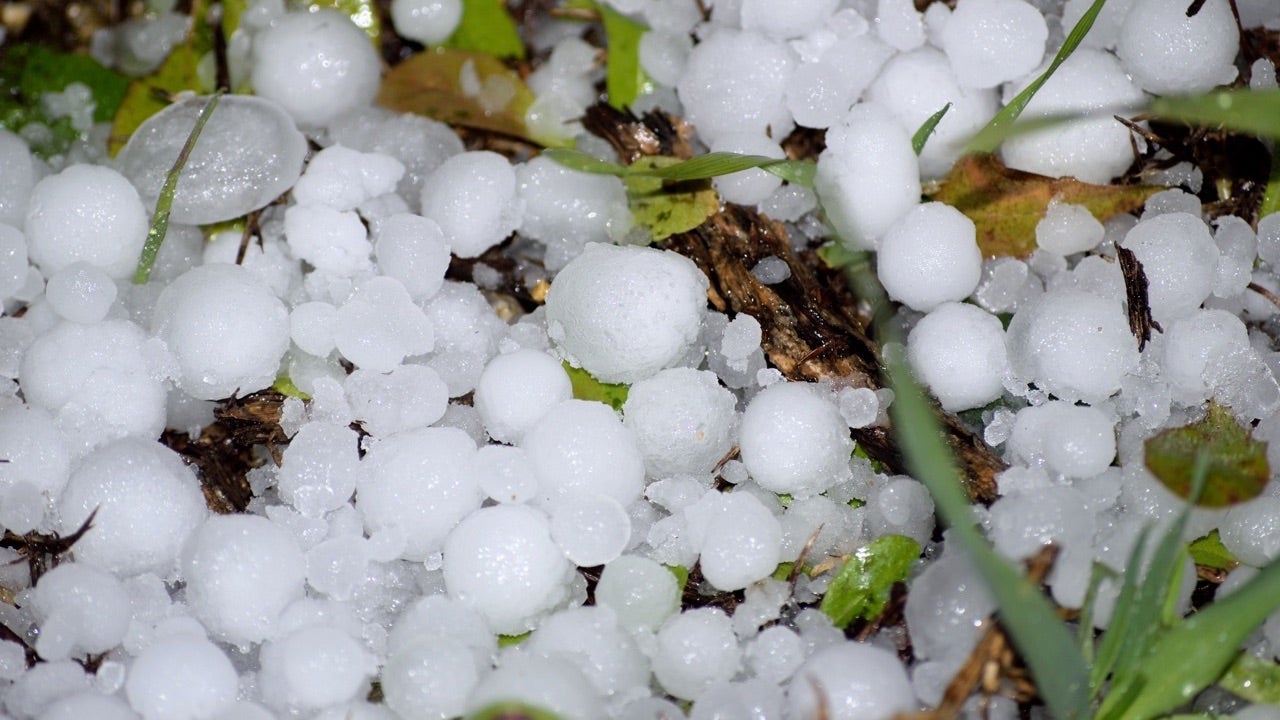
A hailstorm that smashed parts of Victoria's Mallee this week has devastated thousands of hectares of wheat, barley, lentils, canola and other cereal crops.



The ScaleAgData project is pleased to invite you to our second stakeholder event. Building on the discussions and connections formed during our first webinar, this event will focus on fostering collaboration among stakeholders, providing updates on our project’s progress, and outlining future opportunities for engagement.
SEE ALLWith the latest satellite technologies, insurers can automate and enhance their monitoring, claims, and underwriting processes like never before. Join us for this exclusive 45-minute live webinar, co-hosted by industry leaders from SwissRe, AXA Climate, GreenTriangle, and Planet, to discover:
2024 AgroInsurance International Conference will take place on June 3-5, 2024 in Belgrade, Serbia, at the Hyatt Regency Hotel. Planet Labs (USA) and GAF AG (Germany) are sponsors of our conference. Agremo (Serbia) has been confirmed as the Organization Partner. More partners and sponsors to be announced in March 2024.
AgroInsurance Team is excited to announce the new dates and venue of the 2024 Agroinsurance International Conference. The event will be held on June 3-5, 2024 in Belgrade, Serbia. ‘Early Bird’ registration is already open.

The first frosty nights of May have significantly worsened estimates of damage to Moldova's fruit sector from spring frosts. According to initial assessments by fruit market operators, between a quarter and a third of the country's total orchard area was seriously affected.
SEE ALLThe Australian horticultural sector faced challenges following Cyclone Alfred's impact in late February.
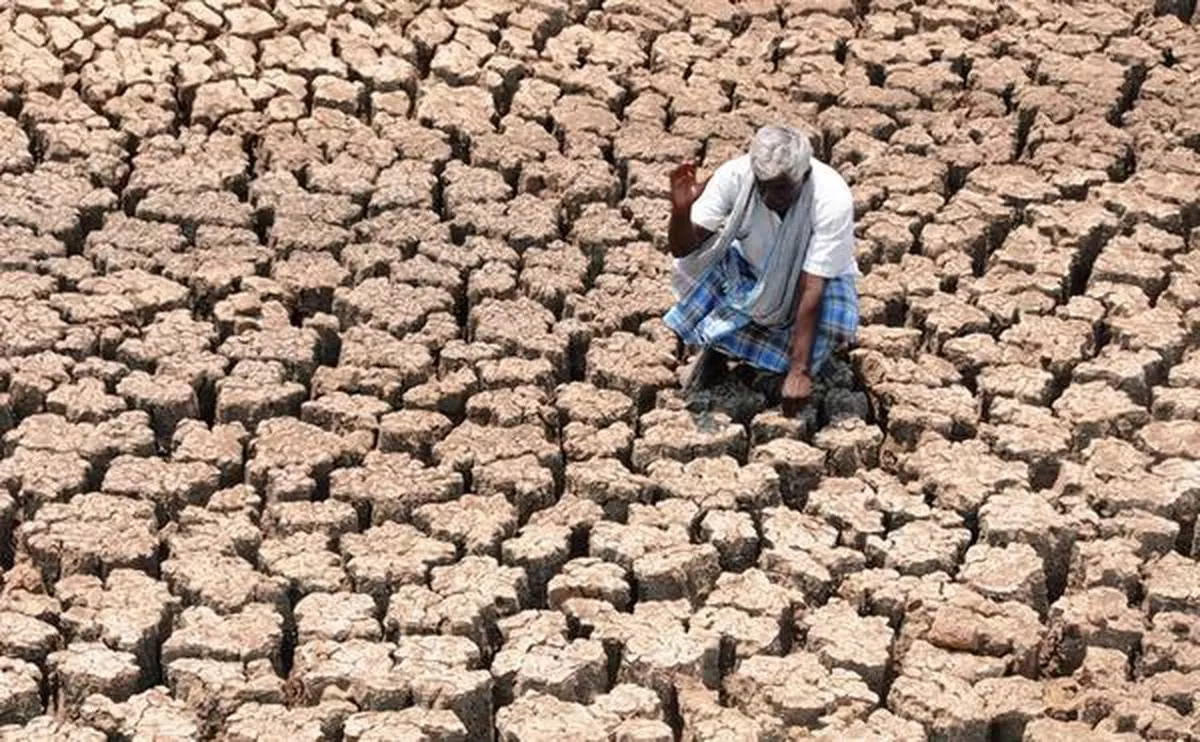
Agriculture in Austria is struggling with the effects of the severe drought in recent weeks and months. Due to the record number of hot days, the farmers are faced with arid fields. The damage to agriculture from the drought is estimated at 150 million euros.
Between the lack of rain and a severe frost event this week, South Australian farmers are feeling the pinch from the weather. Some farmers said they were not bothering to reap what they had sown, as their crops were in such a state that the cost of harvesting outweighed any possible return.


Agricultural production has historically been one of the high-risk sub-sectors of Uzbekistan’s national economy because the conditions and results of production and economic activity of agricultural enterprises are highly dependent on random, primarily weather-related factors. In this regard, the development of an agricultural insurance system as an element of sustainable agricultural production is relevant.
The frequency of hailstorms is generally low in small geographic areas. In other words, it may be very likely that hailstorm occurrences will vary between neighboring locations within a short period of time. Besides, a newly launched insurance scheme lacks the data. It is, therefore, difficult to sustain a sound insurance program under these circumstances, with premium rates based on meteorological data without a complimentary adjustment process.
Last year, Malta’s local vegetable produce dropped by 7% when compared to the previous year. The total vegetables produced in tonnes amounted to 58,178, down by 7% when compared to 2017. Their value too diminished as the total produce was valued at €30 million, down by 13% over the previous year. The most significant drop was in potatoes, down by 27% over the previous year. Tomatoes and onions were the only vegetables to have increased in volume, by 3% and 4% respectively but their value diminished by 9% and 24% respectively. The figures were published by the National Statistics Office on the event of World Food Day 2019, which will be celebrated on Wednesday. Cauliflower, cabbage and lettuce produce dropped by 10%, 3%, and 12% respectively. In the realm of local fruit, a drop of produce was registered here too apart from strawberries, which experienced a whopping increase of 58% over 2017. Total fruit produced in 2018 amounted to 13,057 tonnes, down by 1% when compared to 2017. The total produce was valued at €10 million, a 3% increase in value. Peaches produced were down by 35% and the 376 tonnes of peaches cultivated amounted to €0.5 million in value. Orange produce dropped by 10% and lemon produce dropped by 14%. There was no change in the amount of grapes produced and the 3,642 tonnes of grapes produced in 2018 were valued at €2.3 million. 70% of fruit and vegetables consumed in Malta is imported. The drop in local produce could be the result of deleterious or unsuitable weather patterns. Source - https://www.freshplaza.com
While Florida and California accounted for 76 percent of U.S. production of field-grown tomatoes in 2016, greenhouse production and use of other protected-culture technologies help extend the growing season and make production feasible in a wider variety of geographic locations. Some greenhouse production is clustered in traditional field-grown-tomato-producing States like California. However, high concentrations of greenhouses are also located in Nebraska, Minnesota, New York, and other States that are not traditional market leaders. Among the benefits that greenhouse tomato producers can realize are greater market access both in the off-season and in northern retail produce markets, better product consistency, and improved yields. These benefits make greenhouse tomato production an increasingly attractive alternative to field production despite higher production costs. In addition to domestic production, a significant share of U.S. consumption of greenhouse tomatoes is satisfied by imports. In 2004, U.S., Mexican, and Canadian growers each contributed about 300 million pounds of greenhouse tomatoes annually to the U.S. fresh tomato market. Since then, Mexico’s share of the greenhouse tomato market has grown sharply, accounting for almost 84 percent (1.8 billion pounds) of the greenhouse volume coming into the U.S. market. Source - https://www.freshplaza.com
