Australia - Farmers report major crop losses after damaging frost hits SA
South Australian farmers are still unsure how hard they will be hit by frost event last Monday with some already reporting an 80 per cent loss in yield.


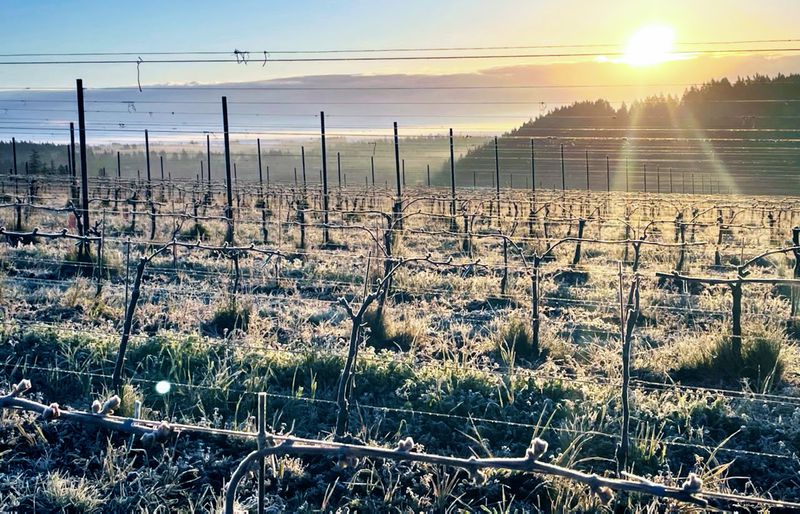
South Australian farmers are still unsure how hard they will be hit by frost event last Monday with some already reporting an 80 per cent loss in yield.

The preliminary report states that Debby damaged more than two million acres of agricultural land and caused an estimated value between 94 and 263 million dollars in production losses. Farmers in north central Florida are still rebuilding and recovering.
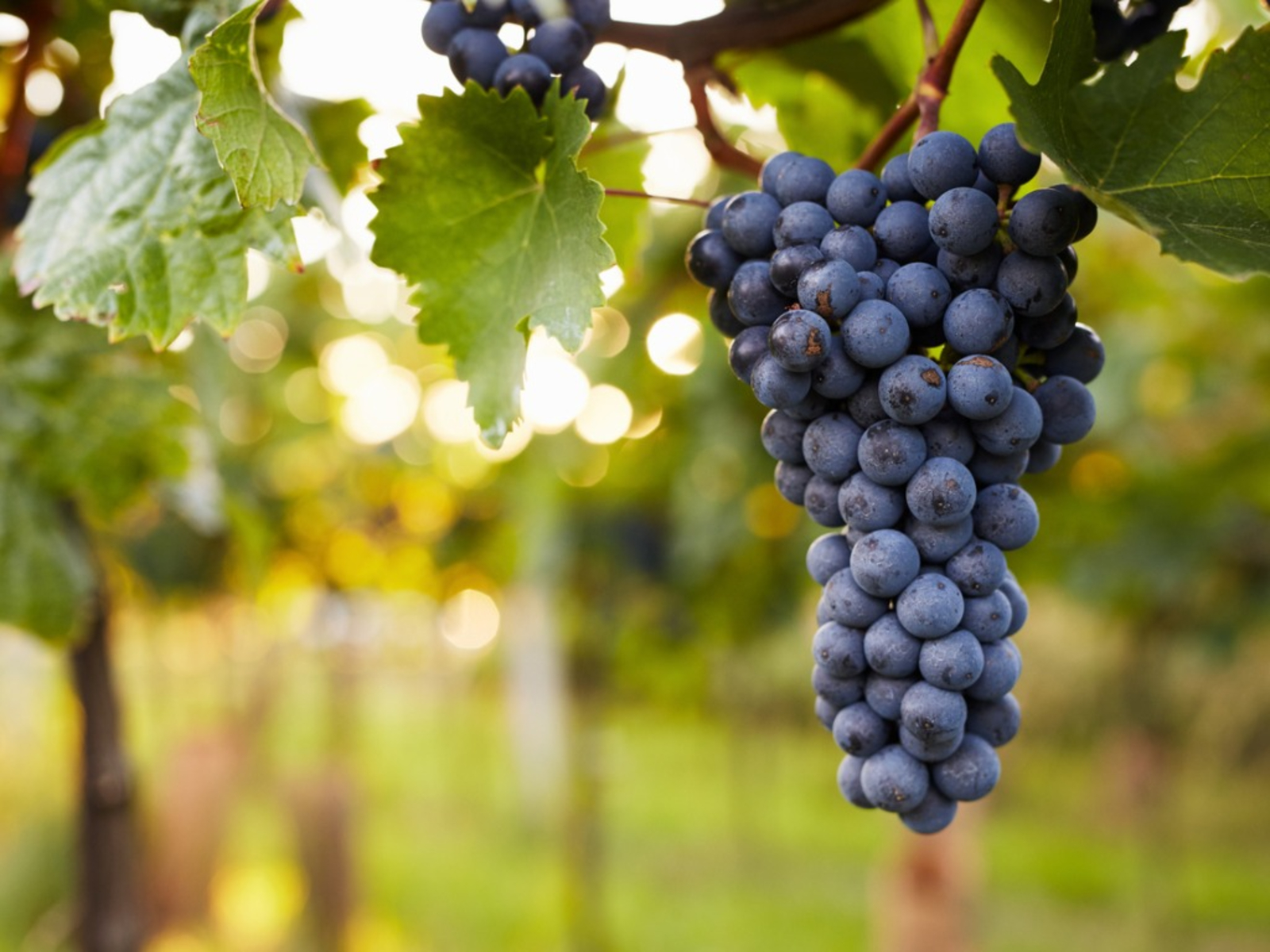
Grape growers are battling to avoid major crop losses after severe frosts swept across southern parts of Australia in recent days. Overnighttemperatures have dipped below zeroand the string of cold nights has causedextensive crop damage in some of South Australia's wine regions, including the Barossa and Clare Valleys and the Riverland.

Cocoa farmers, who enjoyed excellent income last year due to record market prices, are facing a shock this year as excessive monsoon rains have caused the cocoa crop to dry up.
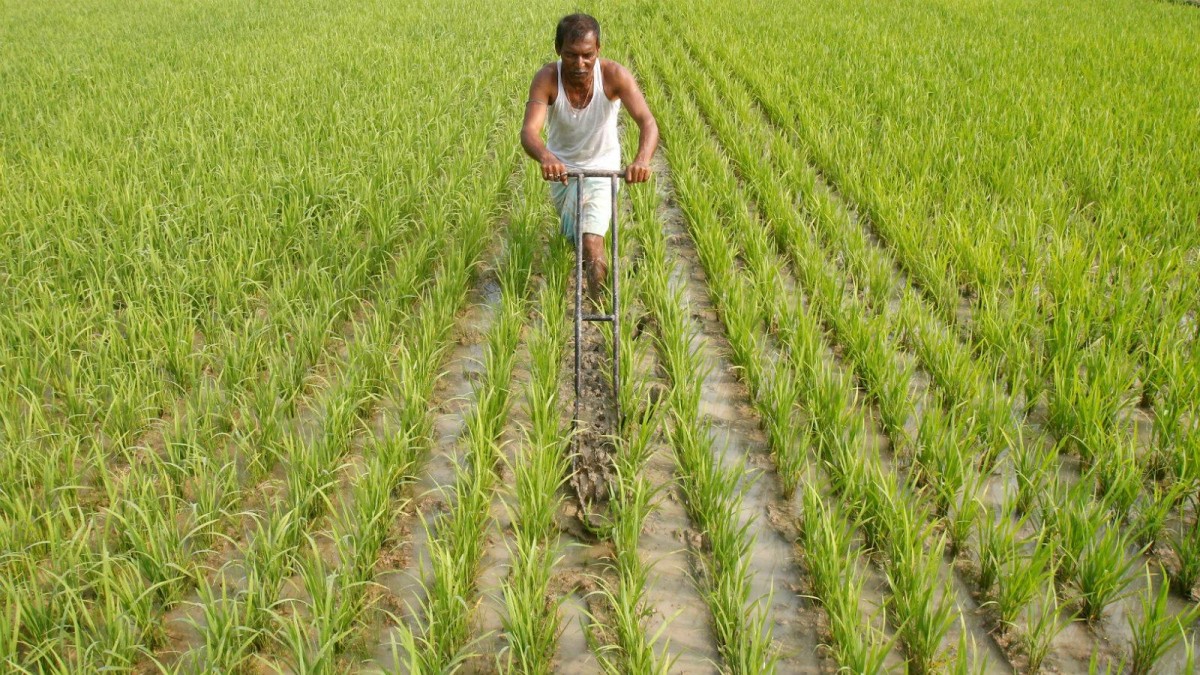
Timely withdrawal of monsoon is critical now, as harvesting begins in October. Crop loss in Andhra Pradesh and Telangana could be higher due to surplus rains
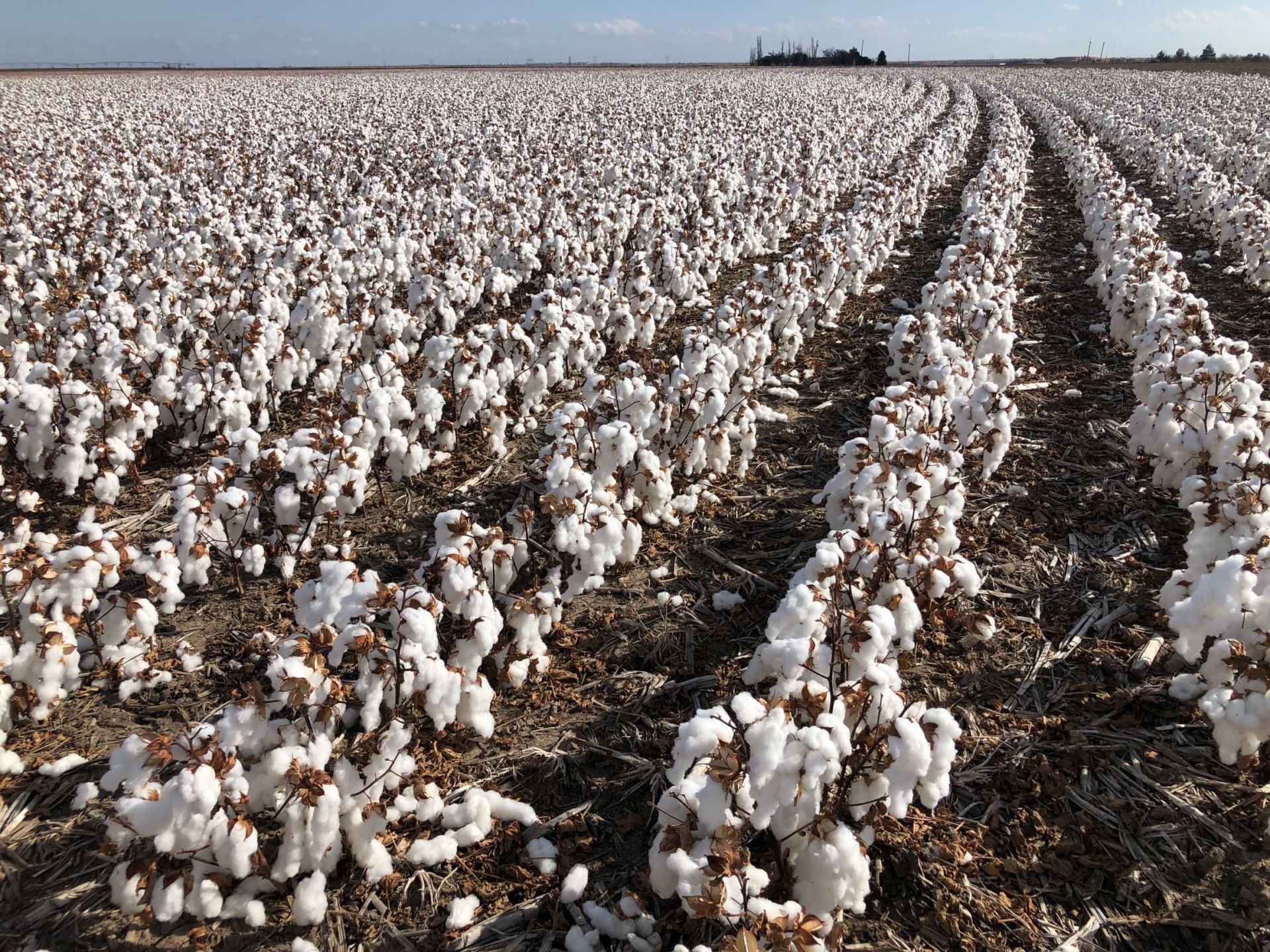
Cotton farmers in the city of al-Hasakah in northeastern Syria fear that the pricing for their crop will not cover the costs they have incurred after investing significant effort and time, as the cotton picking season has begun in some fields in mid-September.

Despite a 2-4% crop loss from floods and heavy rains in India, overall production is projected to rise. Andhra Pradesh and Telangana, however, face significant damage, prompting the Union government to send assessment teams to evaluate impacts on local farmers.
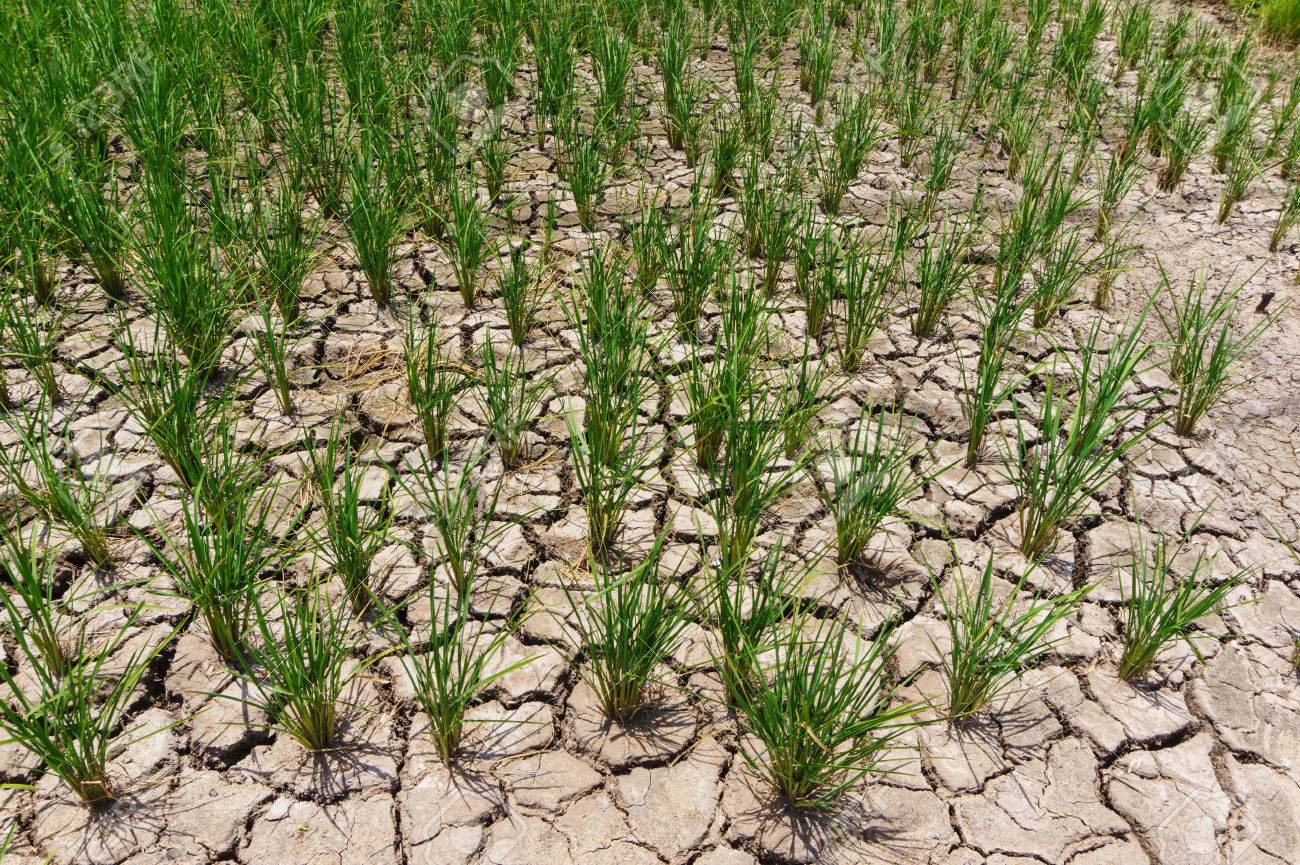
Still struggling after an intense heatwave, some farmers fear losses of up to 90% of all of their crops. Romania is suffering from the effects of one of the worst heatwaves in the country’s history.
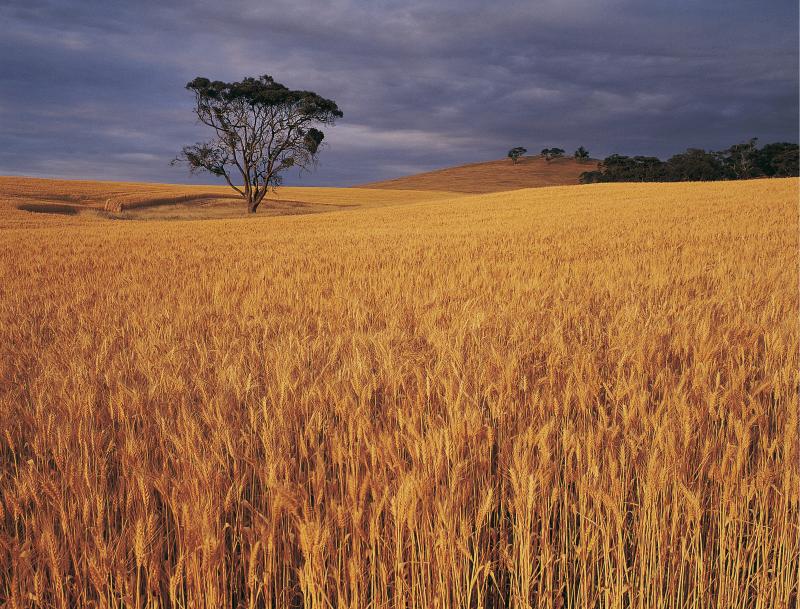
For nearly 100 years, the history of thefarm billlargely tracks the history of food production in the United States as the legislation has evolved to meet the needs of farmers and consumers alike. Agriculture’s role in providing food security, and in turn national security, to the United States is more important than ever. And now, work on the next farm bill continues during a period of volatility on every front – political, economic, environmental and beyond.
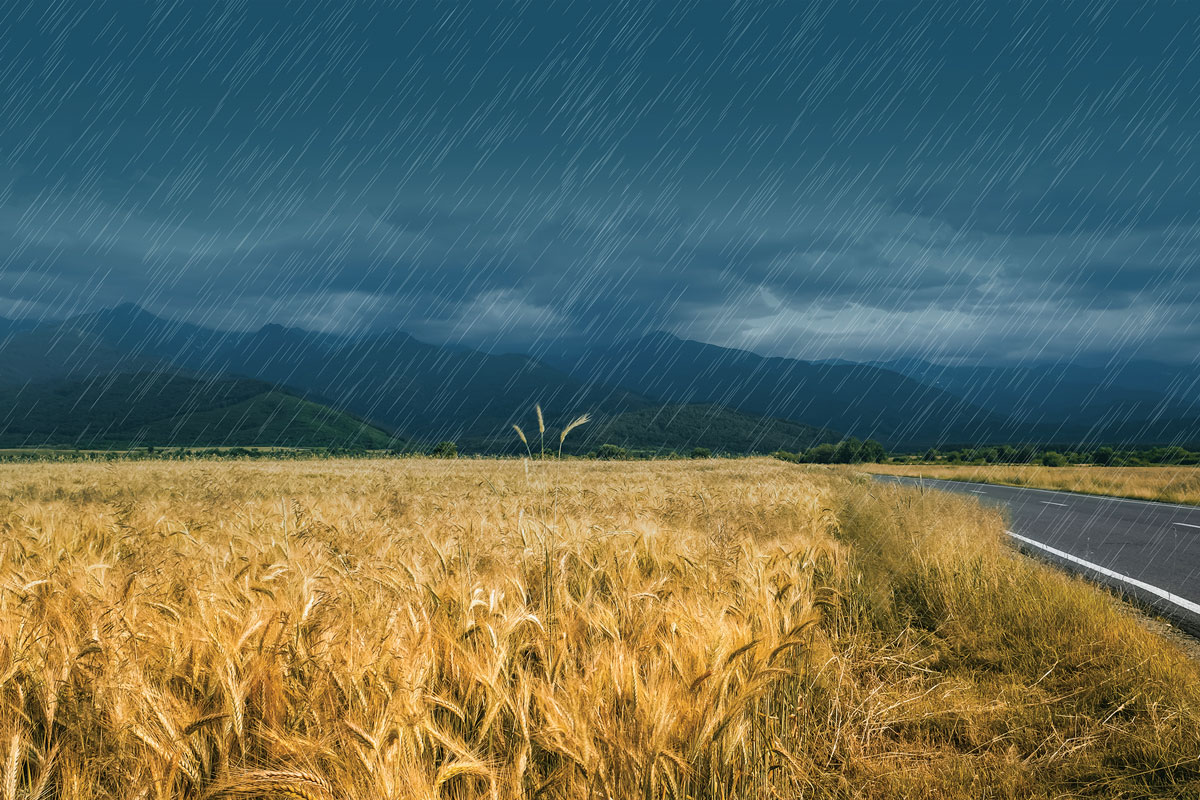
A recent High Court judgment highlights the vital role of crop insurance and the importance of clear policy terms and precise documentation of verbal agreements, to avoid disputes. The domestic agriculture sector is more exposed to the systemic risk of climate change than any other sector.

A combination of factors, including a dry winter and an early budburst, have put grape growers under frost pressure earlier than usual. Frost in South Australia's Barossa, Clare and Riverland regions has had a severe impact.
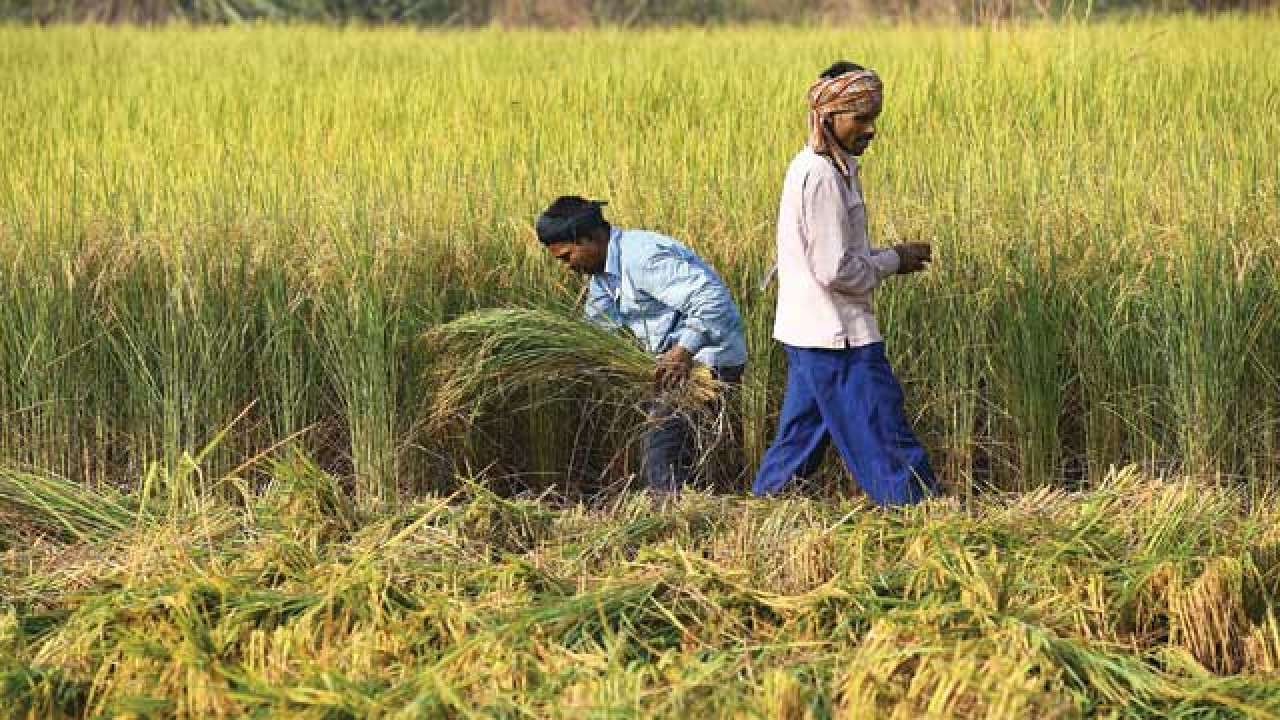
In FY24, general insurance companies in India have reduced their exposure to crop insurance under the Pradhan Mantri Fasal Bima Yojana (PMFBY), even as the government pushed to increase coverage in the agricultural sector.
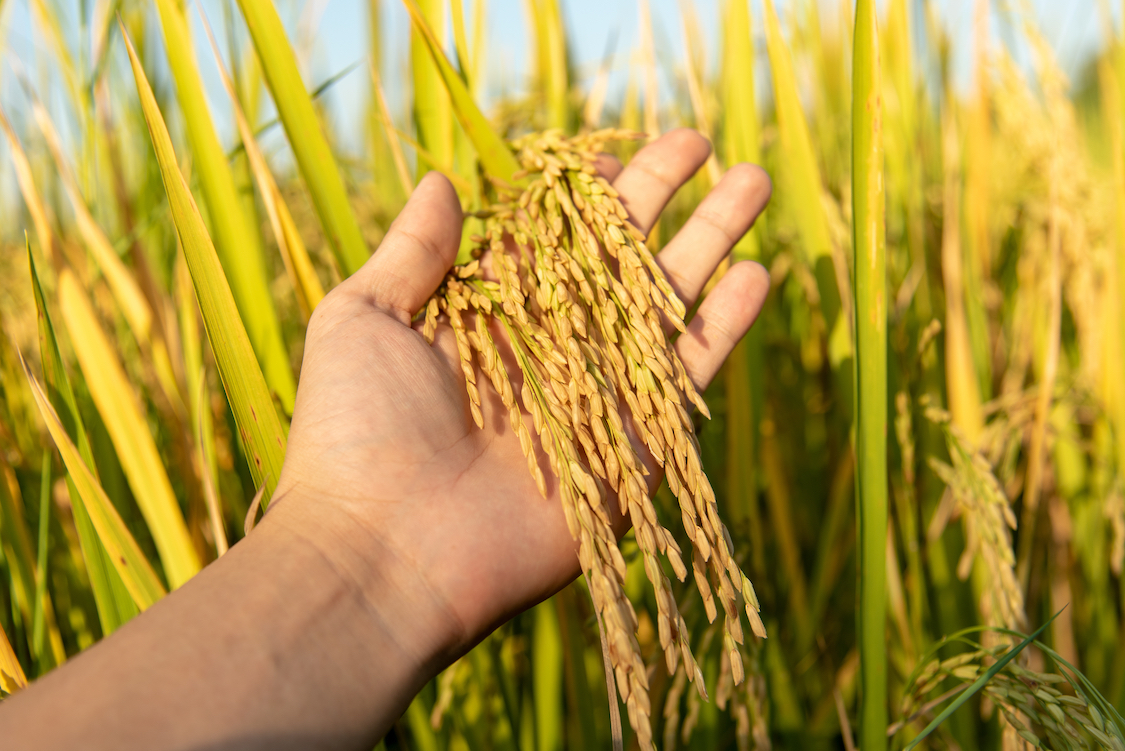
Philippine Agriculture Secretary Francisco P. Tiu Laurel Jr. has urged the Philippine Crop Insurance Corp. (PCIC) to modernise its operations and develop more affordable insurance products for farmers, fisherfolk, and livestock raisers.
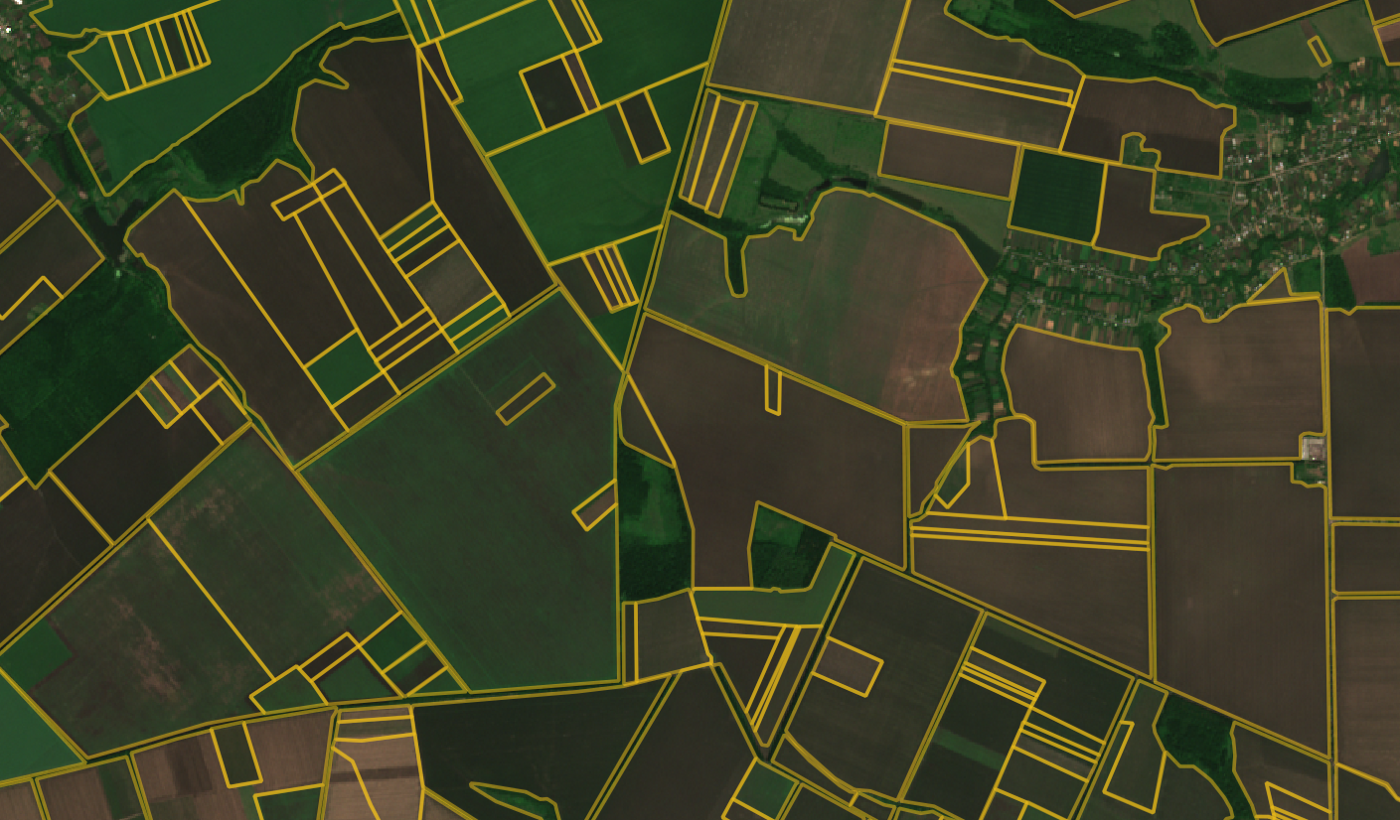
Crop insurance is a crucial element in the agricultural framework of the United States, designed to safeguard farmers against the unpredictability of weather and market fluctuations. As the impacts of climate change intensify, the traditional model of crop insurance faces scrutiny.
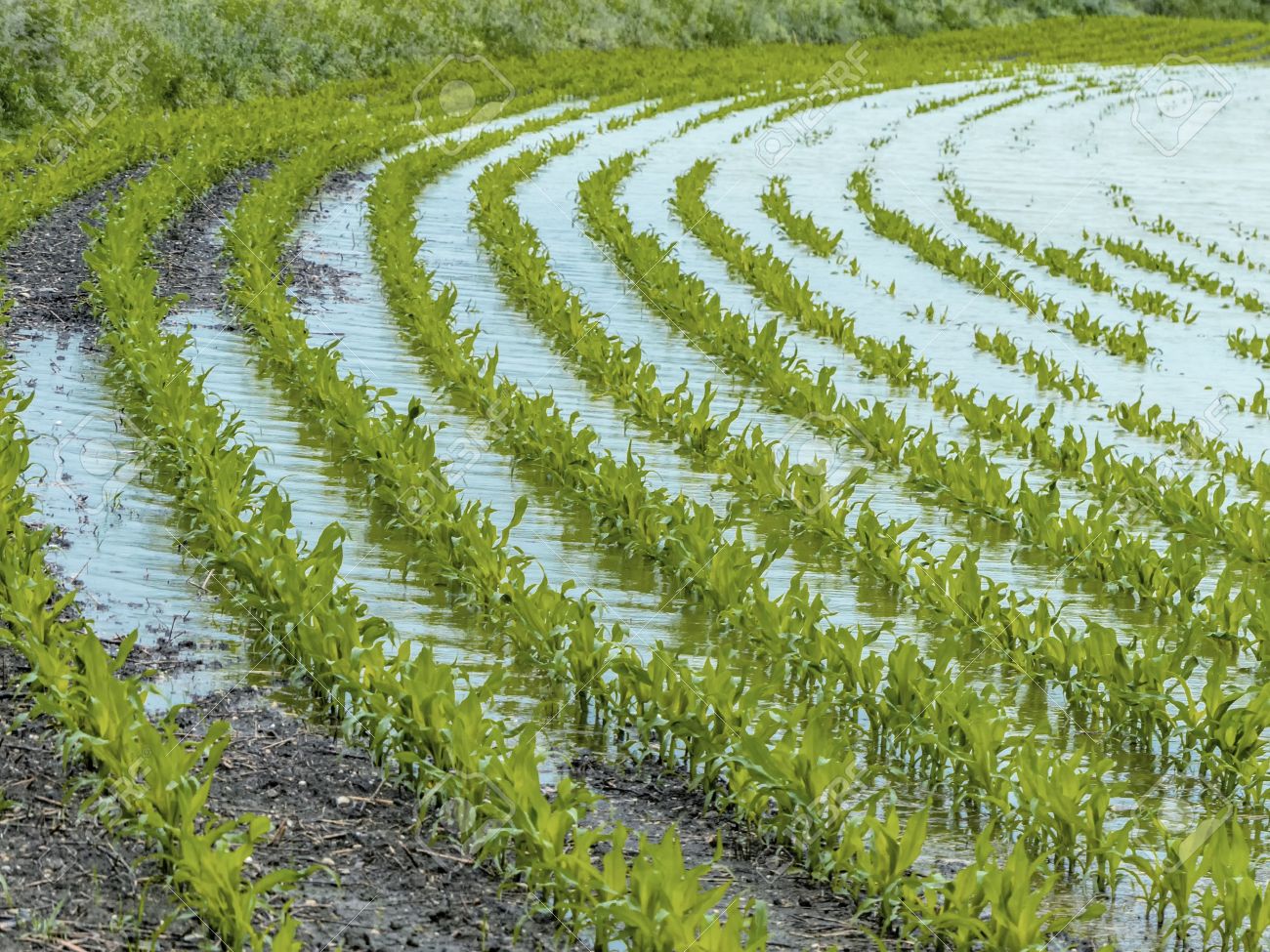
Farmers rise with the sun, tend to their fields, and hope for the best. But Mother Nature can be fickle, and when a disaster swoops in, it doesn't just disrupt the day — it can wipe out a year's worth of work. Agricultural insurance paid out 112.4 billion yuan last year, marking a 25.4 percent increase year-on-year.
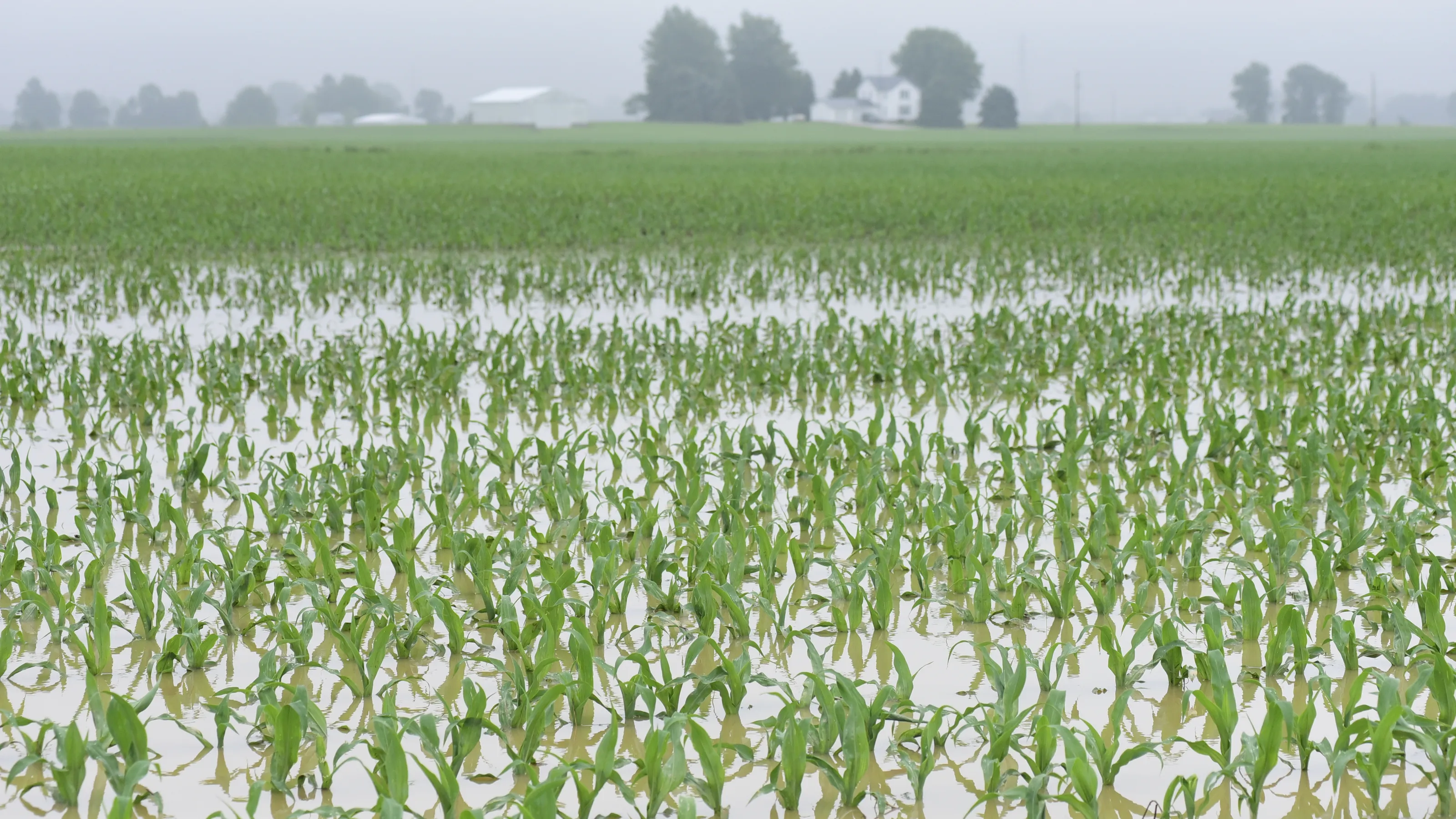
More than 250,000 hectares of crops, including rice, vegetables and fruit trees, have been destroyed across typhoon-hit northern Vietnam.Some of the steepest losses in the north of Hanoi are among farmers growing peach blossom—which can fetch up to $400 per tree ahead of Tet, Vietnam's lunar new year celebration