

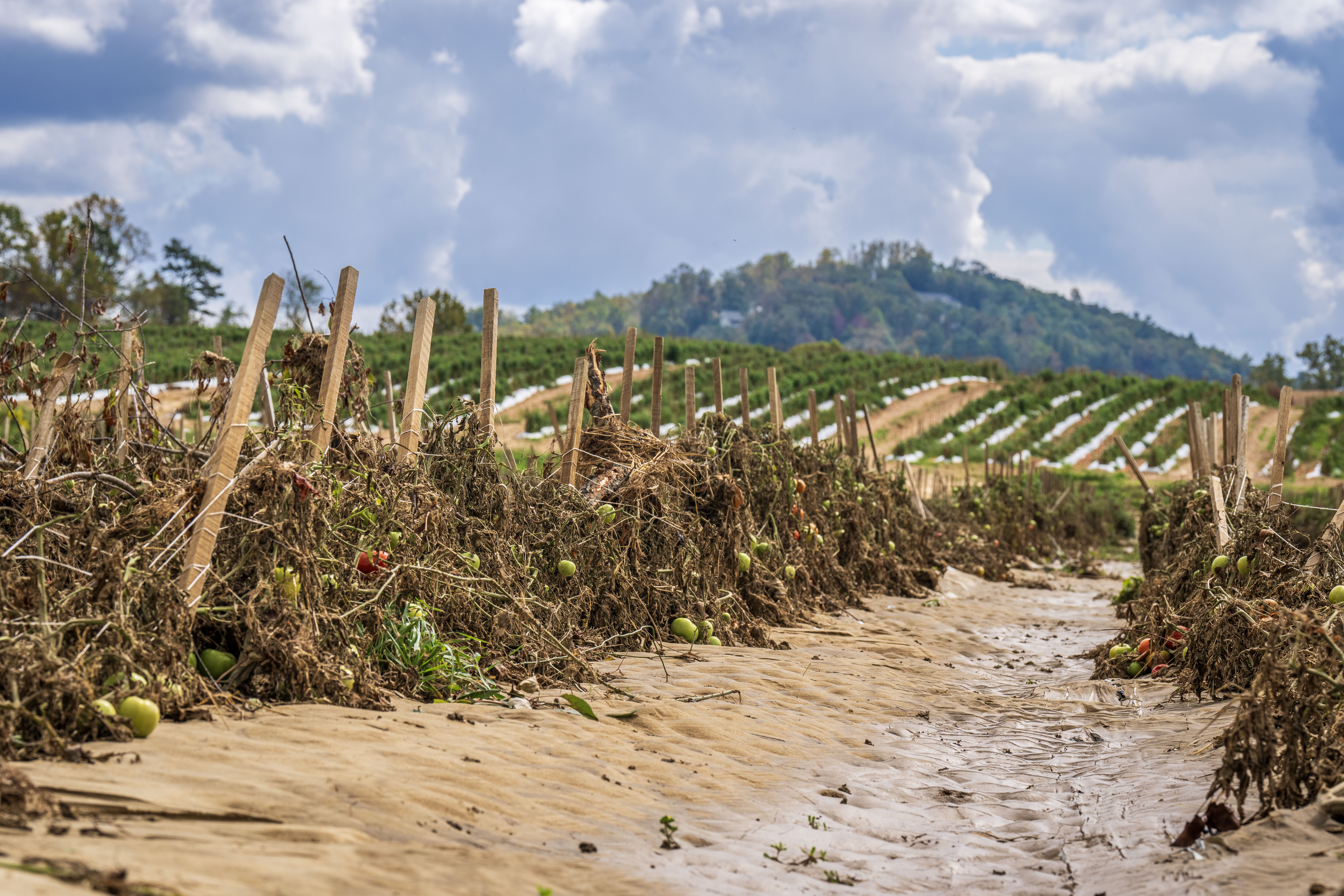
India - Goa paddy crop hit by rainfall deficit, around 20 hectares affected
Goa’s paddy crop has been affected by deficient monsoon rainfall, with preliminary reports estimating damage to around 20 hectares of cultivated fields across the state.


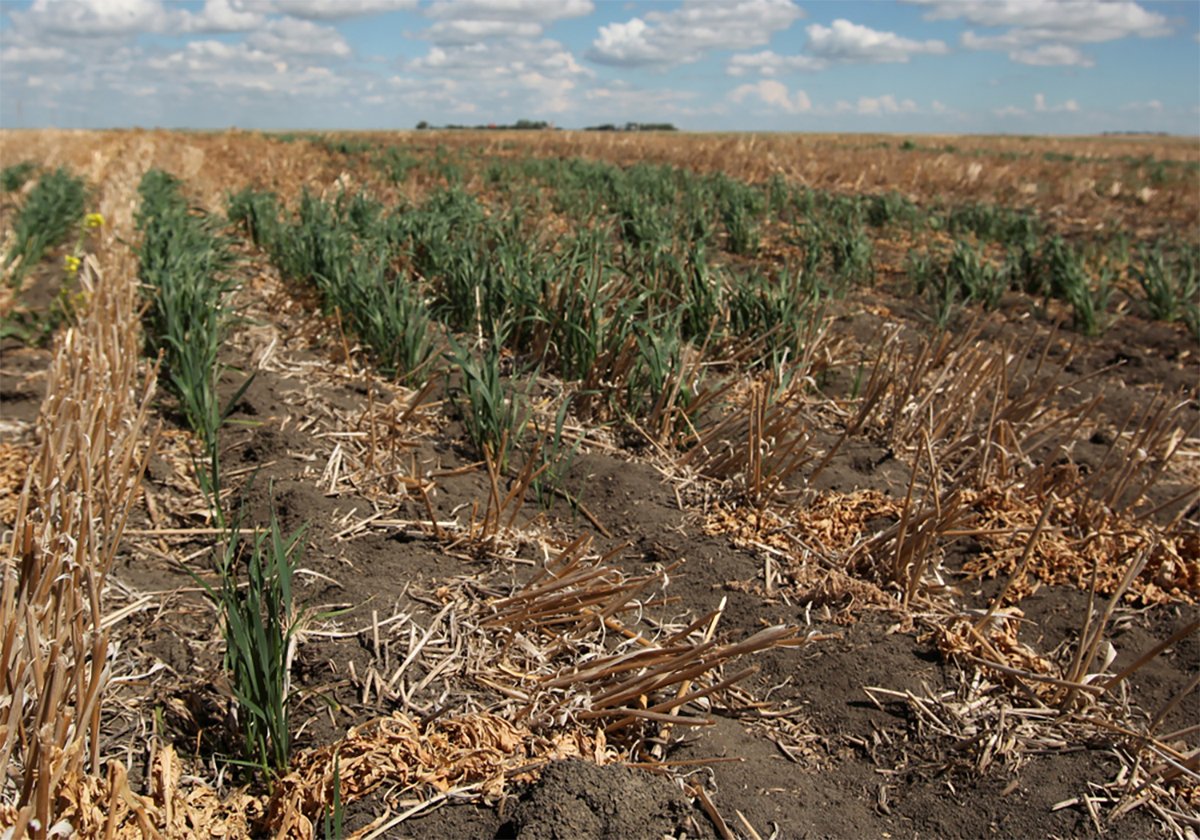
Goa’s paddy crop has been affected by deficient monsoon rainfall, with preliminary reports estimating damage to around 20 hectares of cultivated fields across the state.

Agriculture leaders say delay could worsen already difficult year.
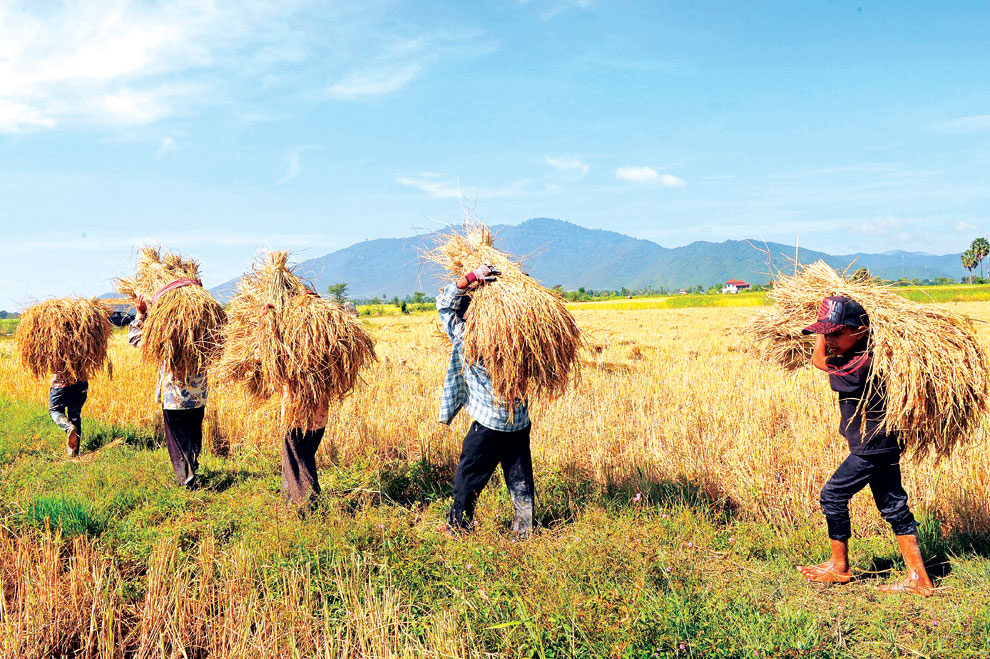
The Ministry of Agriculture, Forestry and Fisheries (MAFF) is evaluating a disaster-related insurance scheme for modern agricultural cooperatives. Coupled with solar-powered irrigation initiatives, the move aims to strengthen climate resilience and guarantee long-term agricultural production.
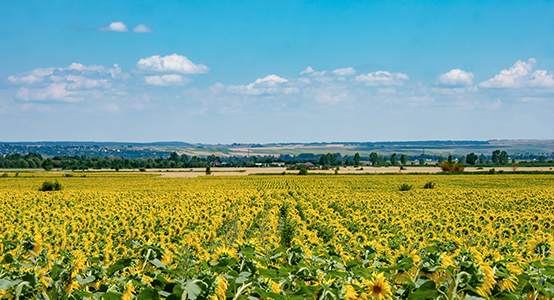
Moldovan agricultural producers submitted 185 applications totaling roughly €0.98 million (approx. 19.64 million MDL) to subsidize insurance premiums for 2025 contracts, the country's farm payment agency announced following the close of its September call.

USDA has added more than 30 million base acres to ARC and PLC and expanded crop insurance options and regenerative agriculture funding.
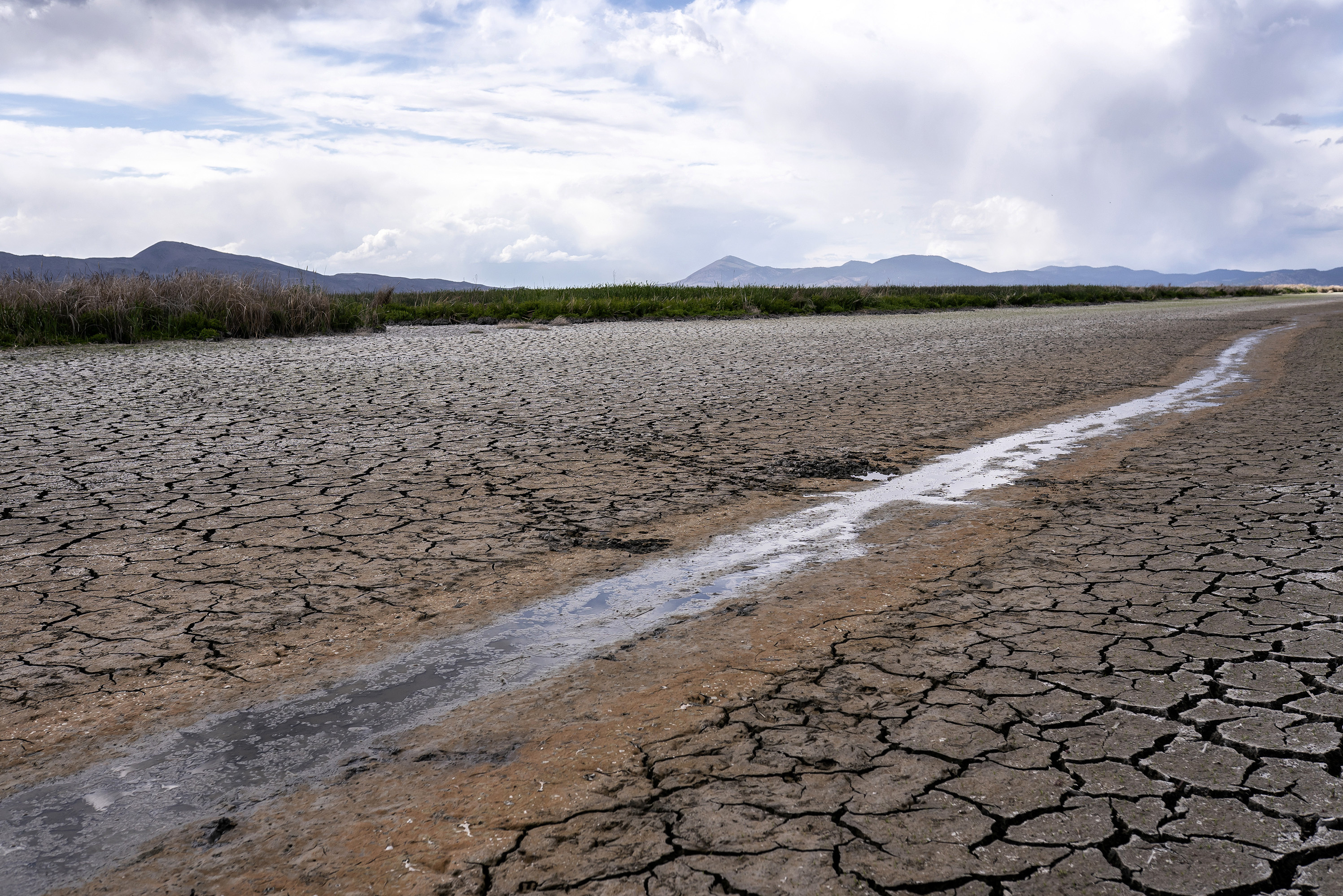
More than 201,000 farmers and fisherfolk nationwide sustained losses reaching P5.56 billion after prolonged dry conditions damaged crops across several parts of the country, the Office of Civil Defense (OCD) reported on Monday, Oct. 5.
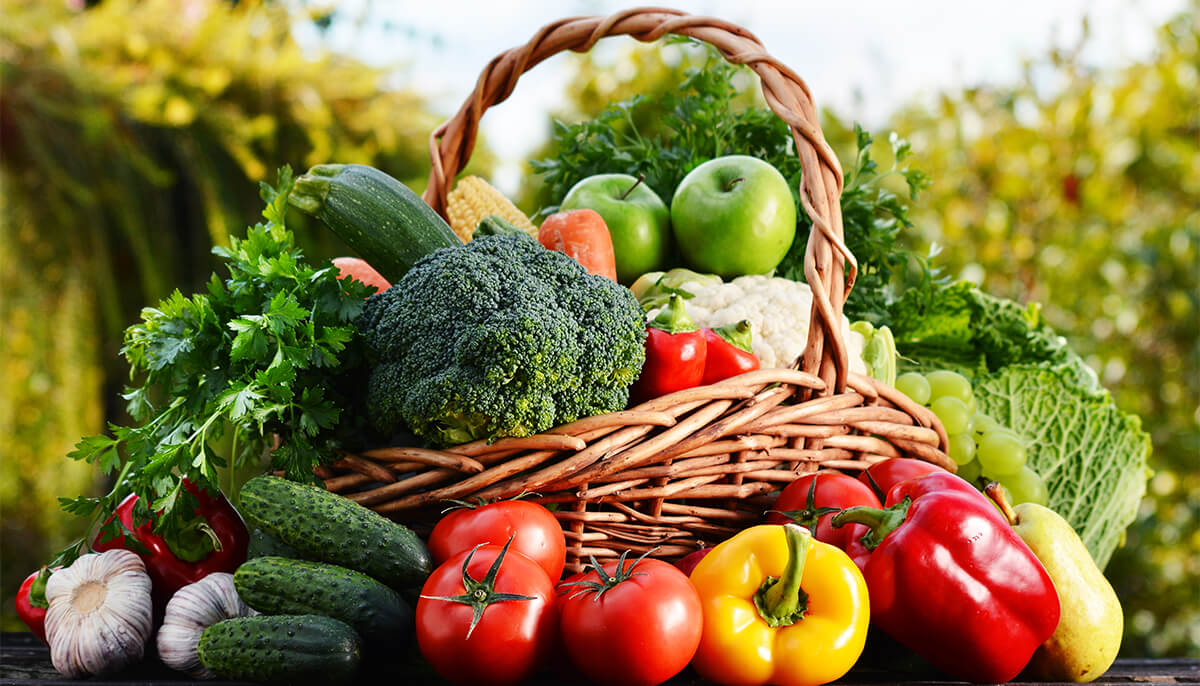
Vegetable prices in Mumbai have risen sharply after Ganeshotsav and with the onset of Pitrupaksha, as erratic monsoon conditions, crop damage and lower arrivals tightened supplies, said traders.
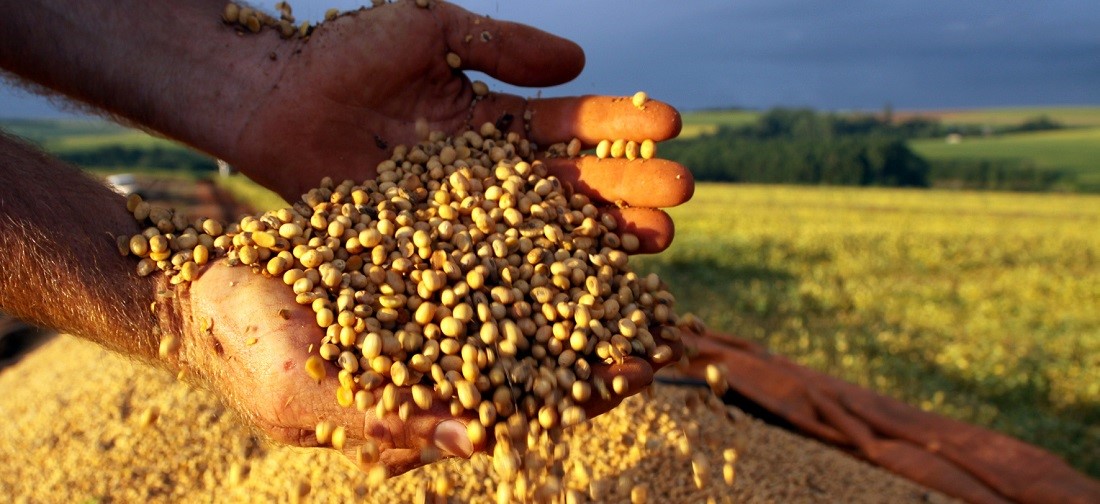
Indias soybean prices recovered sharply w-o-w on 30 September 2026 despite a rapid increase in new-crop arrivals, as concerns over crop damage and lower production estimates have offset pressure from increased supplies.
Every year, Nigerian farmers face a quiet tragedy that unfolds long after seeds are sown and crops are nurtured. Beneath the scorching sun, vast fields produce abundance, only for a staggering percentage of this yield to rot in transit, spoil in sub-optimal storage, or decay due to lack of immediate processing infrastructure.

The Government is considering introducing an insurance scheme or suitable compensation mechanism for damage to coconut cultivation, Minister of Plantations and Community Infrastructure Samantha Vidyaratne has said.
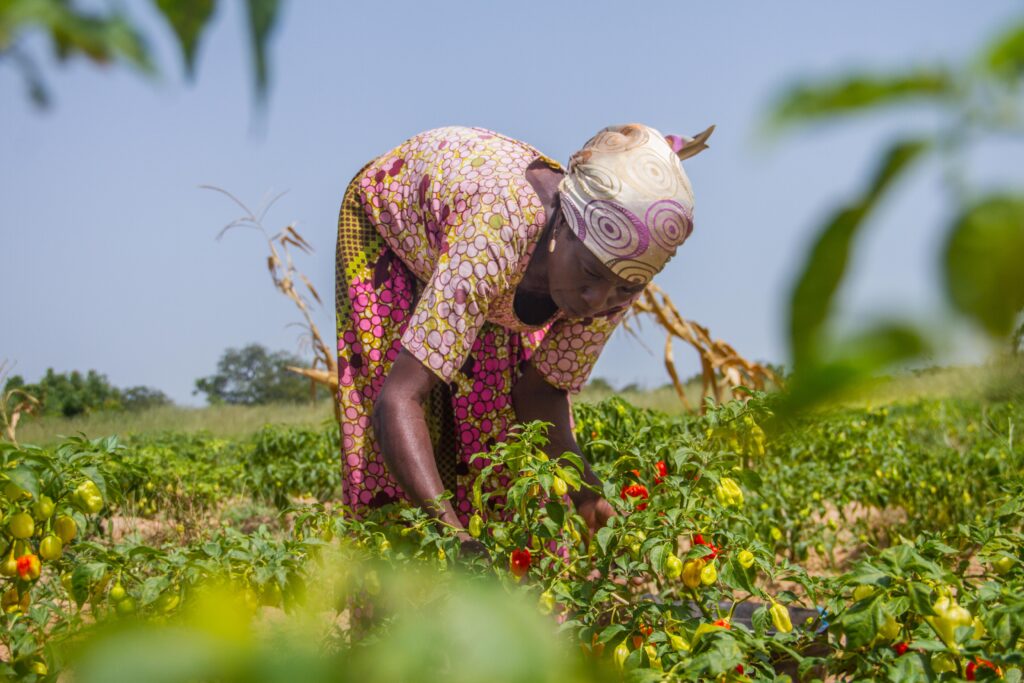
The Ghana Agricultural Insurance Pool (GAIP) and its partners have rolled out a unique insurance product for farmers in the northern part of the country to help them mitigate the negative impacts of climate change.
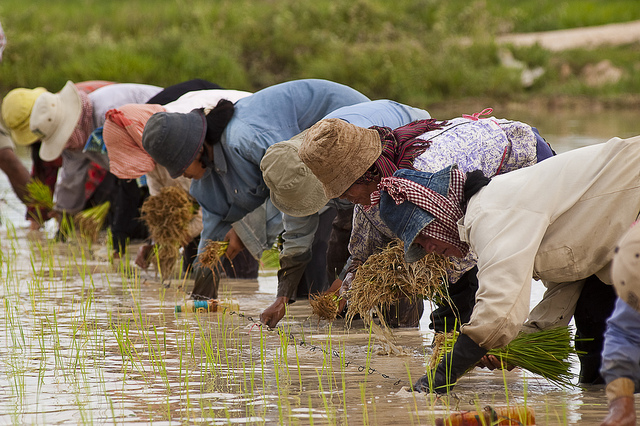
Droughts, floods and rising temperatures are putting Cambodia’s farmers under growing financial pressure, prompting the Ministry of Agriculture to consider crop insurance as a way to protect farmers from losses.

For farmers in Uttar Pradesh’s Terai, one elephant raid can undo months of work. So instead of relying only on fences, some are trying a simple shift: growing turmeric, a crop elephants tend to leave alone.
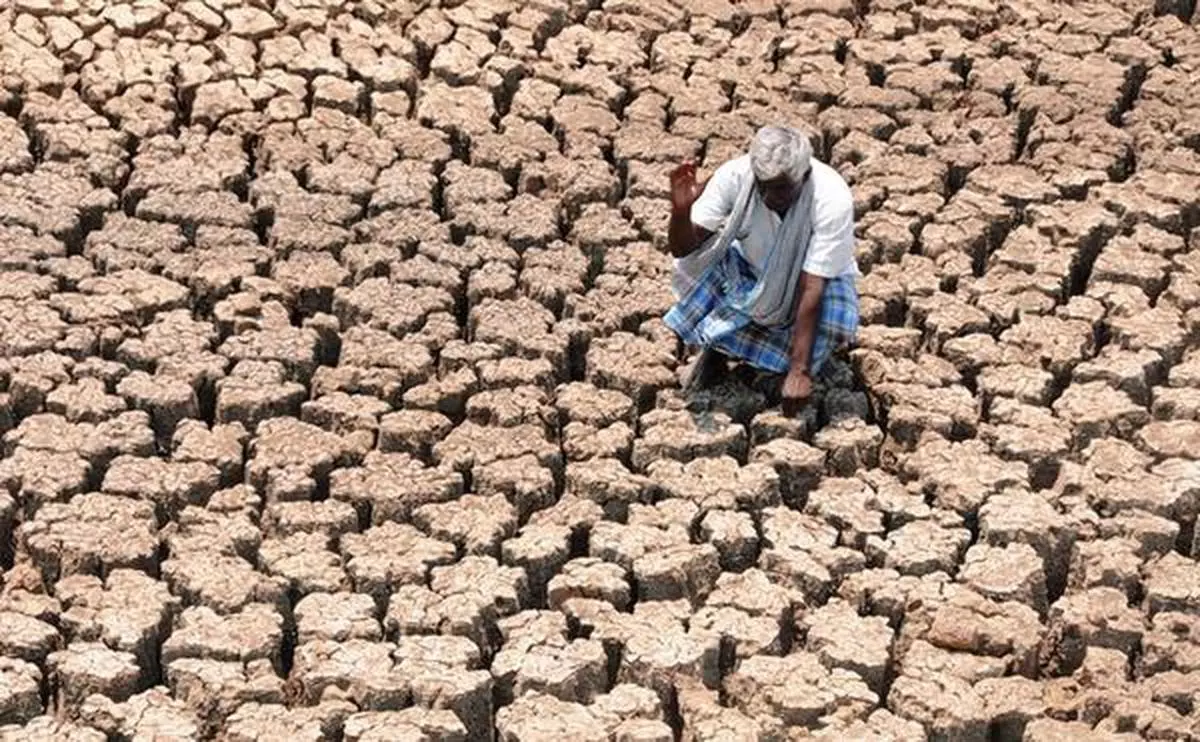
Crop losses due to the drought is pegged at around ₹46,000 crore. The Karnataka government has sought ₹7,142.64 crore in drought relief from the Centre under National Disaster Response Fund norms.

Togo’s PAJEC entrepreneurship program plans to launch a pilot agricultural insurance scheme. The government has issued a call for expressions of interest to select a provider to design and roll out the scheme.
Northeast fruit growers have until Nov. 20 to purchase or update crop insurance for the 2027 crop year, according to Crop Growers, a crop insurance provider owned by Farm Credit East.



The ScaleAgData project is pleased to invite you to our second stakeholder event. Building on the discussions and connections formed during our first webinar, this event will focus on fostering collaboration among stakeholders, providing updates on our project’s progress, and outlining future opportunities for engagement.
SEE ALLWith the latest satellite technologies, insurers can automate and enhance their monitoring, claims, and underwriting processes like never before. Join us for this exclusive 45-minute live webinar, co-hosted by industry leaders from SwissRe, AXA Climate, GreenTriangle, and Planet, to discover:
2024 AgroInsurance International Conference will take place on June 3-5, 2024 in Belgrade, Serbia, at the Hyatt Regency Hotel. Planet Labs (USA) and GAF AG (Germany) are sponsors of our conference. Agremo (Serbia) has been confirmed as the Organization Partner. More partners and sponsors to be announced in March 2024.
AgroInsurance Team is excited to announce the new dates and venue of the 2024 Agroinsurance International Conference. The event will be held on June 3-5, 2024 in Belgrade, Serbia. ‘Early Bird’ registration is already open.

The first frosty nights of May have significantly worsened estimates of damage to Moldova's fruit sector from spring frosts. According to initial assessments by fruit market operators, between a quarter and a third of the country's total orchard area was seriously affected.
SEE ALLThe Australian horticultural sector faced challenges following Cyclone Alfred's impact in late February.
Agriculture in Austria is struggling with the effects of the severe drought in recent weeks and months. Due to the record number of hot days, the farmers are faced with arid fields. The damage to agriculture from the drought is estimated at 150 million euros.
Between the lack of rain and a severe frost event this week, South Australian farmers are feeling the pinch from the weather. Some farmers said they were not bothering to reap what they had sown, as their crops were in such a state that the cost of harvesting outweighed any possible return.


Agricultural production has historically been one of the high-risk sub-sectors of Uzbekistan’s national economy because the conditions and results of production and economic activity of agricultural enterprises are highly dependent on random, primarily weather-related factors. In this regard, the development of an agricultural insurance system as an element of sustainable agricultural production is relevant.
The frequency of hailstorms is generally low in small geographic areas. In other words, it may be very likely that hailstorm occurrences will vary between neighboring locations within a short period of time. Besides, a newly launched insurance scheme lacks the data. It is, therefore, difficult to sustain a sound insurance program under these circumstances, with premium rates based on meteorological data without a complimentary adjustment process.
Last year, Malta’s local vegetable produce dropped by 7% when compared to the previous year. The total vegetables produced in tonnes amounted to 58,178, down by 7% when compared to 2017. Their value too diminished as the total produce was valued at €30 million, down by 13% over the previous year. The most significant drop was in potatoes, down by 27% over the previous year. Tomatoes and onions were the only vegetables to have increased in volume, by 3% and 4% respectively but their value diminished by 9% and 24% respectively. The figures were published by the National Statistics Office on the event of World Food Day 2019, which will be celebrated on Wednesday. Cauliflower, cabbage and lettuce produce dropped by 10%, 3%, and 12% respectively. In the realm of local fruit, a drop of produce was registered here too apart from strawberries, which experienced a whopping increase of 58% over 2017. Total fruit produced in 2018 amounted to 13,057 tonnes, down by 1% when compared to 2017. The total produce was valued at €10 million, a 3% increase in value. Peaches produced were down by 35% and the 376 tonnes of peaches cultivated amounted to €0.5 million in value. Orange produce dropped by 10% and lemon produce dropped by 14%. There was no change in the amount of grapes produced and the 3,642 tonnes of grapes produced in 2018 were valued at €2.3 million. 70% of fruit and vegetables consumed in Malta is imported. The drop in local produce could be the result of deleterious or unsuitable weather patterns. Source - https://www.freshplaza.com
While Florida and California accounted for 76 percent of U.S. production of field-grown tomatoes in 2016, greenhouse production and use of other protected-culture technologies help extend the growing season and make production feasible in a wider variety of geographic locations. Some greenhouse production is clustered in traditional field-grown-tomato-producing States like California. However, high concentrations of greenhouses are also located in Nebraska, Minnesota, New York, and other States that are not traditional market leaders. Among the benefits that greenhouse tomato producers can realize are greater market access both in the off-season and in northern retail produce markets, better product consistency, and improved yields. These benefits make greenhouse tomato production an increasingly attractive alternative to field production despite higher production costs. In addition to domestic production, a significant share of U.S. consumption of greenhouse tomatoes is satisfied by imports. In 2004, U.S., Mexican, and Canadian growers each contributed about 300 million pounds of greenhouse tomatoes annually to the U.S. fresh tomato market. Since then, Mexico’s share of the greenhouse tomato market has grown sharply, accounting for almost 84 percent (1.8 billion pounds) of the greenhouse volume coming into the U.S. market. Source - https://www.freshplaza.com
