New technologies are unlocking farm insurance in Africa
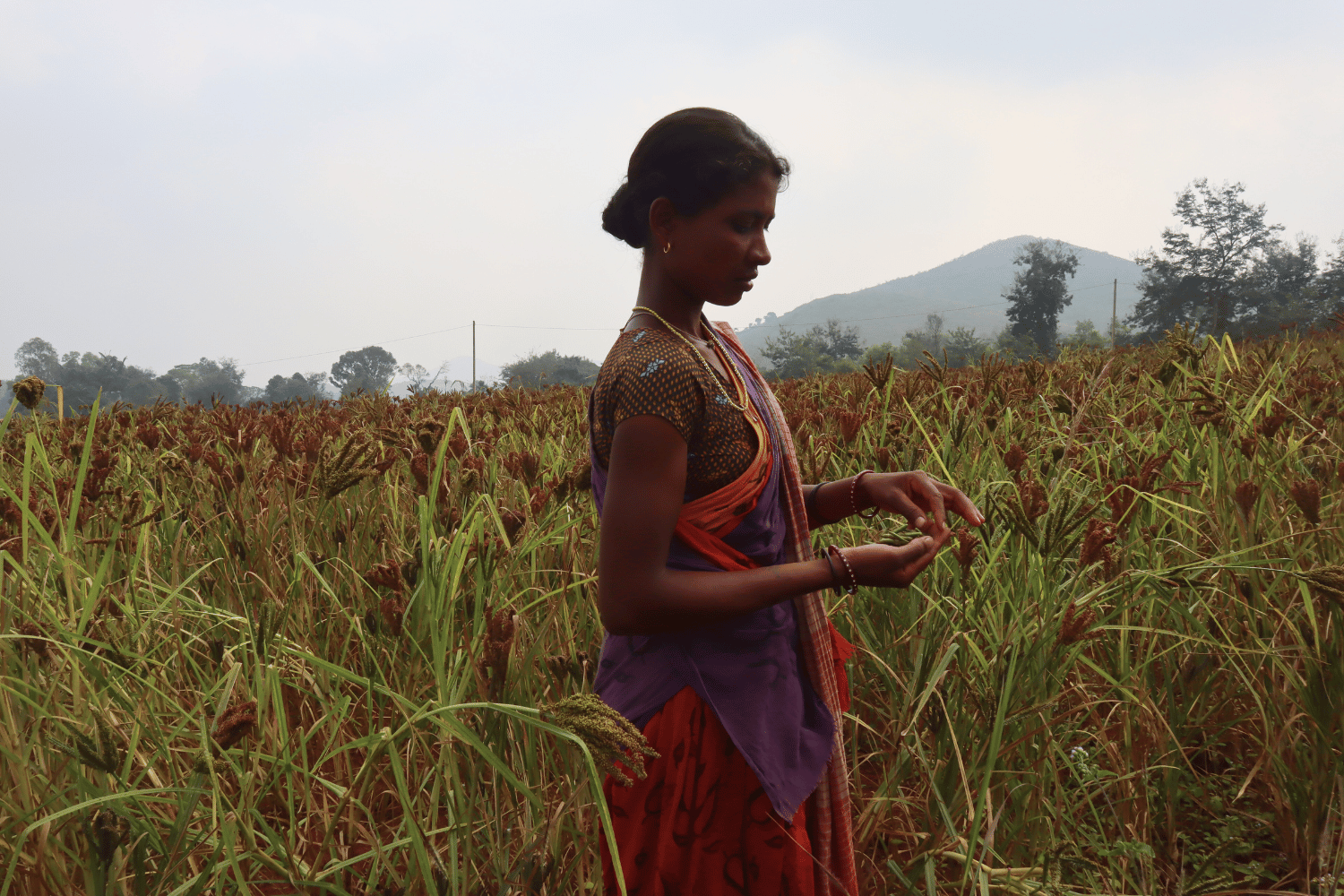
New technologies are changing how agricultural risk is measured, priced, and managed across Africa, enabling insurers to potentially reach millions of previously excluded smallholder farmers.
Officials said the Revenue and Agriculture departments have been directed to jointly undertake field inspections to verify the affected crop area and submit detailed reports.
Nigeria’s push to deepen agricultural insurance and climate risk protection gained momentum as livestock herders in Adamawa, Bauchi and Plateau states received N181.9 million in claims under the Index- Based Livestock Insurance (IBLI) scheme.
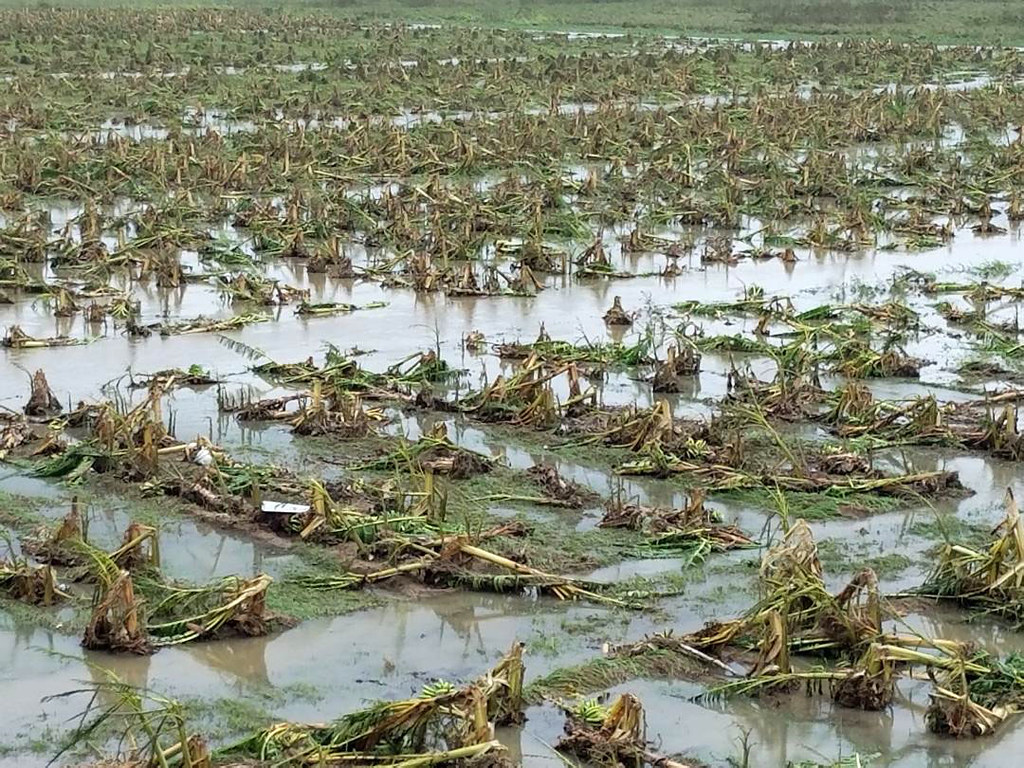
At least 27,416 crop insurance claims for banana cultivation were found to have been filed on land where no crop existed in Jalgaon district, which is known for banana cultivation.
Spain has officially removed over 15 tonnes of dead shellfish from the coast of Galicia following a catastrophic 80% die-off that is set to trigger a sharp rise in seafood prices.
India’s Union Minister for Agriculture and Farmers’ Welfare and Rural Development, Shivraj Singh Chouhan, has outlined a series of policy measures aimed at strengthening farmers’ incomes and risk protection, including crop diversification, record procurement at Minimum Support Price (MSP), reforms in crop insurance, and stricter monitoring of agricultural schemes.
On Tuesday, March 17, The Hon. Dr. Terrance Drew, Chair of CARICOM and Prime Minister of St. Kitts and Nevis, emphasized the critical role of agriculture in achieving food security and fostering sustainable development.
Powerful winds carrying sea salt destroyed early potato crops in eastern Cyprus, across several agricultural communities. Farmers in Ormidia, Xylofagou, Liopetri and Sotira are now assessing the damage, and in many cases, there is little left to assess.
Agricultural operations in Kansas have been significantly impacted by recent wildfires. The U.S. Department of Agriculture has technical and financial assistance available to help farmers and livestock producers recover from these adverse weather events.
Hawaii farmers are still assessing damage from the system that just passed, as most residents get ready for the wet weather ahead.
Farm CPA Paul Neiffer explains the updates to crop insurance subsidies, additional benefits for new farmers, and eligibility considerations for those entering the program.
Deer grazing in crop fields and bears wallowing in rows of corn are creating costly headaches for farmers across Southside Virginia.
The growing season hasn’t officially started, but Idalou Harvest is already counting losses.
Farmers in Rautahat are suffering losses due to the lack of insurance for banana cultivation. Farmers here have been affected by natural disasters because there is no insurance for banana farming in various local units of the district.
Agriculture Minister Mohammed Amin Ur Rashid has unveiled plans to introduce a comprehensive crop insurance programme designed to shield farmers from losses caused by natural disasters.
Arkansas rice farmersarebeing askedabout their participation in crop insurance programsby aresearcherwho expects their input couldhelpshapefuture crop insurance programs.
The ScaleAgData project is pleased to invite you to our second stakeholder event. Building on the discussions and connections formed during our first webinar, this event will focus on fostering collaboration among stakeholders, providing updates on our project’s progress, and outlining future opportunities for engagement.
SEE ALLWith the latest satellite technologies, insurers can automate and enhance their monitoring, claims, and underwriting processes like never before. Join us for this exclusive 45-minute live webinar, co-hosted by industry leaders from SwissRe, AXA Climate, GreenTriangle, and Planet, to discover:
2024 AgroInsurance International Conference will take place on June 3-5, 2024 in Belgrade, Serbia, at the Hyatt Regency Hotel. Planet Labs (USA) and GAF AG (Germany) are sponsors of our conference. Agremo (Serbia) has been confirmed as the Organization Partner. More partners and sponsors to be announced in March 2024.
AgroInsurance Team is excited to announce the new dates and venue of the 2024 Agroinsurance International Conference. The event will be held on June 3-5, 2024 in Belgrade, Serbia. ‘Early Bird’ registration is already open.
The Australian horticultural sector faced challenges following Cyclone Alfred's impact in late February.
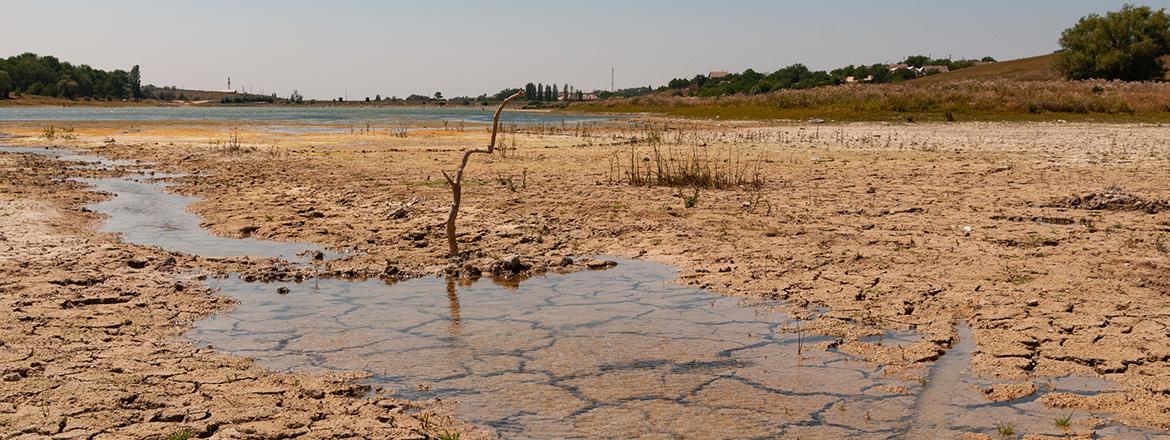
SEE ALLAgriculture in Austria is struggling with the effects of the severe drought in recent weeks and months. Due to the record number of hot days, the farmers are faced with arid fields. The damage to agriculture from the drought is estimated at 150 million euros.
Between the lack of rain and a severe frost event this week, South Australian farmers are feeling the pinch from the weather. Some farmers said they were not bothering to reap what they had sown, as their crops were in such a state that the cost of harvesting outweighed any possible return.
More than three weeks after the Cumbre Vieja volcano erupted, the lava that continues to flow from its interior continues to devastate everything in its path, destroying houses, infrastructure, and banana plantations. The production of Platanos de Canarias is the economic engine of the island, accounting for 50% of its GDP and 30% of the jobs on the island.
Agricultural production has historically been one of the high-risk sub-sectors of Uzbekistan’s national economy because the conditions and results of production and economic activity of agricultural enterprises are highly dependent on random, primarily weather-related factors. In this regard, the development of an agricultural insurance system as an element of sustainable agricultural production is relevant.
The frequency of hailstorms is generally low in small geographic areas. In other words, it may be very likely that hailstorm occurrences will vary between neighboring locations within a short period of time. Besides, a newly launched insurance scheme lacks the data. It is, therefore, difficult to sustain a sound insurance program under these circumstances, with premium rates based on meteorological data without a complimentary adjustment process.
Last year, Malta’s local vegetable produce dropped by 7% when compared to the previous year. The total vegetables produced in tonnes amounted to 58,178, down by 7% when compared to 2017. Their value too diminished as the total produce was valued at €30 million, down by 13% over the previous year. The most significant drop was in potatoes, down by 27% over the previous year. Tomatoes and onions were the only vegetables to have increased in volume, by 3% and 4% respectively but their value diminished by 9% and 24% respectively. The figures were published by the National Statistics Office on the event of World Food Day 2019, which will be celebrated on Wednesday. Cauliflower, cabbage and lettuce produce dropped by 10%, 3%, and 12% respectively. In the realm of local fruit, a drop of produce was registered here too apart from strawberries, which experienced a whopping increase of 58% over 2017. Total fruit produced in 2018 amounted to 13,057 tonnes, down by 1% when compared to 2017. The total produce was valued at €10 million, a 3% increase in value. Peaches produced were down by 35% and the 376 tonnes of peaches cultivated amounted to €0.5 million in value. Orange produce dropped by 10% and lemon produce dropped by 14%. There was no change in the amount of grapes produced and the 3,642 tonnes of grapes produced in 2018 were valued at €2.3 million. 70% of fruit and vegetables consumed in Malta is imported. The drop in local produce could be the result of deleterious or unsuitable weather patterns. Source - https://www.freshplaza.com
While Florida and California accounted for 76 percent of U.S. production of field-grown tomatoes in 2016, greenhouse production and use of other protected-culture technologies help extend the growing season and make production feasible in a wider variety of geographic locations. Some greenhouse production is clustered in traditional field-grown-tomato-producing States like California. However, high concentrations of greenhouses are also located in Nebraska, Minnesota, New York, and other States that are not traditional market leaders. Among the benefits that greenhouse tomato producers can realize are greater market access both in the off-season and in northern retail produce markets, better product consistency, and improved yields. These benefits make greenhouse tomato production an increasingly attractive alternative to field production despite higher production costs. In addition to domestic production, a significant share of U.S. consumption of greenhouse tomatoes is satisfied by imports. In 2004, U.S., Mexican, and Canadian growers each contributed about 300 million pounds of greenhouse tomatoes annually to the U.S. fresh tomato market. Since then, Mexico’s share of the greenhouse tomato market has grown sharply, accounting for almost 84 percent (1.8 billion pounds) of the greenhouse volume coming into the U.S. market. Source - https://www.freshplaza.com