09.07.2026

Philippines - Cebu farmers urged to insure crops, report any Kanlaon ashfall damage

Farmers in Cebu were urged to insure their crops and promptly report any ashfall-related damage after volcanic ash from Kanlaon reached parts of the province on Thursday, July 9.

09.07.2026

CLIS+: transforming agricultural risk protection in Pakistan

Agriculture remains the backbone of Pakistan’s economy, contributing nearly one-fourth of gross domestic product (GDP), employing around 40% of the labour force and supporting millions of rural households.

09.07.2026

Kenya - Community mobilisers for livestock project expected to benefit 375,000 pastoralists unveiled

Community mobilisers for the De-Risking Inclusion and Value Enhancement of Pastoral Economies (DRIVE) project, expected to benefit 375,000 pastoralists and their dependents in Kenya, were unveiled on Thursday in Wajir County.

08.07.2026

EU’s livestock strategy aims to tackle animal welfare, finance, disease challenges

The European Commission has adopted its first EU Livestock Strategy alongside a Protein Action Plan, setting out measures it says will help the livestock sector deal with economic pressures, animal disease risks, environmental requirements and shifting markets.

08.07.2026

USA - USDA Introduces More Crop Insurance Options for Forage Producers

The U.S. Department of Agriculture (USDA) is expanding coverage options to add revenue protection for forage producers in 12 states, part of the Department’s efforts to put Farmers First through improved cropinsurance.

08.07.2026

India - Rain deficit leaves TN’s Vadamalli farmers staring at heavy losses ahead of Onam

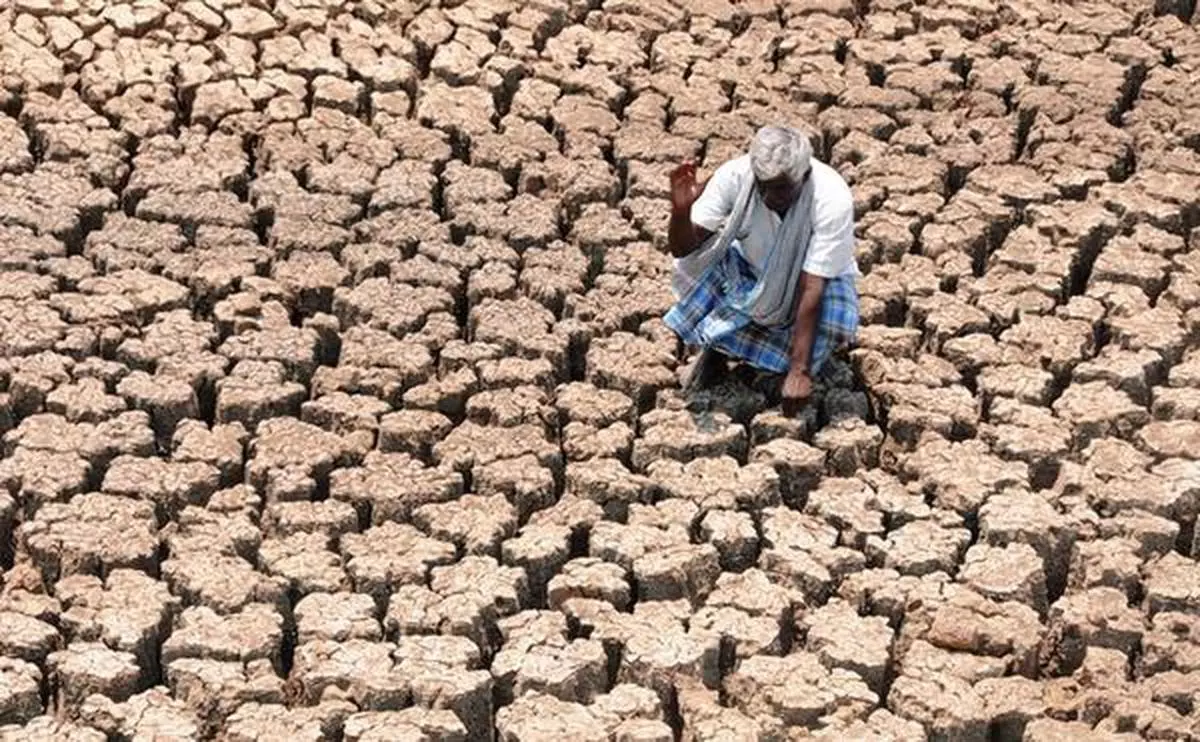
A prolonged dry spell and the failure of seasonal rains have left Vadamalli farmers in Tamil Nadu's Coimbatore district struggling to save their crop, with large stretches of flowering plants beginning to wither across Thondamuthur Block.

07.07.2026

Ukraine - Cold spring delayed soybean development and increased harvest loss risk

The cold spring and low temperatures at the beginning of sowing had a negative impact on the development of soybeans in Ukraine.

07.07.2026

Severe storms flooded roads and battered vineyards in northeastern Italy

Large hail and strong winds hit towns in Veneto and Friuli, raising fears of crop damage in a key wine-growing region.

09.07.2026

Canada - ‘Yellowing and drowned out crops’ follow heavy rainfall in Saskatchewan

Producers in Saskatchewan are starting to see the effects of the heavy rainfall the province has received in recent weeks.

09.07.2026

India - Arunachal: Fresh floods, landslides damage houses, crops; IMD forecasts dip in rain from Friday

Houses, roads and crops were damaged as fresh floods and landslides were reported across six districts of Arunachal Pradesh, officials said on Thursday.

09.07.2026

India - Rainfall Drops 30%: Dharwad Disaster Review Highlights Water, Crop Insurance, Health Risks

Officials and lawmakers gathered in Dharwad, Karnataka, on Saturday for a disaster management progress review meeting. The session at the Zilla Panchayat hall focused on monsoon shortages, drought fears, and farmer challenges across the district.

08.07.2026

Sri Lanka - Rs. 12 billion in crop damage compensation paid to over 200,000 farmers

The Agricultural and Agrarian Insurance Board has announced that crop damage compensation totaling Rs. 12,341.5 million has been paid to 202,025 farmers affected by last year’s Cyclone Ditwah.

08.07.2026

Canada - Severe damage reported following weekend storm

A powerful storm that moved through southwest Saskatchewan Sunday night brought heavy rain, strong winds and hail, leaving a trail of crop and property damage in the Swift Current area.

08.07.2026

Kenya - Fear of crop failure, auction discourages farmers from taking loans- survey

Increasing interest rates and the fears of crop failure and being auctioned are top factors that have reduced the number of farmers taking up loans for agricultural purposes.

07.07.2026

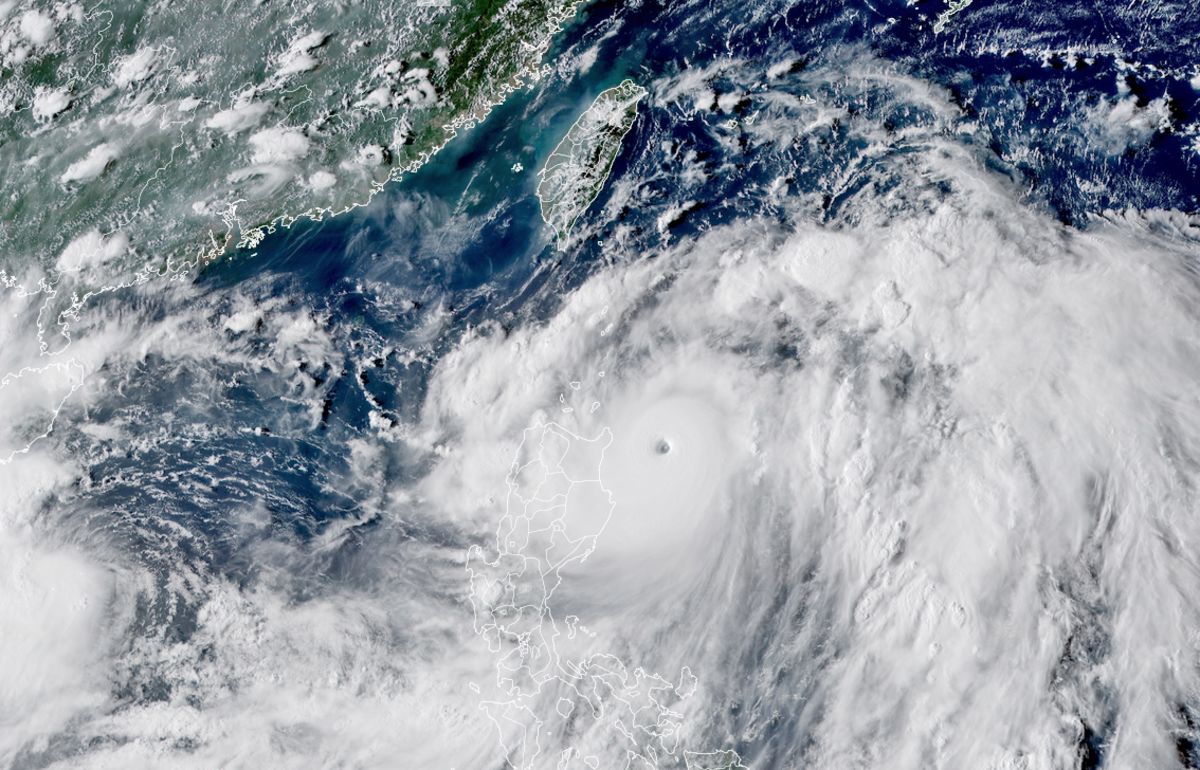
Severe storms drench China, leading to deaths and crop damage

China’s central and southern regions have been lashed by heavy rain that’s led to deaths and crop damage, with more extreme weather expected later this week from a strong typhoon heading toward the country’s east.

07.07.2026

Australia - Bird flu compensation leaves business interruption insurance gap

The spread of H5 bird flu to a third Australian state has focused industry attention on a structural feature of the country’s animal-disease risk model that matters to underwriters and brokers: government compensation for avian influenza reimburses culled birds but excludes the business-interruption losses that often exceed them, leaving a coverage gap that the private market fills only partially and, brokers say, on tightening terms.

EVENTS
ANALYTICS SEE ALL

UNDP - Analysis of the crop insurance system in Uzbekistan

08.01.2025

Agricultural production has historically been one of the high-risk sub-sectors of Uzbekistan’s national economy because the conditions and results of production and economic activity of agricultural enterprises are highly dependent on random, primarily weather-related factors. In this regard, the development of an agricultural insurance system as an element of sustainable agricultural production is relevant. 

A Practical Method for Adjusting the Premium Rates in Crop-Hail Insurance with Short-Term Insurance Data

25.10.2022

The frequency of hailstorms is generally low in small geographic areas. In other words, it may be very likely that hailstorm occurrences will vary between neighboring locations within a short period of time. Besides, a newly launched insurance scheme lacks the data. It is, therefore, difficult to sustain a sound insurance program under these circumstances, with premium rates based on meteorological data without a complimentary adjustment process.

Malta - Vegetable production dropped 7% in 2018

18.10.2019

Last year, Malta’s local vegetable produce dropped by 7% when compared to the previous year. The total vegetables produced in tonnes amounted to 58,178, down by 7% when compared to 2017. Their value too diminished as the total produce was valued at €30 million, down by 13% over the previous year. The most significant drop was in potatoes, down by 27% over the previous year. Tomatoes and onions were the only vegetables to have increased in volume, by 3% and 4% respectively but their value diminished by 9% and 24% respectively. The figures were published by the National Statistics Office on the event of World Food Day 2019, which will be celebrated on Wednesday. Cauliflower, cabbage and lettuce produce dropped by 10%, 3%, and 12% respectively. In the realm of local fruit, a drop of produce was registered here too apart from strawberries, which experienced a whopping increase of 58% over 2017. Total fruit produced in 2018 amounted to 13,057 tonnes, down by 1% when compared to 2017. The total produce was valued at €10 million, a 3% increase in value. Peaches produced were down by 35% and the 376 tonnes of peaches cultivated amounted to €0.5 million in value. Orange produce dropped by 10% and lemon produce dropped by 14%. There was no change in the amount of grapes produced and the 3,642 tonnes of grapes produced in 2018 were valued at €2.3 million. 70% of fruit and vegetables consumed in Malta is imported. The drop in local produce could be the result of deleterious or unsuitable weather patterns. Source - https://www.freshplaza.com

USA - Greenhouse tomato production spans most states

07.10.2019

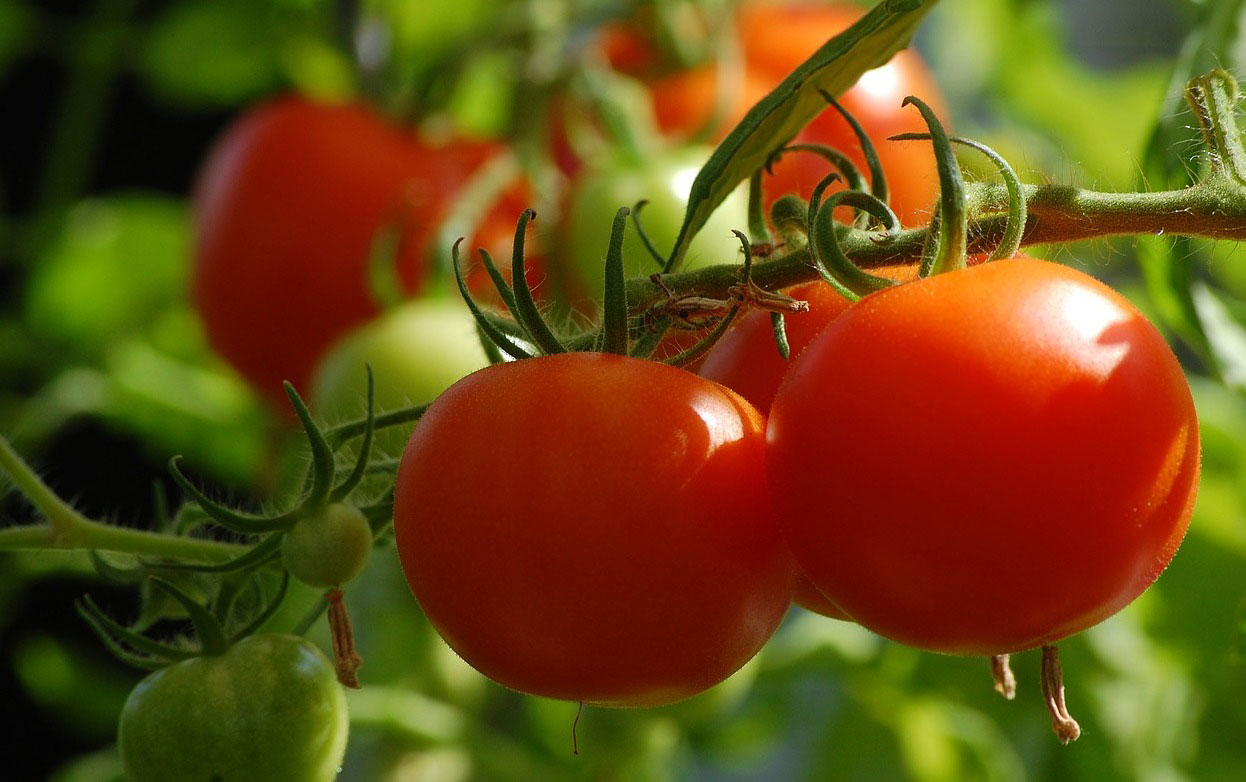
While Florida and California accounted for 76 percent of U.S. production of field-grown tomatoes in 2016, greenhouse production and use of other protected-culture technologies help extend the growing season and make production feasible in a wider variety of geographic locations. Some greenhouse production is clustered in traditional field-grown-tomato-producing States like California. However, high concentrations of greenhouses are also located in Nebraska, Minnesota, New York, and other States that are not traditional market leaders. Among the benefits that greenhouse tomato producers can realize are greater market access both in the off-season and in northern retail produce markets, better product consistency, and improved yields. These benefits make greenhouse tomato production an increasingly attractive alternative to field production despite higher production costs. In addition to domestic production, a significant share of U.S. consumption of greenhouse tomatoes is satisfied by imports. In 2004, U.S., Mexican, and Canadian growers each contributed about 300 million pounds of greenhouse tomatoes annually to the U.S. fresh tomato market. Since then, Mexico’s share of the greenhouse tomato market has grown sharply, accounting for almost 84 percent (1.8 billion pounds) of the greenhouse volume coming into the U.S. market. Source - https://www.freshplaza.com