New Zealand kiwifruit crop avoids major cyclone damage
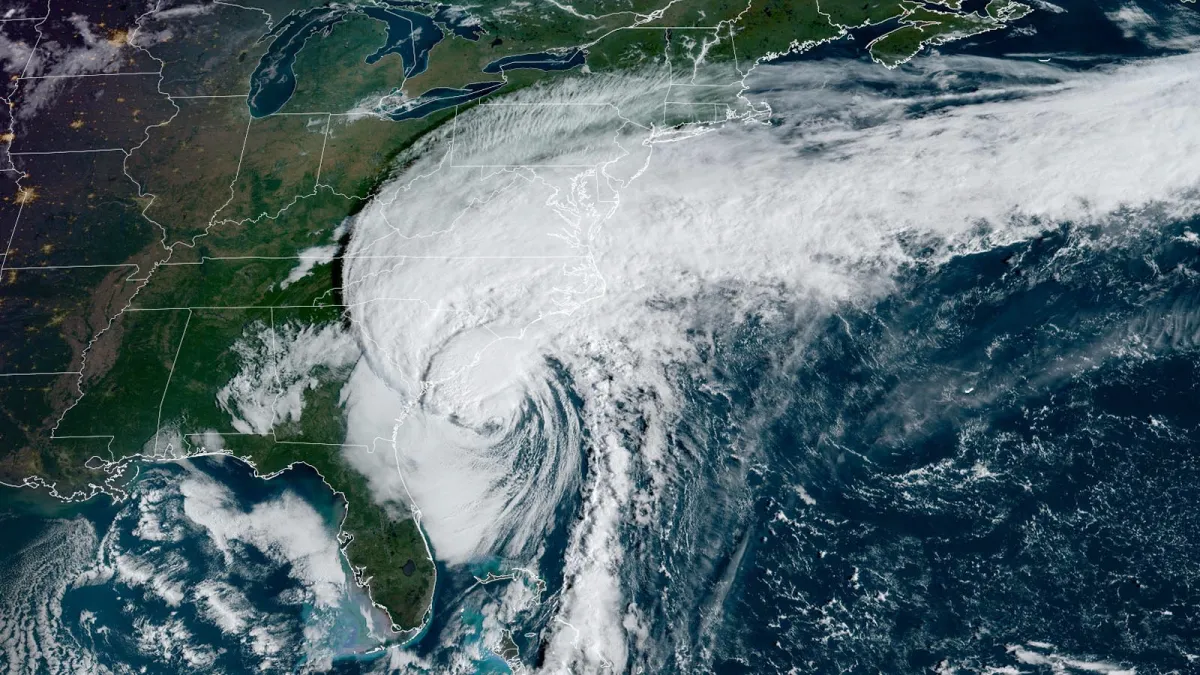
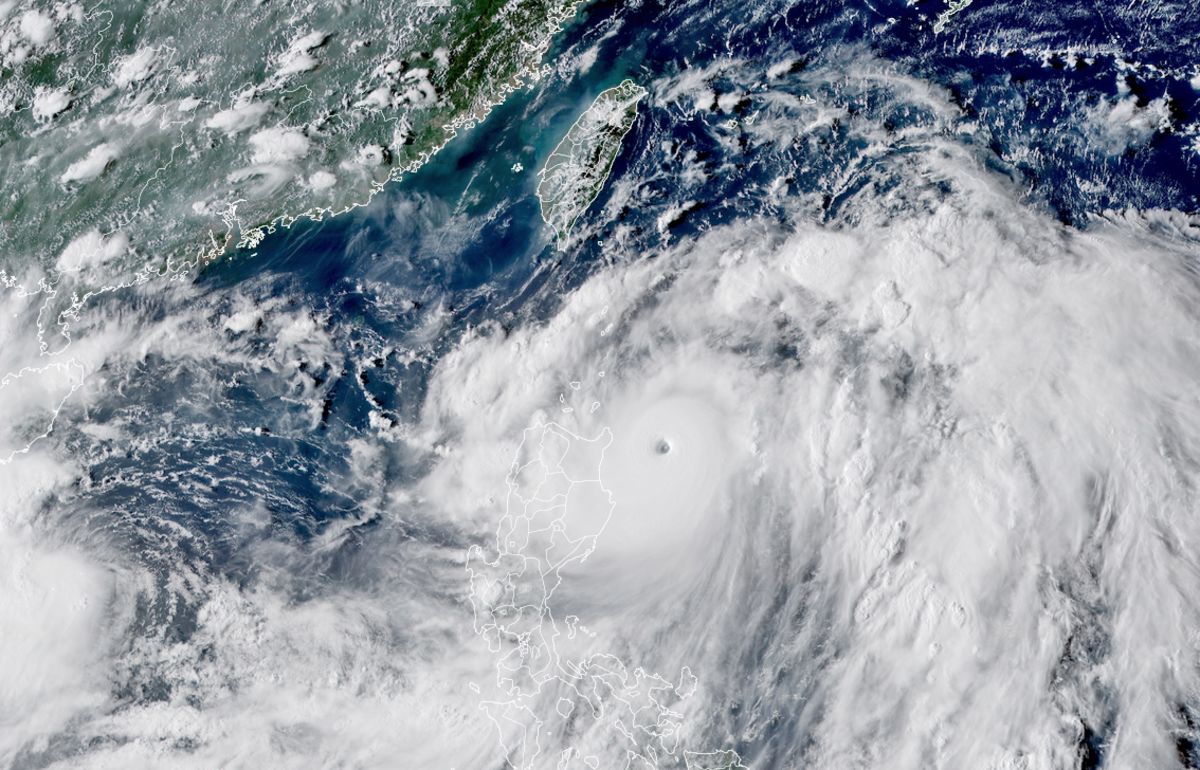
Kiwifruit growers in New Zealand appear to have avoided a major impact from Cyclone Vaianu, which hit the east coast of the North Island this month.
Tea growers hailed the government's decision to bring the sector under the Restructured Weather Based Crop Insurance Scheme (RWBCIS), which they said would help mitigate losses due to erratic rainfall and rising temperatures.
Record‑low rainfall in 2025 and higher fertilizer prices are driving Ontario producers to lean on crop insurance.
Mango production in Pakistan is expected to remain below normal this season due to weather-related impacts affecting flowering and fruit set in Punjab.
The House of Representatives Committee on Nutrition and Food Security has commenced an investigation into the insurance component of the ₦ 1.12 trillion Anchor Borrowers’ Programme, as part of a broader probe into alleged mismanagement and diversion of agricultural intervention funds.
The Department of Animal Husbandry and Veterinary Services, Phek, conducted a training programme on the Livestock Insurance Scheme for para-veterinarians and farmers under the National Livestock Mission (NLM) 2025–26 on April 13 at the office of the Chief Veterinary Officer (CVO), Phek.
Responding to the concerns, Minister Javid Ahmad Dar, who chaired the meeting, assured the delegation that all issues would be examined and addressed in a phased and time-bound manner.
In late Ashoj and early Kartik of 2078 BS, unseasonal rainfall across Nepal, including Jhapa, caused massive damage to ripening paddy crops.
A resistant grapevine reduces chemical input costs and crop loss.
The Government has allocated financial provisions amounting to Rs. 1,200 million in the 2026 Budget to provide compensation for paddy cultivation losses caused by the salinity barrier constructed on the Nilwala River in 2019 by the National Water Supply and Drainage Board (NWSDB) to prevent seawater intrusion into drinking water sources in the Matara District.
As spring weather warms up, experts warn that this is also a time when invasive pests spread more easily.
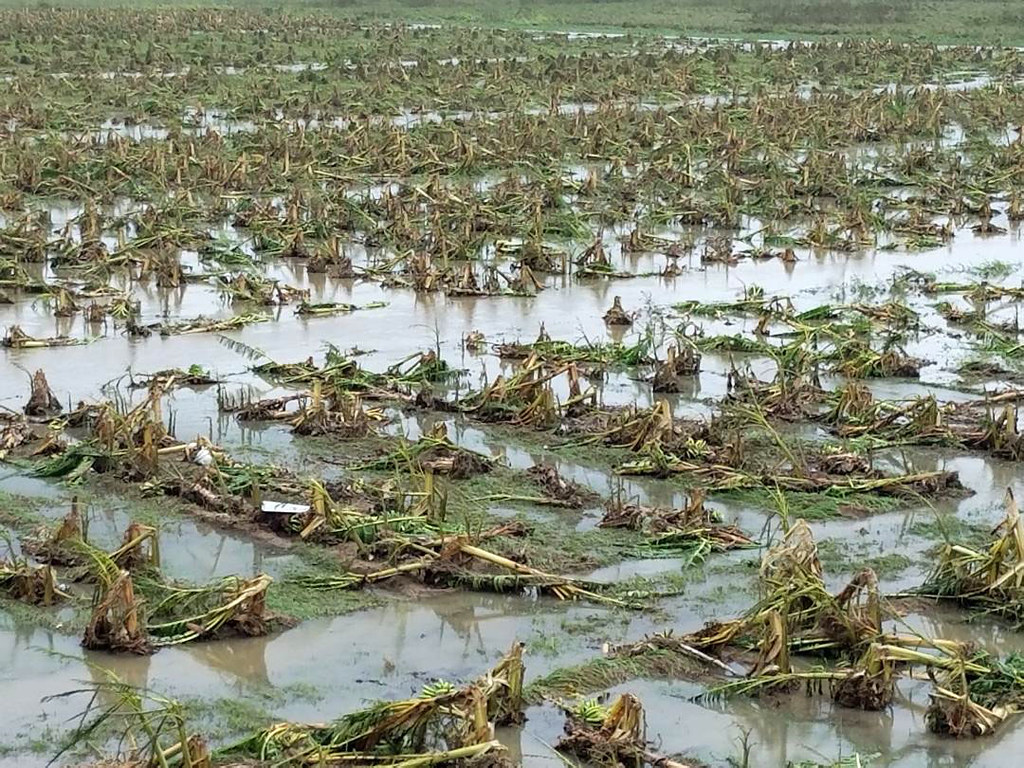
Minister of Agriculture and Livestock Development and Minister of Forests and Environment, Geeta Chaudhary, has held a meeting with banana farmers. During the meeting, Minister Chaudhary discussed issues related to banana production, marketing, and fertilizer supply.
Narmadapuram canal overflow damages 40 acres of crops as irrigation failure leaves farmers facing heavy losses and rising concerns.
Pioneer Insurance, with its joint venture CARD Pioneer Microinsurance Inc., brought global microinsurance leaders to an immersion in a farming community in Sta. Ana, Pampanga, giving them a firsthand look at how inclusive insurance works in communities and how it reaches farmers and underserved families.
Saskatchewan Crop Insurance Company shared some of the in-depth details ahead of the program’s inaugral year during the Sask. Stock Grower Association’s semi-annual meeting.
The National Veal Project, chaired by Alaa Farouk, Minister of Agriculture and Land Reclamation, has approved new financing worth EGP 154m for 110 beneficiaries, including small-scale breeders and young graduates, to support the rearing of 2,200 head of livestock.
The ScaleAgData project is pleased to invite you to our second stakeholder event. Building on the discussions and connections formed during our first webinar, this event will focus on fostering collaboration among stakeholders, providing updates on our project’s progress, and outlining future opportunities for engagement.
SEE ALLWith the latest satellite technologies, insurers can automate and enhance their monitoring, claims, and underwriting processes like never before. Join us for this exclusive 45-minute live webinar, co-hosted by industry leaders from SwissRe, AXA Climate, GreenTriangle, and Planet, to discover:
2024 AgroInsurance International Conference will take place on June 3-5, 2024 in Belgrade, Serbia, at the Hyatt Regency Hotel. Planet Labs (USA) and GAF AG (Germany) are sponsors of our conference. Agremo (Serbia) has been confirmed as the Organization Partner. More partners and sponsors to be announced in March 2024.
AgroInsurance Team is excited to announce the new dates and venue of the 2024 Agroinsurance International Conference. The event will be held on June 3-5, 2024 in Belgrade, Serbia. ‘Early Bird’ registration is already open.
The Australian horticultural sector faced challenges following Cyclone Alfred's impact in late February.
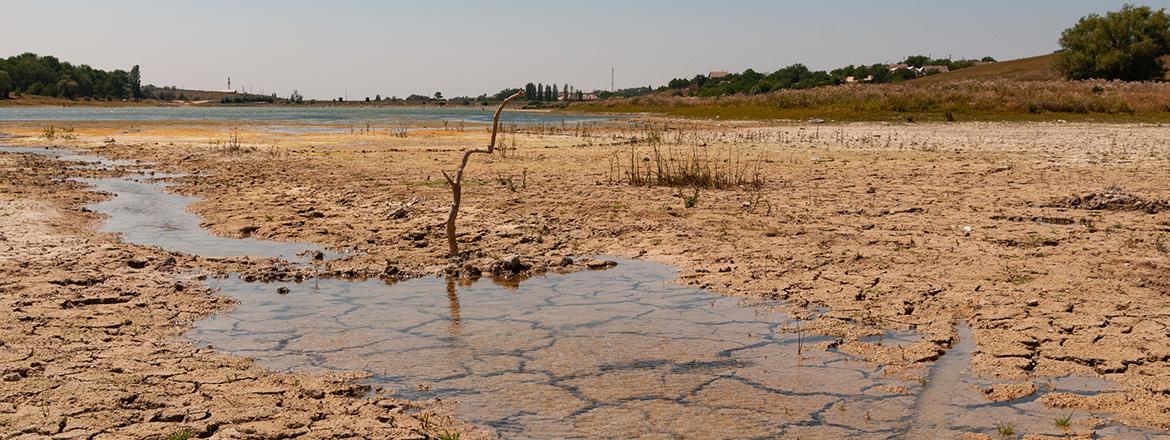
SEE ALLAgriculture in Austria is struggling with the effects of the severe drought in recent weeks and months. Due to the record number of hot days, the farmers are faced with arid fields. The damage to agriculture from the drought is estimated at 150 million euros.
Between the lack of rain and a severe frost event this week, South Australian farmers are feeling the pinch from the weather. Some farmers said they were not bothering to reap what they had sown, as their crops were in such a state that the cost of harvesting outweighed any possible return.
More than three weeks after the Cumbre Vieja volcano erupted, the lava that continues to flow from its interior continues to devastate everything in its path, destroying houses, infrastructure, and banana plantations. The production of Platanos de Canarias is the economic engine of the island, accounting for 50% of its GDP and 30% of the jobs on the island.
Agricultural production has historically been one of the high-risk sub-sectors of Uzbekistan’s national economy because the conditions and results of production and economic activity of agricultural enterprises are highly dependent on random, primarily weather-related factors. In this regard, the development of an agricultural insurance system as an element of sustainable agricultural production is relevant.
The frequency of hailstorms is generally low in small geographic areas. In other words, it may be very likely that hailstorm occurrences will vary between neighboring locations within a short period of time. Besides, a newly launched insurance scheme lacks the data. It is, therefore, difficult to sustain a sound insurance program under these circumstances, with premium rates based on meteorological data without a complimentary adjustment process.
Last year, Malta’s local vegetable produce dropped by 7% when compared to the previous year. The total vegetables produced in tonnes amounted to 58,178, down by 7% when compared to 2017. Their value too diminished as the total produce was valued at €30 million, down by 13% over the previous year. The most significant drop was in potatoes, down by 27% over the previous year. Tomatoes and onions were the only vegetables to have increased in volume, by 3% and 4% respectively but their value diminished by 9% and 24% respectively. The figures were published by the National Statistics Office on the event of World Food Day 2019, which will be celebrated on Wednesday. Cauliflower, cabbage and lettuce produce dropped by 10%, 3%, and 12% respectively. In the realm of local fruit, a drop of produce was registered here too apart from strawberries, which experienced a whopping increase of 58% over 2017. Total fruit produced in 2018 amounted to 13,057 tonnes, down by 1% when compared to 2017. The total produce was valued at €10 million, a 3% increase in value. Peaches produced were down by 35% and the 376 tonnes of peaches cultivated amounted to €0.5 million in value. Orange produce dropped by 10% and lemon produce dropped by 14%. There was no change in the amount of grapes produced and the 3,642 tonnes of grapes produced in 2018 were valued at €2.3 million. 70% of fruit and vegetables consumed in Malta is imported. The drop in local produce could be the result of deleterious or unsuitable weather patterns. Source - https://www.freshplaza.com
While Florida and California accounted for 76 percent of U.S. production of field-grown tomatoes in 2016, greenhouse production and use of other protected-culture technologies help extend the growing season and make production feasible in a wider variety of geographic locations. Some greenhouse production is clustered in traditional field-grown-tomato-producing States like California. However, high concentrations of greenhouses are also located in Nebraska, Minnesota, New York, and other States that are not traditional market leaders. Among the benefits that greenhouse tomato producers can realize are greater market access both in the off-season and in northern retail produce markets, better product consistency, and improved yields. These benefits make greenhouse tomato production an increasingly attractive alternative to field production despite higher production costs. In addition to domestic production, a significant share of U.S. consumption of greenhouse tomatoes is satisfied by imports. In 2004, U.S., Mexican, and Canadian growers each contributed about 300 million pounds of greenhouse tomatoes annually to the U.S. fresh tomato market. Since then, Mexico’s share of the greenhouse tomato market has grown sharply, accounting for almost 84 percent (1.8 billion pounds) of the greenhouse volume coming into the U.S. market. Source - https://www.freshplaza.com