

USA - Cotton Producers Face New ARC PLC Decision Deadline
The special provision giving producers the higher of ARC or PLC for 2025 will not continue next year.


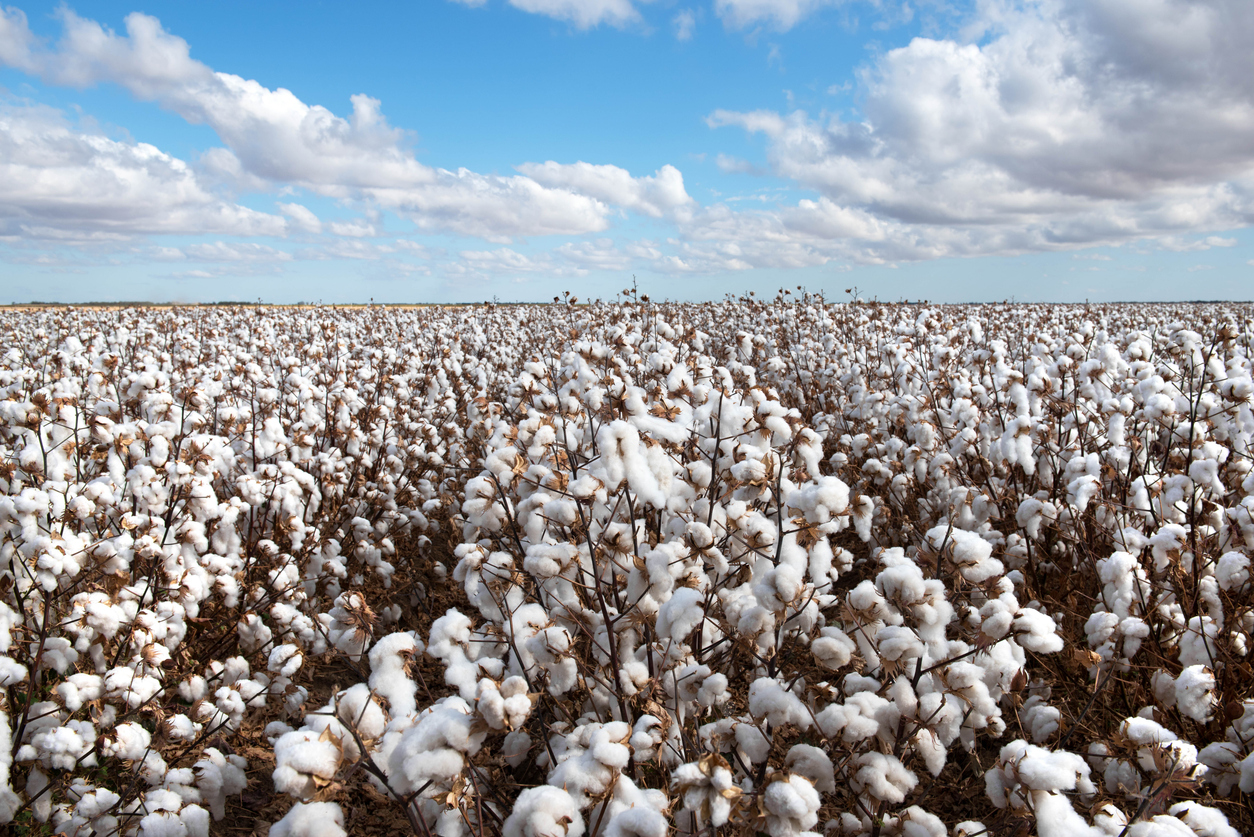
The special provision giving producers the higher of ARC or PLC for 2025 will not continue next year.
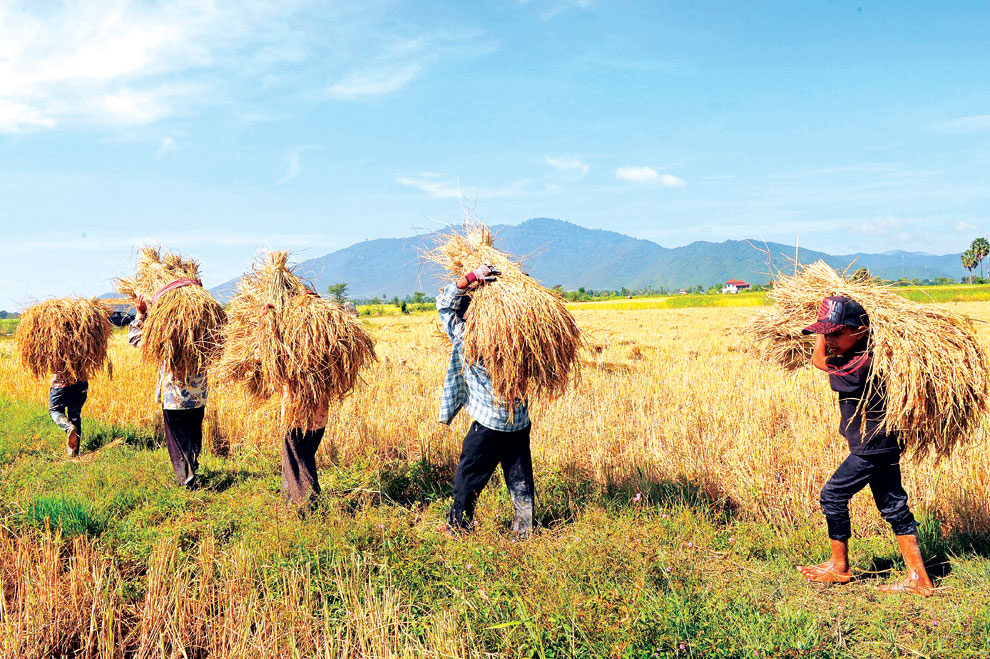
Cambodia's Ministry of Agriculture, Forestry and Fisheries (MAFF) is looking into a disaster-related insurance scheme designed for modern agricultural cooperatives.
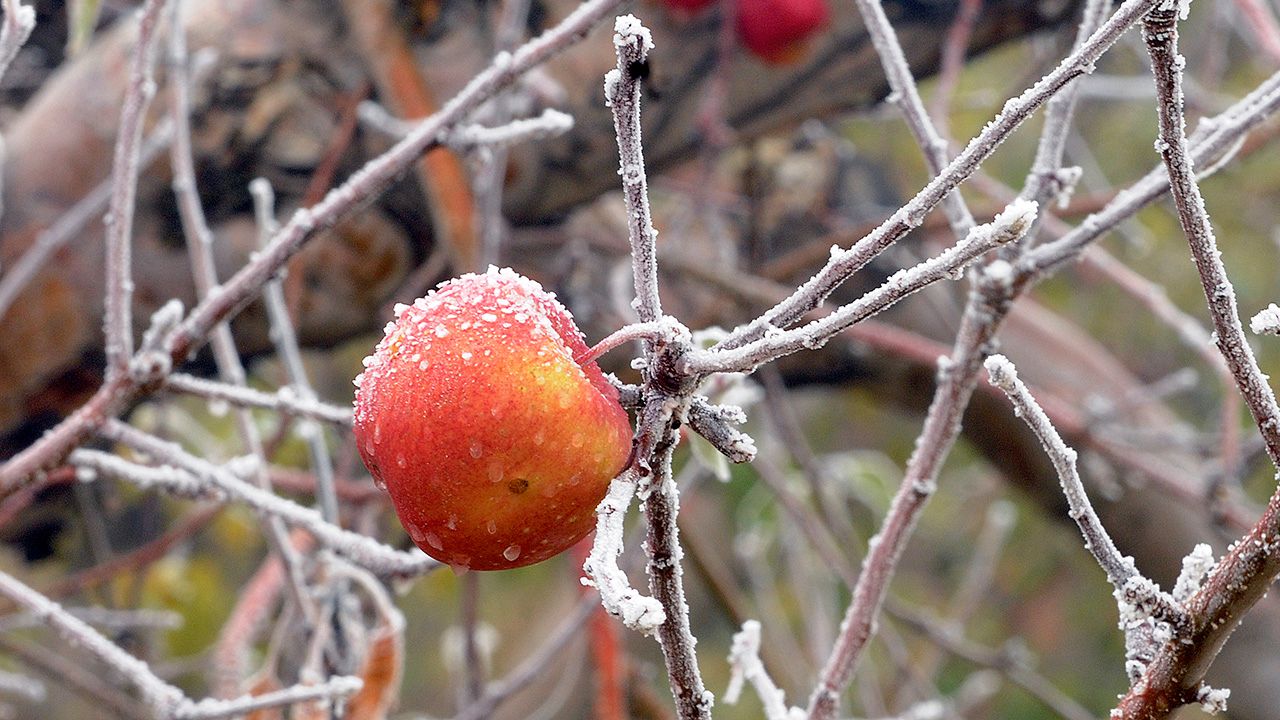
Spring frosts have affected Polish apple varieties differently this season, with some performing better than initially expected and others facing substantial losses.
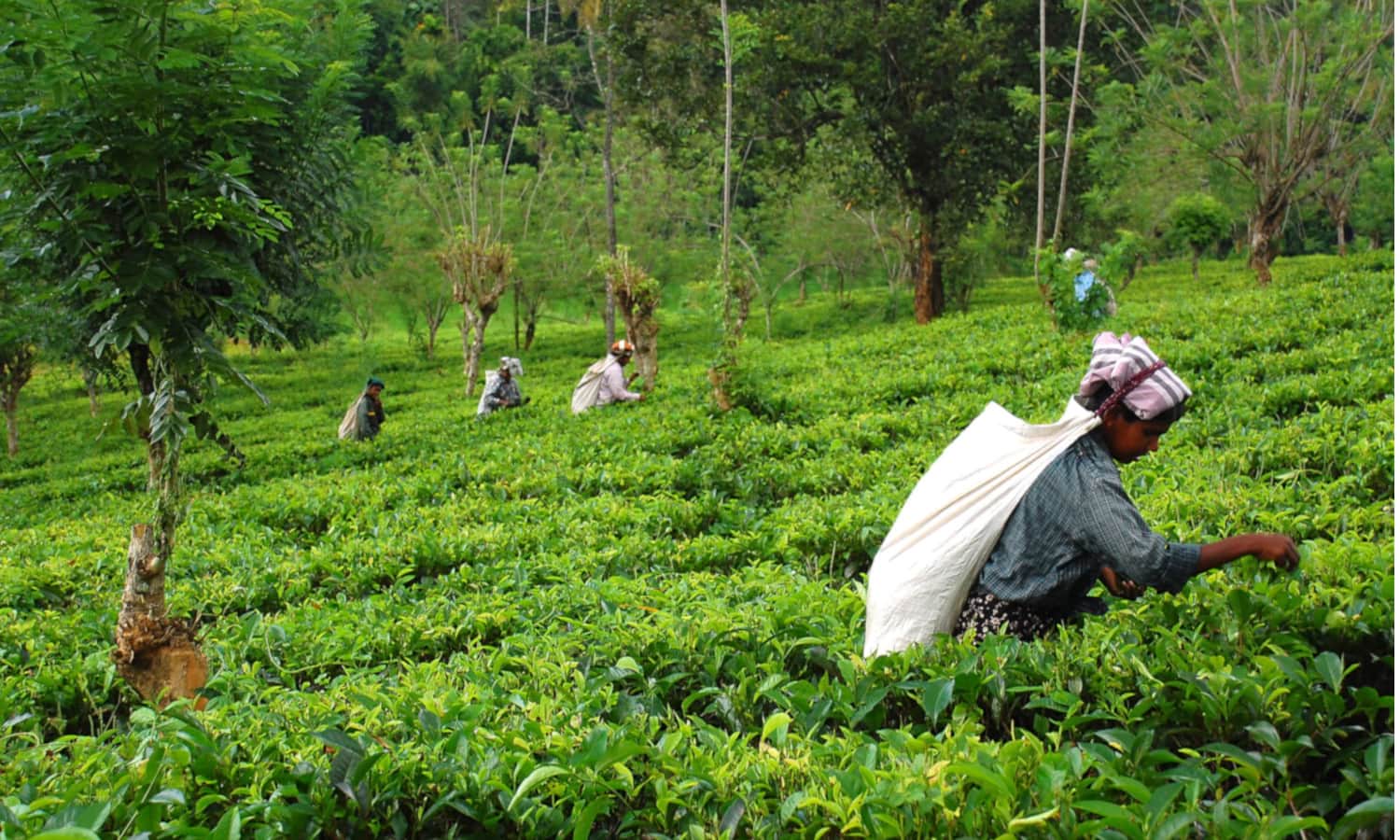
The Government today launched Pashudhan Bima Portal in New Delhi. The Portal will provide a single, integrated digital platform for livestock insurance, enabling streamlined policy issuance, claim processing, monitoring and reporting in case of animals insured under the Livestock Insurance Scheme of the Department of Animal Husbandry and Dairying.
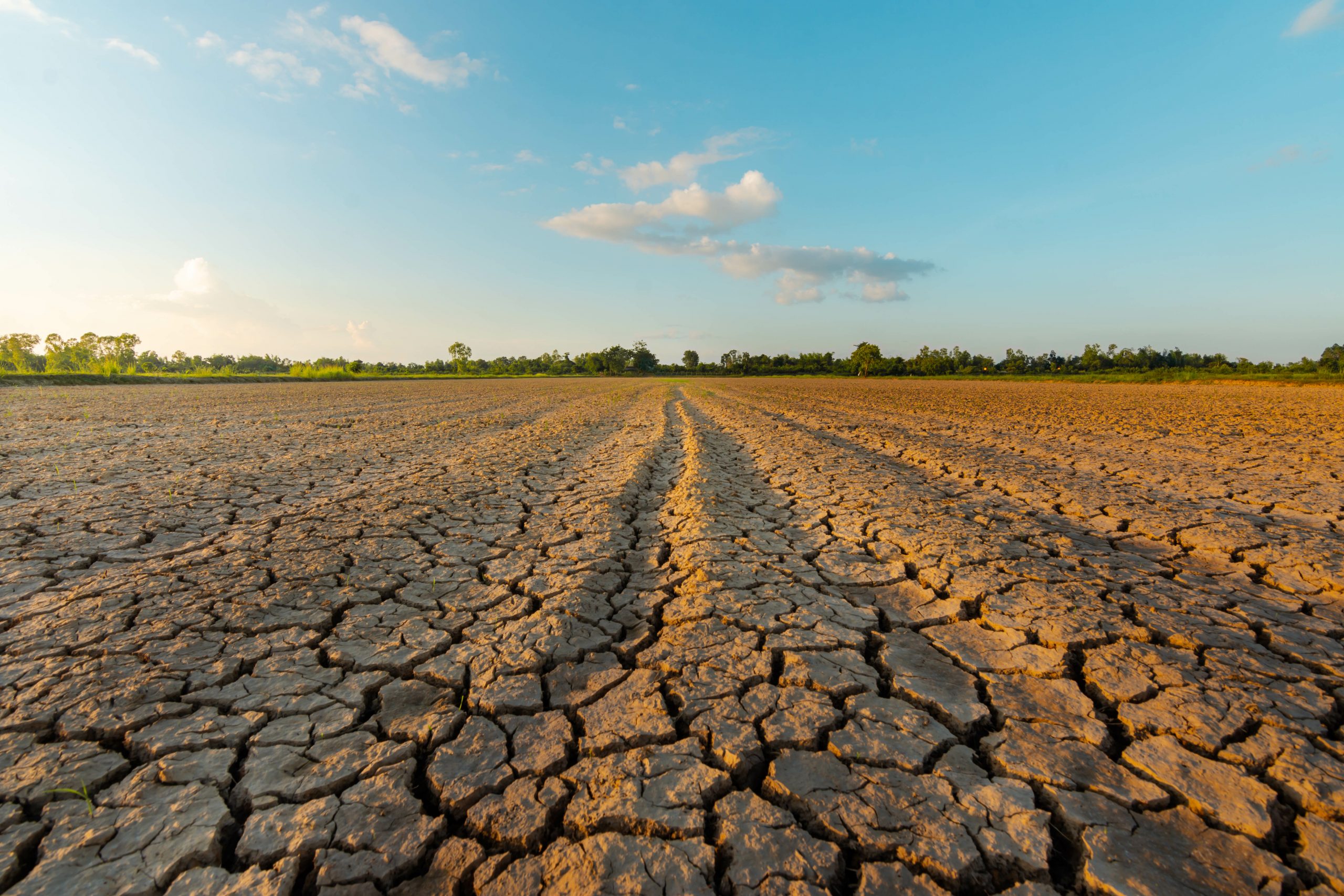
Farmers in Currimao, Ilocos Norte, have begun filing agricultural insurance claims after a prolonged dry spell caused an estimated Php 5 million in crop losses, threatening local agricultural production and livelihoods.
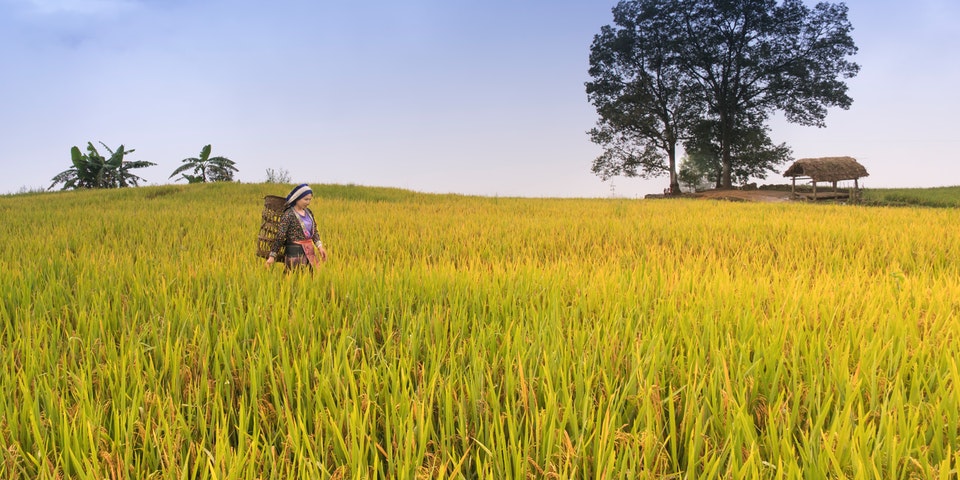
Proposed subsidy cuts threaten coverage for millions of farmers.
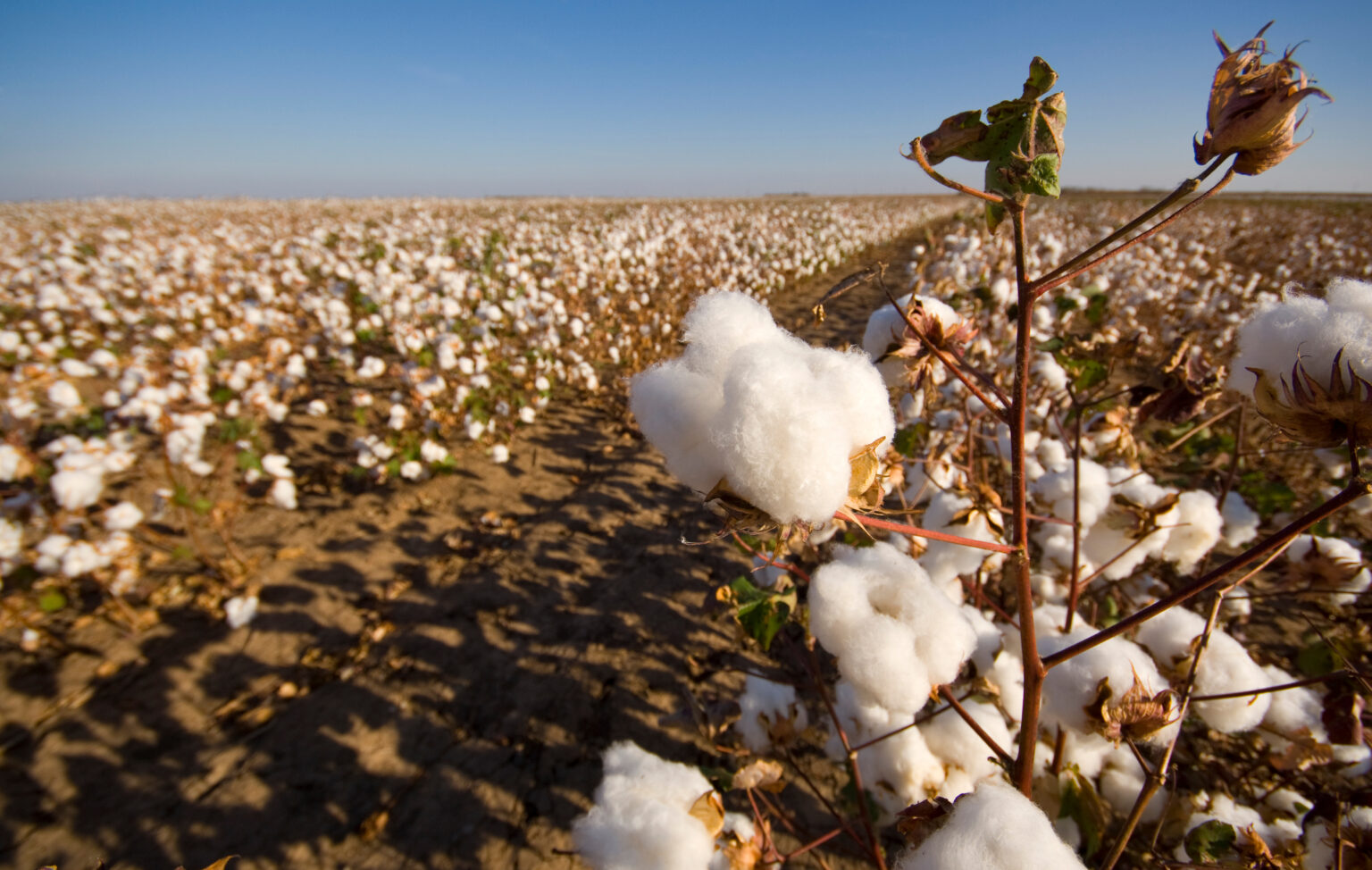
Growers can finally combine supplemental coverage with farm programs without losing protection that fits their operation. Meanwhile, federal officials are developing trade incentives for four countries that could expand demand for American cotton.

The Czech government has approved a new program: from January 2027, state insurance support will extend to large agricultural businesses as well. Small and medium-sized farms already receive such payments.

The Government of Punjab announced a 300,000-pound pilot project to establish climate-resilient agriculture across arid desert regions. The 12-month targeted initiative specifically focuses on farming communities operating within the vulnerable Cholistan and Thal desert ecosystems.

Northeast farmers have until Dec. 1 to secure Pasture, Rangeland and Forage insurance coverage for the 2027 crop year, according to Crop Growers.
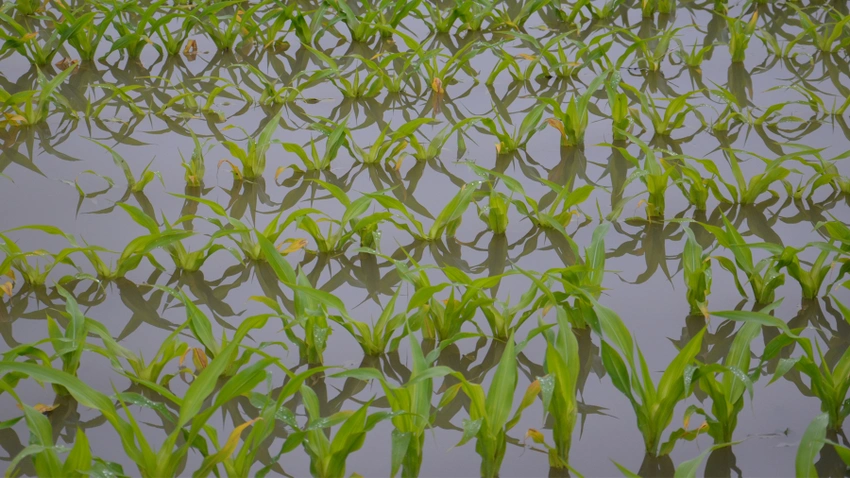
The arrival of storm Adam on the Mediterranean coast has brought heavy rainfall that has hit the Valencia region hardest, particularly the coastlines of the provinces of Valencia and Alicante, though the inclement weather has also hit other regions including Andalusia, Catalonia, and the Balearic Islands.

The Perak Department of Wildlife and National Parks (Perhilitan) has received six official complaints this year from oil palm smallholders in Kampung Perlop 1, Sungai Siput, over wild elephants destroying crops and plantation infrastructure.

The state’s District 1 race offers a choice between an incumbent focused on crop insurance and markets, and a challenger calling for tariff relief and corporate accountability.

Extreme summer heat has pushed livestock insurance claims from farms past 2,000 cases in the last two months, with pigs and poultry bearing the brunt.
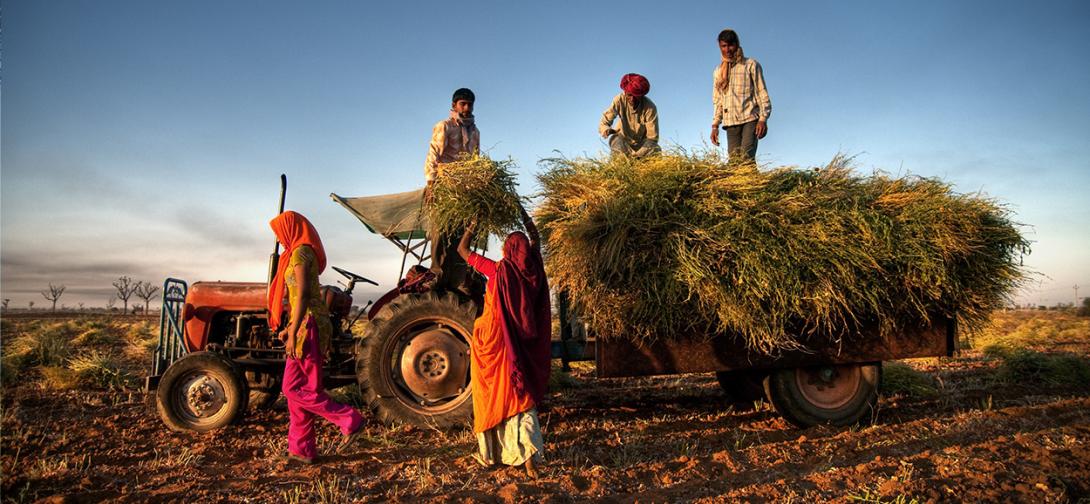
The proposed EASE framework could provide a common reform roadmap for public sector general insurers, with a focus on improving productivity, strengthening governance, modernising technology platforms and enhancing customer service. Its effectiveness, however, will depend on how quickly the recommendations are translated into measurable operational and financial improvements.
CS Kagwe said in August that the country expects a shortfall of about 25 million 90kg bags against annual consumption of roughly 75m bags.



The ScaleAgData project is pleased to invite you to our second stakeholder event. Building on the discussions and connections formed during our first webinar, this event will focus on fostering collaboration among stakeholders, providing updates on our project’s progress, and outlining future opportunities for engagement.
SEE ALLWith the latest satellite technologies, insurers can automate and enhance their monitoring, claims, and underwriting processes like never before. Join us for this exclusive 45-minute live webinar, co-hosted by industry leaders from SwissRe, AXA Climate, GreenTriangle, and Planet, to discover:
2024 AgroInsurance International Conference will take place on June 3-5, 2024 in Belgrade, Serbia, at the Hyatt Regency Hotel. Planet Labs (USA) and GAF AG (Germany) are sponsors of our conference. Agremo (Serbia) has been confirmed as the Organization Partner. More partners and sponsors to be announced in March 2024.
AgroInsurance Team is excited to announce the new dates and venue of the 2024 Agroinsurance International Conference. The event will be held on June 3-5, 2024 in Belgrade, Serbia. ‘Early Bird’ registration is already open.

The first frosty nights of May have significantly worsened estimates of damage to Moldova's fruit sector from spring frosts. According to initial assessments by fruit market operators, between a quarter and a third of the country's total orchard area was seriously affected.
SEE ALLThe Australian horticultural sector faced challenges following Cyclone Alfred's impact in late February.
Agriculture in Austria is struggling with the effects of the severe drought in recent weeks and months. Due to the record number of hot days, the farmers are faced with arid fields. The damage to agriculture from the drought is estimated at 150 million euros.
Between the lack of rain and a severe frost event this week, South Australian farmers are feeling the pinch from the weather. Some farmers said they were not bothering to reap what they had sown, as their crops were in such a state that the cost of harvesting outweighed any possible return.


Agricultural production has historically been one of the high-risk sub-sectors of Uzbekistan’s national economy because the conditions and results of production and economic activity of agricultural enterprises are highly dependent on random, primarily weather-related factors. In this regard, the development of an agricultural insurance system as an element of sustainable agricultural production is relevant.
The frequency of hailstorms is generally low in small geographic areas. In other words, it may be very likely that hailstorm occurrences will vary between neighboring locations within a short period of time. Besides, a newly launched insurance scheme lacks the data. It is, therefore, difficult to sustain a sound insurance program under these circumstances, with premium rates based on meteorological data without a complimentary adjustment process.
Last year, Malta’s local vegetable produce dropped by 7% when compared to the previous year. The total vegetables produced in tonnes amounted to 58,178, down by 7% when compared to 2017. Their value too diminished as the total produce was valued at €30 million, down by 13% over the previous year. The most significant drop was in potatoes, down by 27% over the previous year. Tomatoes and onions were the only vegetables to have increased in volume, by 3% and 4% respectively but their value diminished by 9% and 24% respectively. The figures were published by the National Statistics Office on the event of World Food Day 2019, which will be celebrated on Wednesday. Cauliflower, cabbage and lettuce produce dropped by 10%, 3%, and 12% respectively. In the realm of local fruit, a drop of produce was registered here too apart from strawberries, which experienced a whopping increase of 58% over 2017. Total fruit produced in 2018 amounted to 13,057 tonnes, down by 1% when compared to 2017. The total produce was valued at €10 million, a 3% increase in value. Peaches produced were down by 35% and the 376 tonnes of peaches cultivated amounted to €0.5 million in value. Orange produce dropped by 10% and lemon produce dropped by 14%. There was no change in the amount of grapes produced and the 3,642 tonnes of grapes produced in 2018 were valued at €2.3 million. 70% of fruit and vegetables consumed in Malta is imported. The drop in local produce could be the result of deleterious or unsuitable weather patterns. Source - https://www.freshplaza.com
While Florida and California accounted for 76 percent of U.S. production of field-grown tomatoes in 2016, greenhouse production and use of other protected-culture technologies help extend the growing season and make production feasible in a wider variety of geographic locations. Some greenhouse production is clustered in traditional field-grown-tomato-producing States like California. However, high concentrations of greenhouses are also located in Nebraska, Minnesota, New York, and other States that are not traditional market leaders. Among the benefits that greenhouse tomato producers can realize are greater market access both in the off-season and in northern retail produce markets, better product consistency, and improved yields. These benefits make greenhouse tomato production an increasingly attractive alternative to field production despite higher production costs. In addition to domestic production, a significant share of U.S. consumption of greenhouse tomatoes is satisfied by imports. In 2004, U.S., Mexican, and Canadian growers each contributed about 300 million pounds of greenhouse tomatoes annually to the U.S. fresh tomato market. Since then, Mexico’s share of the greenhouse tomato market has grown sharply, accounting for almost 84 percent (1.8 billion pounds) of the greenhouse volume coming into the U.S. market. Source - https://www.freshplaza.com
